In September 2025, Renault and Geely announced an additional EUR 319 million investment in Brazil through a joint venture, with their total investment in Brazil from 2025 to 2027 reaching EUR 899 million, giving Geely access to Renault's existing plants and dealer network. In the same period, reports said Maserati planned to cooperate with Huawei and JAC to develop two electric vehicles, adopting an SKD model with body-in-white from Hefei and assembly in Italy; the brand's global shipments in 2025 were less than 8,000 units, with an adjusted operating loss of EUR 198 million. Both paths point to a combination of technology export and localized production capacity.
In mid-September, two partnership announcements offered comparative samples for observing Chinese automakers' overseas expansion paths: one was Renault and Geely's announcement of additional investment in Brazil, and the other was reports that Maserati planned to team up with Huawei and JAC to develop electric vehicles. The core assets of the former are production capacity and channels, while the core assets of the latter are Chinese technology and manufacturing resources. Both models point to a combination of "technology export + localized production capacity."
Brazil path: capital for capacity and channels
On September 15, Renault and Geely said they would make a new round of investment of €319 million (about $340 million) in Brazil through their joint venture to strengthen their industrial cooperation in Latin America's largest market. The agreement allows Geely to use existing factories and dealer networks in Brazil, while helping Renault make fuller use of the capacity of its vehicle assembly plants. The new investment brings the two companies' total investment in Brazil between 2025 and 2027 to €899 million.
From the transaction structure, Geely did not choose to build its own factory, but instead accessed Renault's existing manufacturing and distribution system through a joint venture framework, reducing upfront heavy-asset investment and channel-building time; Renault, in turn, uses this to improve the capacity utilization of its assembly plants. This is a typical capacity-sharing cooperation.
Geely's overseas capacity layout is not limited to this joint venture framework. According to Automotive News Europe, citing people familiar with the matter, Geely is considering producing its flagship body-on-frame plug-in hybrid SUV at Ford's plant in Spain to avoid the EU's impending tariffs on China-made plug-in hybrid vehicles. The model, codenamed KO11 internally, made its debut in China in July this year as the Galaxy Battleship 700 and is expected to enter the European market in 2028. Geely has not yet announced the model's official name for markets outside China.
Maserati path: reverse input of Chinese technology and manufacturing resources
Another path is foreign luxury brands bringing in Chinese technology and manufacturing resources. According to Auto Time, a media outlet under 36Kr, citing multiple industry sources, Maserati has finalized plans with Huawei for two new models: a mid-to-large all-electric SUV and a large all-electric GT. Maserati currently leans toward launching the GT first.
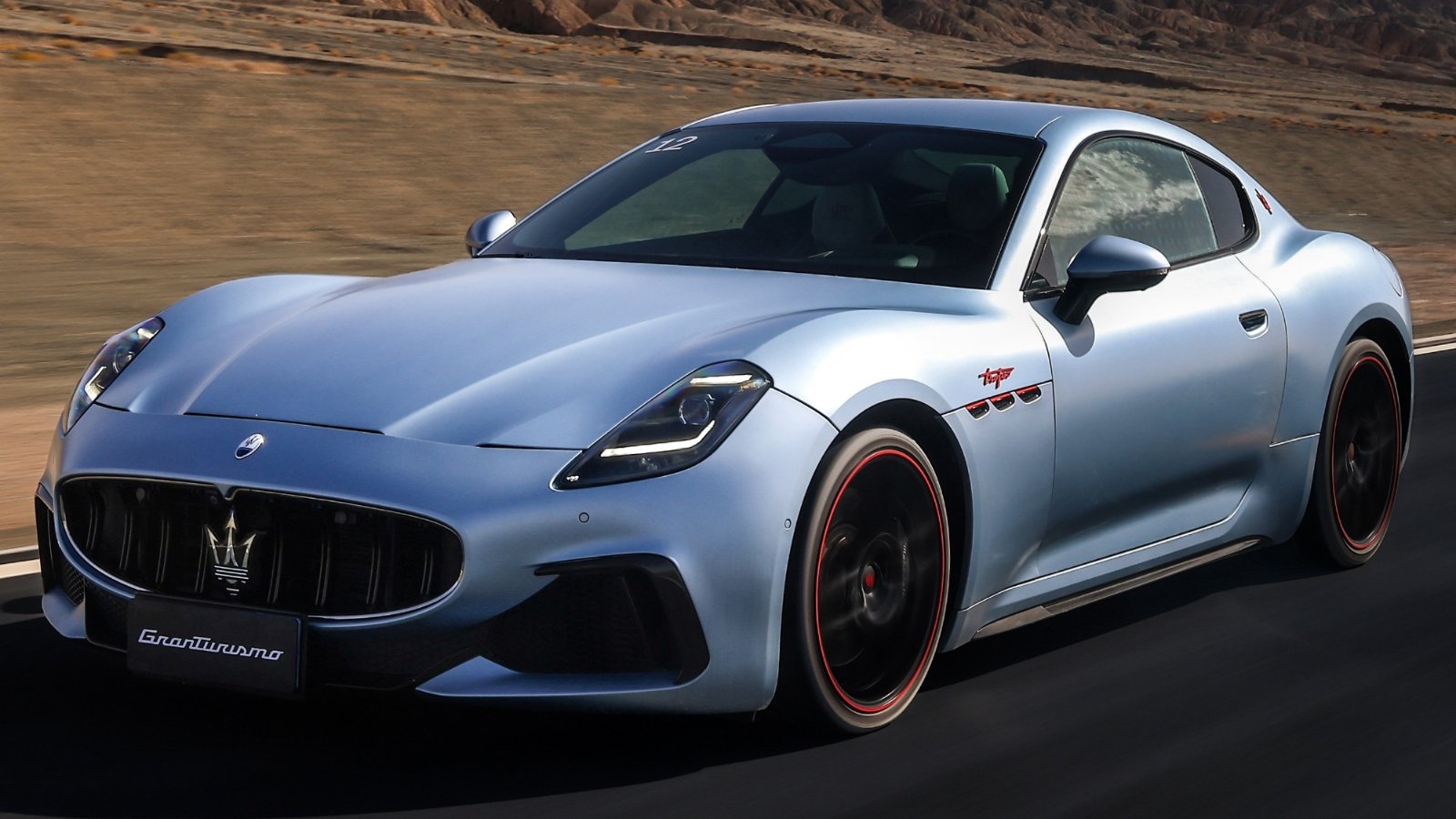
The report said the SUV will supplement the market coverage of Maserati's existing Grecale Folgore, while the GT will strengthen the presence and sporty brand positioning of the segment where the GranTurismo Folgore competes. The report did not disclose the specific launch timing of the two models, nor whether the parties have signed a final commercial agreement.

The overseas production plan uses the SKD (semi-knocked-down) model: the body-in-white is manufactured in Hefei, China, and then a factory in Italy completes the luxury interior assembly and tuning. The report said this arrangement is intended to reduce costs while retaining the luxury positioning and making greater use of Maserati's plants in Cassino and Modena. On the overseas sales side, Maserati will have greater decision-making authority, with initial target markets including the Middle East, Italy, France, and Germany.
This is not the first time the cooperation has been reported. On May 13, another Chinese media outlet, Yunjian Insight, reported that Huawei, JAC, and Stellantis, the parent company of Maserati, were in talks to jointly develop new energy vehicles: Huawei would lead product definition and provide core technology, JAC would be responsible for joint development and manufacturing, and Maserati would provide styling and brand support. The report at the time said the related models would be branded as Maextro in China and wear the Maserati badge overseas, with the first model expected to enter mass production in the second half of 2027. The latest Auto Time report also said that JAC would be responsible for vehicle engineering and complete manufacturing at its Maextro plant, while Maserati would provide styling and overseas sales channels.

The motivation for the cooperation comes from the business pressure on Maserati. According to Auto Time, the brand's global shipments in 2025 were less than 8,000 units, down more than 80% from its 2017 peak; its adjusted operating loss in 2025 was €198 million, with an adjusted operating margin of -27.3%.
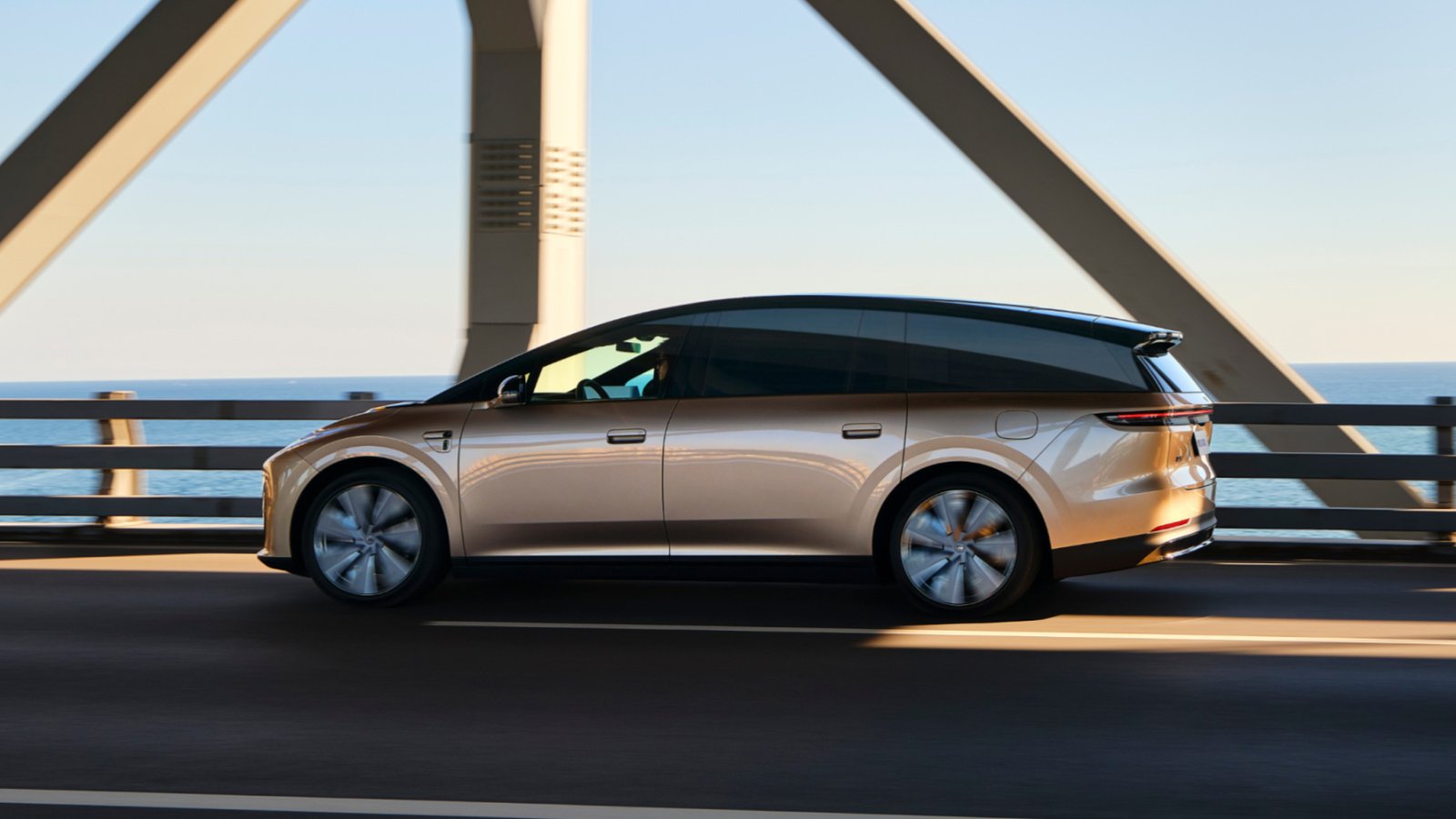
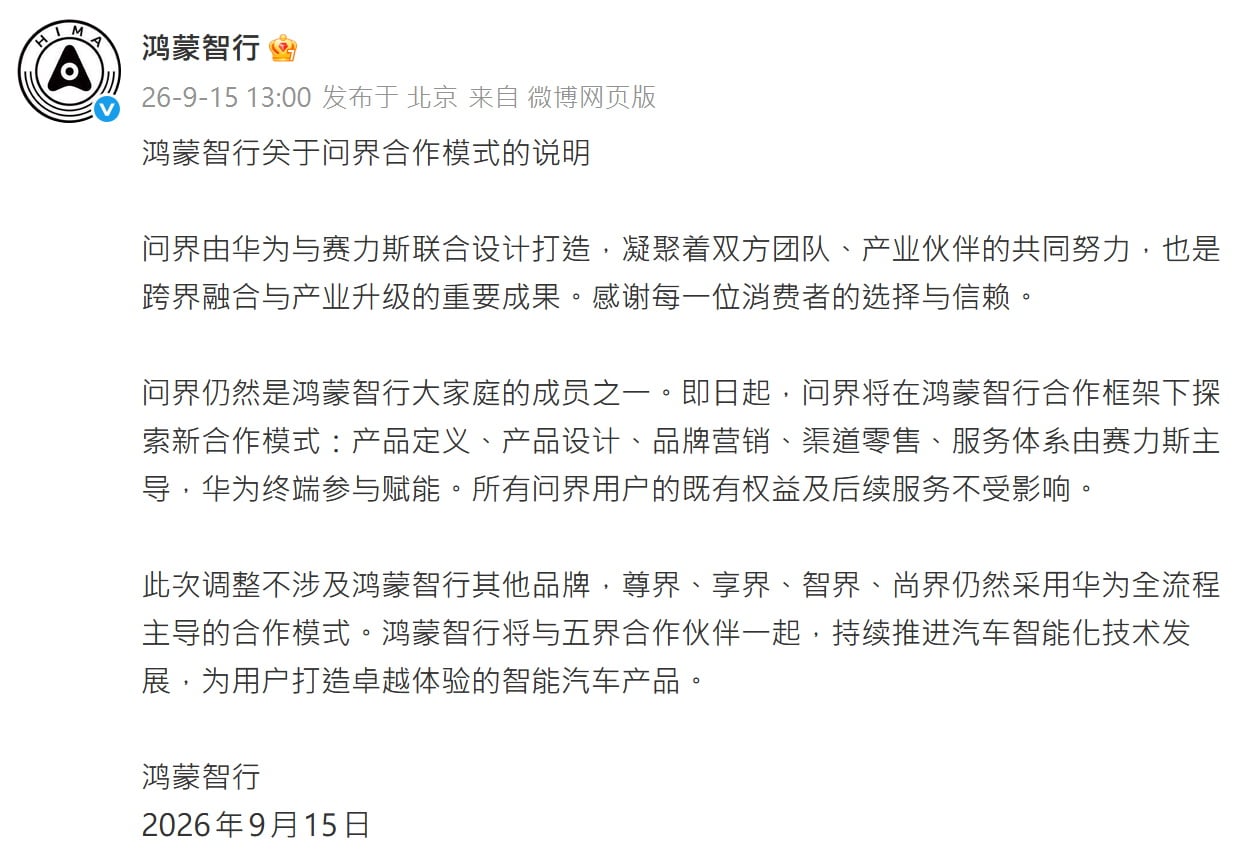
On Huawei's side, the Maextro brand has entered China's high-end car market. As part of Huawei's Harmony Intelligent Mobility Alliance (HIMA) system, Maextro's first model, the S800, was launched in May 2025; in August this year, Maextro added the V680 and V800 extended-range MPVs, expanding its product line from luxury sedans to the business travel market.
Shared External Variables for the Two Paradigms
From the perspective of going overseas, the two paths face the same set of external conditions. On policy, Thailand's finance minister said the government is considering raising the excise tax on fully imported EVs to about 30%, with a final plan possibly announced this month; the current rate is about 10%. The new policy is intended to push automakers from import sales toward local assembly and manufacturing, and will directly affect the pace of product introduction and investment in Thailand by Chinese brands, Japanese automakers, and other foreign companies.
In North America, the United States is asking Mexico to impose stricter rules of origin and regional value content on AI hardware when updating the USMCA. Although the measures directly target AI hardware, the related rules may in the future extend to electronic devices, medical equipment, and intelligent automotive components; cross-border supply chains involving domain controllers, automotive chips, and intelligent driving computing platforms could all be affected. In addition, foreign automakers such as Nissan, Hyundai, and Toyota have privately warned that if the USMCA is not renewed or is substantially weakened, they may withdraw their cheapest models from the U.S. market.
For the Geely model, the variable lies in whether the joint venture partner's capacity arrangements and the tariff environment can match its product introduction pace; for the Maserati model, the variable lies in origin determination under the SKD model, brand ownership, and the division of channel leadership, as well as whether the parties can turn the talks into a final commercial agreement.
Neither path has yet reached its endpoint: the implementation effect of the Brazil joint venture investment needs to be observed through capacity utilization and sales conversion, while the Maserati project remains at the level of media reports and industry sources. What can be confirmed is that the form of cooperation between Chinese automakers and foreign brands is evolving from complete vehicle exports toward a division-of-labor combination of technology, manufacturing, and channel capabilities.