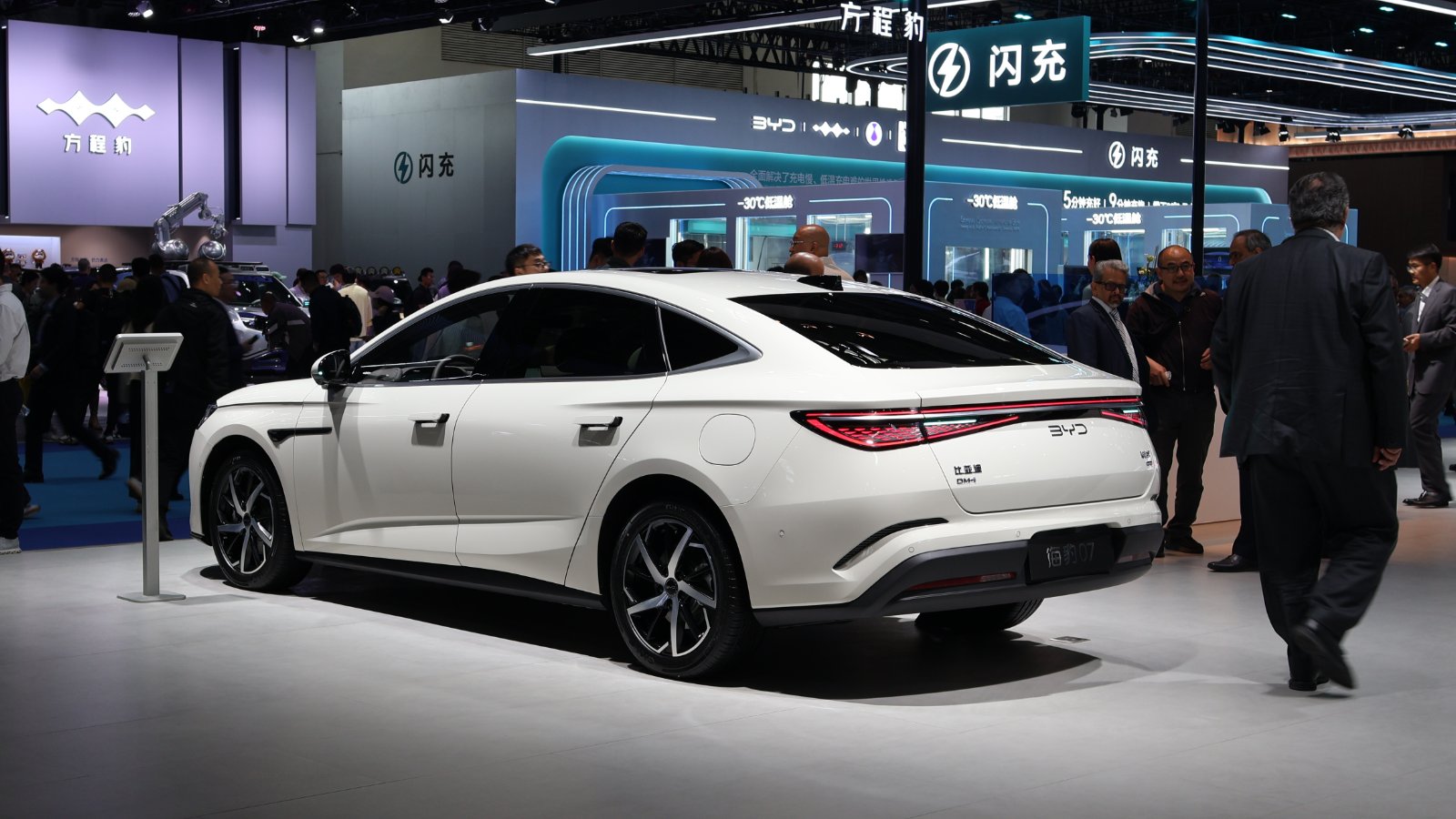
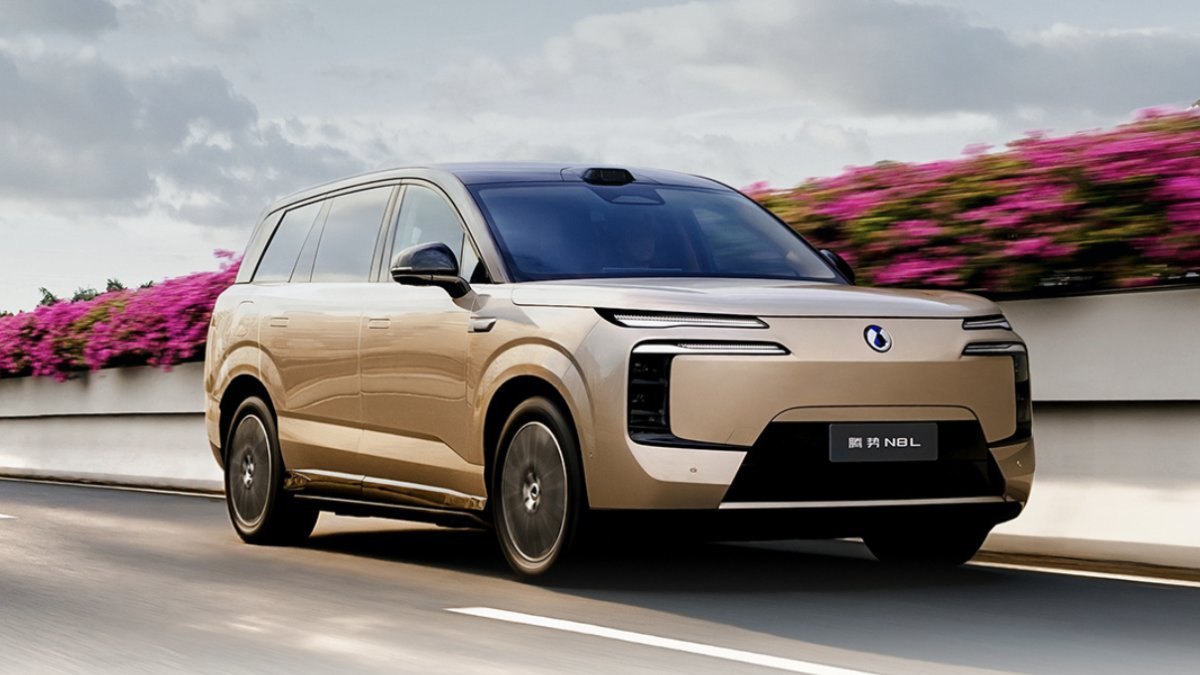
Thailand's finance minister said Thailand is finalizing an excise tax of about 30% on fully imported electric vehicles, compared with the current rate of about 10%. The new plan sets three excise tax tiers: fully imported vehicles at the highest rate, locally produced vehicles at the lowest, and locally assembled vehicles in the middle. Constrained by free trade agreements, Thailand cannot directly raise tariffs, so it is turning to excise taxes to encourage local investment and supply chain localization. Currently, nine electric vehicle manufacturers produce in Thailand, and some Chinese and European automakers plan to invest in Thailand to enjoy lower tax rates. The final rates are expected to be decided this month.
Thailand's Finance Minister Ekniti Nitithanprapas said in an interview with Bloomberg TV on September 15 that Thailand may impose an excise tax of about 30% on fully imported electric vehicles (EVs). When asked whether the rate would fall in the 31% to 32% range, he said it would be roughly around 30%. He also said the government is finalizing the final rate with the auto industry and a decision could be made as early as this month.
For reference, Thailand's current excise tax on imported EVs is about 10%. This means the tax burden on the fully imported vehicle route could rise by about 20 percentage points, while the policy design itself is not a single rate but a tiered system based on production depth.
Three-Tier Tax Rates: Using Excise Tax to Replace Tariffs
According to Ekniti Nitithanprapas, the new plan was approved in principle last week by Thailand's EV policy committee and will set three excise tax tiers: fully imported EVs will face the highest rate, locally produced models in Thailand the lowest, and locally assembled models that rely on imported parts for some components will fall into the middle tier.
The policy context for this design is the limited availability of tariff tools. Ekniti Nitithanprapas said that due to free trade agreement constraints, Thailand cannot directly raise tariffs, so excise tax has become a policy tool to support local manufacturers. He summed up the policy intent in one sentence: "We need to protect local investment."

From a policy perspective, this marks a shift in Thailand's EV strategy. Previously, the relatively low import threshold allowed a large number of affordable Chinese EVs to enter the Thai market, intensifying local price competition and putting pressure on its large automotive manufacturing industry. Thailand hopes to use tax measures to encourage automakers to increase local investment and deepen the development of its domestic supply chain.
Cost Gap Between the Two Paths and Automakers' Response
The three tax tiers in effect create a cost gradient for different market entry methods: fully imported vehicles bear the highest tier, local assembly (with some imported parts) sits in the middle, and local production the lowest. For Chinese brands entering the Thai market through fully built-up vehicle exports, the tax increase directly affects their end-pricing room; while companies that have already invested or plan to produce in Thailand can gain a relative cost advantage through the tier difference.
Thailand has already observed this incentive effect. Ekniti Nitithanprapas revealed that some automakers currently importing vehicles from China and Europe have proactively approached the Thai government and plan to invest in Thailand to obtain lower excise tax treatment. He also pointed to the threshold: "These companies want to come and invest and enjoy preferential policies, but they need to increase their investment in Thailand and use the local Thai supply chain."
In other words, the gap between the middle tier and the lowest tier is not just a difference between assembly location and production location; it also involves the degree of parts localization and the scale of investment.
Nine Automakers Already Produce in Thailand; Supply Chain Localization Remains a Barrier
Thailand is Southeast Asia's largest automotive production base. Building on decades of accumulated Japanese capital, the country has established a relatively complete component supply network. In recent years, Chinese automakers have invested billions of dollars in EV plants in Thailand, and Thailand hopes to use the EV transition to preserve the foundation of its own automotive manufacturing industry.
Ekniti Nitithanprapas said that nine EV manufacturers have already begun production in Thailand, with some also exporting locally made vehicles overseas. The Thai government has designated EVs and other future mobility industries as one of seven priority industries driving the next stage of economic growth.
For automakers considering switching from complete vehicle exports to local assembly, the intermediate tax tier offered by the policy is transitional in nature; however, the ability to source local components for the assembly stage and the extent to which Thailand's existing supply chain covers the electric drive and battery segments remain key variables determining whether they can move further down to the lowest tier.
Regional comparison: localized production becomes a common option
Thailand is not alone. In international automotive industry developments during the same period, the capacity decisions of several automakers point to the same logic — using local production to hedge against trade policy risks.
Geely is considering producing its flagship body-on-frame plug-in hybrid SUV at Ford's plant in Spain to avoid the EU's impending tariffs on China-made plug-in hybrid vehicles; Renault and Geely, through their joint venture, are making a new round of investment of 319 million euros (about 340 million US dollars) in Brazil, bringing their total investment in Brazil between 2025 and 2027 to 899 million euros. This gives Geely access to Brazil's existing plants and dealer network, while Renault can make fuller use of its vehicle assembly plant capacity.
These cases and Thailand's three-tier excise tax scheme point to the same change in the policy environment: under the adjustment of trade tools such as tariffs and excise taxes, the competitiveness of product exports is increasingly tied to where production capacity is located.
Points to watch going forward
Whether Thailand's three-tier excise tax scheme can be finalized this month and how the specific rates for each tier will be divided will directly determine the cost trade-offs Chinese brands face between the two paths of "complete vehicle export" and "local assembly." Meanwhile, whether Thailand's domestic supply chain can take on larger-scale demand for EV components, and whether the nine manufacturers already producing in Thailand will further increase their share of localized procurement, are important indicators for judging the actual effects of this policy shift.