In September 2026, General Motors announced it would reintegrate Apple CarPlay, with the new split-screen interface to be used first in the 2027 Chevrolet Silverado and GMC Sierra pickups. In the same period, Maserati plans to partner with Huawei and JAC, adopting the HarmonyOS Intelligent Mobility platform, intelligent driving and electric drive technologies, and JAC manufacturing to restart its pure electric models through SKD final assembly in Italy. In 2025, Maserati's global shipments were less than 8,000 units, with an adjusted loss of 198 million euros and a negative profit margin of 27.3%. The two cases show that the reverse export of Chinese automotive technology is accelerating, but the results remain to be tested.
In September 2026, two pieces of news from different markets pointed in the same direction: on one hand, General Motors reintegrated Apple CarPlay after setbacks in its in-house cockpit strategy; on the other, Maserati plans to leverage Huawei's intelligent platform and JAC's manufacturing capacity to relaunch electric models for the global market. Foreign automakers making concessions to smartphone giants in software ecosystems and drawing on Chinese technology and production capacity for electrification form an industry cross-section of China's automotive technology “reverse export,” yet the boundaries and risks involved are equally worth documenting.
General Motors: A Course Correction in Its In-House Cockpit Strategy
According to Bloomberg, General Motors will reintegrate Apple CarPlay into its latest in-vehicle infotainment system. Three years ago, GM removed this widely popular connectivity feature from its electric vehicles, drawing dissatisfaction among some consumers.
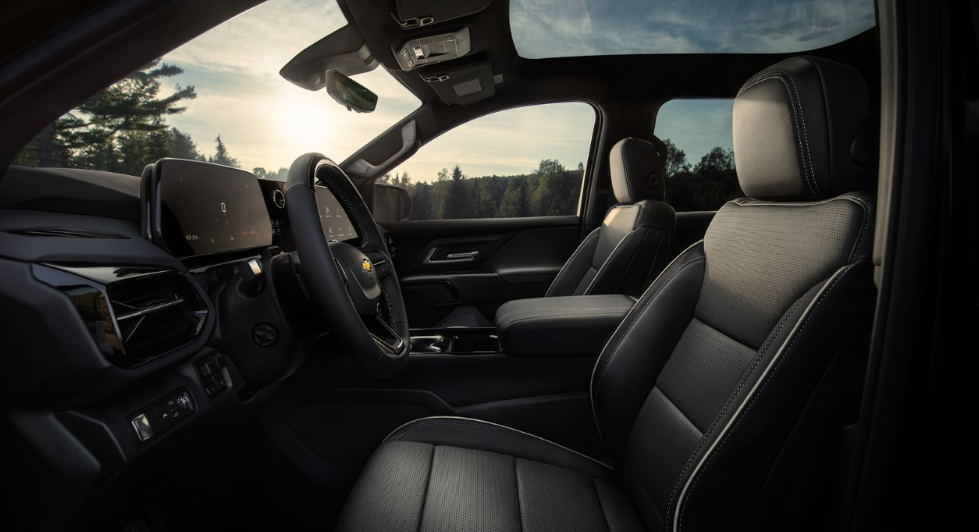
GM said the new system allows drivers to use CarPlay or Google Android Auto, adopts a split-screen display, and simultaneously shows fuel level, tire pressure, Super Cruise advanced driver assistance status, and trailer-related information on the screen. The split-screen design is intended to let drivers operate vehicle functions and phone apps simultaneously without frequently switching interfaces.

According to the schedule GM announced on September 15, this human-machine interface will first appear later this year on the 2027 model-year Chevrolet Silverado and GMC Sierra pickups. The vehicles will feature a combined 60 inches of displays, and the front passenger screen can play video content; it will gradually roll out to more models later.
Notably, GM had not previously dropped CarPlay from its gasoline vehicles, but executives had said they planned to phase out the feature. This move prompted many GM owners to speak out on social media, expressing frustration over being unable to project iPhone apps onto the vehicle screen. Alternatives have also emerged in the market—a manufacturer called EVPlay launched an external device that enables screen projection for GM electric vehicles and Rivian models that also do not support CarPlay.
GM's in-house in-vehicle infotainment system was originally part of its vehicle software platform, intended to gradually abandon phone projection solutions in order to create an integrated system deeply connected with vehicle instruments and control systems, and to tap into software service revenue. This new CarPlay interface was jointly developed by both parties, indicating that cooperation between GM and Apple has deepened further. Michael Wahlstrom, GM's executive director of connected applications and services, said in an interview: “We listen to our customers. Going forward, our pickup models will still retain phone projection. We worked with Apple and Google to jointly develop a new split-screen interface, so the phone projection experience and the native vehicle system can be displayed on the same screen.” However, he did not disclose whether GM would restore CarPlay on electric vehicles. Currently, GM EVs still use the in-house system, with some iPhone apps built in; at the end of 2025, GM reached a partnership to integrate Apple Music into EVs that do not support CarPlay.
After the news was released, GM shares rose slightly by less than 1% in New York premarket trading to $87.43.
Maserati: Technology and Production Capacity as a Complement Beyond Design and Channels
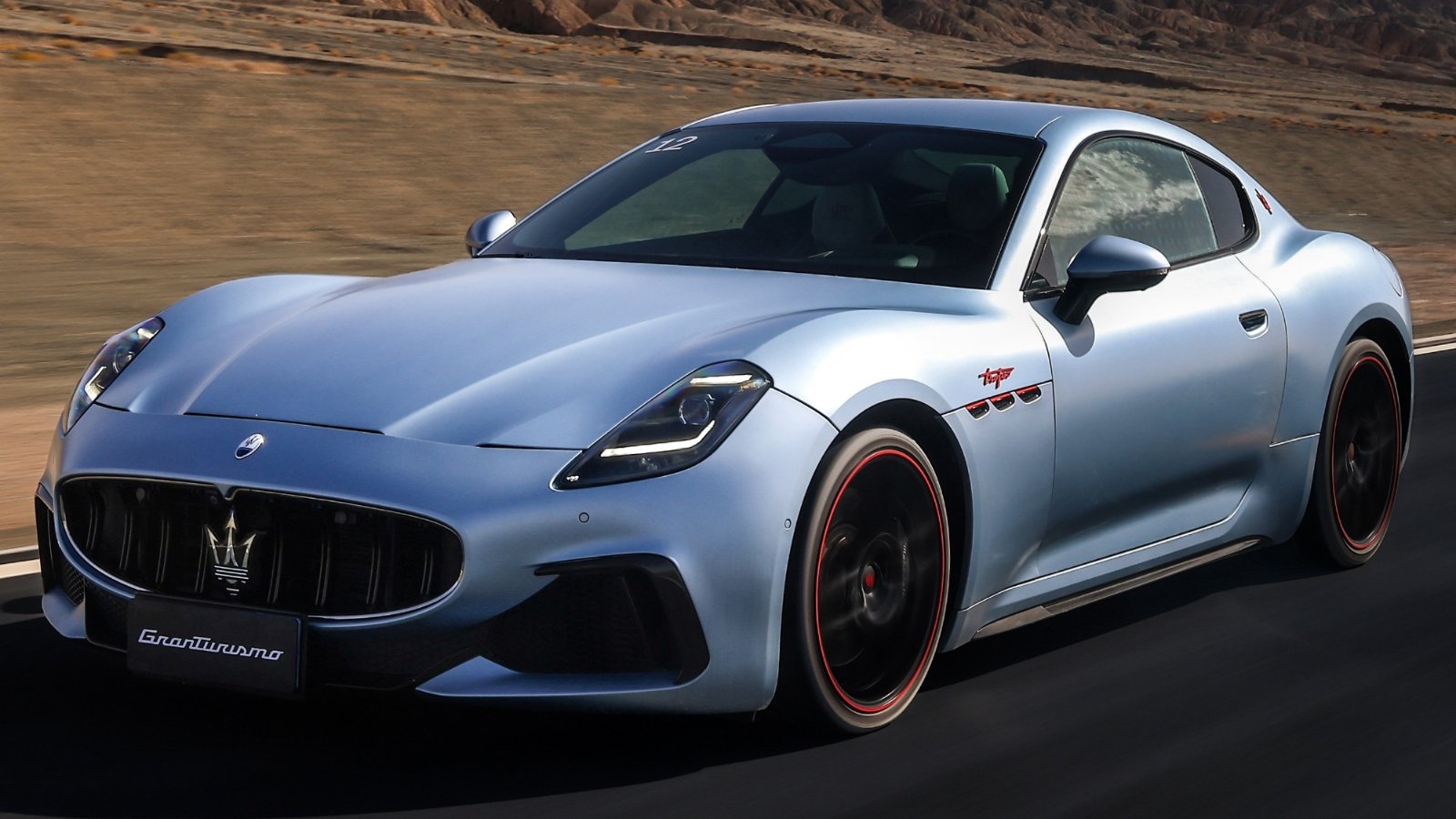
Another path appears at the luxury brand end. According to Future Cars Daily, citing industry insiders, Maserati has finalized plans for two all-electric models: a mid-to-large all-electric SUV and a large all-electric GT. The SUV is positioned as a strategic complement to the existing Grecale Folgore, while the GT is intended to carry on the brand's sporting DNA as represented by the GranTurismo Folgore. An insider said that current internal discussions lean toward making the all-electric GT the first product of this collaboration.
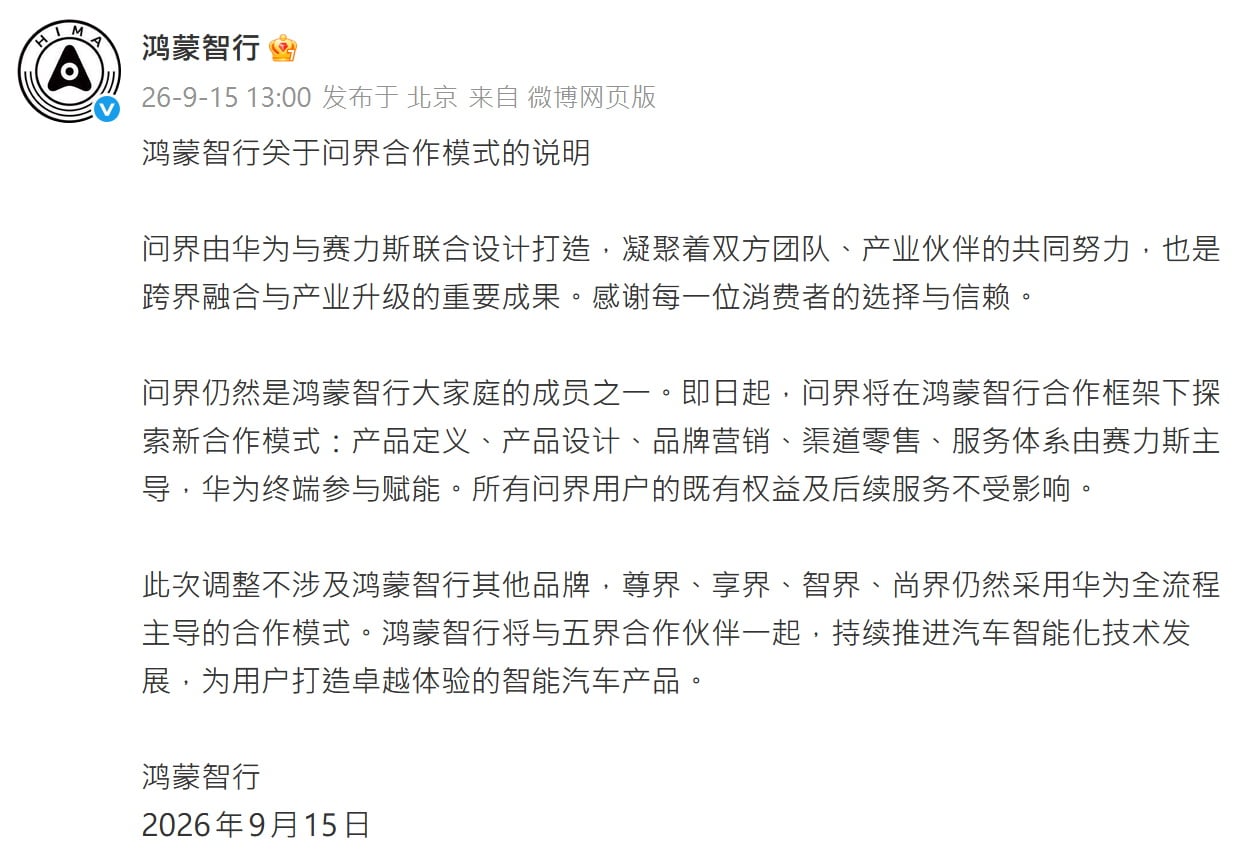
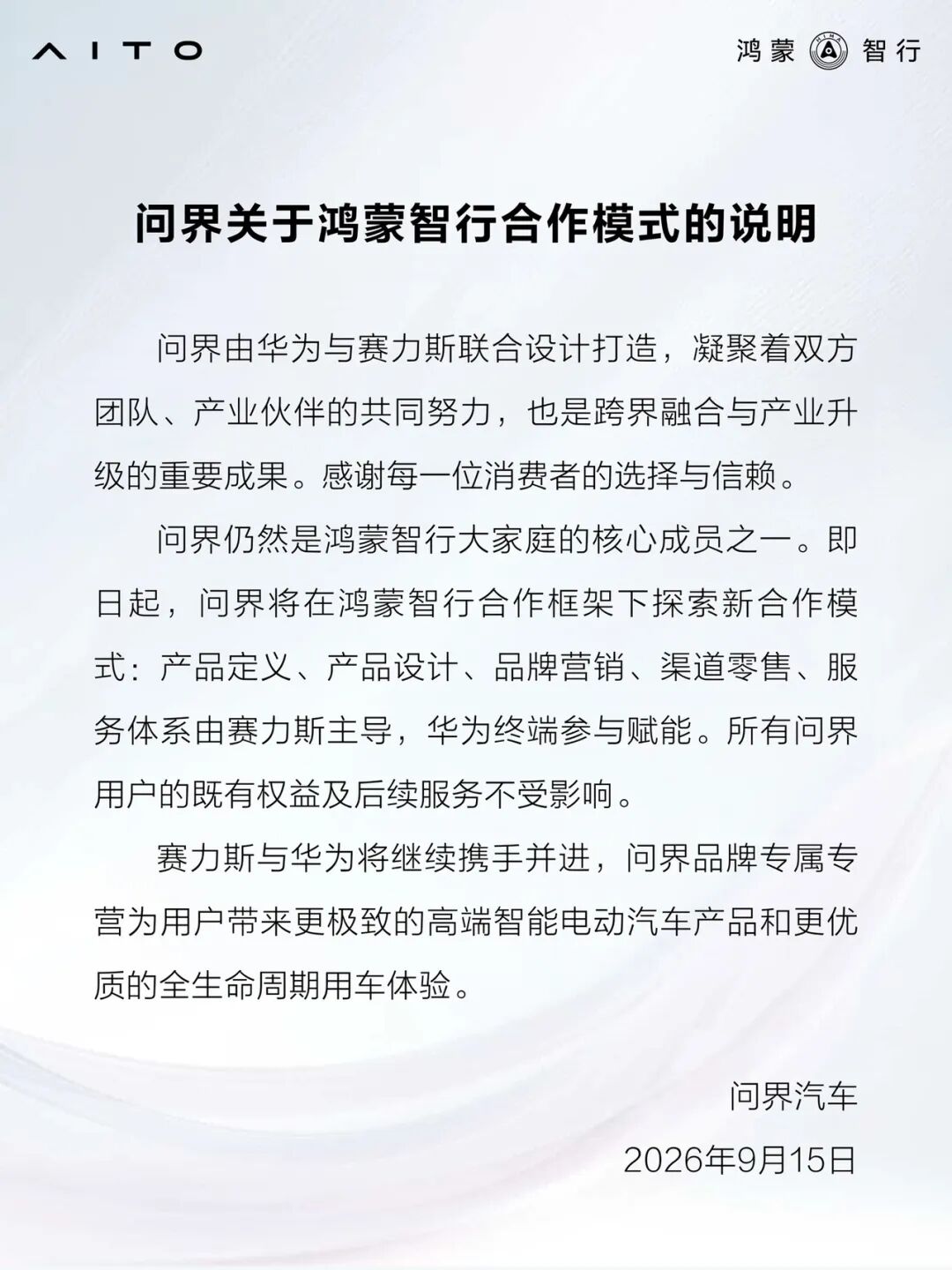
This collaboration features a separation of technology and brand in its division of labor: Huawei provides the HarmonyOS Intelligent Mobility platform, including the smart cockpit, Qiankun ADS intelligent driving system, and electric drive technology; JAC Motors leverages its Maextro super factory to handle vehicle engineering and manufacturing; Maserati contributes its century-old design language and existing global sales channels. Under a "dual-brand" strategy, the new vehicle will be sold in the Chinese market under the Maextro brand, while retaining the Maserati badge in overseas markets.

To balance cost efficiency and luxury attributes, Maserati plans to adopt an SKD (semi-knocked-down) export model: the body-in-white will be produced at JAC's Hefei plant, then shipped to Italy for final assembly, including luxury interior installation and chassis tuning. Sources said Maserati retains considerable decision-making power over international distribution, with initial target markets including the Middle East, Italy, France, and Germany. Another intention behind this arrangement is to revitalize the production capacity of Maserati's historic plants in Cassino and Modena.

For Maserati, the room for choice is not ample at this point. In 2025, the brand's global shipments were fewer than 8,000 units, down about 80% from its 2017 peak and the lowest level in more than a decade; its adjusted operating loss was €198 million, with a profit margin of -27.3%. Stellantis CEO Antonio Filosa previously acknowledged the need to bring in an industrial partner to secure its future without selling the brand. By integrating Huawei's intelligent technology and JAC's manufacturing capabilities, Maserati hopes to make up for shortcomings in R&D and digital transformation.

What the Two Paths Point to in Common and the Unresolved Variables
Putting the two pieces of news together, one can see that foreign automakers are making concessions with different orientations on two types of issues. On the software ecosystem level, General Motors once tried to replace smartphone projection with its own system and control the in-car service gateway, but in the face of user feedback and product cadence, it returned to the track of jointly developing a split-screen interface with Apple and Google—the division of dominance between automakers and smartphone makers has yet to form a stable answer.
At the electrification level, Maserati’s path is more thoroughgoing: its smart platform, intelligent driving system, electric drive, and body-in-white manufacturing all come from Chinese partners, while it retains design and global channels and completes final assembly in Italy under the SKD model. This arrangement not only lowers R&D and manufacturing costs, but also to some extent avoids the trade and compliance friction faced by vehicle exports, while maintaining the “Made in Europe” brand narrative.
The variables to watch are equally clear. For GM, whether it restores CarPlay in its EVs remains an undisclosed question; for Maserati, annual sales of less than 8,000 units and a -27.3% profit margin mean that a brand revival depends not only on whether technology and production capacity gaps can be closed, but also on whether new products can re-establish reasonable pricing and positioning in target markets. The “reverse export” of Chinese technology and production capacity has entered the implementation stage, but its commercial results still need time to be tested.