The EU plans to extend trade restrictions from pure electric vehicles to hybrid vehicles. The Financial Times reports that the EU is seeking to negotiate a voluntary limit by China on hybrid vehicle exports to Europe, and may impose additional tariffs if no agreement can be reached. Currently, Chinese-made hybrids are subject to a 10% tariff on exports to Europe, while pure electric vehicles face up to about 45%. EU imports of hybrids from China rose from 3,800 units in October 2024 to 50,000 in July 2026, with average prices falling over the same period. The EU's trade deficit with China is about 1 billion euros a day on average, and Trade Commissioner Sefcovic is expected to visit China in October for consultations; the outcome of the negotiations will affect the cost structure of Chinese automakers in Europe.
The EU is extending pressure in its auto trade with China from battery electric vehicles to hybrid vehicles. The Financial Times reports that the EU is seeking to negotiate voluntary restrictions by China on exports of hybrid vehicles to Europe; if no agreement can be reached, it may impose additional tariffs. An EU official said that if China does not restrict exports, the EU will take action, with the goal of "stopping deindustrialization."
From BEVs to Hybrids: Extending the Scope of Restrictions
In October 2024, the EU already imposed countervailing duties on China-made battery electric vehicles, with rates of up to about 45%; hybrid vehicles currently face only a 10% tariff. Since then, China's BEV exports to Europe have grown modestly, while hybrid imports have climbed rapidly, becoming a new focal point in the auto trade dispute.
In fact, since the start of this year, several reports have mentioned that the EU is considering imposing additional tariffs on Chinese hybrids, but the relevant measures have not yet materialized. This reference to "voluntary export restrictions" means that, in addition to tariff increases, the policy toolbox now includes a path of using negotiations to secure quantitative constraints.
From 3,800 to 50,000 Units: A Steep Curve
According to Financial Times data, EU imports of hybrid vehicles from China rose from 3,800 units in October 2024 to 50,000 units in July 2026, while average prices declined over the same period. The report, citing people familiar with the matter, said that after Chinese hybrid imports hit a high in the second quarter, the EU faces pressure to act.

The inverse movement of import volumes and average prices is the core backdrop of this round of friction: with the BEV category already covered by high tariffs, hybrids, with their relatively low tariff burden, have created a de facto price channel, and the sales curve has risen accordingly.
10% vs. 45%: The Channel Effect of the Tariff Gap
For automakers, the roughly 35-percentage-point tariff gap between hybrids and BEVs directly affects the sequencing and pace of model launches. If hybrids are also brought into a higher tariff bracket, the EU's category coverage of Chinese automakers will tighten further, making clear the path of "BEVs already tariffed, hybrids becoming the new focal point."
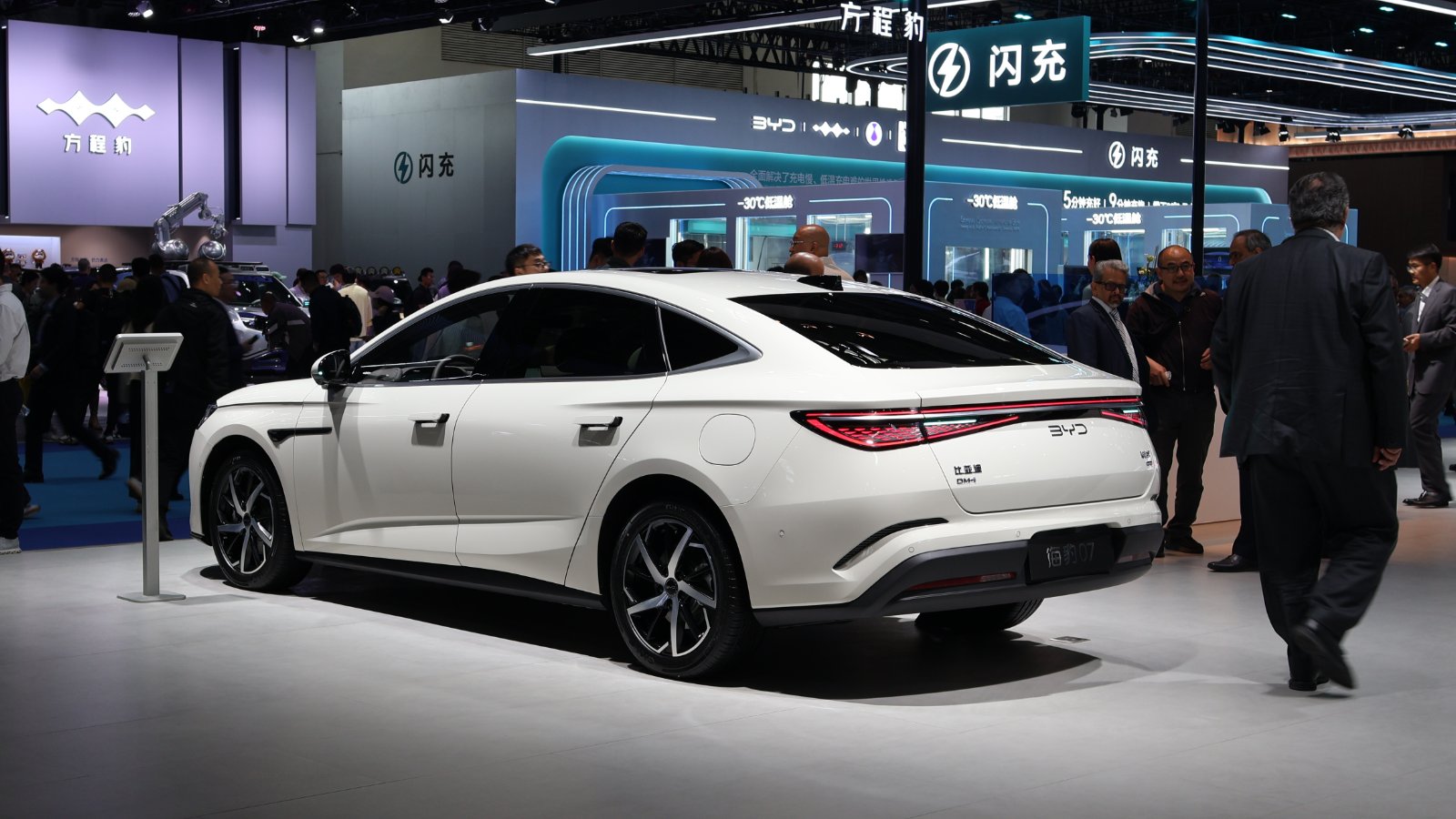
It should be noted that in the product mix of Chinese automakers in Europe, plug-in hybrids and range-extended models occupy a considerable position. Take BYD as an example: plug-in hybrid models such as the Seal 07 DM-i were displayed at the April 2026 Beijing Auto Show, but their specific sales figures in the European market were not disclosed in this source and still await verification by subsequent data.
Bargaining Chips at the Negotiating Table
Autos are not the EU's only demand. According to the report, the EU is also asking China to exercise restraint in exports of chemicals and other products, and to increase purchases of European goods. In June this year, the EU called for "tangible results" by October in narrowing the trade deficit with China, and the two sides are discussing market access issues through the China-EU Trade and Investment Consultation (TIC) mechanism.
European Commission President Ursula von der Leyen said the EU's trade deficit with China is about €1 billion per day, which has reached a critical point, and the EU will use available tools to rebalance the relationship. According to reports, EU Trade Commissioner Maroš Šefčovič plans to hold a call with Chinese Commerce Minister Wang Wentao and is expected to visit Beijing in the second week of October.
Germany and France are moving toward consensus on taking tougher measures, while the European Commission hopes to reach an export-restriction agreement through negotiations. The report also noted that the EU hopes voluntary export restrictions will encourage Chinese automakers to increase investment in Europe or form partnerships with local manufacturers, echoing the approach taken by Japanese automakers at the time.
A contest under rising export dependence
Overseas markets are playing a growing role in supporting the growth of China's auto industry. Data from the China Association of Automobile Manufacturers show that in August China exported 1.01 million vehicles, up 65.3% year on year; of these, exports of new energy vehicles were 526,000, up about 130% year on year, accounting for about 52.1% of total vehicle exports that month. The above figures cover China's global exports, not only those to the EU. In the same period, domestic NEV sales fell 4.6% year on year.
In addition, the new guidelines require automakers to avoid frequent and sharp adjustments to overseas prices and to respect local dealers' pricing autonomy.

Which category will be tariffed next?
Based on currently public information, several indicators can be observed to judge whether a category may become the next target: first, the tariff gap relative to already-tariffed categories; second, the slope of import volume growth; third, the direction of change in average import prices; and fourth, local industry employment and capacity utilization. Hybrid vehicles have been pushed to the center of the negotiating table precisely because of their clear tariff gap and steep import growth.
At present, no substantive tariff measures targeting hybrids have been introduced. The outcome of the negotiations and the progress of China-EU consultations in October will determine whether the cost structure of this category in the European market is reassessed. For companies going global, the pace of switching tariff paths is becoming a variable as important as product cadence.