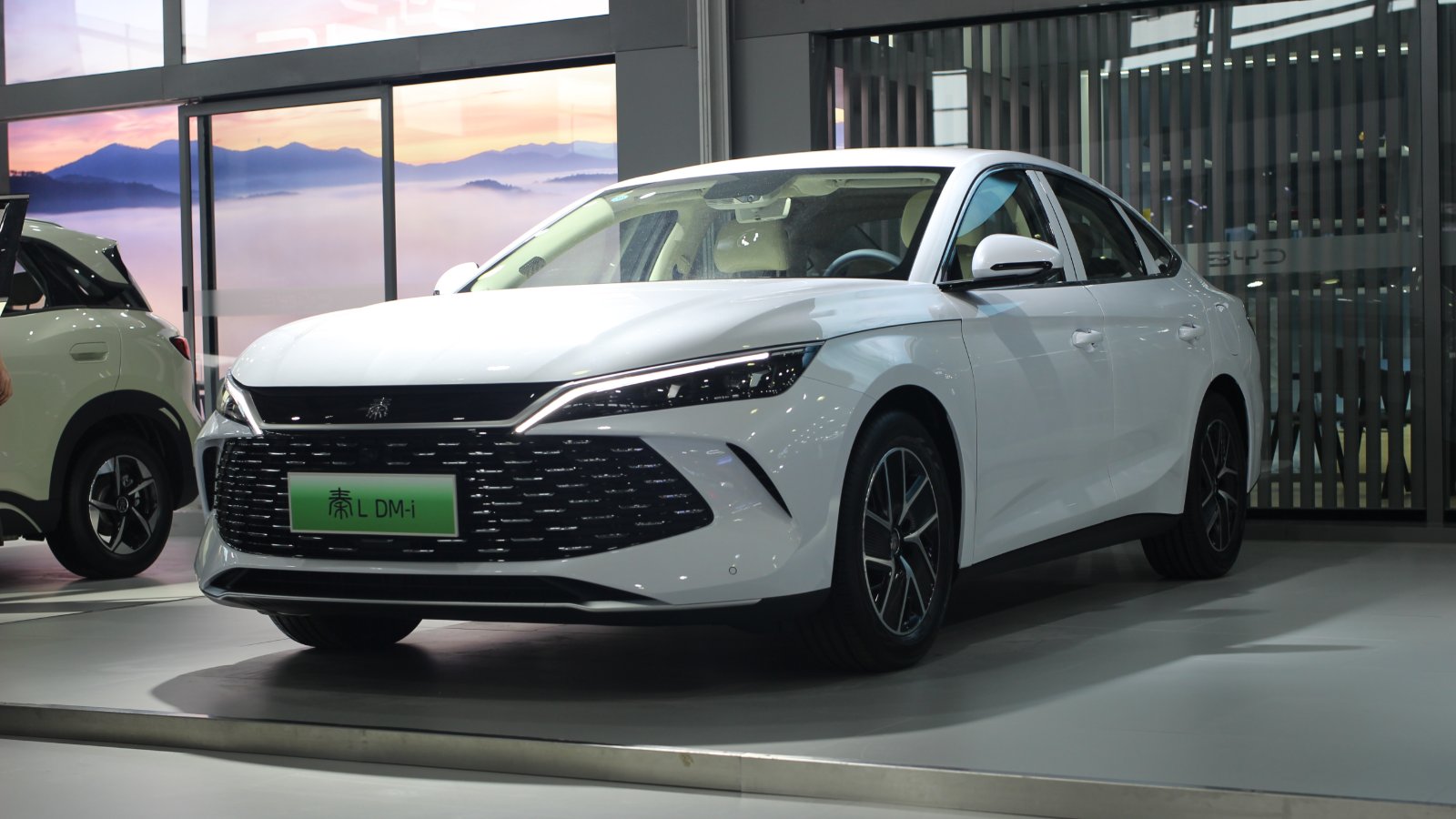
Xi'an upgraded its auto consumption subsidy policy starting August 1, offering individual buyers a 2% subsidy on NEV purchases, capped at ¥10,000.
Local Subsidies Ramp Up: Xi'an Sends a Consumption Signal
In the second half of 2026, China's new energy vehicle (NEV) market has entered an adjustment period. Against this backdrop, local government consumption stimulus policies have become a key variable for activating market demand. Xi'an, as an important automotive consumption market and industrial hub in western China, is sending a clear policy signal with this subsidy upgrade.
Core Policy Points
The main contents of Xi'an's auto consumption subsidy policy include:
- Subsidy Target: Individual consumers purchasing new energy passenger vehicles listed in the "New Energy Vehicle Models Eligible for Vehicle Purchase Tax Reduction/Exemption"
- Subsidy Standard: A subsidy of 2% of the purchase invoice price
- Subsidy Cap: Maximum subsidy of ¥10,000
- Effective Date: From August 1, 2026
This subsidy level means that consumers purchasing a ¥250,000 NEV can receive ¥5,000 in cash subsidies; those buying premium NEVs priced at ¥500,000 or above can receive the maximum subsidy of ¥10,000.
| Purchase Price | Subsidy Amount | Subsidy Rate |
|---|---|---|
| ¥150,000 | ¥3,000 | 2% |
| ¥250,000 | ¥5,000 | 2% |
| ¥350,000 | ¥7,000 | 2% |
| Above ¥500,000 | ¥10,000 | ≤2% |
Stacking Effect: Dual Incentives Lower Purchase Barriers
Notably, this Xi'an local subsidy can be stacked with the national-level NEV purchase tax reduction policy. For consumers with budgets in the ¥200,000-300,000 range, the combination of local subsidy + tax exemption offers substantial actual savings.
From a market transmission perspective, local subsidies typically deliver effective short-term sales boosts. Historical data shows that whenever major cities introduce car purchase subsidies, monthly NEV sales in those cities often rebound noticeably.
Regional Demonstration and Market Outlook
Xi'an's subsidy upgrade not only benefits local consumers but may also create a demonstration effect for other cities in central and western China. In the second half of 2026, more cities are expected to follow suit with similar stimulus policies.
However, subsidy policies remain short-term measures. In the long run, charging infrastructure density, product iteration speed, and after-sales service quality are the core variables determining NEV penetration rates. Overseas buyers and dealers following the Chinese automotive market can track regional policy developments through EX1000.COM.