On September 18, the State Administration for Market Regulation issued a notice that NIO's Firefly is recalling 686 electric vehicles produced between March 20 and April 2, 2026, under recall number S2026M0114V because the steering column torque sensor wiring harness may interfere with the rotor and, in extreme cases, cause a loss of steering assist. NIO will inspect the harness free of charge and replace it as needed, and will notify owners via the App, text message, and phone. In terms of deliveries, Firefly delivered 5,852 vehicles in August, up 34.65% year on year, with cumulative deliveries of 40,795 in the first eight months of this year. The recall is limited in scale, but during the brand's ramp-up period it remains a test of quality control and user trust.
On September 18, China's State Administration for Market Regulation issued a notice that NIO (NYSE: NIO) has submitted a recall plan for some Firefly electric vehicles in China, with recall number S2026M0114V, effective from the date of the notice. This recall involves 686 vehicles, with production dates from March 20 to April 2, 2026.
Defect Mechanism: Wiring Harness and Rotor Interference
According to information disclosed in the notice, abnormal fluctuations during manufacturing may cause physical interference between the steering column torque sensor wiring harness and the rotor in some vehicles. In extreme cases, this interference can cause abnormal sensor signals, illuminate the electronic steering system warning light, and lead to loss of steering assist, thereby posing a safety risk.
Based on the official description, the issue is categorized as assembly consistency and manufacturing process fluctuation, and the scope is limited to a production window of about two weeks. Steering assist is a safety-related system directly linked to driving control; therefore, although the number of affected vehicles is limited, it is still included in the recall management procedure.

Remedy Plan: Free Inspection, Replacement as Needed
For vehicles within the recall scope, NIO stated it will inspect free of charge whether there is interference between the wiring harness and the sensor rotor, and replace the wiring harness on vehicles confirmed to have interference to eliminate the risk. The notice also mentioned that some vehicles have already completed the relevant inspection and repair and do not need repeat handling.
In terms of reaching users, NIO will notify affected vehicle owners through the mobile app, text messages, and phone calls, and arrange recall repairs. Owners can confirm with the brand whether their vehicle falls within the recall batch.
Cumulative Deliveries of 40,800 Units in First 8 Months
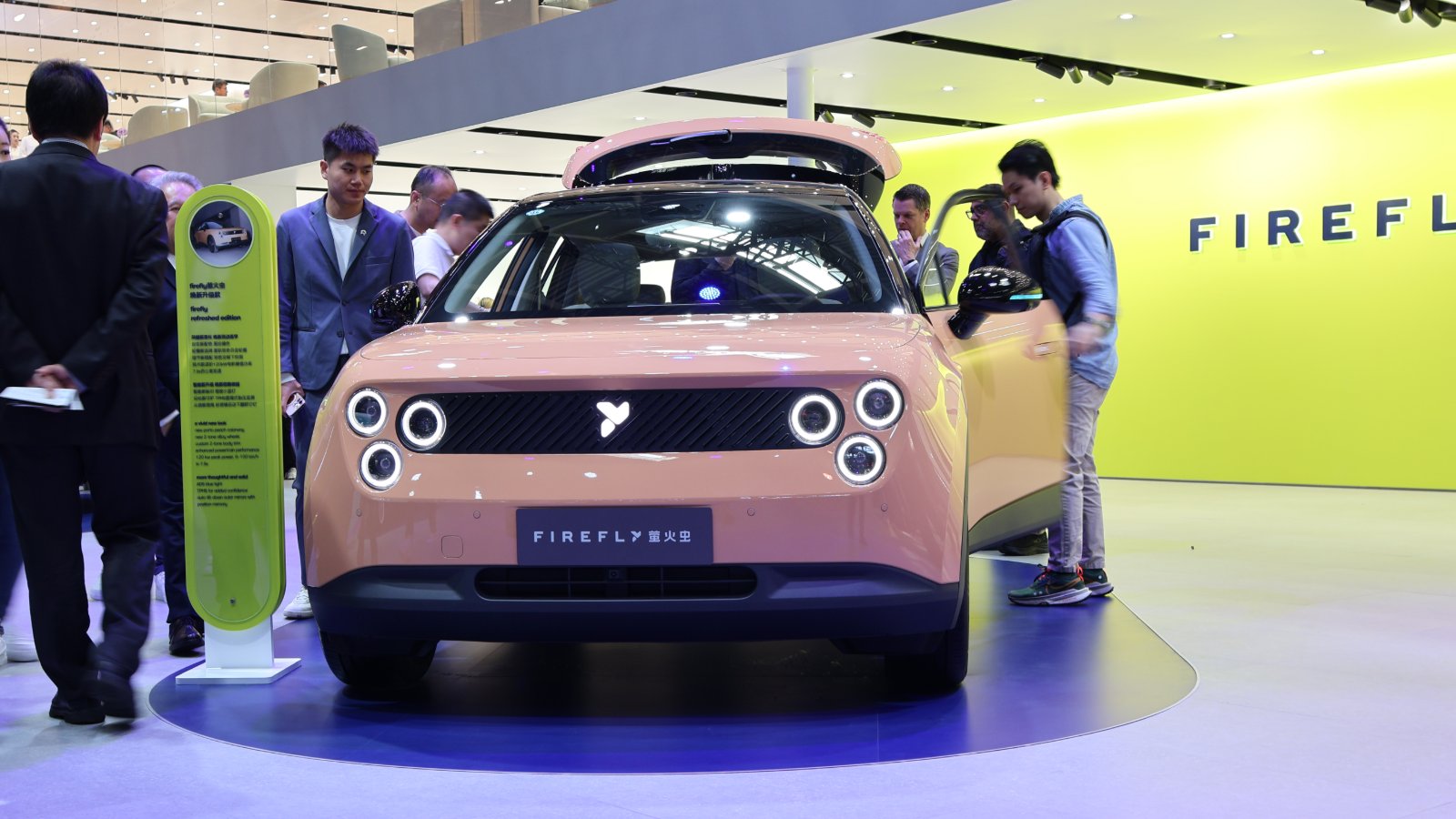
Firefly is NIO's small electric vehicle brand. It began deliveries on April 29, 2025, and currently has only one model in production.
Delivery data shows that Firefly delivered 5,852 vehicles in August, up 34.65% year-on-year and 1.40% month-on-month. In the first eight months of this year, the brand delivered 40,795 vehicles cumulatively. For a single-model product line that has been on the market for less than a year and a half, this scale means it has entered a relatively stable monthly delivery cadence.
Shared Energy Replenishment Network Expands Use Cases
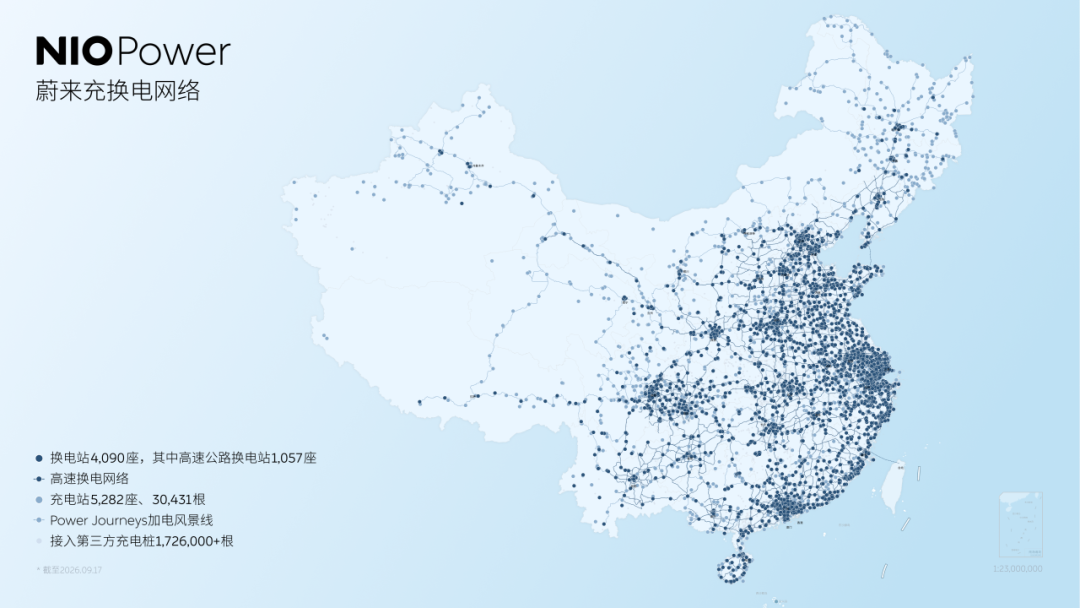
On the energy replenishment side, NIO's first batch of fifth-generation battery swap stations began operation on August 7, and Firefly was simultaneously connected to NIO's battery swap network. The new stations support a maximum wheelbase of 3.5 meters, allowing the three brands NIO, Onvo, and Firefly to share the same network, expanding energy replenishment options for Firefly owners.

A Real Test for Quality Control and Reputation
In terms of numbers, the recall scale of 686 vehicles is relatively limited, and the recall plan is mainly inspection and replacement as needed, so handling costs and execution difficulty are manageable. However, for a small electric vehicle brand still in its brand ramp-up phase and needing product reputation to drive growth, a recall involving the steering system is still a trust test that cannot be ignored.
On one hand, auto recalls are a routine quality management measure in mature markets; voluntarily reporting and disclosing the defect mechanism is generally regarded as a reflection of a company fulfilling its safety responsibilities. On the other hand, at a stage when user awareness of a new brand has not yet been fully established, any safety-related information is more likely to be amplified and overinterpreted. At such times, response speed, information transparency, and the convenience of repair execution often affect user evaluations more than the number of vehicles recalled itself.
From the timeline perspective, the effectiveness of this recall coincides with the brand's continuously rising delivery scale. Firefly achieved a year-on-year increase of 34.65% in August, while the convenience brought by the shared battery-swapping network is gradually being unlocked. Positive factors on the product side and negative disruptions on the quality control side exist simultaneously. Going forward, what is worth watching is: the recall completion rate, whether similar issues further expand, and the actual impact of this event on the delivery pace in September and beyond.