Top.Mail.Ru
logo

tariff policy

XPENG Unveils Vehicle Tech Platform in Paris, Shifting Overseas Strategy from Cars to Technology

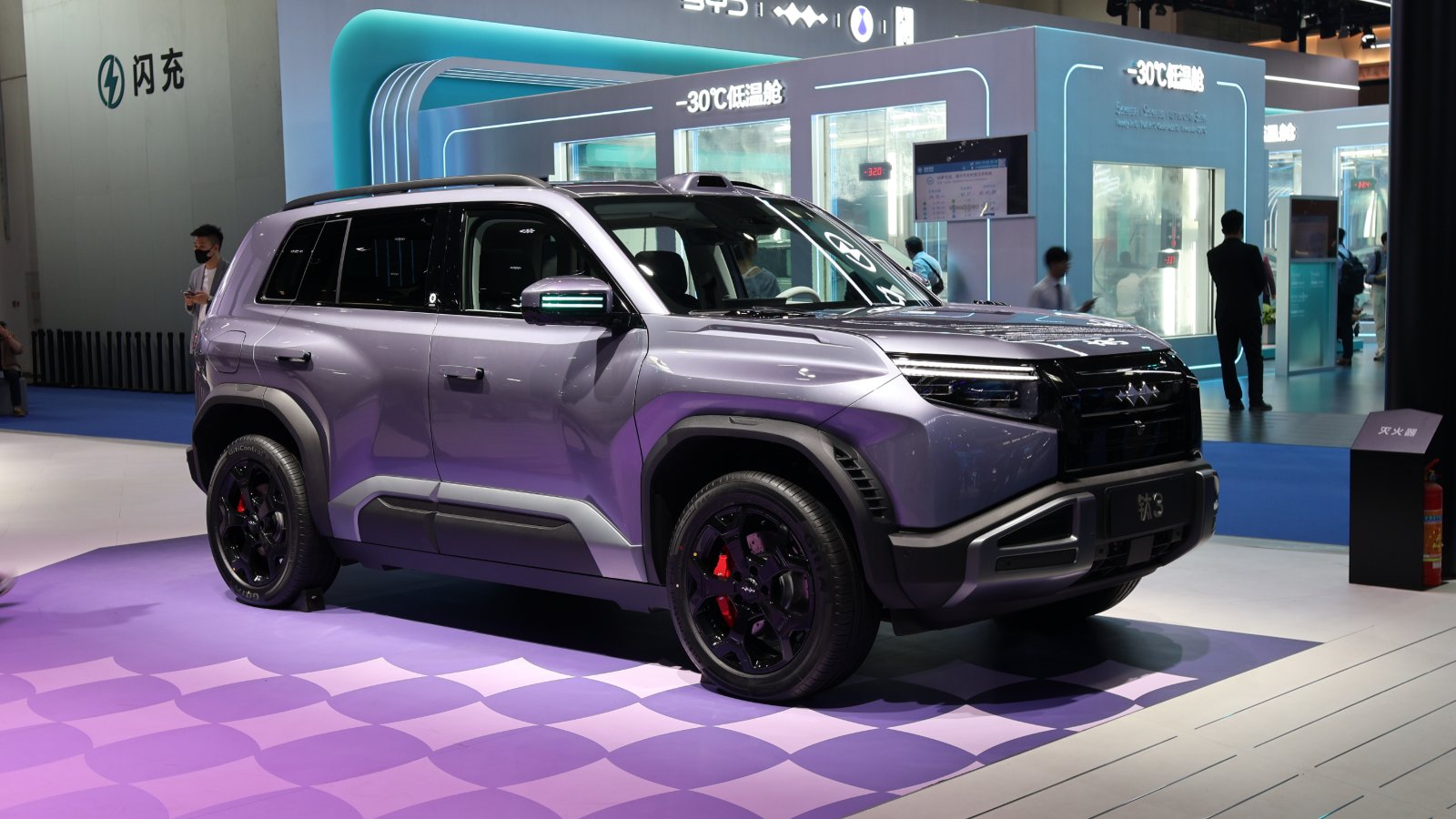
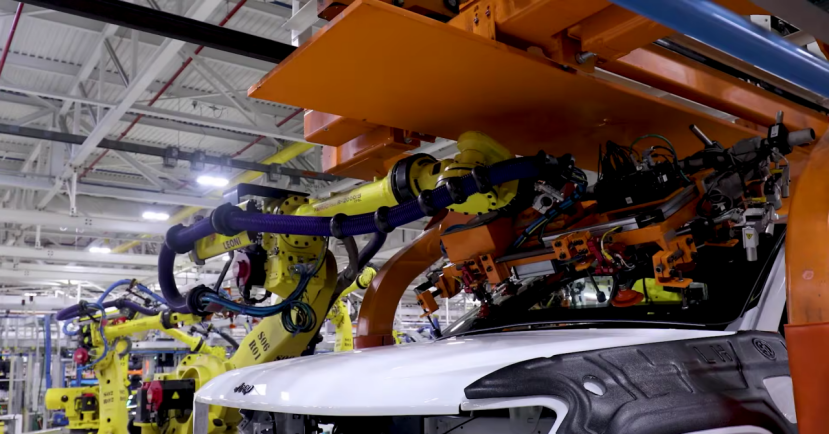
On October 14, 2026, during the Paris Motor Show, He Xiaopeng, Chairman and CEO of XPENG Group, attended the Paris Automotive Summit, released the smart vehicle solution XPENG AI ENGINEERING, and announced progress in the physical AI ecosystem. The solution consists of a vehicle platform, modular technology, and a toolchain; the company claims it saves 41 minutes in per-vehicle inspection time and reduces annual operating costs of production-line electrical inspection by 95%. Timelines for three product lines were also disclosed: humanoid robots are planned for mass production by the end of 2026 and delivery in the first half of 2027; Robotaxi has been given the Chinese and English names “小鹏悠游” and “XPENGYOYO” and is in talks with European mobility platforms; flying cars have cumulative orders exceeding 7,000 units, and NGP is planned to be gradually delivered to global customers starting in 2027. XPENG’s role in Europe is extending from a complete-vehicle exporter to a technology supplier, while the pace of implementation and local compliance remain to be verified.

42718 hours ago
China's Commerce Ministry Opposes EU Request for Voluntary Limits on Hybrid Vehicle Exports

China's Commerce Ministry Opposes EU Request for Voluntary Limits on Hybrid Vehicle Exports

On September 18, 2026, China's Ministry of Commerce responded to the China-EU hybrid vehicle trade dispute, explicitly opposing the voluntary export restraints proposed by the EU and saying they seriously violate WTO rules. Previously, the EU asked China to voluntarily limit hybrid vehicle exports to Europe, otherwise it might impose higher tariffs. Data show that EU imports of hybrid vehicles from China rose from 3,800 units in October 2024 to 50,000 units in July 2026. The EU hopes to limit this share to about 15%, but it has already exceeded one third. In the same period, China's August vehicle exports reached 1.01 million units, up 65.3% year on year, of which new energy vehicle exports were 526,000 units, up about 130% year on year. Overseas markets have become an important growth support, and China-EU trade issues have also extended from pure electric vehicles to hybrids and localized production.

46427 days ago
Thailand Plans About 30% Excise Tax on Imported EVs, Sets Three-Tier Rates

Thailand Plans About 30% Excise Tax on Imported EVs, Sets Three-Tier Rates

Thailand's finance minister said Thailand is finalizing an excise tax of about 30% on fully imported electric vehicles, compared with the current rate of about 10%. The new plan sets three excise tax tiers: fully imported vehicles at the highest rate, locally produced vehicles at the lowest, and locally assembled vehicles in the middle. Constrained by free trade agreements, Thailand cannot directly raise tariffs, so it is turning to excise taxes to encourage local investment and supply chain localization. Currently, nine electric vehicle manufacturers produce in Thailand, and some Chinese and European automakers plan to invest in Thailand to enjoy lower tax rates. The final rates are expected to be decided this month.

48129 days ago
After 7.098 Million Vehicle Exports, Chinese Auto Globalization Enters Deep Water

After 7.098 Million Vehicle Exports, Chinese Auto Globalization Enters Deep Water

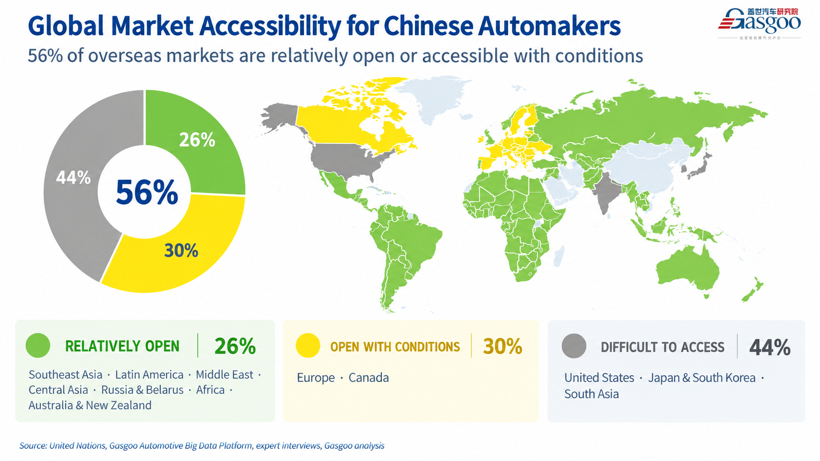
In 2025, China's automobile exports reached 7.098 million units, a year-on-year increase of 21.1%, of which new energy vehicle exports reached 2.615 million units, a year-on-year increase of 103.7%. The industry's focus is shifting from export scale to the depth of globalization. The degree of openness of overseas markets varies significantly. Chinese automakers are advancing globalization through local factory construction, product portfolios, and ecosystem-based operations. According to statistics from Gasgoo Automotive Research Institute, the planned annual overseas production capacity of Chinese automakers increased from about 3.44 million units in 2023 to nearly 6.85 million units in 2026.

55229 days ago
Stellantis Plans to Sell Brampton Plant to Roshel, but Two Hurdles Remain

Stellantis Plans to Sell Brampton Plant to Roshel, but Two Hurdles Remain

Stellantis signed a memorandum of understanding with Canadian armored vehicle maker Roshel to sell the idle Brampton vehicle assembly plant near Toronto. The plant ceased production in late 2023 and once employed about 3,000 unionized workers. Its planned production of the Jeep Compass SUV was cancelled due to U.S. automotive tariffs. Roshel is bidding for a military contract worth up to C$4.9 billion and says that if it wins, it can recall about 1,000 workers and support an annual average of 4,530 direct and indirect jobs over three years. The deal still depends on labor negotiations with Unifor and Canadian government funding commitments, and companies including BYD had also made inquiries.

23931 days ago
BMW iX3 Long-Wheelbase 30L Enters MIIT Notice, Priced from 269,900 Yuan, November Delivery

BMW iX3 Long-Wheelbase 30L Enters MIIT Notice, Priced from 269,900 Yuan, November Delivery

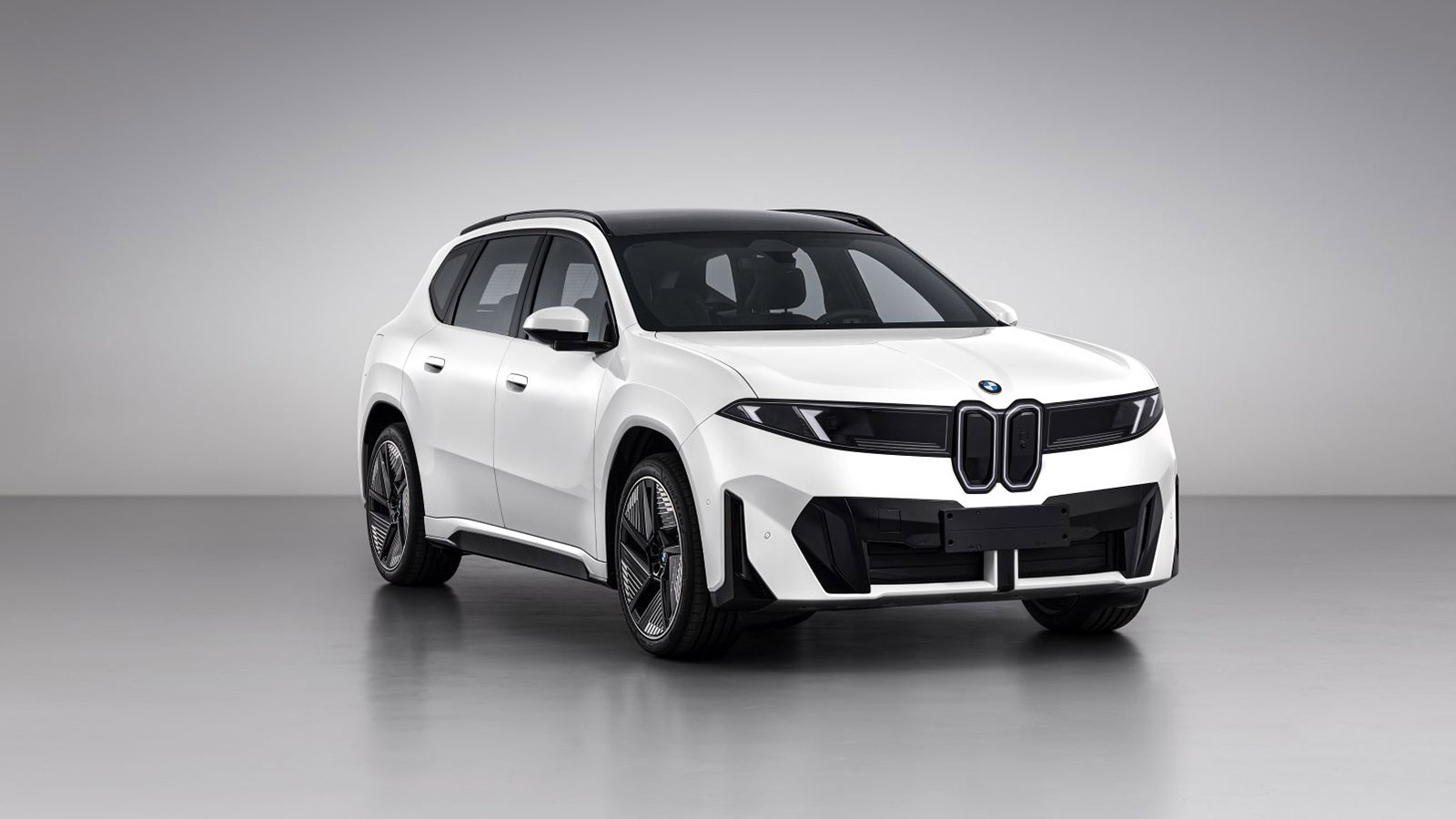
The entry-level model of BMW's Neue Klasse iX3 long-wheelbase version, the iX3 30L, has entered the Ministry of Industry and Information Technology's 411th batch of new product public notice catalog. It is produced at BMW Brilliance's Shenyang plant and has opened pre-sales at the Chengdu Auto Show. The three models are priced from RMB 269,900 to RMB 339,900 and will be delivered in November. Regulatory filing information shows it is equipped with a 235 kW motor and a lithium iron phosphate battery from CATL's Yibin base, has a wheelbase of 3,005 mm, and adopts localized configurations such as Momenta end-to-end intelligent driving, Huawei HiCar, and Alibaba's large model. This case shows that Chinese battery and intelligent driving capabilities are deeply entering the core models of multinational automakers.

52031 days ago
Trump: Not Opposed to Chinese Automakers Building U.S. Plants, Opposes Mexico-Made Cars Exported to U.S.

Trump: Not Opposed to Chinese Automakers Building U.S. Plants, Opposes Mexico-Made Cars Exported to U.S.

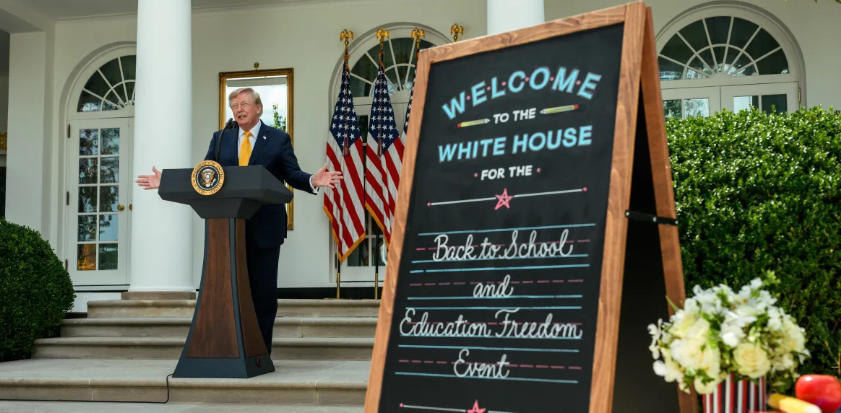
According to Reuters, on September 11 Trump said he did not oppose Chinese automakers building factories in the US, provided they hire American workers, but opposed producing finished vehicles in Mexico and re-exporting them to the US, and denied allowing Chinese cars to be sold in the US. US regulations in early 2025 effectively prohibit Chinese automakers from selling or producing passenger vehicles in the US, with tariffs on Chinese electric vehicles exceeding 100%; the Alliance for Automotive Innovation is pushing Congress for a permanent ban, hoping to pass it by the end of December. US-Mexico negotiations are planned to be reached before the November 2026 midterm elections, with tariffs, local content ratios and Chinese companies' investment in Mexico becoming variables, and both North American paths for Chinese automakers facing uncertainty.

55831 days ago
Arcfox Alpha T7 Launches, Galaxy Cruiser 700 Opens Pre-Sales

Arcfox Alpha T7 Launches, Galaxy Cruiser 700 Opens Pre-Sales

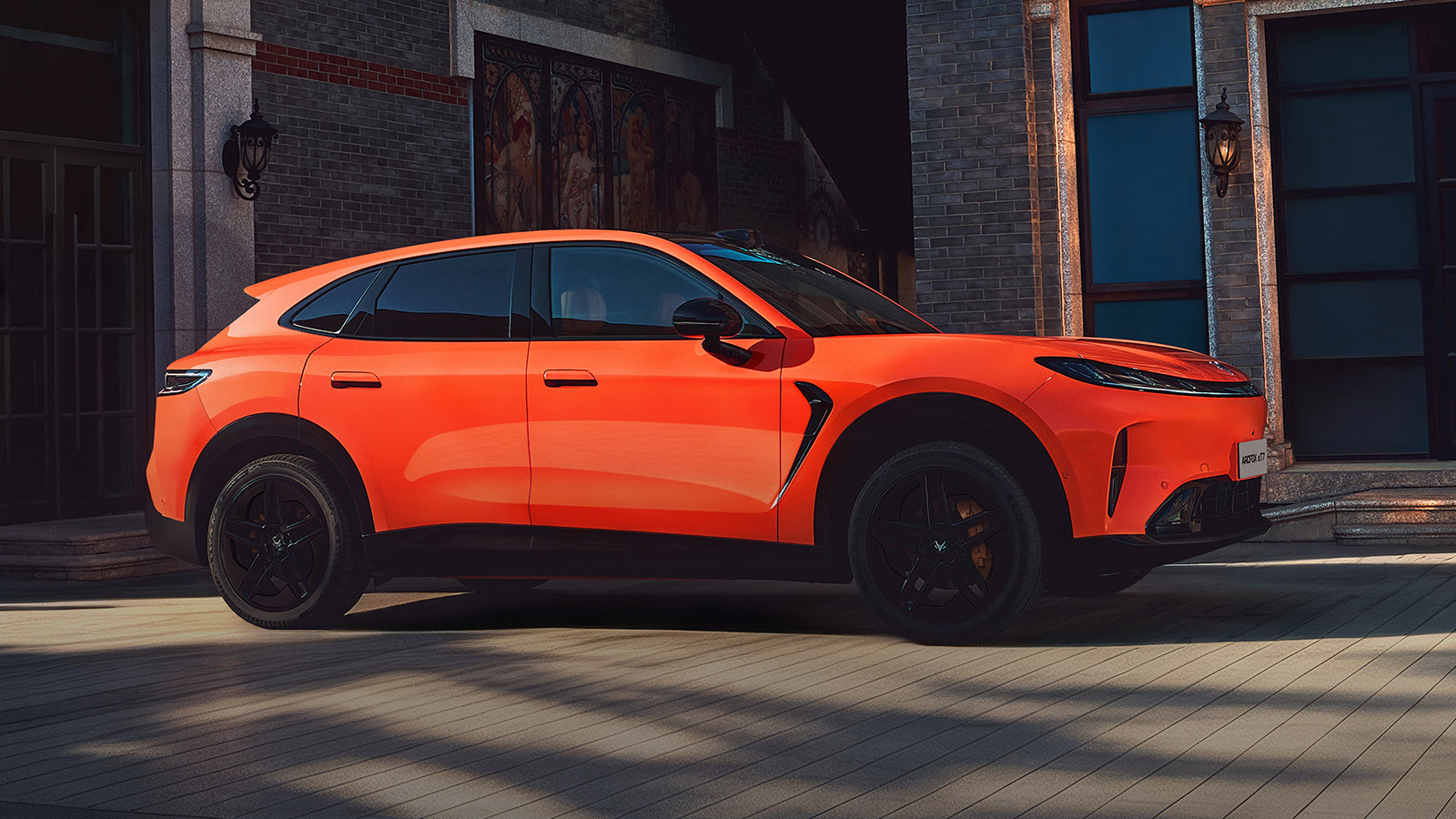
From September 15 to 16, Geely Galaxy's hardcore off-road SUV Zhanjian 700 opened presales, while BAIC Arcfox's mid-to-large SUV Alpha T7 was officially launched. The Alpha T7 is priced from 137,800 to 174,800 yuan after subsidies, with over 30,000 orders in the first 72 hours of presales, a maximum pure electric range of 715 km, and a combined extended-range range of 1,315 km. The Zhanjian 700 uses a tri-motor four-wheel-drive plug-in hybrid system, with a combined output of 830 kW and a pure electric range of 165 to 185 km. The two vehicles show that Chinese brands are increasing their bets on the mid-to-large SUV and hardcore off-road markets with 800V platforms, lidar, and electrified off-road features. Overseas sales arrangements have not yet been disclosed.

29132 days ago
Anfia Proposes Zero Tariffs on Chinese Car Imports Within 8% Quota

Anfia Proposes Zero Tariffs on Chinese Car Imports Within 8% Quota

Vavassori, president of the Italian automotive components association Anfia, proposed that the EU set an import quota for cars made in China, with zero tariffs for up to 8% and an 80% tariff on the portion above that, covering components as well. Chinese brands currently account for more than 9% of new car sales in the EU, and the EU's current combined tariff rate on Chinese EVs is about 18% to 45%. Italian component exports fell 4.6% in the first half, may decline 10% for the full year, and could fall 40% to 50% by 2028 without protection. Whether the proposal can enter the EU agenda remains to be seen.

51035 days ago
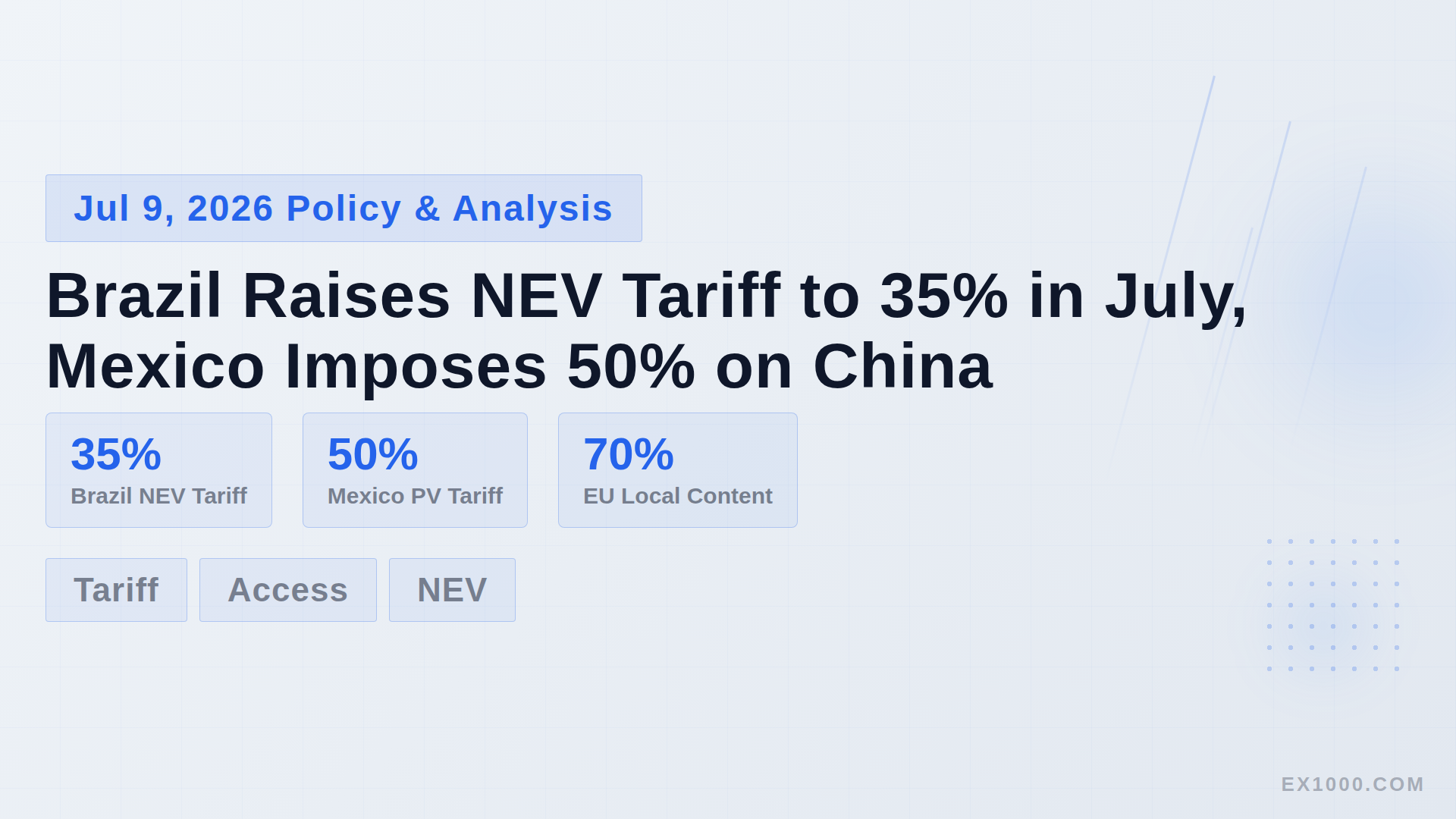
Brazil Raises NEV Tariff to 35% in July, Mexico Imposes 50% on China

Brazil Raises NEV Tariff to 35% in July, Mexico Imposes 50% on China

In July 2026, multiple global trade rules took effect, significantly impacting Chinese NEV exports. Brazil raised NEV tariffs to 35%, eliminating previous phased discounts. Mexico increased passenger vehicle tariffs on China to 50% from January 2026. EU draft local content rules require 70% localization. UK automakers warned of potential 140 million GBP tariff losses from post-Brexit rules. Australia, Southeast Asia, and Central Asia remain relatively open, but localization requirements are gradually increasing. Chinese automakers are shifting from "product export" to "ecosystem globalization" through local production.

1015100 days ago