Vavassori, president of the Italian automotive components association Anfia, proposed that the EU set an import quota for cars made in China, with zero tariffs for up to 8% and an 80% tariff on the portion above that, covering components as well. Chinese brands currently account for more than 9% of new car sales in the EU, and the EU's current combined tariff rate on Chinese EVs is about 18% to 45%. Italian component exports fell 4.6% in the first half, may decline 10% for the full year, and could fall 40% to 50% by 2028 without protection. Whether the proposal can enter the EU agenda remains to be seen.
A Quota Proposal: Zero Tariffs Within 8%, 80% Above That
Roberto Vavassori, chairman of the Italian automotive components industry association (Anfia), recently told Reuters that the EU could consider setting an import quota for Chinese-made cars: if Chinese vehicle imports are kept within 8% of Europe’s annual new-car registrations, they could enjoy zero tariffs; the portion exceeding that quota would be subject to an 80% tariff. He stressed that the mechanism should cover both complete vehicles and components, on the grounds that components account for roughly 80% of the total value of a car.
Vavassori’s remarks were phrased with respect for his Chinese counterparts. He said: “We have the greatest respect for the achievements of Chinese industry, but that respect has now turned into concern. Europe cannot lose this industry, which is crucial to its strategic autonomy.”
The proposal comes as Volkswagen Group approves a large-scale restructuring plan amid falling demand and intensifying competition from Chinese automakers.
Data Anxiety: Rising Market Share and Falling Exports
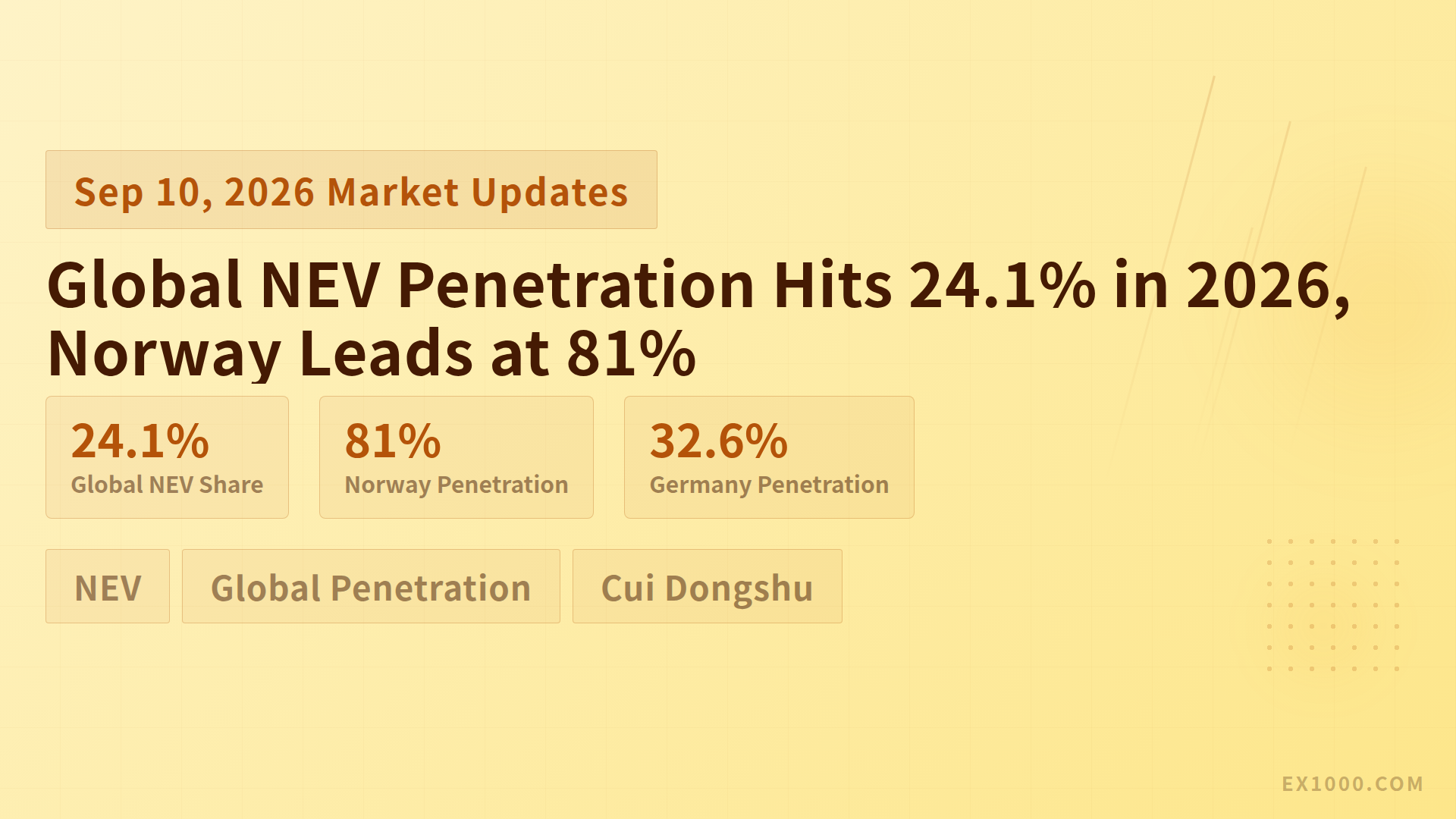
Data from the European Automobile Manufacturers’ Association (ACEA) show that in the first half of this year, Chinese-brand cars’ share of new-car sales in the EU climbed to more than 9%. That figure is already slightly higher than the 8% tariff-free quota proposed by Anfia.
For Italian component companies, the pressure is more evident on the export side. Vavassori said that in 2025, Italian automotive component companies exported €4.9 billion (about $5.7 billion) worth of products to Germany, with Volkswagen Group accounting for as much as 20% of purchases. He predicted that, affected by the contraction in European domestic production, Italian component exports had already fallen 4.6% in the first half of this year, and full-year exports could continue to decline by about 10%.

He also warned that Volkswagen Group’s reform may be just the beginning of broad industry reshuffling. If protection against Chinese imports is not put in place, by 2028 Italian component exports could fall by “40% to 50%.” “That would mean the end of the industry.”
The Current Tariff Framework: 18% to 45%
This proposal needs to be viewed against the existing policy backdrop. On top of the 10% base tariff on automobile imports, the EU imposes additional tariffs on Chinese-made electric vehicles, bringing the combined rate to roughly 18% to 45% depending on the automaker. The policy took effect in 2024 and is valid for five years.
If Anfia’s proposal were adopted, it would mean introducing, in addition to the existing additional tariffs, a differentiated tariff structure with a quota as the threshold: zero tariffs within the quota, and a rate far higher than the current level for the portion above it.
Questions Over the Industrial Accelerator Act and Local Procurement
Vavassori also criticized the EU’s planned Industrial Accelerator Act. The act aims to support industrial investment, advance decarbonization and promote local manufacturing, but he argued that it could stimulate imports from countries with free trade agreements with the EU, such as Morocco and Turkey, rather than strengthening Europe’s domestic production capacity.
He said: “As currently drafted, it will not accelerate the development of any industry; it will only accelerate the automotive industry’s march toward extinction.”
Vavassori also expressed reservations about Chinese automakers’ supply chain arrangements in Europe. He noted that although automakers such as BYD and Chery are setting up production bases in Europe, they lack interest in local procurement, describing these European plants as “knock-down assembly plants” and predicting that Chinese automakers will still import the vast majority of components from China or low-cost countries around Europe.
Where the Frictions Go Remains to Be Seen
From the current combined tariff rates of 18% to 45% to the proposal for an 8% quota combined with an 80% punitive tariff, the policy toolbox for China-EU auto trade is still being discussed for expansion. Anfia represents the interests of Europe’s component supply side, and whether its proposal can enter the EU’s formal agenda remains unclear.
What is certain is that, as Chinese brands’ market share in the EU rises, European domestic production contracts and automaker restructuring advances, the contest over tariffs, quotas and localized procurement will be hard to cool down in the short term.