Mid-to-late August sees a wave of new product unveilings in China's auto market: GAC Aion Ray7 officially launches, Qijing GX7 interior and Denza N8 cockpit debut simultaneously, and BYD's flagship sedan is named "Third-Generation Tang."
GAC Aion Ray7: Huawei Tech Powers New Electric Sedan
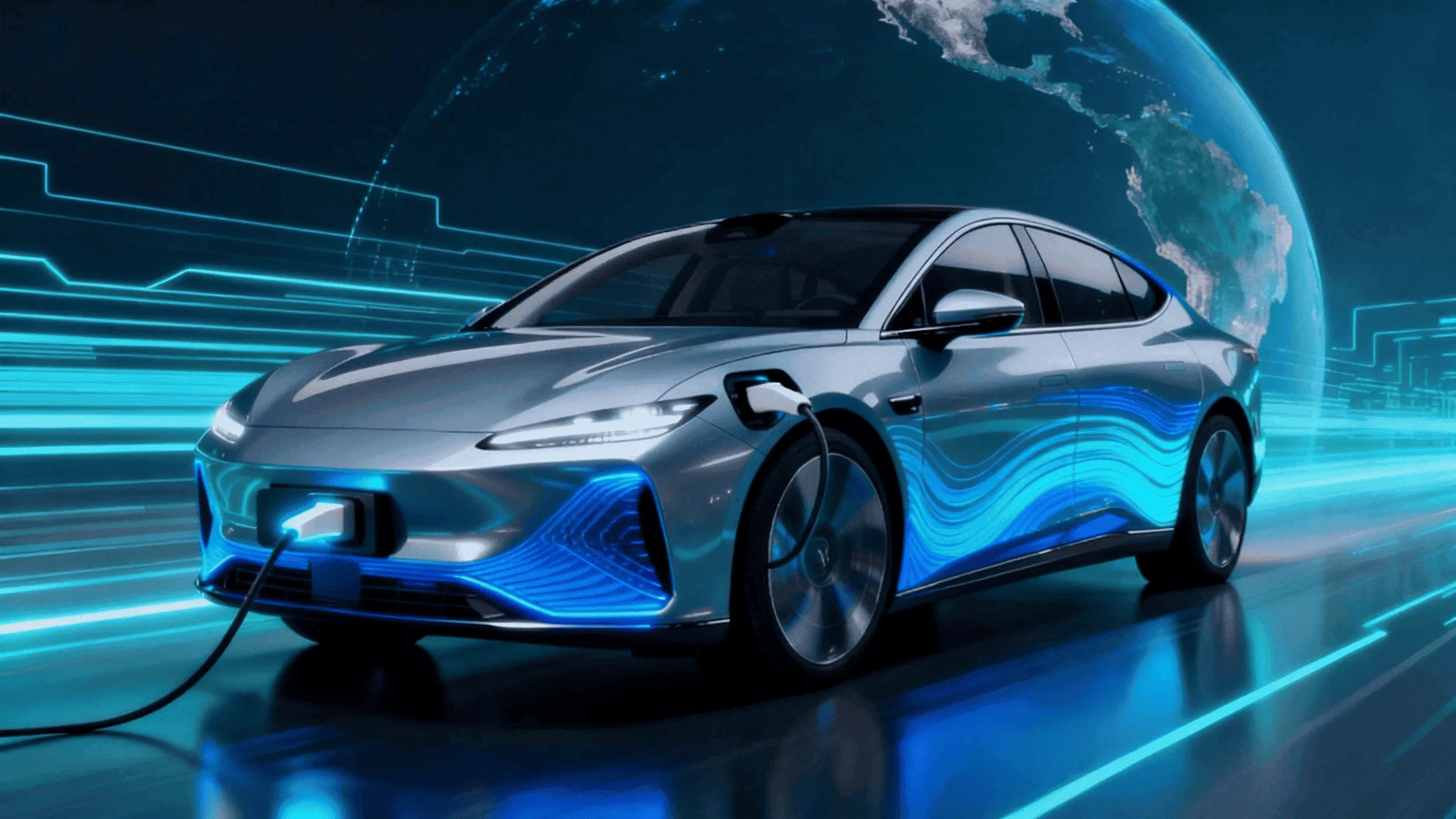
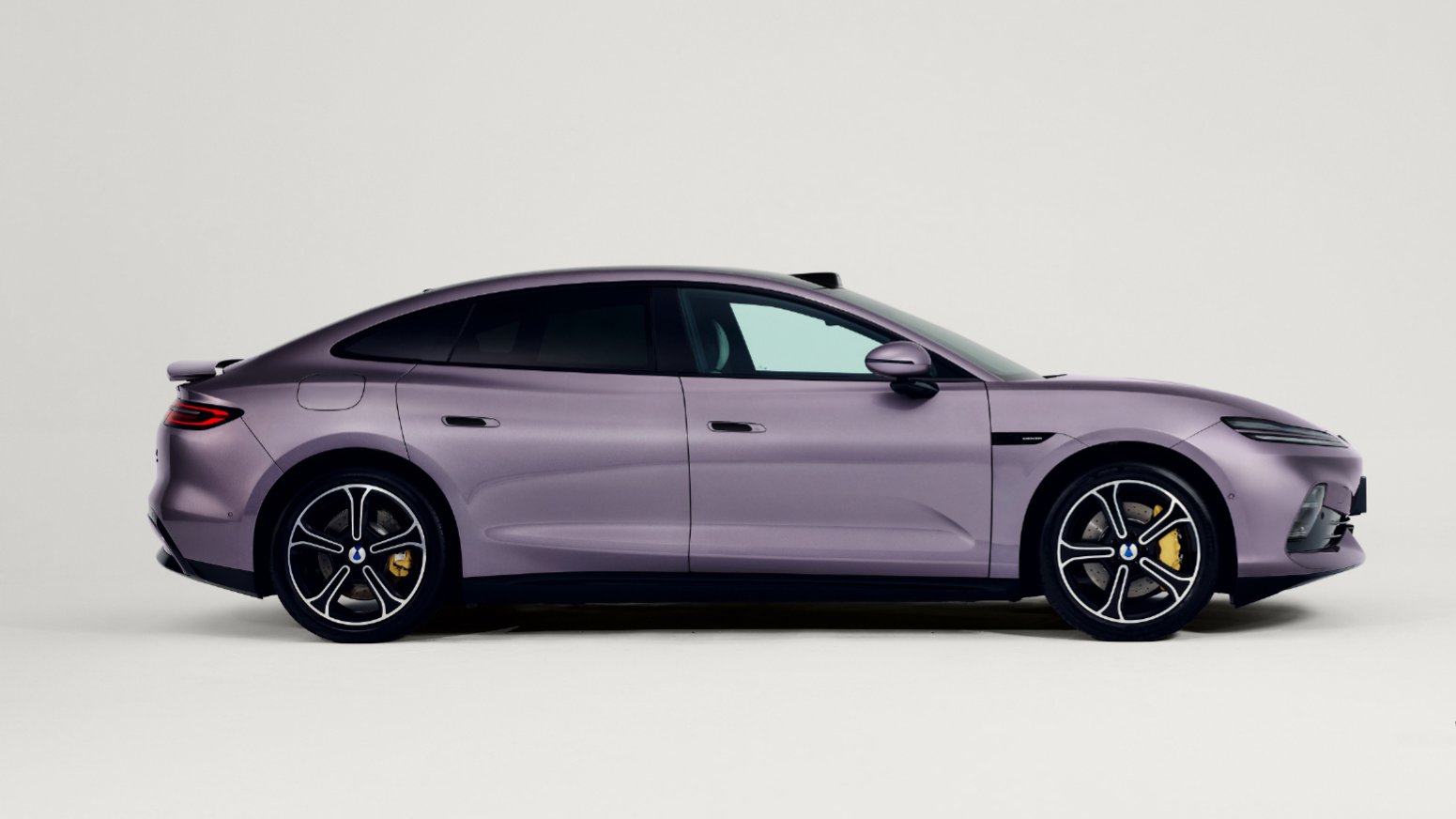
On August 19, GAC Aion officially unveiled the Ray7 in Dongguan Songshan Lake, marking the debut of its new independent "Ray" series. As the first model after Aion's brand refresh, this mid-to-large pure electric sedan signals Aion's strategic pivot from B2B ride-hailing to B2C young consumers.
Key technical specifications:
| Parameter | Value |
|---|---|
| Dimensions | 4960×1900×1455mm |
| Wheelbase | 2920mm |
| Drag Coefficient | 0.22Cd |
| CLTC Range | 700km |
| Energy Consumption | 9.7kWh/100km |
| Peak Motor Power | 180kW |
| Braking Distance (100-0) | 33m |
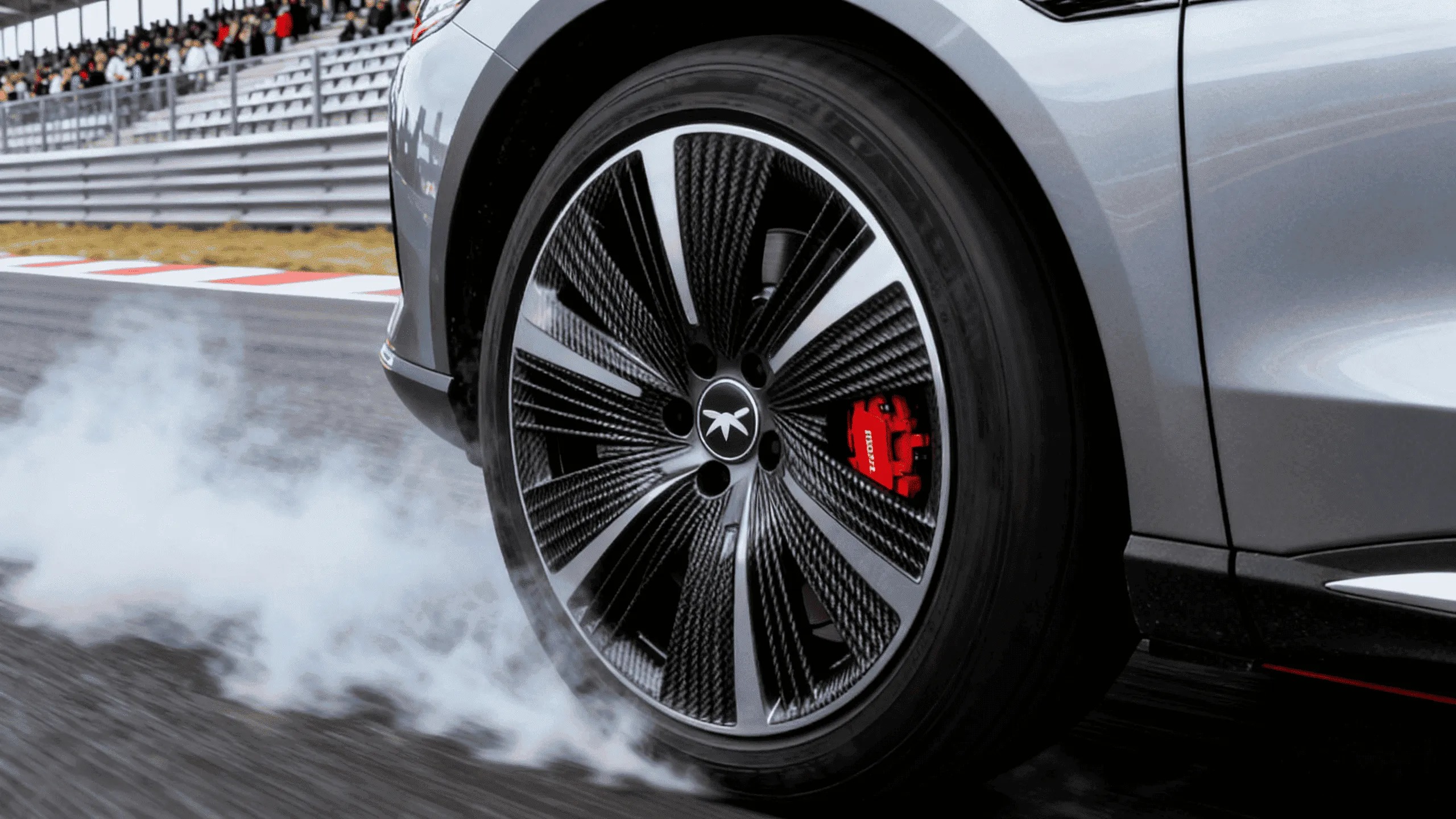
The Ray7's standout feature is the world's first Huawei DriveONE chip-level drive-brake fusion architecture, integrating drive and brake control on a single chip with inter-core communication under 10 microseconds. Paired with Huawei's EMB full wire-controlled braking system, brake response takes only 78 milliseconds, and redundant design ensures safe stopping even if all four wheel brakes fail.
For intelligent driving, the Ray7 deploys 27 automotive-grade sensors including a 192-line LiDAR and three 4D millimeter-wave radars, running WeRide's L4 Robotaxi-derived end-to-end model. The chassis features aluminum-mixed front double wishbone and rear five-link suspension, tuned with Alfa Romeo expertise.
Qijing GX7 Interior and Denza N8 Cockpit: New Directions in Smart Cabins
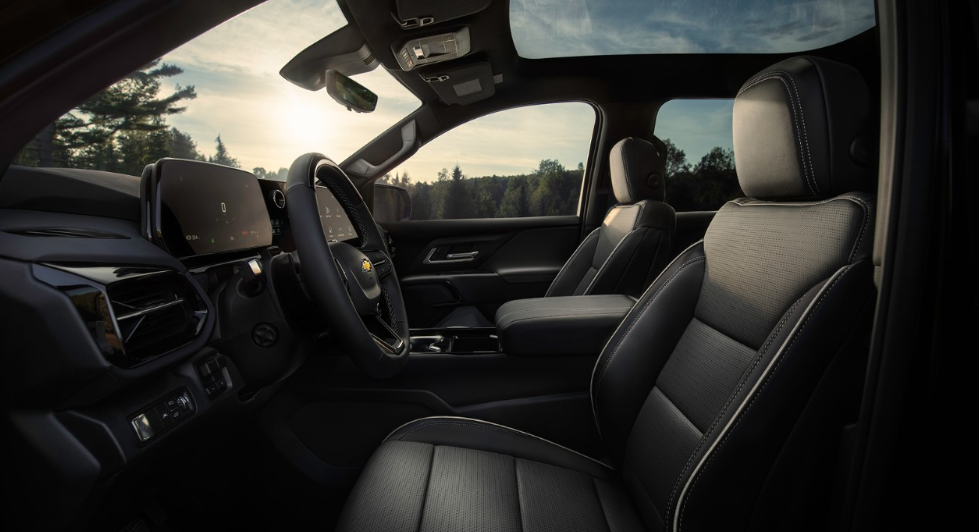
The Qijing GX7 interior and Denza N8 cockpit, unveiled simultaneously, showcase the latest Chinese explorations in intelligent cabin design.
Qijing GX7 focuses on ecosystem connectivity:
- Huawei HarmonySpace cockpit system
- Multi-device collaboration and AI voice interaction
- Continuous AI capability upgrades
Denza N8 emphasizes luxury comfort:
- Large high-definition display array
- Premium materials and ergonomically designed seats
- Multi-zone independent climate control
These two cabins represent dual evolutionary paths—Qijing prioritizes ecosystem and AI, while Denza focuses on luxury and ride quality. For overseas buyers, Chinese smart cabins now clearly lead traditional international brands in feature richness and iteration speed.
BYD Third-Generation Tang: Dynasty Series Flagship Evolves
BYD has officially named its flagship sedan the "Third-Generation Tang" (previously codenamed "8 Series Tang"), positioning it as a D-class flagship.
Confirmed specifications:
- Length over 5.2 meters, wheelbase 3,130mm
- Pure electric range of 1,008km
- AWD 0-100km/h in 3.8 seconds
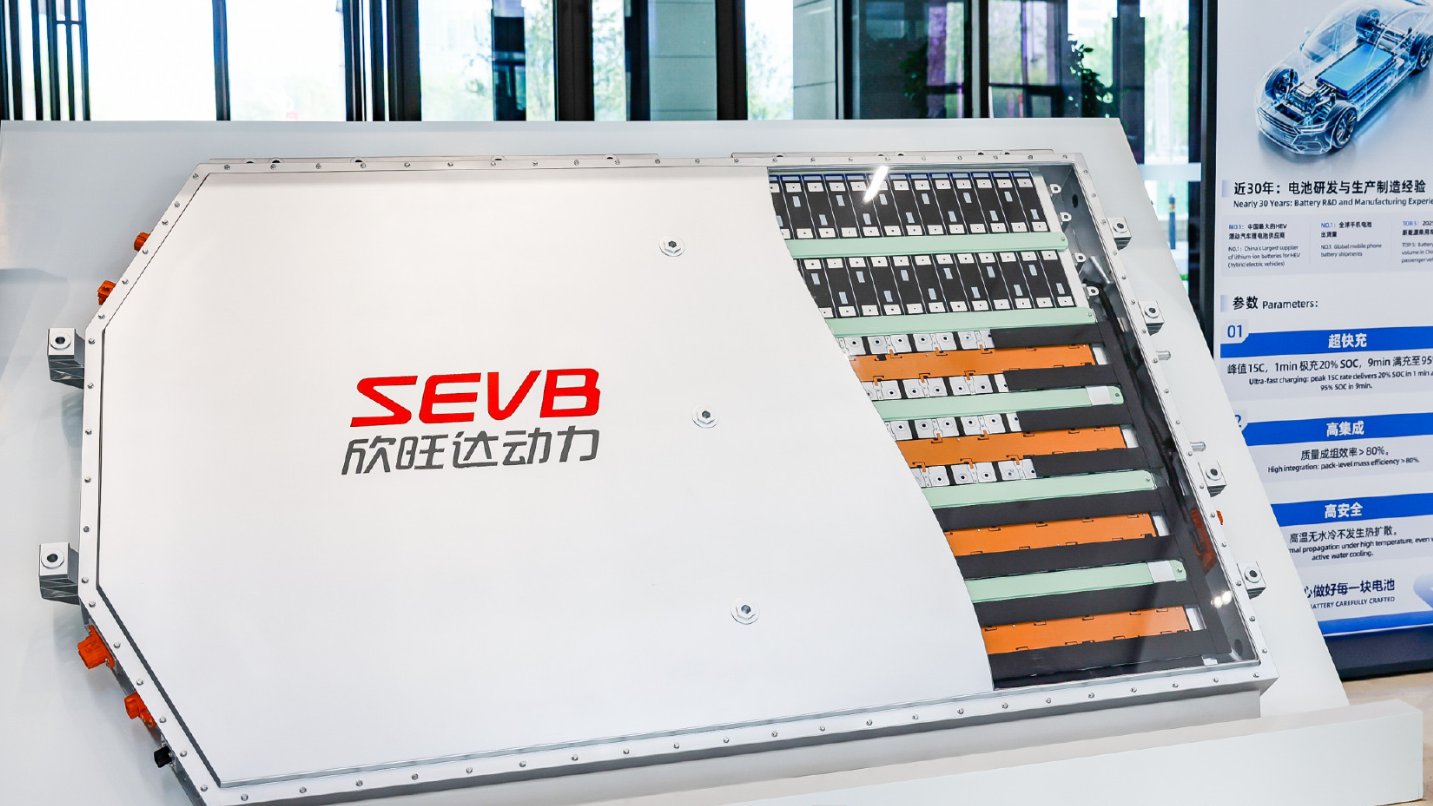
- Second-generation Blade Battery with flash charging
- Tianyanzhi B advanced driving system
The naming continues BYD's Dynasty series lineage. With its 5.2-meter length and 3,130mm wheelbase, it directly challenges Mercedes S-Class and BMW 7 Series. The rare combination of 1,008km range and 3.8-second acceleration redefines D-class EV performance.
These three models advancing simultaneously reflect China's auto market shifting from the "electrification first half" to the "intelligence second half." With Huawei DriveONE, HarmonySpace, and Tianyanzhi platforms scaling across brands, Chinese automakers have established complete technology loops from chips to chassis, from cockpit to intelligent driving. EX1000.COM will continue tracking these models' export developments for Central Asian and Russian buyers.