In September 2026, Leapmotor began pre-production of the B10 compact battery-electric SUV at Stellantis's Zaragoza plant in Spain, using local content to avoid EU tariffs; at the same time, it launched the B03X small electric SUV in Italy at 19,900 euros to enter Europe's entry-level market. European BEV registrations in August reached 202,833 units, up 54.2% year on year, with a 30.5% market share. Chinese automakers' European localization paths are diverging: BYD tends to build multiple bases itself, while Leapmotor leverages Stellantis's production capacity.
Europe’s BEV Market Beats Expectations, Opening a Window for Leapmotor’s Localization
In September 2026, two Leapmotor moves in Europe landed almost simultaneously: on one side, pre-production of the B10 compact all-electric SUV started at Stellantis’s Zaragoza plant in Spain; on the other, the B03X small electric SUV was launched in Italy at a price below €20,000. The former addresses tariffs and origin status; the latter addresses entry into a price band.
Market-level data provided support. Data from the European Electric Mobility Association, New Automotive, and Fier Automotive show that in August, BEV registrations in 16 core European markets reached 202,833 units, up 54.2% year-on-year, with BEV market share rising to 30.5%, close to one third of new car sales. In the first eight months of this year, cumulative BEV registrations in Europe exceeded 1.67 million units, up 33.1% from the same period in 2025. This performance clearly exceeded prior market expectations and left demand space for Chinese brands to continue launching new models in Europe.
Zaragoza’s “local content” solution
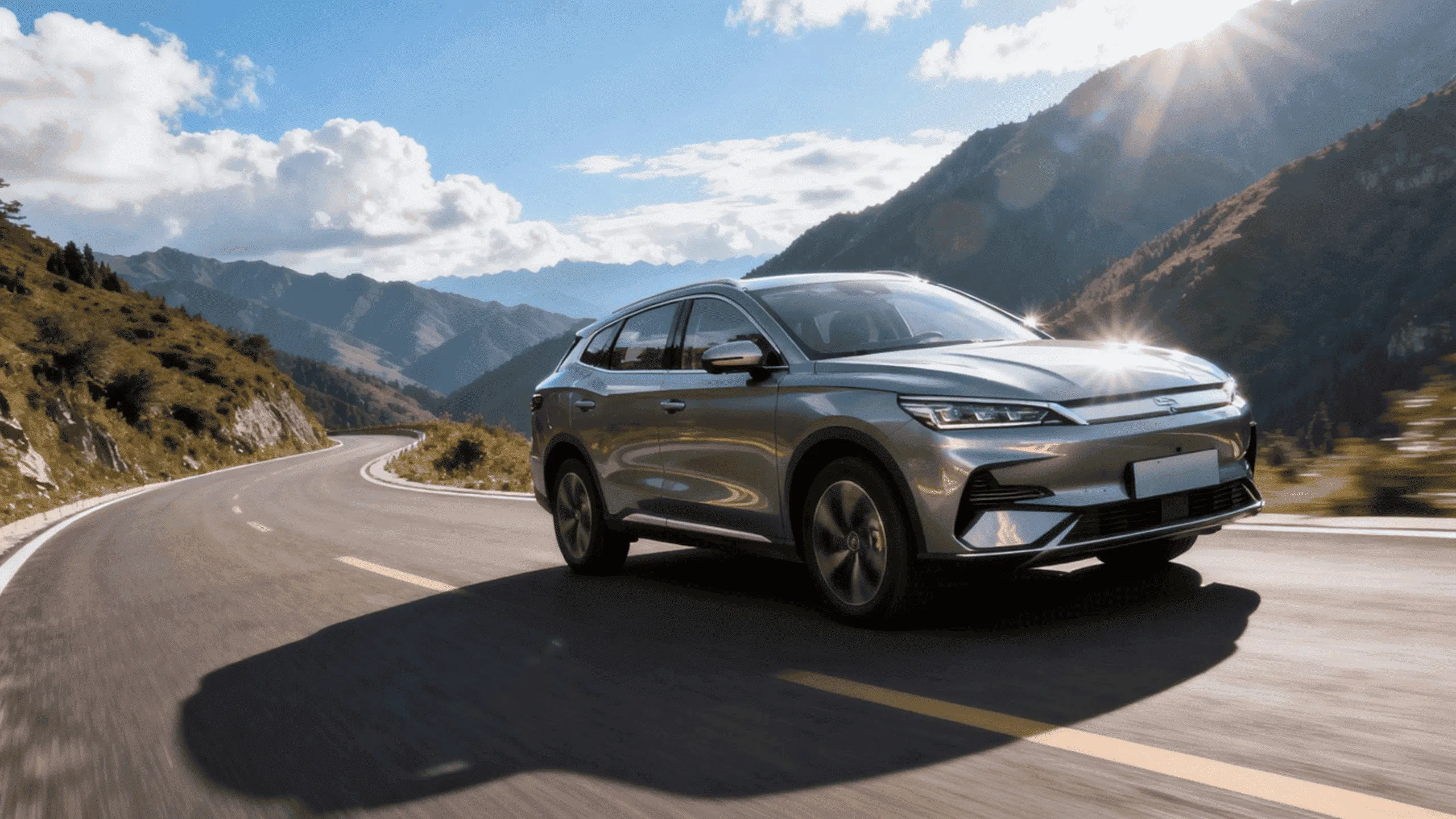
Leapmotor has started pre-production of the B10 compact all-electric SUV at Stellantis’s plant in Spain. According to information disclosed by sources, the model meets sufficient local content standards and can be recognized as “Made in Europe,” thereby avoiding EU tariffs on Leapmotor EVs imported from China.
The B10 will be built at Stellantis’s Zaragoza plant. The plant currently produces three Stellantis small cars: the Lancia Ypsilon, the Opel/Vauxhall Corsa, and the Peugeot 208. To outsiders, this means Leapmotor is not building its own capacity but borrowing the partner’s existing vehicle production line and workforce system, exchanging lower upfront investment for origin status.
This path contrasts with the earlier European strategies of most Chinese automakers. Against the backdrop of the EU’s additional tariffs on EVs imported from China, the cost structure of relying solely on vehicle exports has changed; local assembly and origin determination have become key variables for whether a company can remain in the mainstream price range.
€19,900: Cutting into the Heart of Europe’s Small EV Market
In tandem with the B10, Leapmotor is entering Europe’s small electric SUV market with the B03X. The model is priced several thousand euros below established competitors such as the Ford Puma, in the same range as European-built minicars like the Renault Twingo.
Specifically in the Italian market, Leapmotor offers local consumers a €5,000 discount, lowering the B03X price to €19,900. For reference, the Renault Twingo starts at €19,500 in Italy, making it one of Europe’s lowest-priced EVs. The price gap is only €400, meaning Leapmotor has aimed its competitive coordinates directly at the entry-level products of European local brands, rather than merely competing on price with other Chinese brands.
Small EVs are the core segment of the European urban market and also the most cost-sensitive segment. Being able to offer a compact SUV at a price close to local minicars depends both on the Chinese supply chain’s cost control and on the tariff and logistics savings brought by the Spanish plant.
Chinese Automakers’ European Localization Paths Are Diverging
Leapmotor’s approach is not isolated, but the paths chosen by each company differ markedly.
Alfredo Altavilla, special advisor for BYD in Europe, said on September 16 that in the long term, BYD needs to build three complete vehicle assembly plants and one battery plant in Europe to meet its growth targets and EU regulatory requirements. He also said that BYD is starting production at its first European plant in Hungary and plans to finalize the site for a second production base by the end of the year; the company prefers to acquire and retrofit existing facilities rather than build from scratch, with Spain and France as priority candidate locations.
By contrast, BYD has chosen an asset-heavy, multi-site independent layout, while Leapmotor relies on Stellantis's existing capacity to achieve an asset-light landing. The two models differ in their impact on capital occupation, production ramp-up pace, and exposure to policy risks.
Meanwhile, discussions on trade policy surrounding Chinese cars continue. Massimiliano Messina, a Nissan executive responsible for Europe and other regions, said that if the UK wants equal treatment under the EU's rules of origin framework, it may need to impose trade tariffs on Chinese cars, because the EU could pressure the UK to prevent a large number of Chinese cars from entering the EU market via the UK. He noted that Chinese-brand car sales currently account for one-fifth of total UK market sales.
Within Europe, anxiety on the industrial side is also present. On September 16, Bosch labor representatives called for policy action at the EU level to curb job losses in the industry through regulations that support domestic production. Frank Sell, chairman of the general works council of Bosch's Mobility Solutions business sector, speaking on behalf of around 70,000 German employees, said that the industry's transformation can only succeed if value creation and jobs remain in Europe.
Another Route for Export Destinations: Africa
Against the backdrop of persistently declining demand for light vehicles in China, some multinational automakers are directing China-made vehicles to other markets. FAW-Volkswagen (which produces Audi and Volkswagen brand models) announced on September 11 the official launch of vehicle sales in Madagascar, making Volkswagen Group the first multinational automaker to export China-made cars to Africa. Continued weak sales in China have also prompted General Motors to export vehicles to Africa and other overseas markets through SAIC-GM.
This trend complements localized production in Europe: the former absorbs China's existing capacity, while the latter serves the European market, which is highly sensitive to rules of origin and tariffs.
Points to Watch
Leapmotor's pre-production of the B10 and the low-price launch of the B03X form a combined strategy of "localized capacity + downward price-band expansion." For the industry, variables worth continuously tracking include: the actual mass-production pace of the B10 at the Zaragoza plant and the stability of local content determination; whether the promotional pricing of the B03X is sustainable; and whether subsequent coordination between the EU and the UK on tariffs and rules of origin will change the cost-effectiveness calculus for Chinese automakers using European plants as a route.
At a time when the penetration rate of the European BEV market has risen to 30.5%, the European story of Chinese brands is shifting from "export" to "localization," and the cost structure of localization will ultimately determine how long their price advantage can last.