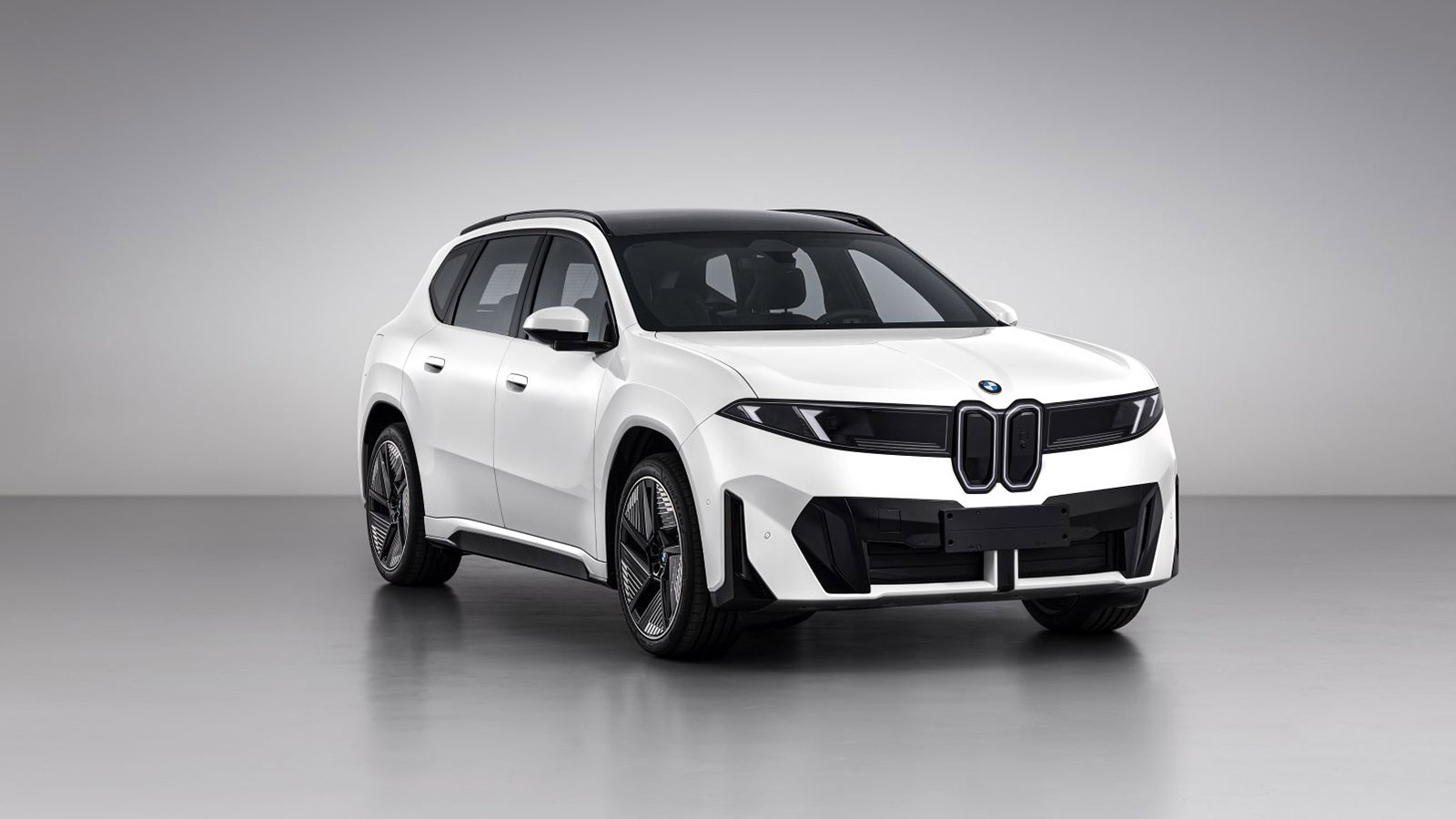
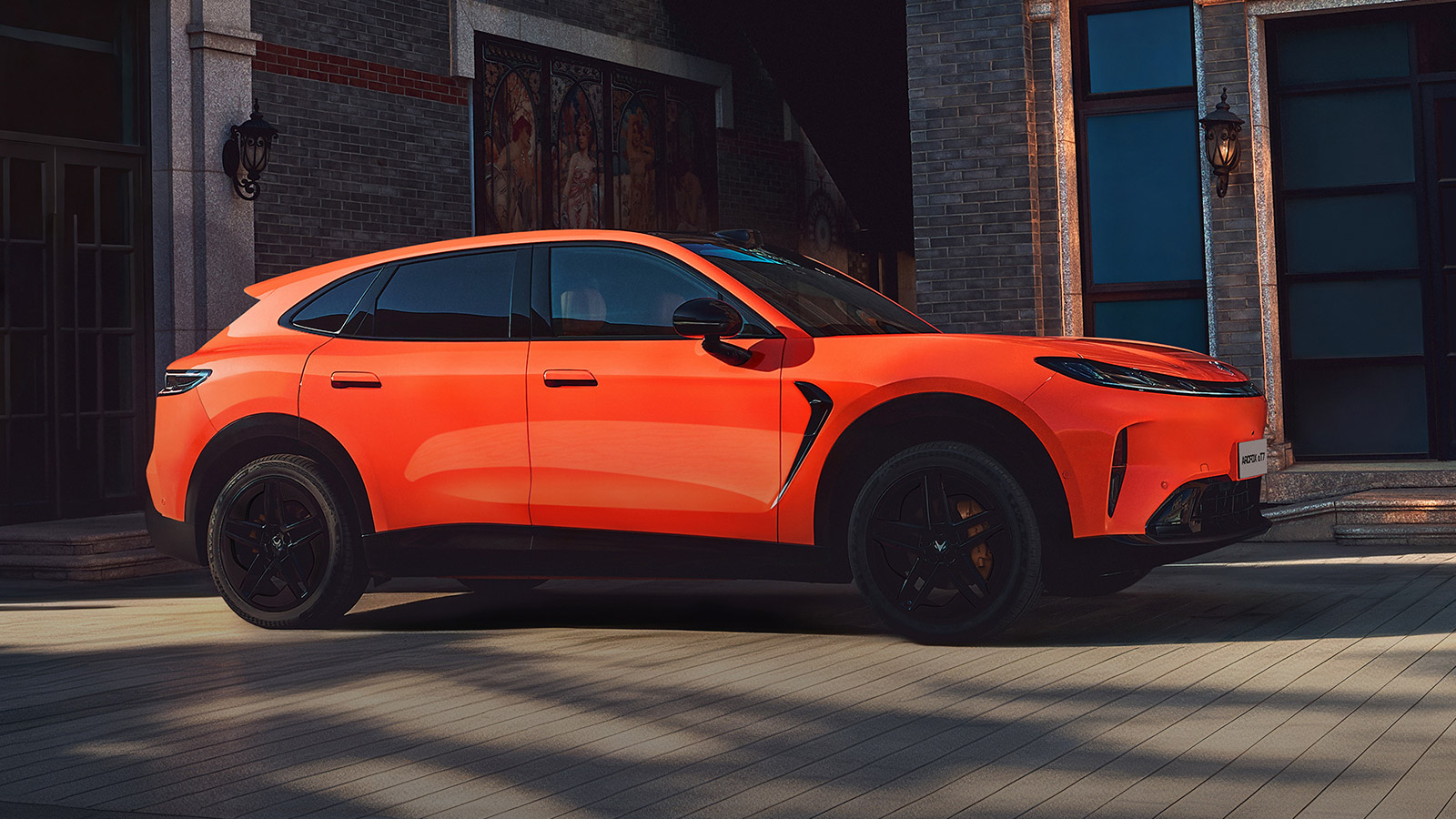
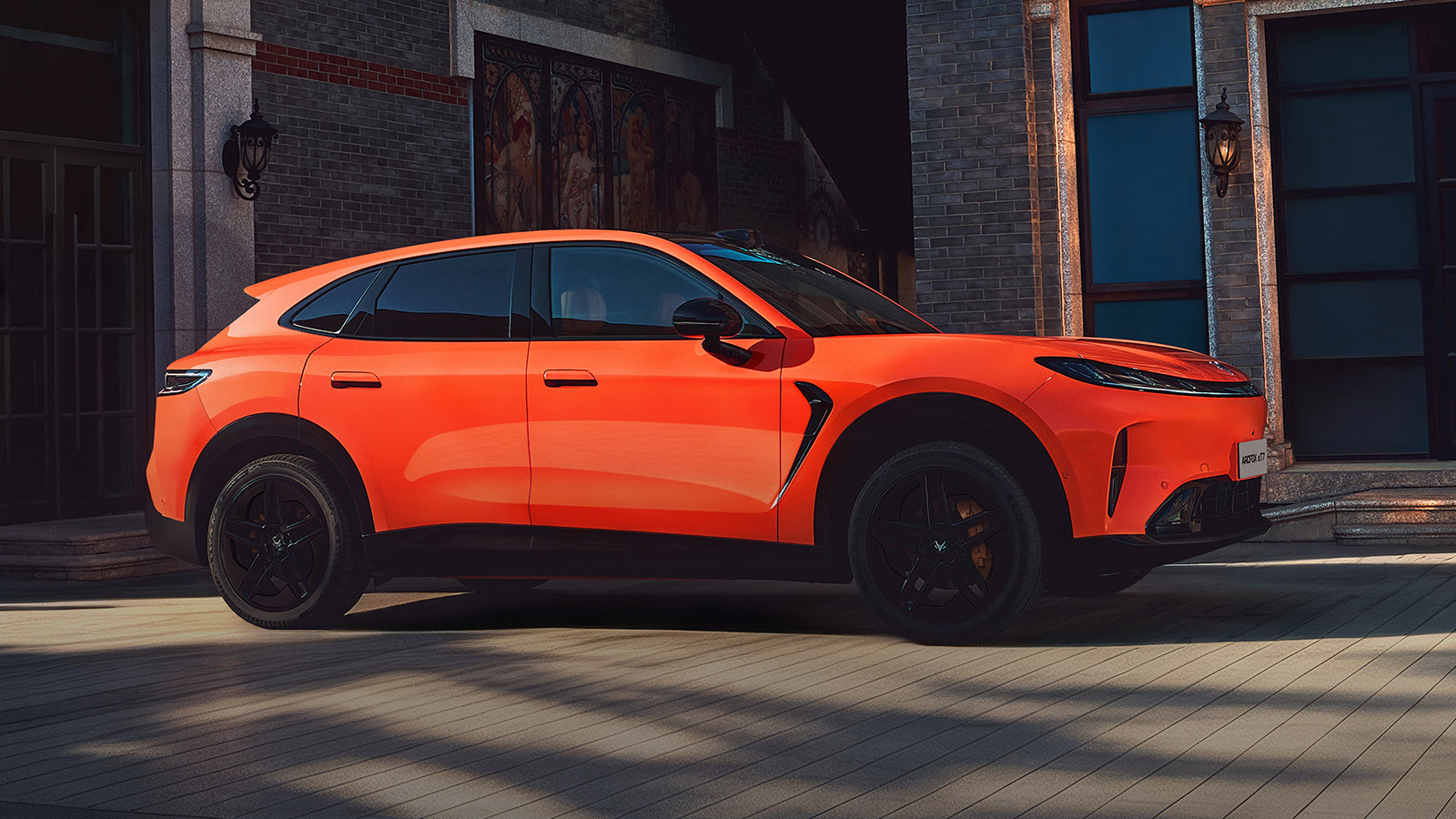
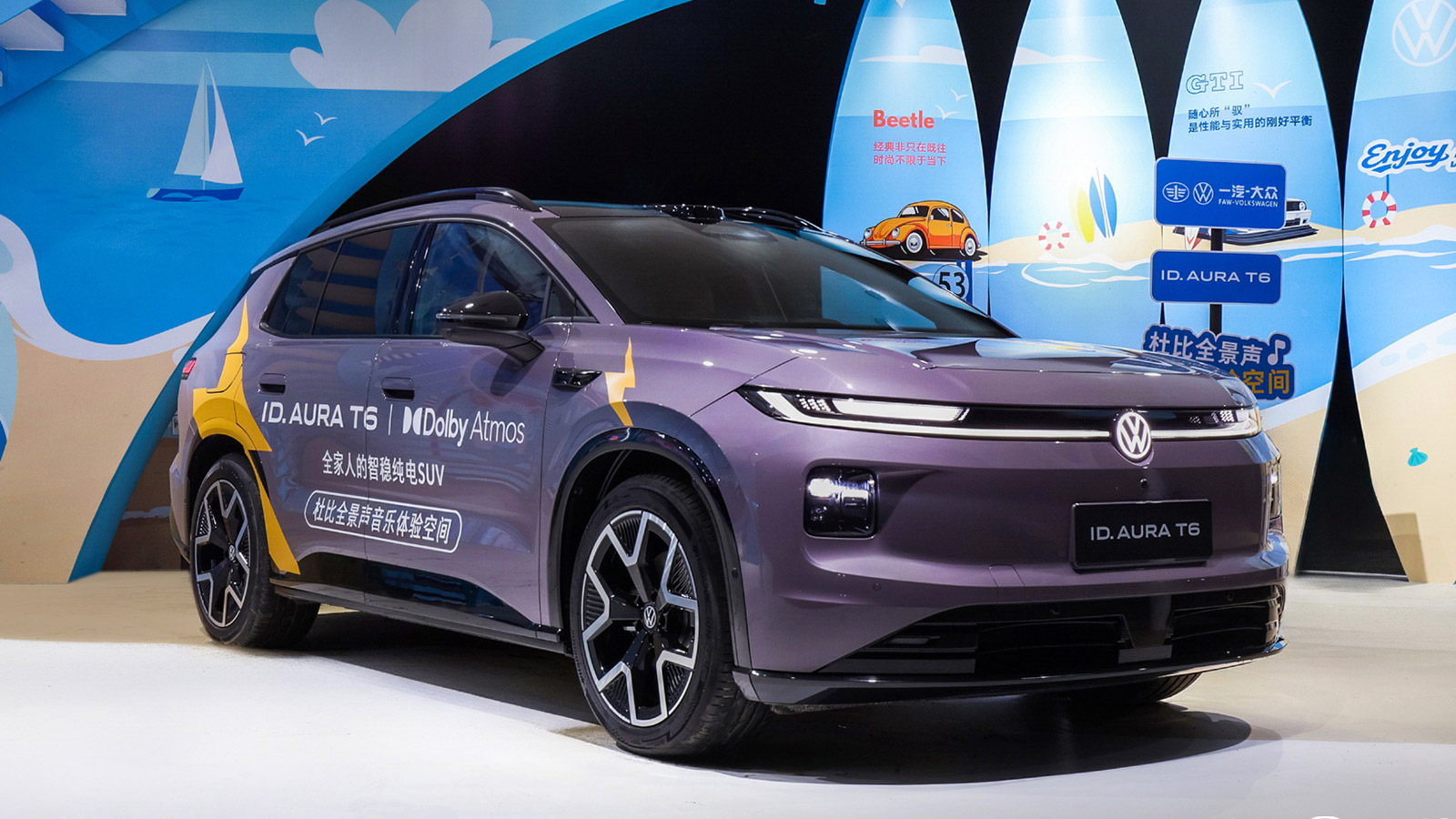
The 2026 Chengdu International Automobile Exhibition opens on August 21 at the Century City New International Convention & Exhibition Center, with scale exceeding previous editions. Major debuts including the Luxeed RX, BYD Tang L EV, and XPeng G7 will make their first appearances, while 800V high-voltage platforms and urban NOA intelligent driving emerge as the two dominant technology themes.
Show Overview: Expanded Scale, NEVs Take Center Stage
The 2026 Chengdu International Automobile Exhibition will be held from August 21 to 29 at Chengdu's Century City New International Convention & Exhibition Center. As the largest and highest-specification auto show in western China, this edition features expanded exhibition space and more participating brands than ever before, with new-energy vehicles accounting for over 70% of exhibits for the first time.
Under the theme "Smart Enjoyment in Chengdu, Driving into the Future," the show will concentrate on showcasing cutting-edge technologies in intelligent connectivity, new energy, and autonomous driving. Compared to previous editions, this year's show presents three notable shifts: further contraction of traditional ICE vehicle exhibits, domestic brand booth areas exceeding joint-venture brands for the first time, and the intelligent driving experience zone expanding by nearly double compared to the previous edition.
Major New Car Preview: Eight Must-See Models
Over 40 new vehicles will make their debut or launch at this year's Chengdu Auto Show. The following eight models warrant particular attention:
1. Luxeed RX (Huawei HIMA)
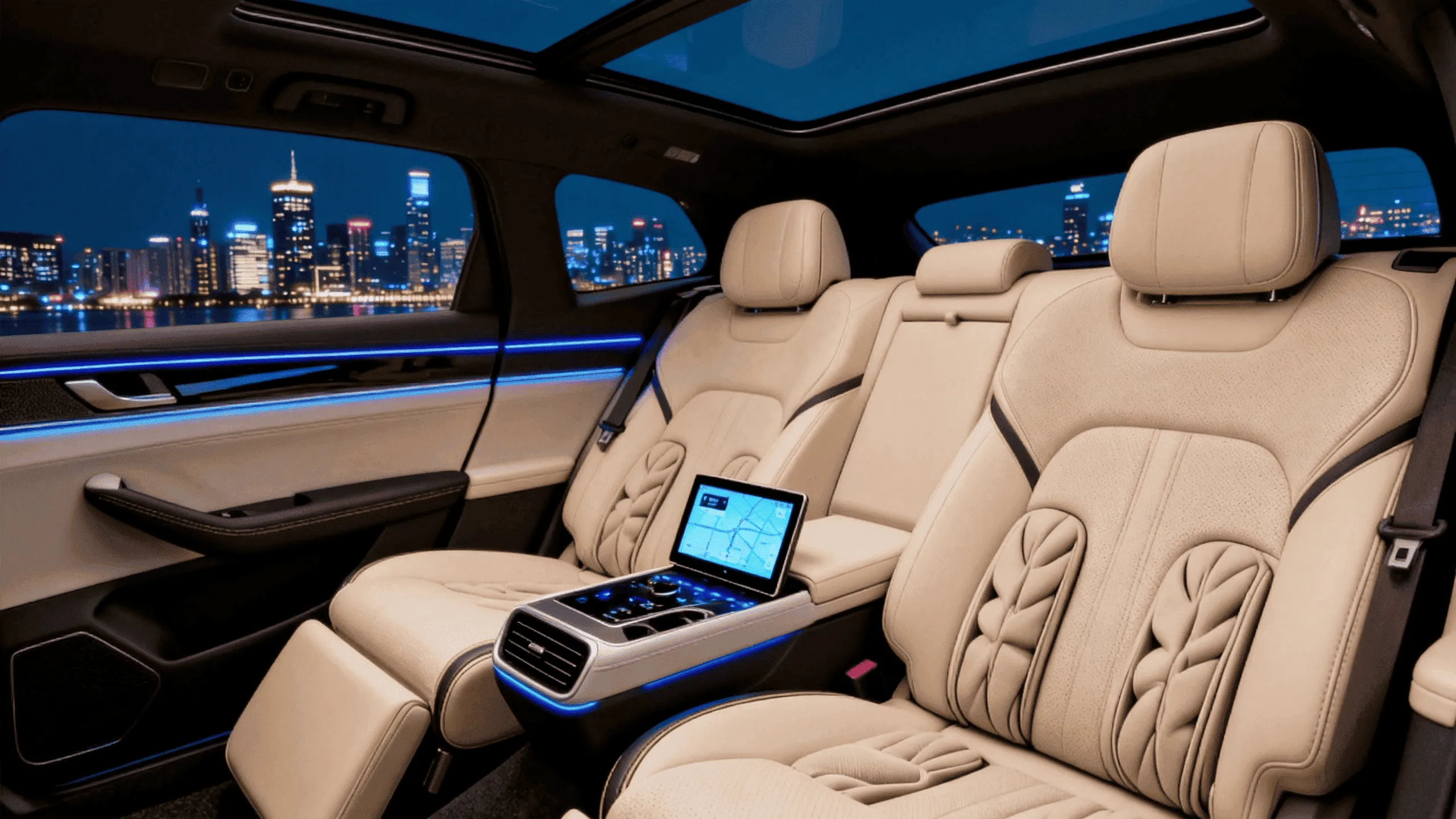
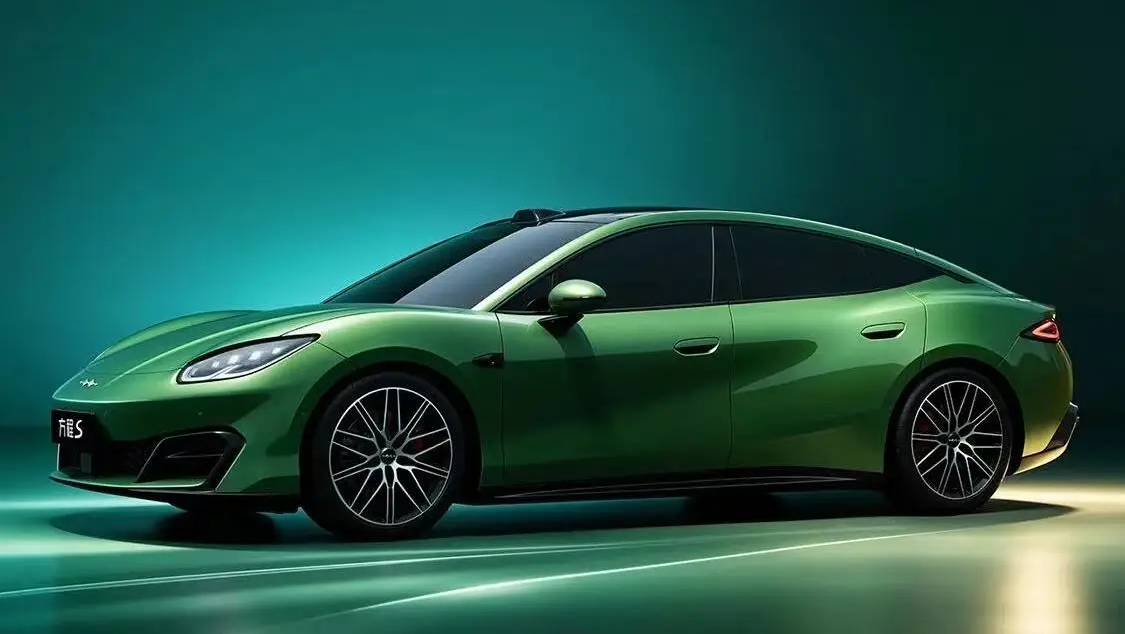
The mid-to-large pure-electric coupe SUV jointly developed by Huawei and Chery, built on the Tuling platform with a four-LiDAR array, delivering up to 852 km CLTC range with pre-sales starting at 299,800 yuan. Styled by former Ferrari designer Werner Gruber, it is among the most anticipated models at the show.
2. BYD Tang L EV
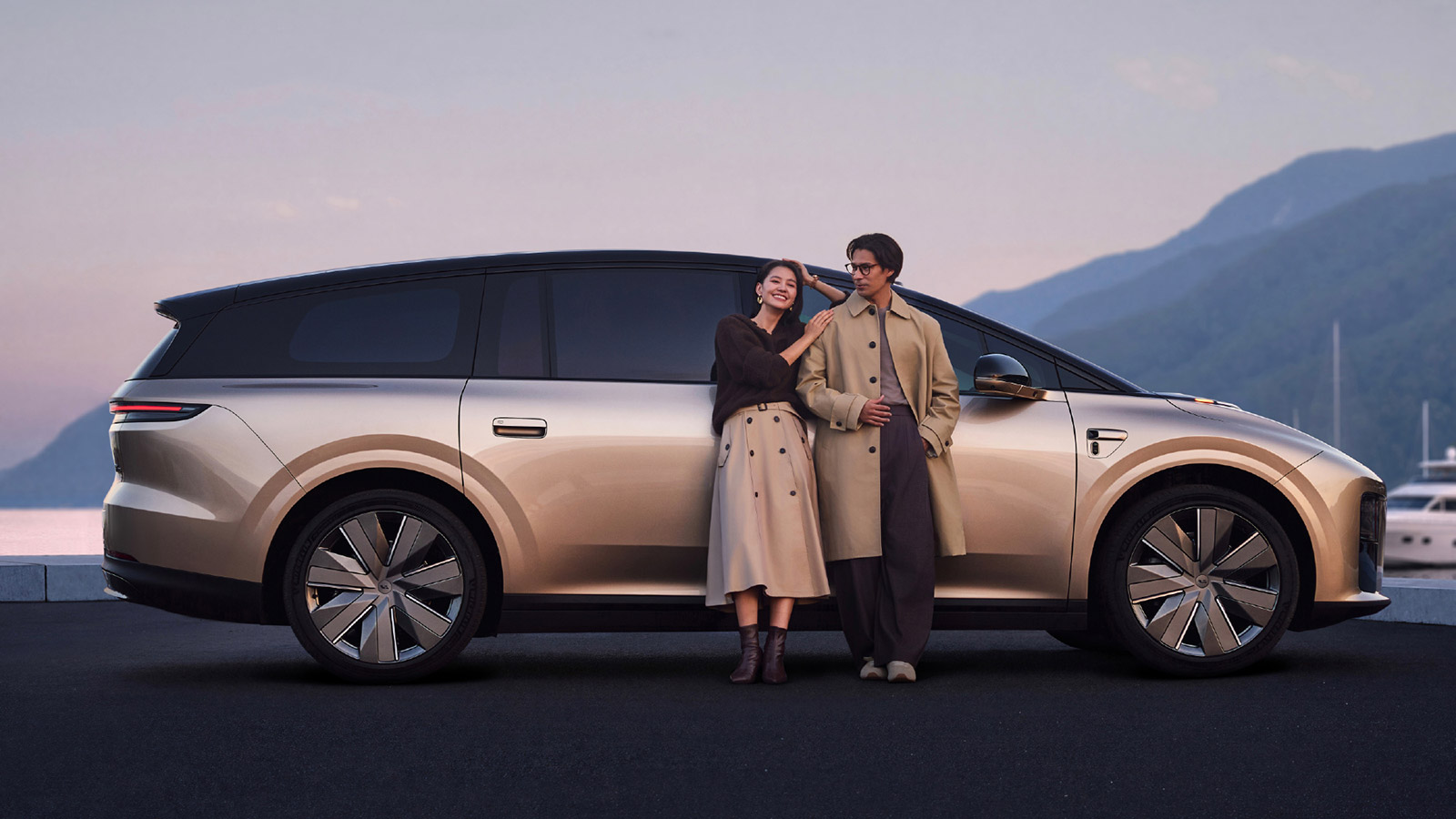
The flagship pure-electric SUV from BYD's Dynasty series, featuring Blade Battery technology and the new-generation DiPilot intelligent driving system, with upgraded dimensions positioning it as a mid-to-large seven-seat pure-electric SUV targeting the Li Auto L series.
3. XPeng G7
XPeng's new mid-size pure-electric SUV, equipped with the XNGP full-scenario intelligent assisted driving system featuring urban NOA capability, representing XPeng's important layout in the 200,000-300,000 yuan price band.
4. NIO ET5 Touring
NIO's first pure-electric station wagon, based on the ET5 sedan platform, offering the BaaS battery subscription plan with a starting price expected to enter the 250,000 yuan range, targeting the European wagon market.
5. Li Auto L6
Li Auto's extended-range mid-to-large SUV, continuing the L series' family-oriented smart flagship positioning with further upgrades in intelligent driving configuration and cockpit experience, serving as an important sales pillar for the brand.
6. Changan Qiyuan E07
Changan's Qiyuan brand new crossover-style pure-electric SUV with bold avant-garde design language, featuring Changan's self-developed intelligent driving system and targeting the youth market.
7. Geely Galaxy E8
The flagship pure-electric sedan of Geely's Galaxy series, built on the SEA浩瀚 architecture with Qualcomm's 8295 cockpit chip, showcasing Geely's latest technological capabilities in intelligent cockpit and vehicle architecture.
8. Avatr 12 Extended-Range
Avatr brand's first extended-range model, combining a CATL battery with a range extender, with comprehensive CLTC range expected to exceed 1,000 km, further expanding Avatr's product matrix.
Technology Themes: 800V Platform and Urban NOA Drive Progress
Based on the technical configurations of participating models, 800V high-voltage platforms and urban NOA (Navigate on Autopilot) have become standard configurations for mid-to-high-end new-energy vehicles, representing the industry's two major technology evolution directions.
800V High-Voltage Platform Accelerates Adoption
800V architecture is rapidly penetrating from the 300,000+ yuan premium segment into the 200,000-yuan mainstream market. Vehicles equipped with 800V platforms can achieve charging experiences adding 300-400 km of range in 10 minutes, fundamentally alleviating users' range anxiety. Over 20 800V models will be showcased at this year's auto show.
Urban NOA Enters Commercial Deployment Year
Urban NOA capability is becoming a core competitive advantage for new-energy vehicles priced above 200,000 yuan. Huawei ADS 3.0, XPeng XNGP, NIO NOP+, and Li Auto AD Max all feature live vehicle experience zones at this year's show. Industry data shows that China's L2-level and above intelligent driving passenger vehicle penetration rate exceeded 55% in the first half of 2026.
Market Observation: From Price Wars to Value Wars
This year's Chengdu Auto Show takes place at a critical inflection point for China's new-energy vehicle market. In January–July 2026, China's NEV production and sales reached 7.438 million and 7.446 million units respectively, up 6.7% and 7.3% year-on-year, both surpassing the 7-million mark.
Unlike the intense price wars of 2024, market competition in 2026 presents new characteristics:
- Pricing stabilizing: Mainstream brands have completed multiple rounds of price adjustments, with limited room for further cuts
- Technology differentiation intensifying: 800V platforms, urban NOA, and solid-state battery technology become new competitive focal points
- Brand upward breakthrough: Domestic brands accelerate layout in the 300,000+ yuan market, competing head-to-head with traditional luxury brands
- Export orientation strengthening: Multiple brands display right-hand-drive and overseas-market versions at the show, with export strategies becoming more defined
Implications for Overseas Markets
For international observers tracking China's new-energy vehicle industry, the Chengdu Auto Show is the best window for understanding the market's technology evolution and competitive landscape. Three key signals from this year's show merit attention:
First, the speed of technology iteration in China's NEVs continues to accelerate. The large-scale adoption of 800V platforms and urban NOA means Chinese products' global technical competitiveness will further strengthen.
Second, brand differentiation is intensifying. The gap between leading brands with core self-developed technology capabilities and brands relying on supplier solutions is widening.
Third, the export product matrix is maturing. From the overseas-market versions displayed at the show, Chinese brands are developing products specifically adapted to different markets, and overseas competitiveness will continue to improve.
For detailed coverage and new car reviews from the 2026 Chengdu Auto Show, follow EX1000.COM.