On September 18, 2026, the AVATR 07L deep test drive was released. As the extended version of the AVATR 07, the new car has a wheelbase of 2,990 mm and a length of 4,910 mm. The tested Ultra tri-motor pure electric version has a maximum power of 968 hp, an 89.33 kWh battery, and is equipped with an 896-line lidar and Huawei Qiankun ADS 5. Its adjustments add space, range, and intelligence while subtracting comfort features such as rear-seat massage, a driver's zero-gravity seat, and Meridian audio, forming a differentiated positioning from the AVATR 07.
On September 18, 2026, the in-depth test drive content for the Avatr 07L was officially released. As the extended version of the Avatr 07, the new model has been adjusted in dimensions, battery capacity, and advanced driver assistance hardware, while making trade-offs in some comfort features. The test drive model was the Avatr 07L 2027 model year Ultra tri-motor pure electric version; its power parameters and configuration changes provide a concrete sample for observing the positioning hierarchy within Avatr's product line.
Dimensions and Three-Electric System: 2990mm Wheelbase, 89.33kWh Battery
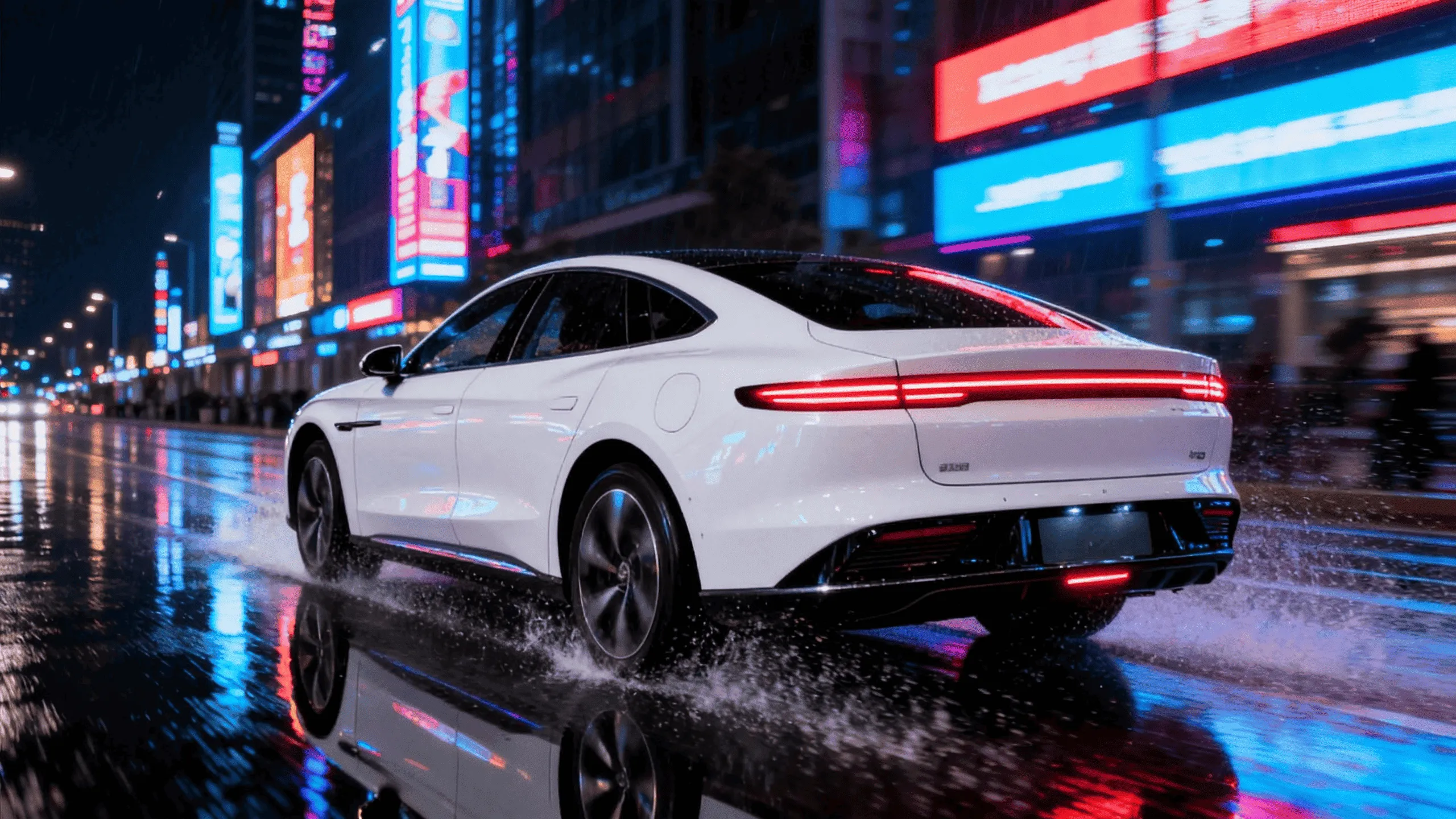
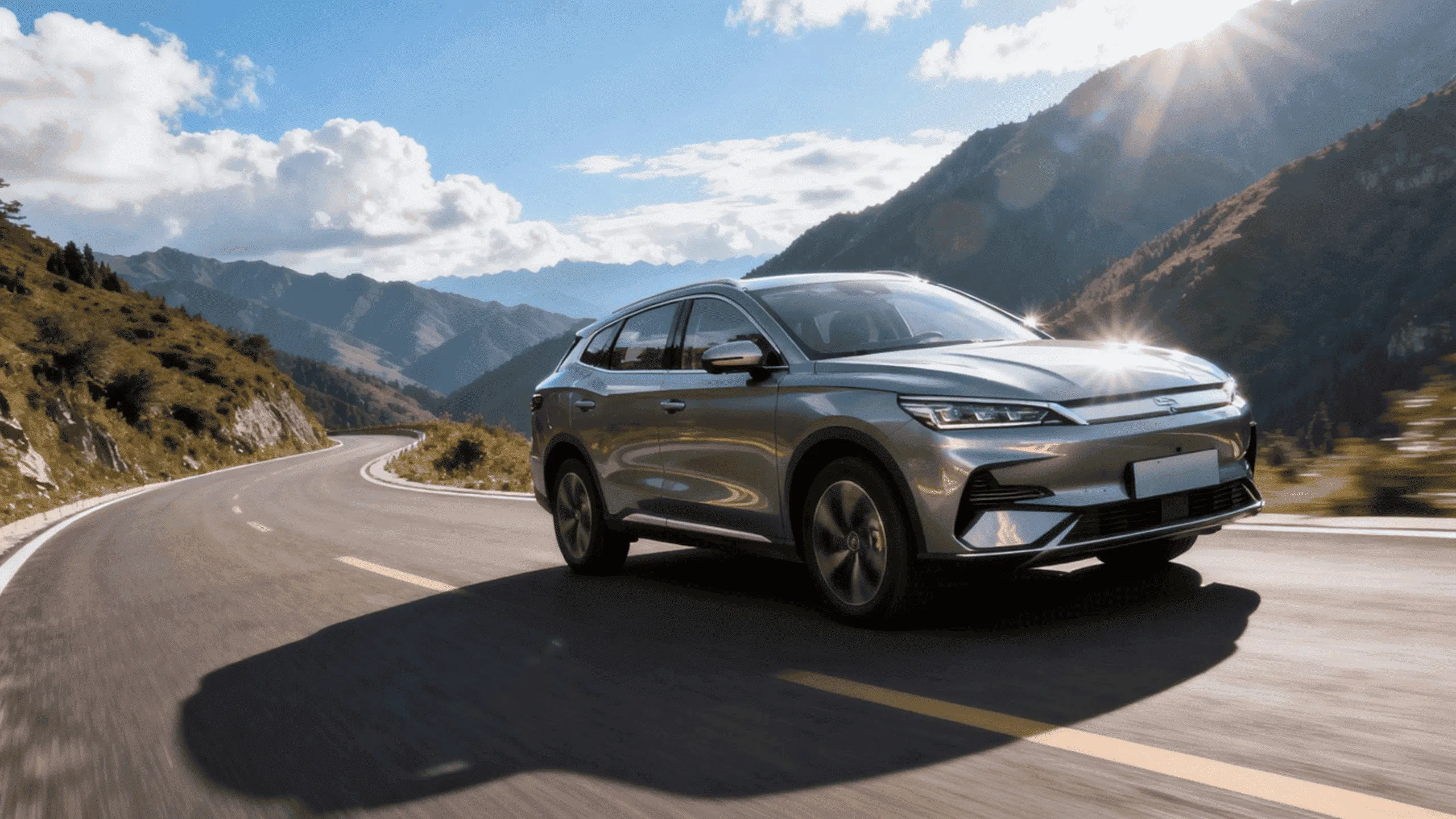
The Avatr 07L has body dimensions of 491019801650mm, a wheelbase of 2990mm, and is 50mm longer than the Avatr 07. The extended portion is mainly reflected in longer rear doors, a larger rear quarter window area, and an extended trunk area; the roofline is flatter than the 07, the side profile looks fuller, and the overall styling leans more toward a family SUV.
In terms of the three-electric system, the tested Ultra tri-motor pure electric version has a maximum power of 968 hp and maximum torque of 996 N·m. For a primarily family-oriented SUV, this level of power is already high. Battery capacity thereby increases to 89.33kWh, and mid- and high-trim models are equipped with the Huawei Qiankun ADS 5 advanced driver assistance system.
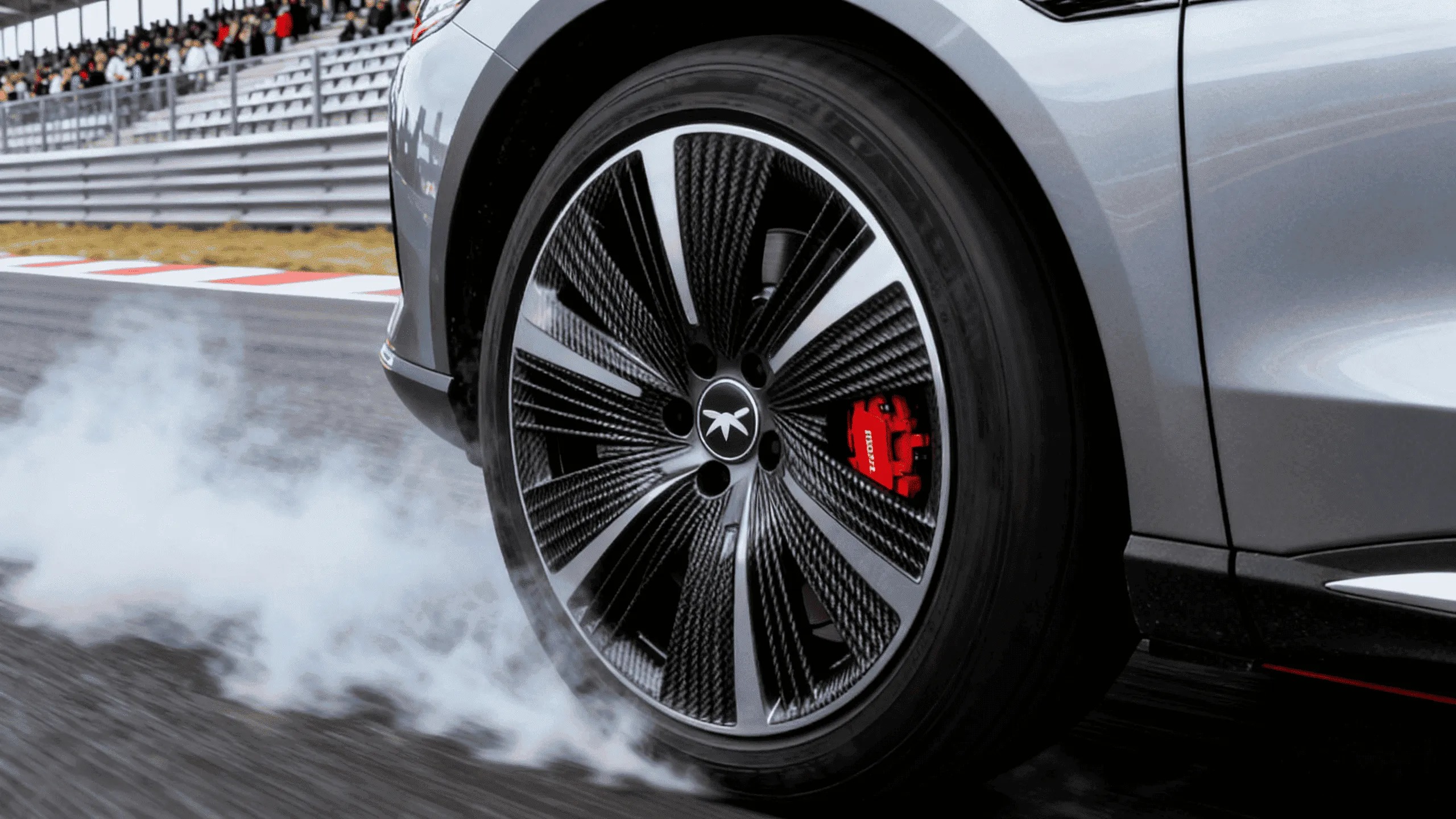
In terms of chassis and grip configuration, the Ultra version is equipped with 21-inch wheels, with red Brembo four-piston calipers inside, tire specification 265/45 R21, using Continental EcoContact 7 energy-saving and quiet tires. The test drive content notes that this set of tires is positioned toward energy efficiency and comfort, creating a certain mismatch with the power output of over 900 hp, and suggests that more sport-oriented tires could be offered as an option later.
Exterior and ADAS Hardware: 896-line LiDAR Onboard
The exterior continues Avatr's family design language. The roof is equipped with an 896-line LiDAR, below which are C-shaped daytime running lights and split headlight clusters, with the central brand logo supporting illumination. At the bottom of the front fascia is an active grille; the radiator behind the grille adopts a semi-reclined layout to allow a larger radiator area within the low front end, balancing styling and powertrain cooling needs.
Side changes are concentrated in a few details: the top trim adds a roof rack, and the door handles change from previously hidden to semi-hidden, making daily use more direct. The most obvious change at the rear is that the original left/right split taillights become a complete full-width taillight; the rear bumper is redesigned, reducing the area of black trim and increasing body-color treatment, giving a visually more substantial and stable look.
Cabin: Star Ring Screen Continues, Audio Brand Changed
The interior has extensive soft-material coverage, with soft padding basically on the lower door panels, below the center console, and on both sides of the central tunnel. A dark purple interior is standard, with an additional Twilight Purple/Smoke White color scheme; both interiors use eco-leather seats, a microfiber leather steering wheel, and a premium fabric headliner. Users can spend 10,000 yuan to option the Maple Red/Cloud White interior; after optioning, the seats and steering wheel are upgraded to Nappa leather, and the headliner is changed to Dinamica microfiber suede material.
In terms of the interaction layout, the interior emergency mechanical release handle is moved to a more prominent position. The steering wheel continues the rectangular design, with newly added shortcut buttons on both sides for the voice assistant and one-touch entry into the strongest power mode. Both electronic exterior rearview mirror displays are 6.7 inches; the field of view and nighttime display effect received positive reviews, but the position is relatively forward, and the passenger-side display is lower than the central control screen, which may cause obstruction when the seat is adjusted low.
On the screen side, the 35.4-inch 4K panoramic star-ring display is information-rich, but in tunnel scenarios the theme automatically switches to night mode and greatly reduces brightness, requiring time for the eyes to adjust; the 15.6-inch floating central control screen has acceptable display quality and smoothness, with clear functional logic, but the animation frame rate is slightly low when swiping pages.
The audio system is one of the more closely watched changes this time. Previously, the Avatr 07 came standard with a 1408W, 16-speaker Meridian audio system, and early top-trim models also offered a 25-speaker version; the Avatr 07L switches to HUAWEI SOUND, and even the Ultra version comes standard with 960W, 16 speakers. The 25-speaker Excellence series audio system has 2080W of power.
Configuration Trade-offs: Adding Space, Subtracting Comfort Features
The seats are the most obvious trade-off in this product adjustment. The front seats' leather feels soft, but the padding is on the firm side, and backrest bolstering is average. Both have ventilation, heating, and massage. The front passenger seat can be optionally equipped with a zero-gravity seat (currently a limited-time free upgrade); the driver's seat does not offer zero-gravity, while the lower-MSRP Avatr 07 comes with dual front zero-gravity seats.
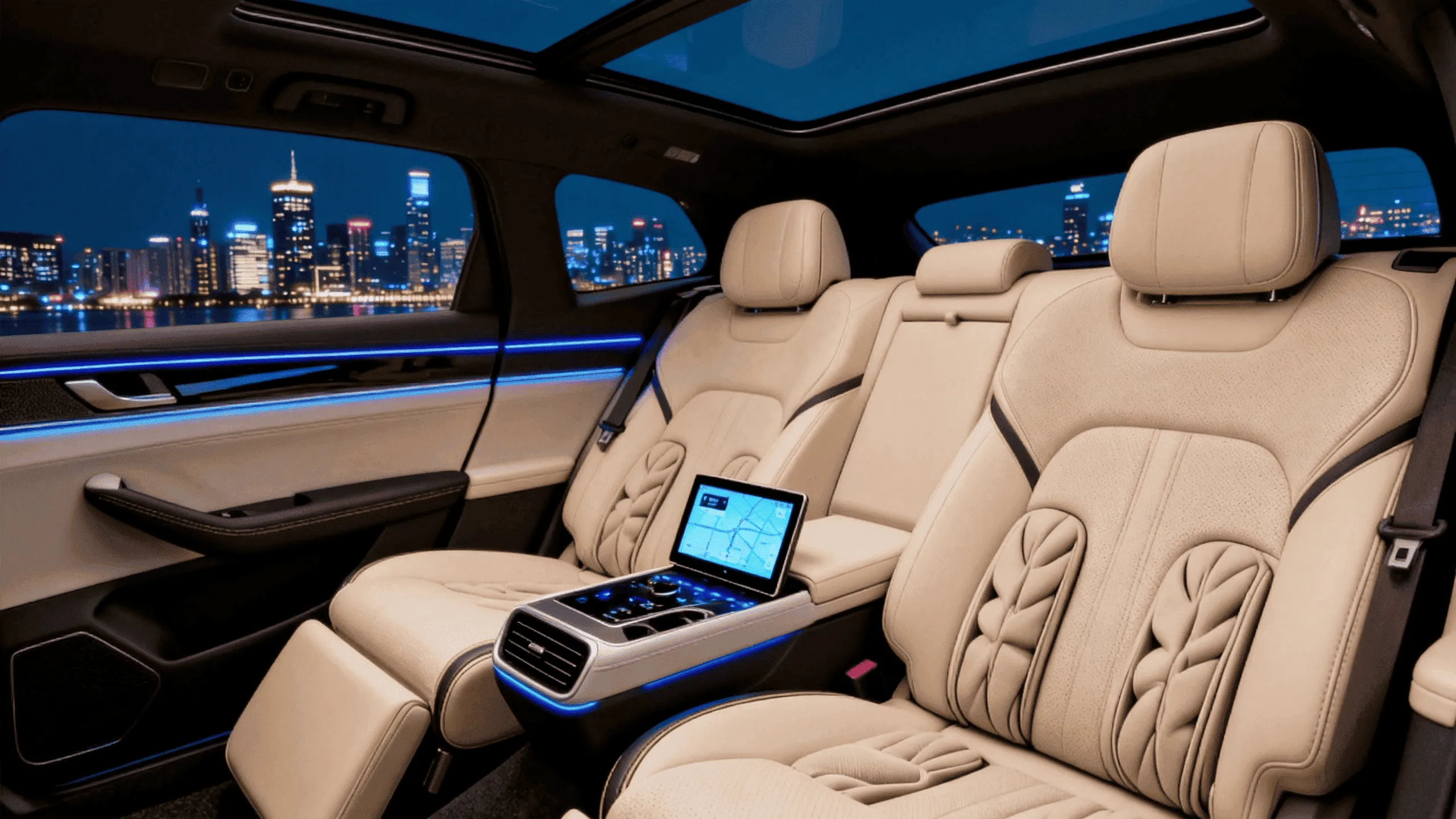
The rear seats' padding is softer than the front seats', and the backrest angle adjustment range is relatively large, but at the most reclined position the lumbar support feels too protruding; cushion length is acceptable, the floor is slightly high, and thigh support is average in normal seating. The control screen on the center armrest has been moved below the air vents, so it can be operated when three people are seated; with two people seated, it requires reaching forward, though the related functions can basically be controlled by voice. The rear retains ventilation and heating, but the rear massage function from the top-trim Avatr 07 has been removed.
Overall, the Avatr 07L's trade-off direction is clear: it adds wheelbase, battery capacity, driver assistance hardware, and rear passenger space, while subtracting or replacing rear massage, the driver's zero-gravity seat, the audio brand and speaker specifications, hidden door handles, and other features, shifting configuration resources toward space, range, and intelligence.
Product Logic Observations
From a product definition perspective, the Avatr 07L places more emphasis on rear-seat and rest scenarios, such as a flatter roof, a highly adjustable rear backrest, and the continued “chaise lounge” functional positioning. The test-drive content also suggested that if a rear entertainment screen or small table were added on this basis, the use scenarios would be more complete.
For Avatr, the core highlight of the 07L lies in how the combination of “extended length + three motors + HUAWEI Qiankun ADS 5” differentiates its positioning from the Avatr 07: the former targets high-end needs in family scenarios with space and three-electric powertrain performance, while the latter retains more complete comfort features within the same brand lineup. The additions and subtractions between the two constitute a rebalancing of Avatr's product structure in the mid-size SUV segment.