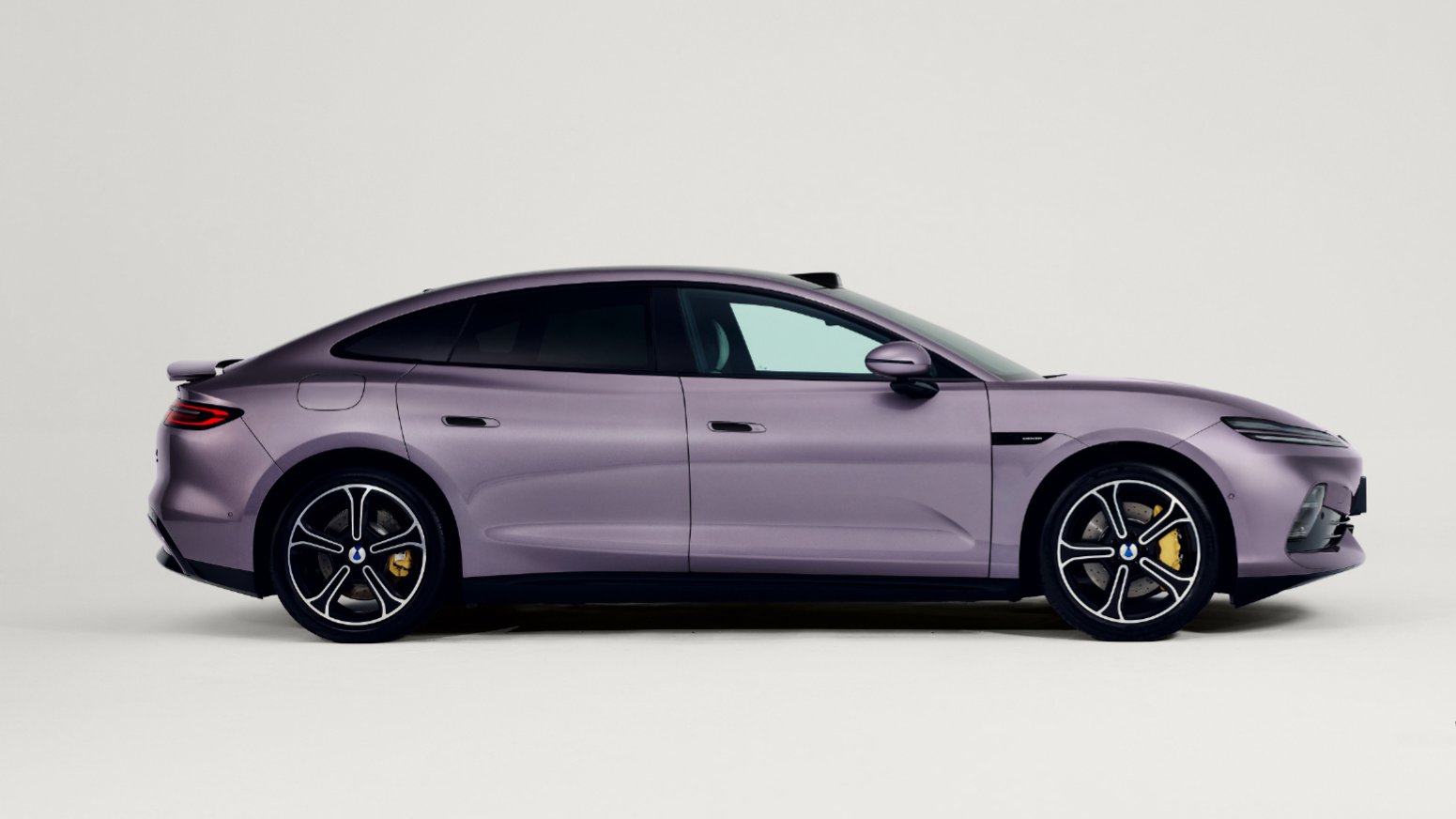
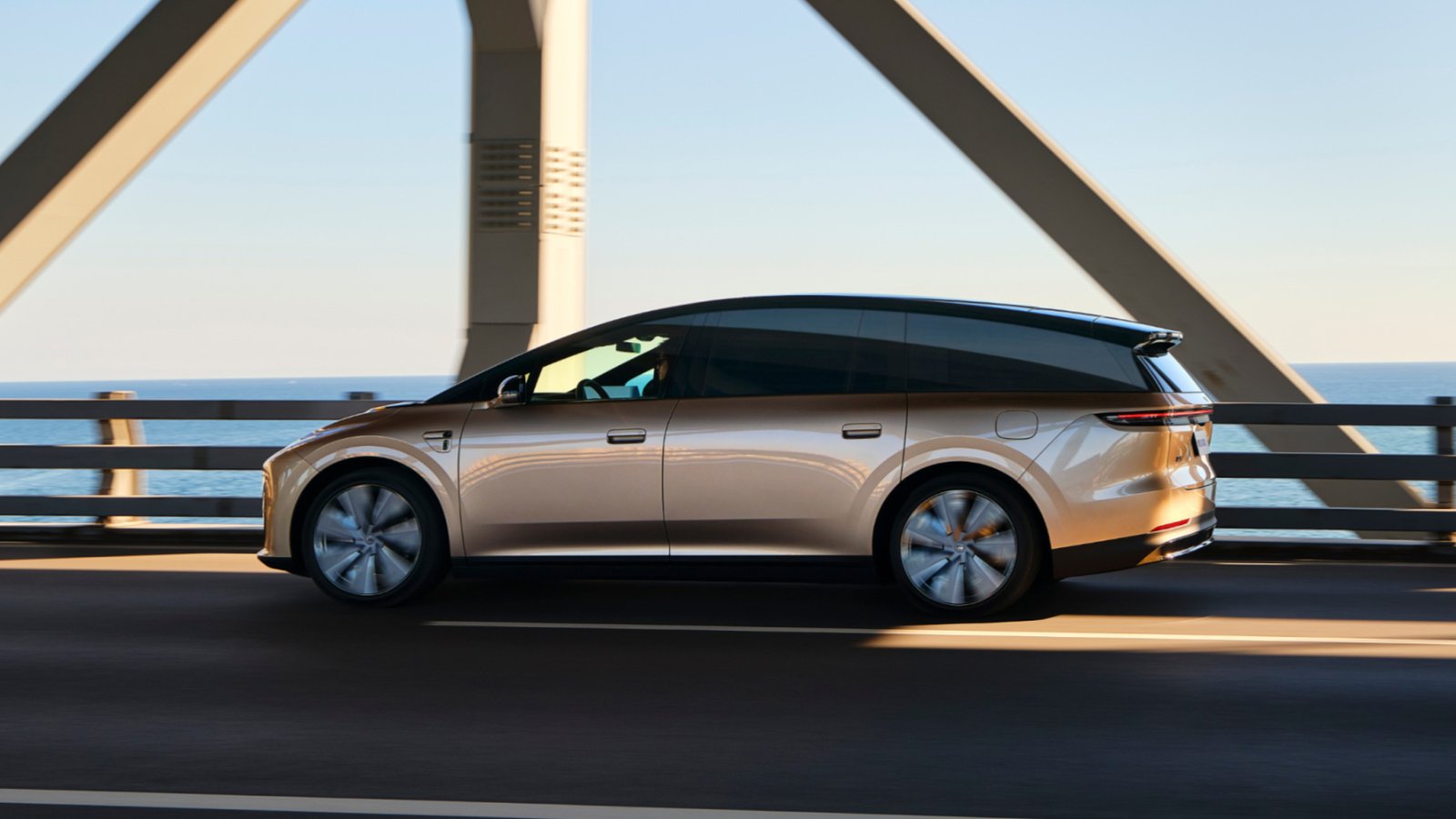
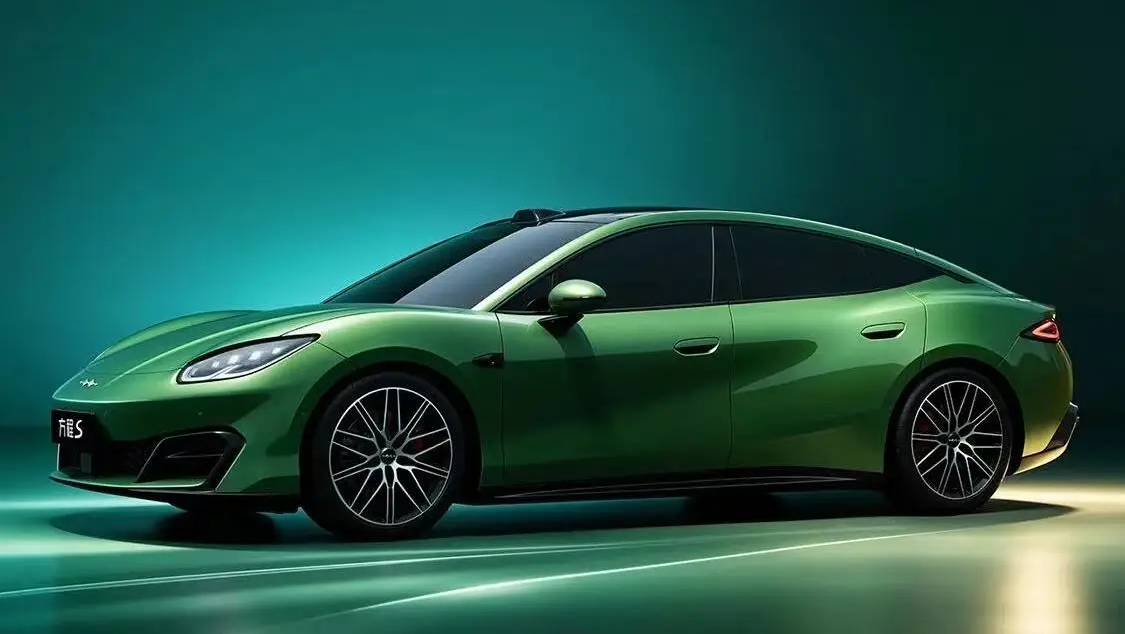
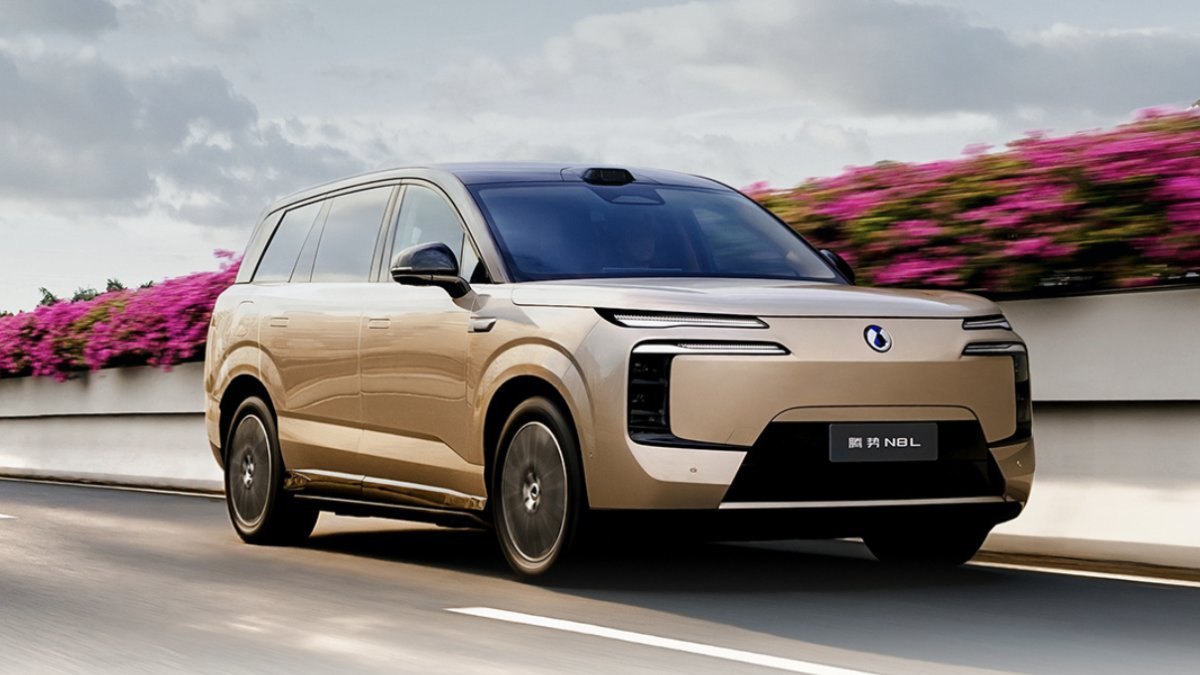
The Lynk & Co 10 debuts at 169,900 yuan with standard all-aluminum double-wishbone suspension and a 900V platform, bringing 300,000-yuan chassis specs to the 170,000-yuan segment and shifting the EV competition toward chassis quality and charging platforms.
The Battle Shifts: From Range Numbers to Chassis and Charging
In 2026, the competitive logic for pure-electric sedans is undergoing a fundamental shift. For the past two years, automakers competed over range and acceleration—who had the bigger CLTC number, who posted the faster 0-100 km/h time. Now, the battlefield has moved to chassis specs and charging platforms.
The Lynk & Co 10 enters this arena as a mid-to-large sporty sedan starting at 169,900 yuan (promotional pricing with up to 14,000 yuan in cash subsidies). What grabs attention is not a single flashy spec, but the fact that it brings high-end features usually reserved for vehicles priced above 300,000 yuan down to the 170,000-yuan level.
Chassis Specs Go Mainstream: From Top-Trim Exclusive to Standard Equipment
Double-wishbone front suspension, all-aluminum subframes, and CDC variable damping—these were once badges of honor for vehicles priced over 300,000 yuan. In recent years, they have trickled down to the 200,000-yuan segment, but most automakers still reserve them for the top trim, leaving mid- and low-tier models with cheaper suspension architectures.
The Lynk & Co 10 chose a different path.
The vehicle comes standard with front double-wishbone and rear integrated multi-link aluminum suspension, featuring a die-cast aluminum rear subframe. The CCD continuously variable damping system is also included across the board, adjusting to road conditions in real time with a damping bandwidth ranging from 100 to over 7,000 Newtons. Crucially, chassis materials remain consistent across all trim levels.
This strategy is rare at this price point, and the benefits are evident on the track. Lynk & Co claims the car set a lap record at an Asian circuit and took first place on the Tianmenshan 99-bend mountain climb—both notorious for tight corners and severe elevation changes.
That tuning prowess comes from racing heritage. Drawing on seven years and nine championships in WTCR, the car was tuned by a team certified at the Nürburgring. Through continuous corners, the chassis delivers precise control over roll, pitch, and yaw, keeping the body stable.
The Lynk & Co 10 does not confine its handling to the track. A 5.7-meter turning radius, millisecond-level electric drive response, dTCS distributed traction control, and intelligent "magic carpet" suspension combine to deliver control across city streets, highways, mountain roads, and adverse weather. It packs the segment's largest rear motor and has withstood 120 full-throttle acceleration tests without performance degradation.
| Dimension | Typical Competitor (200K Yuan) | Lynk & Co 10 Standard |
|---|---|---|
| Front Suspension | MacPherson (most) | Double wishbone |
| Subframe Material | Steel | All-aluminum / cast aluminum |
| Variable Damping | Top-trim only or absent | CCD across all trims |
| Chassis Consistency | Large trim-to-trim gaps | Uniform across lineup |
Charging Platforms Evolve: 800V Nears Its Limit, 900V Arrives
The 800V high-voltage platform has been spreading since 2023 and became mainstream in mid-to-high-end EVs by 2026. But there is a catch: 800V charging speeds are nearing physical limits. The fastest 800V vehicles today take about 15 minutes to reach 80%. No matter how powerful charging stations become, 800V cars will struggle to go significantly faster.
The top-trim Lynk & Co 10 features a full-domain 900V electric platform, giving it a distinct edge in its class. Compared to 800V, it offers 100 volts more, 100 kilometers of extra range, over 100 kilowatts of additional motor power, and triple the charging speed.
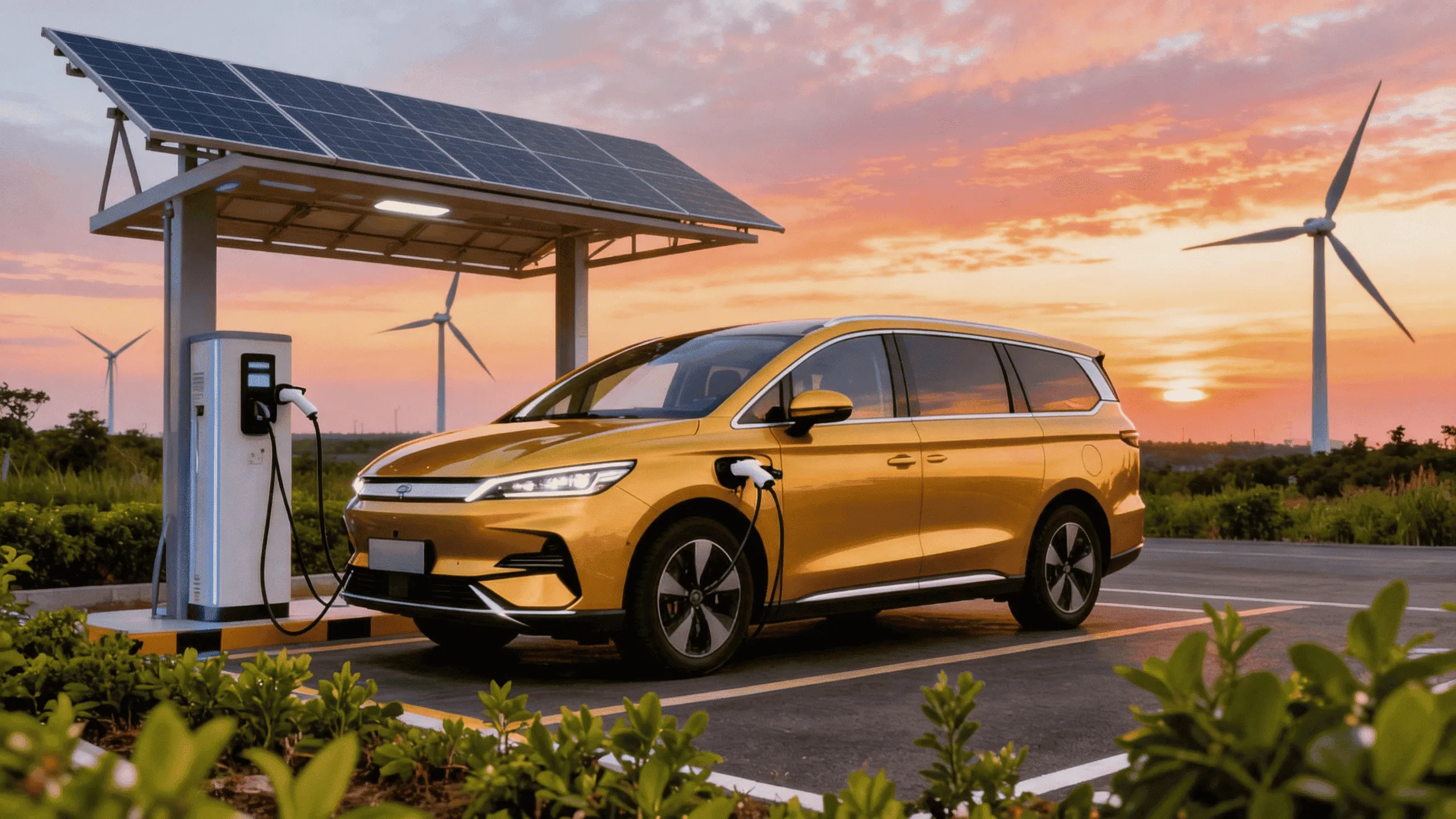
Real-world tests show a 10%-70% charge takes just 4 minutes and 22 seconds, while hitting 80% takes 5.5 minutes—roughly the time it takes to refuel a gas car. On a V4 supercharger, it hits a peak power of 1,093 kW.
The 900V platform also offers future-proofing. As ultra-fast chargers proliferate at highway service areas and shopping centers, 900V vehicles can take full advantage of the speed. Meanwhile, 800V cars are bumping against their ceiling and will not fully benefit from next-generation charging infrastructure.
Speed does not compromise thermal safety. The Lynk & Co 10 meets national safety standards for LFP battery charging temperatures, with a peak charging temperature of just 64°C.
Range and Efficiency: The Fundamentals Remain
Range and efficiency remain fundamental. The Lynk & Co 10 boasts a range of 816 kilometers, with real-world highway consumption recorded at 13.8 kWh/100km. In city driving, the rear-wheel-drive version consumes roughly 10 to 12 kWh per 100 kilometers—costing less than 0.05 yuan per kilometer.
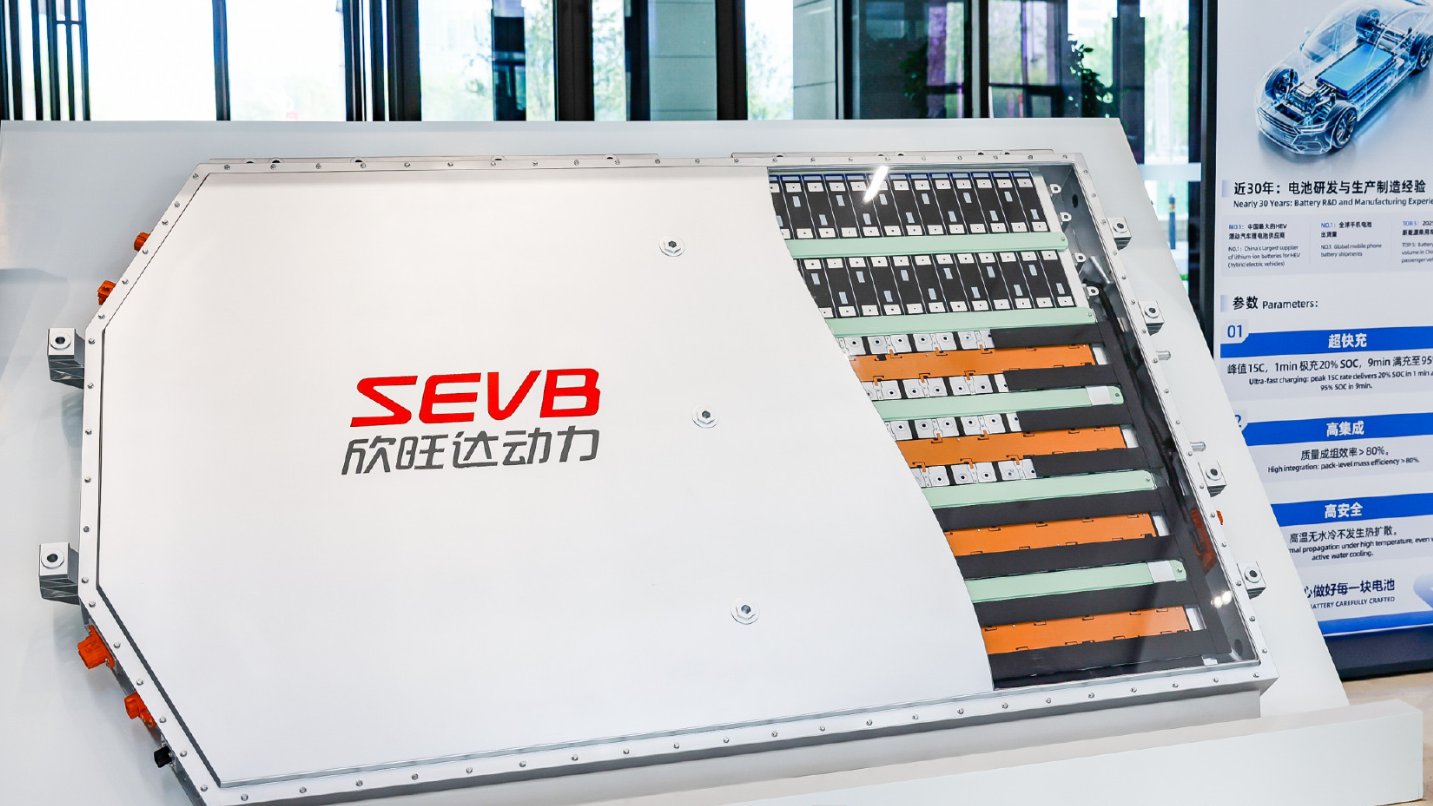
On the safety front, the Lynk & Co 10 comes standard with the "God Shield Gold Brick" battery, featuring a "985" protection structure: nine layers of side protection, eight layers of bottom protection, and five layers of top protection. After undergoing impact tests far exceeding national standards, the battery showed no smoke, fire, or explosion after sitting for two hours. Paired with an AI BMS system, it offers lifecycle safety from the cell to the pack level.
A New Configuration Paradigm: Standardizing Premium Specs
After more than two years of price wars, automakers have little room left to cut costs. In this environment, some are shifting their focus to configuration strategy.
The old playbook was simple: strip down the base models, reserve core tech for the top trim, use low prices to lure customers in, and rely on high-end trims for profit. Consumers wanting a better chassis or faster charging usually had to pay up for the top spec.
The Lynk & Co 10 represents a different approach: standardizing high-end specs to lower the barrier to entry. For a starting price of 169,900 yuan, buyers get an all-aluminum double-wishbone suspension, a 900V platform, over 800 kilometers of range, and the Gold Brick battery. This kind of standardization could put pressure on rivals in the same price bracket.
The battle for 200,000-yuan electric sedans has moved beyond comparing spec sheets to evaluating value propositions and real-world experience. Unified chassis specs and next-gen charging platforms signal an attempt to find differentiation beyond the price war. Whether the market rewards this strategy remains to be seen—and will ultimately be proven by sales. For overseas buyers tracking Chinese NEV technology progress, EX1000.COM provides ongoing coverage.