General Motors announced it will reintegrate Apple CarPlay into its latest in-vehicle infotainment system and is jointly developing a split-screen interface with Apple and Google that can simultaneously display phone apps and vehicle data such as fuel level, tire pressure, and Super Cruise status. The system will debut later this year on the 2027 Chevrolet Silverado and GMC Sierra pickups, featuring a total of 60 inches of connected screens, and will gradually roll out afterward. GM did not specify whether EVs would restore CarPlay. After the news was released, its shares rose slightly by less than 1% in premarket trading to $87.43.
According to Bloomberg, General Motors will reintegrate Apple CarPlay into its latest in-vehicle infotainment system. On September 15, GM said that this new system allows drivers to use CarPlay or Google Android Auto, features a split-screen display, and can also show core vehicle data, such as fuel level, tire pressure, Super Cruise assisted driving status, and trailer-related information. Drivers can operate vehicle functions and phone apps at the same time without frequently switching interfaces.
This is about three years after GM removed CarPlay from its EVs, which sparked dissatisfaction among some consumers.
First rollout: 60-inch connected display and split-screen logic
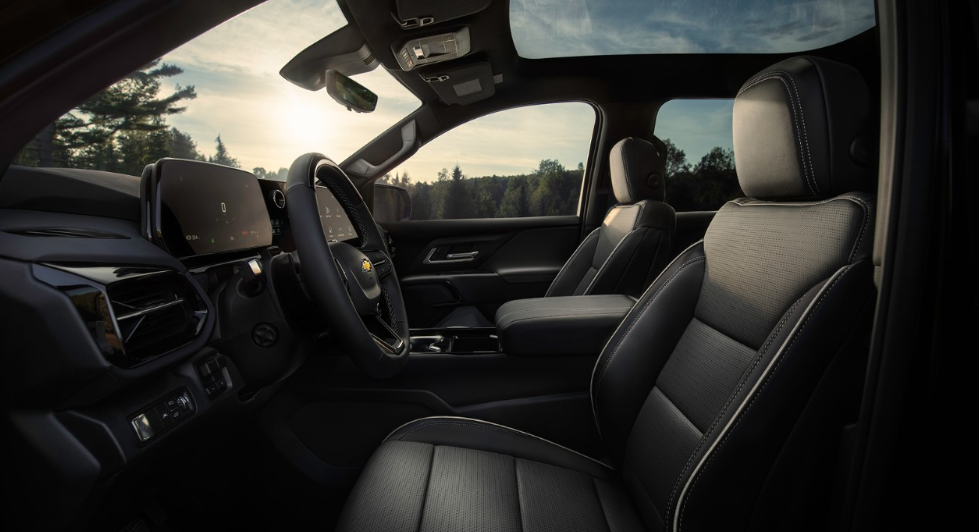
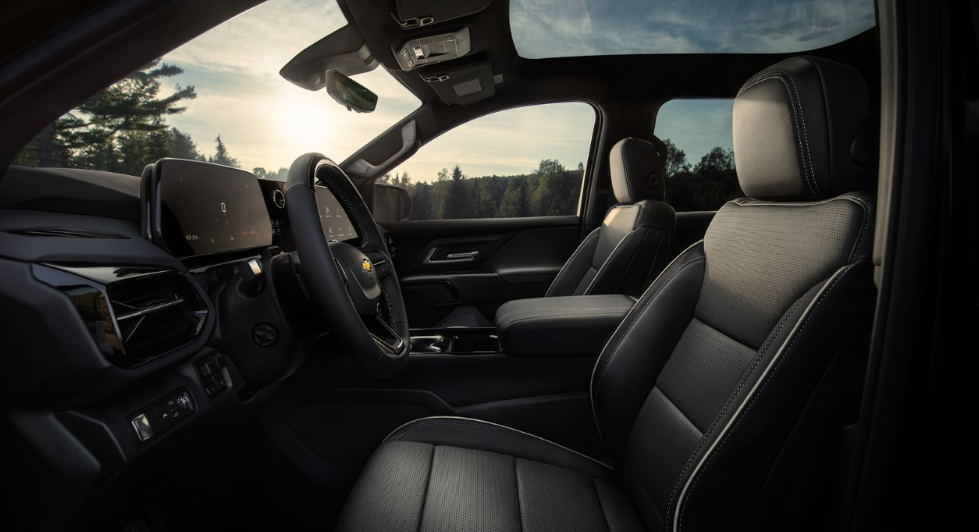
According to GM's announced plan, this human-machine interface will first be available later this year on the 2027 Chevrolet Silverado and GMC Sierra pickups. The new vehicles are equipped with a total 60-inch connected display, and the front passenger screen can play video content. GM plans to gradually roll out this new system to more models.
Split screen is the core change in this interface adjustment. The all-new CarPlay interface was jointly developed by GM and Apple, and the phone projection experience and the native in-car system can be presented side by side on the same screen. Michael Wahlstrom, executive director of GM Connected Apps and Services, said in an interview: “We listen to our customers. Our pickups will continue to retain phone projection. We worked with Apple and Google to jointly develop an all-new split-screen interface.”

It is important to distinguish that GM had not previously cut Apple CarPlay from its gasoline vehicles, but executives had said they planned to phase out the feature. Therefore, for the pickup line, this adjustment is more a reconstruction of the interface form and data presentation than a restoration from “none” to “available.”
Battle of approaches: the boundary between in-house cockpit and phone projection
The reason GM removed CarPlay from its EV products is related to its overall plan for its self-developed in-vehicle infotainment system. As part of the vehicle software platform, the system aims to deeply integrate with vehicle instruments and control systems to create a unified experience while also tapping into software service revenue. Under this logic, phone projection is seen as a replaceable middle layer.
But user feedback did not entirely follow this logic. The removal three years ago angered many GM owners, and a large number of users spoke out on social media, expressing dissatisfaction that they could not project iPhone apps onto the car screen. Alternatives also emerged on the market: a manufacturer named EVPlay launched an external device that enables CarPlay projection for GM EVs and Rivian models, which also do not support CarPlay.
GM's choice this time to jointly develop a new interface with Apple and Google means that between “automakers leading the cockpit” and “phone ecosystem projection,” its stance has shifted from replacement to coexistence. The technical answer provided by the split-screen solution is: vehicle data and phone apps each occupy their own place, rather than choosing one over the other.
Rebalancing the software revenue model
For automakers, the commercial value of developing their own cockpits lies in being able to independently define service entry points and subscription content. GM's electric vehicles currently use a self-developed infotainment system with some iPhone apps built in; late last year, GM also reached a partnership to integrate Apple Music into its EVs that do not support CarPlay. This approach shows that GM has not abandoned the framework of its self-developed system, but rather selectively brings external ecosystems into that framework.
Whether re-integrating CarPlay will weaken the potential for software revenue currently lacks public data to support a judgment. What can be observed is that GM is emphasizing “same-screen presentation” rather than “ceding functionality”—core vehicle data is still output by the head-unit side, while the phone side handles the app ecosystem. This division of labor effectively turns the competitive relationship between the two into coexistence at the interface level.
Whether EVs Will Restore CarPlay Remains Unanswered
One key blank in this announcement is EVs. Michael Wahlstrom did not disclose whether GM will restore CarPlay on electric vehicles. This means the strategic divide over phone projection within GM has not fully converged: gasoline models such as pickups retain phone projection, while EVs continue to use the self-developed infotainment system.
From a product cadence perspective, the new interface will first launch on the 2027 Silverado and Sierra pickups, then gradually roll out to more models. GM retains room for phased validation by model and by platform.
Muted Market Reaction
After the above report was published, during New York pre-market trading, General Motors' stock price rose slightly by less than 1% to $87.43. For a massive automaker, this magnitude of movement indicates that the capital market has not yet clearly priced the adjustment to its cockpit connectivity strategy—it is closer to a product-level response to user demands than a shift at the business model level.
For Chinese new energy vehicle players going global, the reference value of this case lies in this: whether the cockpit is open or closed is not a one-time choice, but will be repeatedly adjusted along with user retention, software monetization progress, and ecosystem partner relationships. The boundary between phone projection and self-developed systems will ultimately still be drawn by users' actual usage behavior.