The BYD Tang EV flagship electric SUV has launched with a full-domain 1000V high-voltage platform, second-generation Blade Battery, and God's Eye 5.0 ADAS. Priced between 239,900 and 309,900 CNY, the model showcases BYD's "core in-house + open collaboration" supply chain strategy with FinDreams handling the powertrain and Nvidia, RoboSense, and Bosch supplying smart driving and chassis components.
Flagship Positioning: Product Lineup and Pricing Strategy
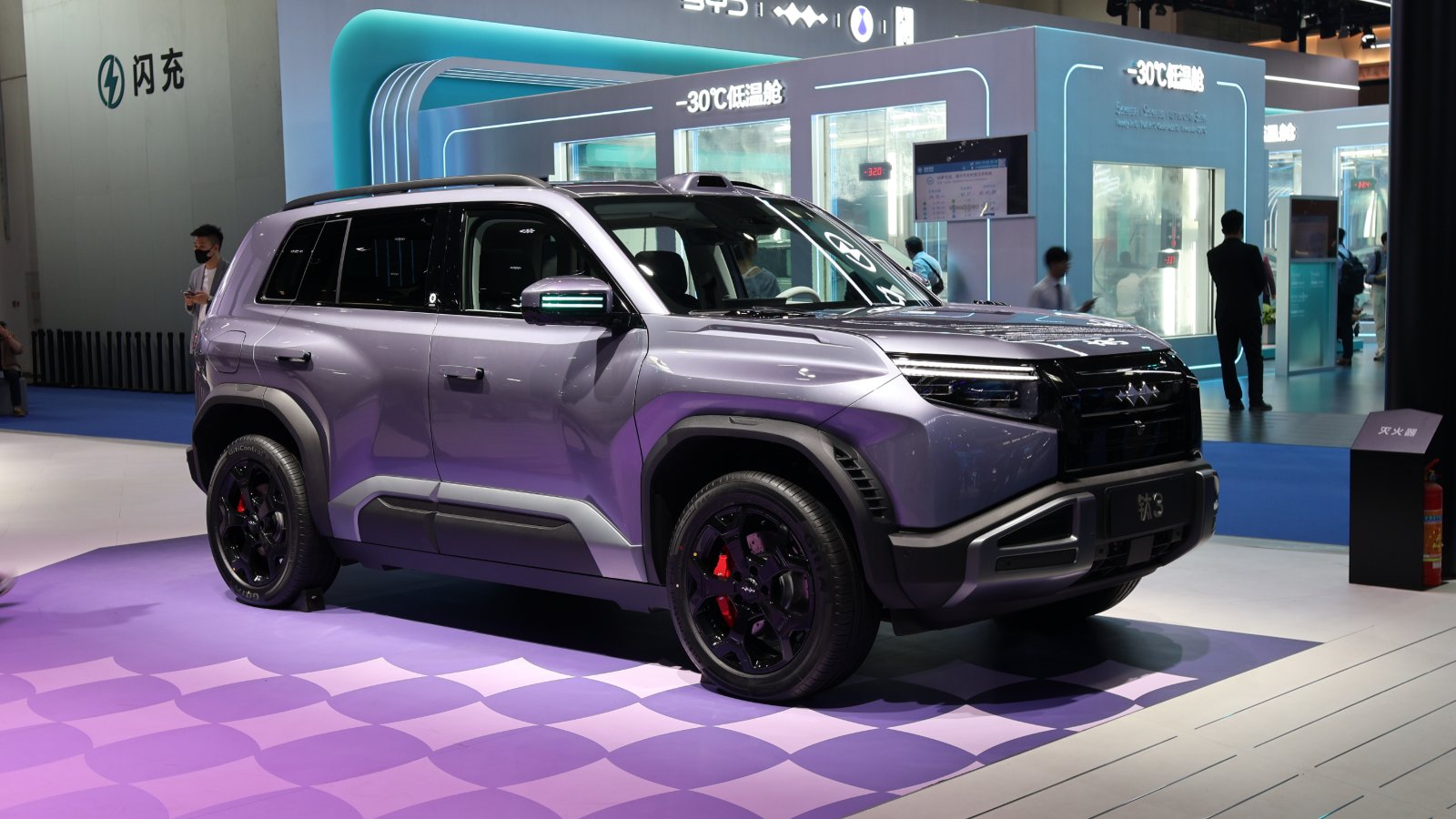
The BYD Tang EV, a full-size battery-powered SUV under the Dynasty Network, carries an official price range of 239,900 to 309,900 CNY. Four configurations are available: an 800km RWD Honor Edition, a 950km RWD Flagship, an 850km AWD Flagship, and the range-topping Dynasty Edition. This pricing directly targets the premium mid-to-large electric SUV segment, competing head-to-head with the NIO ES8 and Li Auto L9.
In terms of dimensions, the Tang EV inherits BYD's flagship SUV DNA with generous interior space, offering both large five-seat and six-seat layouts to meet diverse family mobility needs.
Powertrain: Vertical Integration on Full Display
The Tang EV's drivetrain demonstrates BYD's comprehensive vertical integration across core electric systems.
The propulsion system, supplied by FinDreams Power, comes in three configurations:
300kW rear-wheel-drive single motor
370kW RWD high-performance variant
Dual-motor AWD (front 215kW + rear 370kW, combined 585kW)
The AWD variant achieves a zero-to-100 km/h sprint in just 3.9 seconds, approaching the performance benchmark of some sports cars.
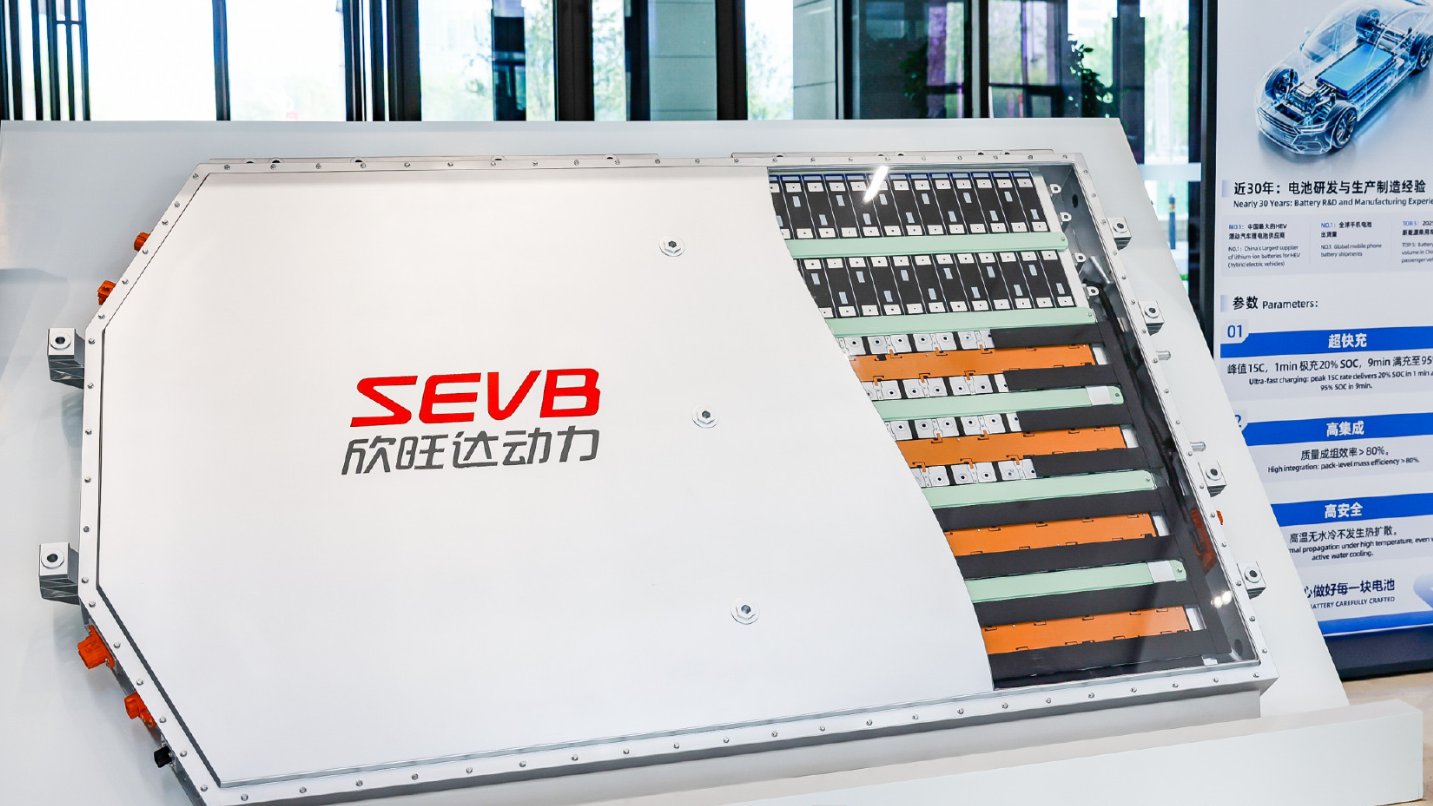
The battery system features FinDreams Battery's second-generation Blade Battery, integrated with CTB (Cell-to-Body) architecture. Two capacity options are offered:
105.79kWh: CLTC range of 800km/850km
130.15kWh: CLTC range of 950km
Charging performance is a core selling point. The full-domain 1000V platform supports up to 10C charging rates. Official data shows a 10%-70% charge takes as little as 5 minutes, while 10%-97% requires only 9 minutes. At launch, BYD's flash-charging network spanned 321 cities across China.
Variant | Battery | CLTC Range | Drivetrain | 0-100 km/h |
|---|---|---|---|---|
800km Honor Edition | 105.79kWh | 800km | RWD 300kW | — |
950km Flagship | 130.15kWh | 950km | RWD 370kW | — |
850km AWD Flagship | 105.79kWh | 850km | AWD 585kW | 3.9s |
Dynasty Edition | 130.15kWh | 950km | AWD 585kW | 3.9s |
Smart Driving: God's Eye B Hardware and Algorithm Capability
The Tang EV comes standard with the God's Eye 5.0 advanced driver-assistance system, featuring the God's Eye B (DiPilot 300) LiDAR edition. The sensor suite is comprehensive:
1 RoboSense high-sensitivity lidar
11 smart-driving cameras (front multi-vision, surround, side, rear)
3 millimeter-wave radars
12 ultrasonic sensors
The computing backbone is the Nvidia Orin-X chip, delivering 254 TOPS of processing power.
Functionally, the system leverages end-to-end large models to support both highway NOA and city NOA. Capabilities cover ramp entry and exit, sharp turns, construction zone avoidance, unprotected left turns, roundabouts, traffic light recognition, yielding to pedestrians and cyclists, and assertive lane changes. Parking features include automated, memory, and remote parking, backed by active safety functions like AEB and TBC high-speed blowout stability control.
Smart Cockpit and Chassis: Multi-Screen Ecosystem Plus DiSus-A Air Suspension
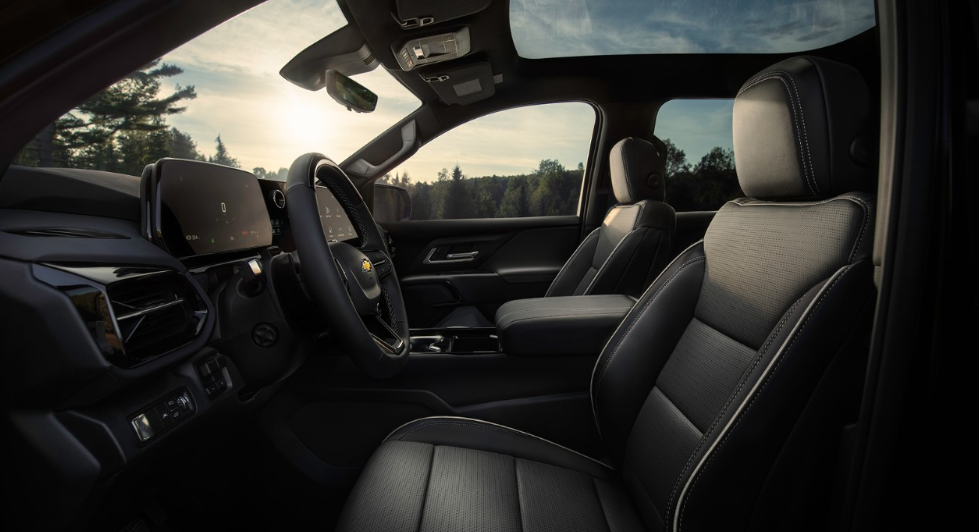
The cabin runs on BYD's in-house DiLink 6.0 system, integrating mainstream large models for fuzzy semantic interaction and multi-turn dialogue. Standard display equipment includes a 12.3-inch full-LCD instrument cluster and a 17.3-inch 3K floating central screen. Higher trims add a 12.3-inch passenger entertainment screen, a 17.3-inch rear ceiling display (from Haiwei Tech), and a 50-inch AR-HUD.
Audio is handled by a Devialet custom sound system across the lineup, ranging from 20 speakers on the base model to 27 speakers with 7.1.4 channels on the Dynasty Edition (including headrest speakers, 2,200W peak power, and Dolby Atmos support).
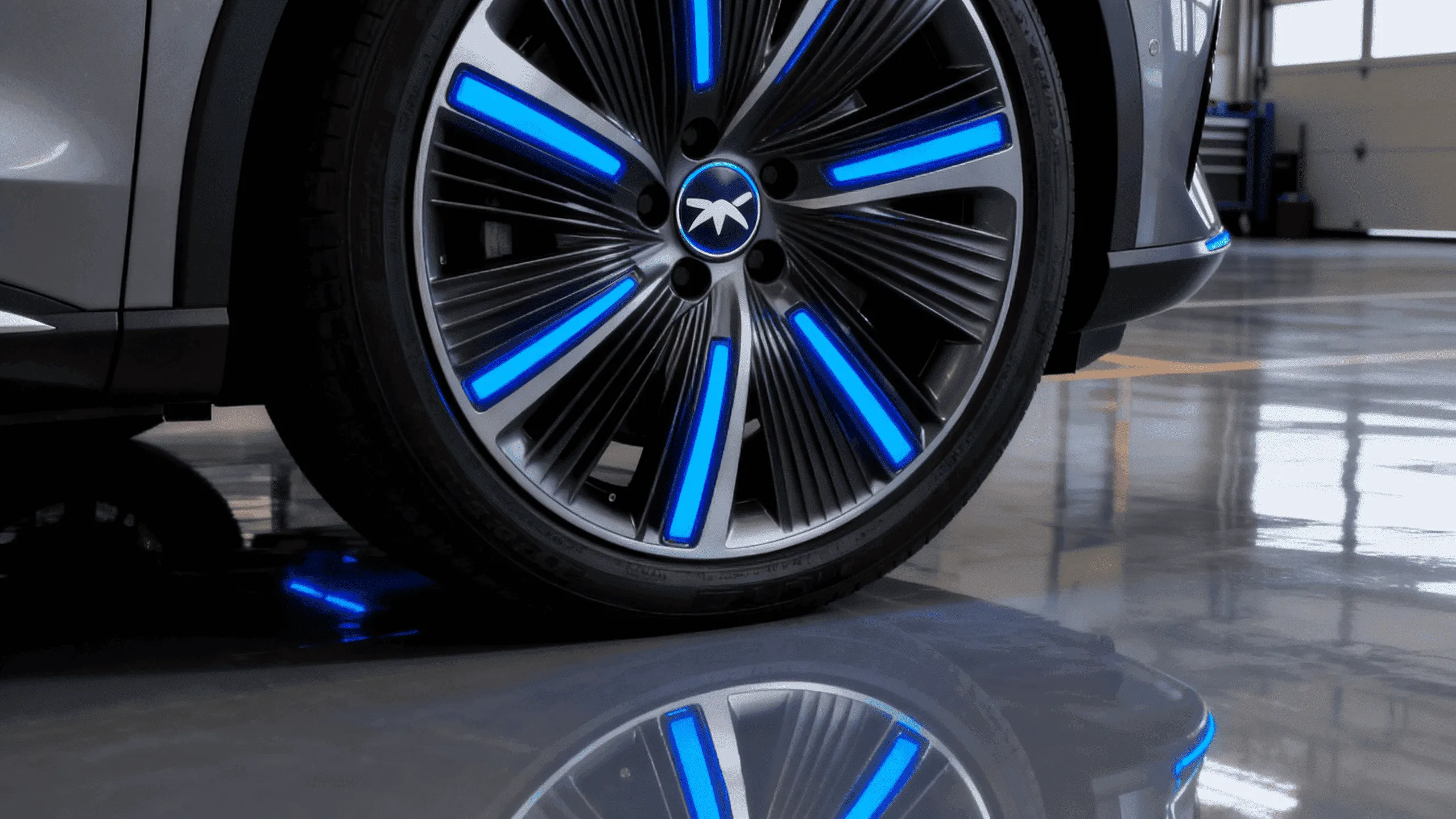
The chassis employs front aluminum double-wishbone and rear five-link independent suspension on the CTB architecture. Rear-wheel steering is standard with a maximum angle of ±7 degrees, yielding a turning radius of just 5.2 meters on mid-to-high trims. The base Honor Edition gets DiSus-C intelligent damping, while the Flagship and Dynasty Edition upgrade to DiSus-A dual-chamber closed air suspension (air spring assemblies supplied by Baolong Tech).
Supply Chain Strategy: From Full Self-Development to "In-House Plus Open Collaboration"
The Tang EV's parts list clearly illustrates BYD's evolving strategy: "core powertrain in-house + key hardware open collaboration."
In-house / Affiliated Suppliers:
FinDreams Battery: Second-generation Blade Battery
FinDreams Power: Drive motors and controllers
BYD DiLink 6.0: Smart cockpit system
DiSus-A/C: Intelligent chassis control
External Partners:
Nvidia Orin-X: ADAS computing platform
RoboSense: Lidar
Bosch IPB: Intelligent integrated braking
Desay SV: Instrument and passenger display modules
Tianma: Central screen module
Haiwei Tech: Rear ceiling display
Devialet: Audio system
Baolong Tech: Air spring assemblies
This "in-house R&D plus open cooperation" structure is becoming BYD's new norm. As the 1000V platform, second-gen Blade Battery, and God's Eye system roll out across more models, BYD's supply chain strategy is shifting from pure electrification vertical integration toward a smarter, more collaborative ecosystem. For overseas dealers and buyers tracking China's NEV supply chain, the Tang EV's component list offers an excellent window into the technology roadmap of a leading manufacturer. More information at EX1000.COM.