Active equity funds allocated just 1.9% to the auto sector in Q2 2026, a five-year low. The market has largely digested negatives like sluggish demand and intensifying competition, with fundamentals beginning to diverge.
Institutional Holdings Plunge to Five-Year Trough
A recent report from Orient Securities shows that in the second quarter of 2026, active funds allocated just 1.9% of their heavy portfolios to the auto industry — a 2.2 percentage-point drop from the previous quarter and a five-year low. That figure sits 1.7 percentage points below the long-term average of 3.6% seen since 2015.
By market capitalization, the auto sector accounts for 3.3% of the total A-share market, resulting in an underweight allocation of 1.3 percentage points. Specifically, fund holdings in both passenger vehicles and auto parts have fallen to bottom ranges. The market's previous pessimism has been fully released, and valuation bubbles have essentially cleared.
Key Fund Auto Allocation Data:
Q2 allocation ratio: 1.9% (five-year low)
Quarter-over-quarter change: -2.2pp
Deviation from historical mean: -1.7pp (vs 3.6% long-term average)
Sector market cap share: 3.3%
Underweight magnitude: 1.3pp
Secondary Market Shows Signs of Recovery
Recent performance in the secondary market confirms this turning point. As of July 31, the auto index stood at 9,269.98 points, gaining 0.78% in a single session. After a period of volatility, the trend is clearly moving upward. Individual stocks, however, are moving in different directions:
This divergent pattern is driven by marginal improvements in fundamentals. The market's pessimistic narrative for the auto sector — sluggish domestic demand, intensifying price wars, and squeezed profitability — has been largely priced in. As negative news is fully digested, automakers and component leaders with differentiated competitive advantages are poised to lead the valuation recovery.
Stock | July 31 Performance | Key Driver |
|---|---|---|
SAIC Motor | +1.5% | Joint venture stabilization |
JAC Motors | +7%+ | NEV transition acceleration |
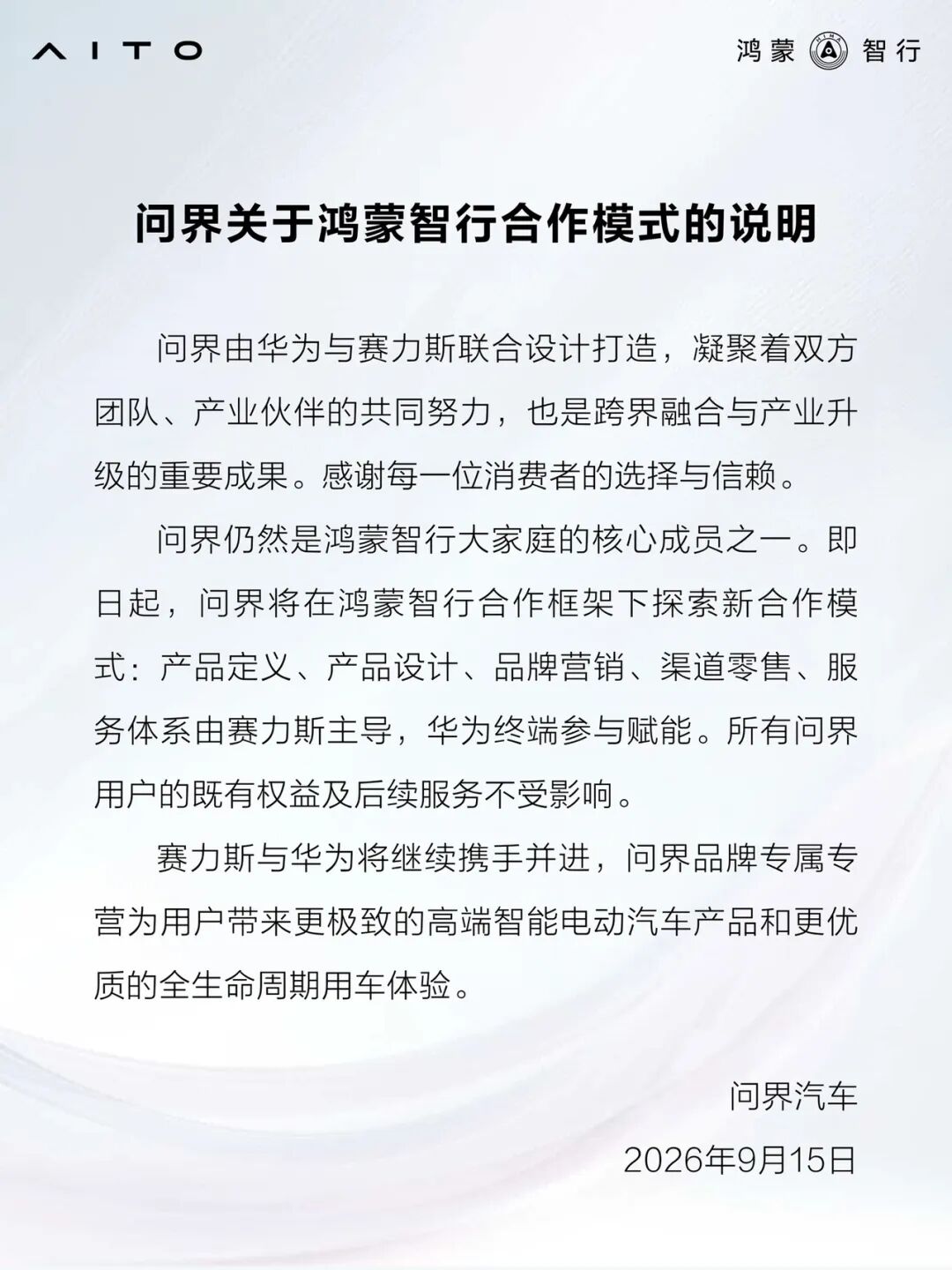
Seres | Modest gain | AITO series volume growth |
Changan | Modest gain | Own-brand share expansion |
Investment Reference for Overseas Buyers
For overseas investors and industrial buyers tracking China's auto sector, the current institutional allocation trough sends an important signal:
High valuation safety margin: Underweight status implies limited downside risk
Intensifying fundamental divergence: Companies with tech moats and export capabilities show more resilience
Export chain remains a bright spot: Automakers with high overseas exposure are less affected by domestic demand fluctuations
From a supply chain perspective, component companies in segments like intelligent driving, high-voltage fast charging, and domain controllers maintain high growth potential even during periods of sector-wide pressure. For Central Asian and Russian institutions planning to invest in or trade within China's automotive supply chain, the current timing may represent a favorable observation window.
Notably, the stabilization of the auto index does not signal a full-scale bull market. The industry competitive landscape is still being reshaped, and companies without core competitiveness will face continued pressure. Overseas buyers are advised to track automakers and key suppliers with clear technology roadmaps and overseas channel advantages through platforms like EX1000.COM.