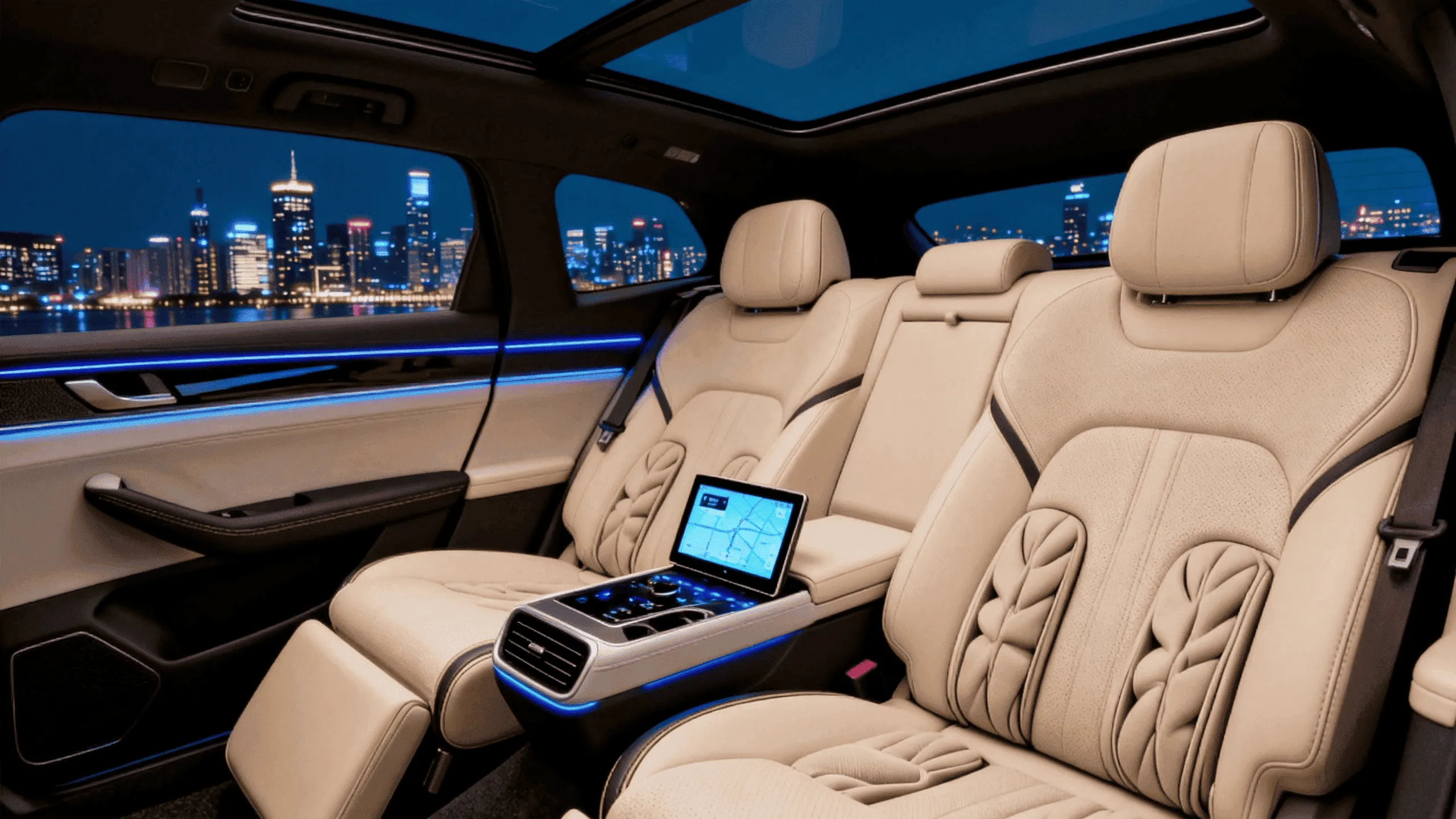
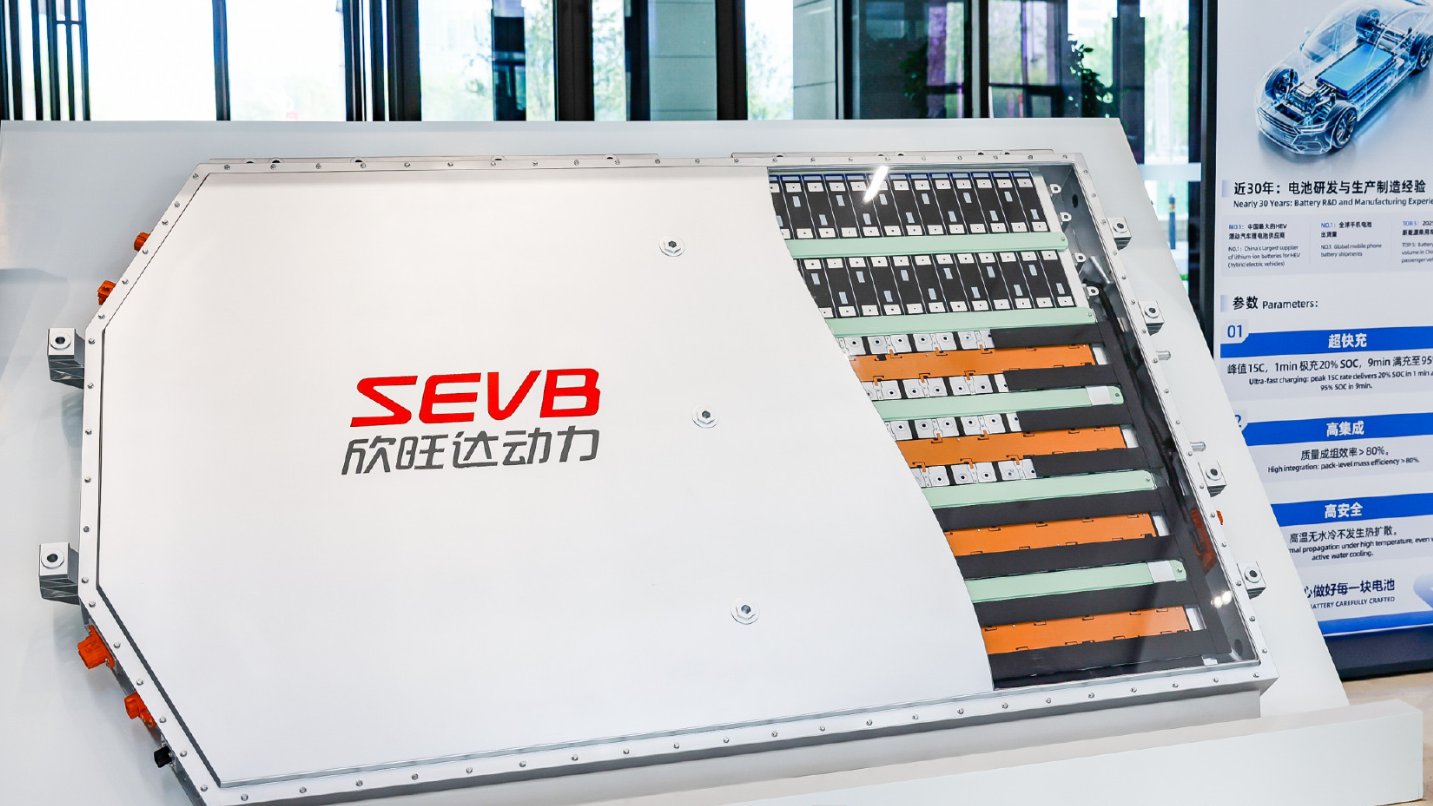
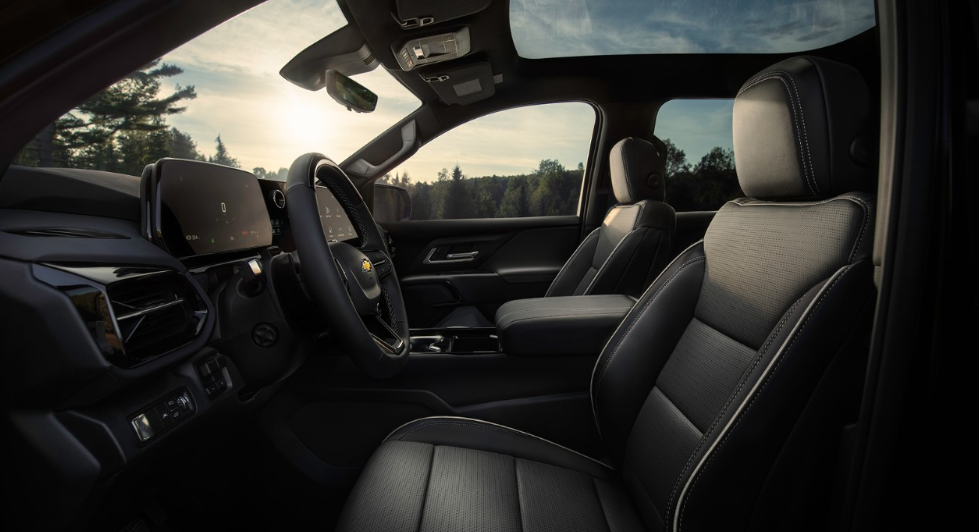
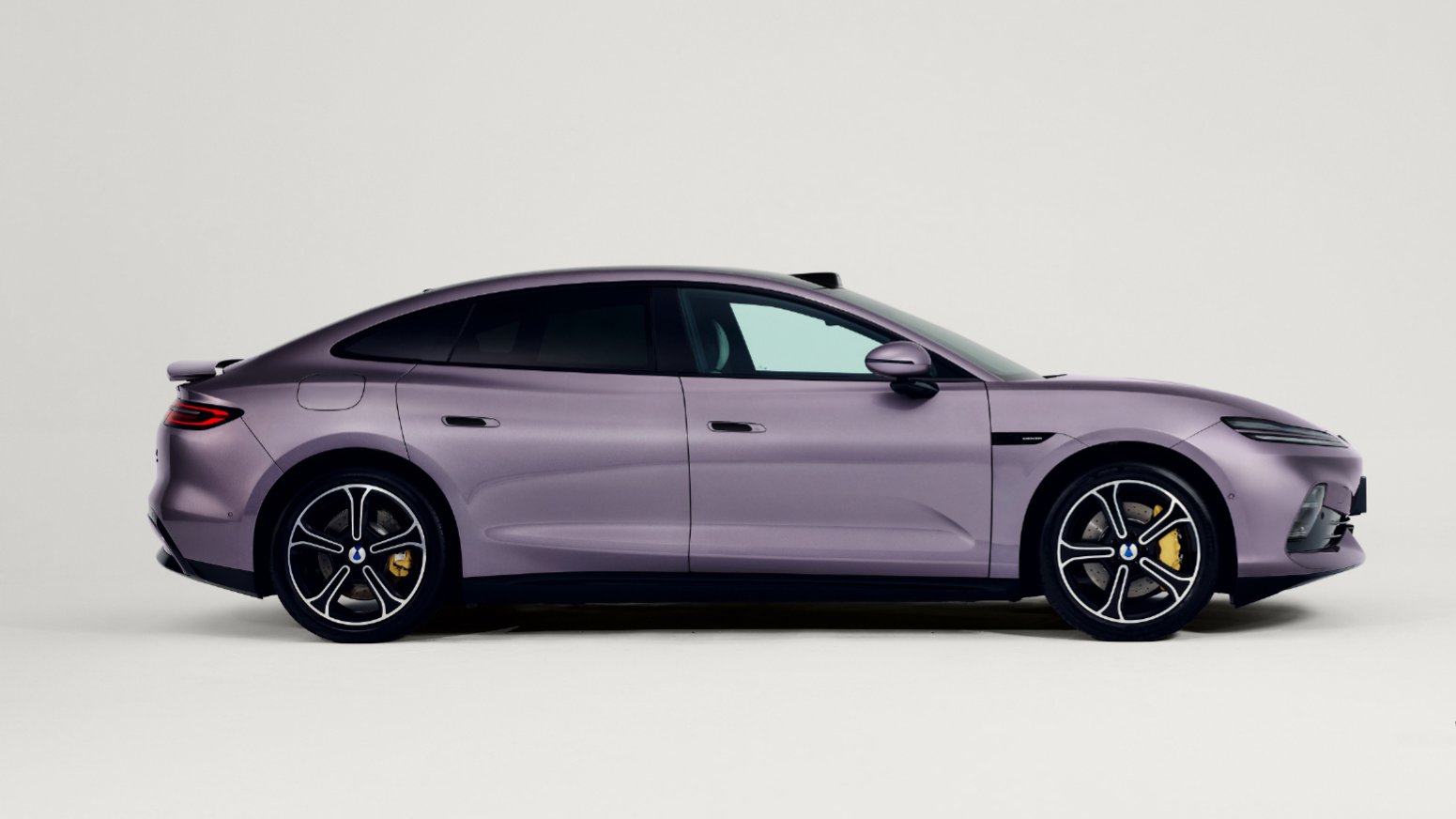
As China's NEV industry enters a new phase of intelligent competition, automotive chassis systems are undergoing a profound transformation from traditional mechanical assemblies to intelligent, software-defined platforms. Gasgoo Awards 2026 identifies by-wire chassis and active suspension as key technology acceleration areas.
Intelligent Chassis: From Mechanical Components to Software-Defined Platforms
As the new energy vehicle industry enters a new phase of intelligent competition, automotive chassis systems are undergoing a profound transformation—from traditional mechanical assemblies toward intelligent, software-defined platforms. In the 2026 Gasgoo Awards, intelligent chassis was designated as one of ten core evaluation categories, encompassing steer-by-wire (SBW), brake-by-wire (EHB/EMB), active suspension, chassis domain controllers, and other key technology directions.
Traditionally, the chassis has been responsible for fundamental vehicle functions such as support, handling, and safety. However, with the rapid advancement of electrification and vehicle intelligence, chassis systems are evolving beyond their conventional mechanical role by integrating electronic control, intelligent actuation, and software capabilities. They are becoming a critical execution platform that links advanced driver assistance systems (ADAS) with vehicle motion control.
The core drivers of chassis intelligence include:
- Scale-up of advanced autonomous driving: Vehicles require not only more powerful perception and decision-making, but also chassis systems capable of faster, more precise, and highly coordinated motion control
- Centralized computing architectures: The advancement of central computing platforms and domain fusion architectures demands greater software capability and cross-domain coordination from chassis systems
- Cockpit-driving fusion: Integration between chassis and intelligent cockpits is reshaping overall vehicle system architecture logic
China's Intelligent Chassis Market Landscape in 2026
According to Gasgoo Automotive Research Institute data, China's passenger vehicle intelligent chassis market maintained strong growth from January to May 2026, with adoption rates of air suspension, brake-by-wire, and steer-by-wire continuing to rise across NEV models.
Air suspension has emerged as one of the most representative segments of the intelligent chassis market. Rankings for January-May 2026 installations show market concentration continuing to increase:
| Supplier | Installations (Jan-May 2026) | Market Share |
|---|---|---|
| KH Automotive Technologies | 219,660 sets | 35.2% |
| Top Group | 188,869 sets | 30.3% |
| Baolong Automotive | 157,818 sets | 25.3% |
| Others | — | <10% |
The top three suppliers together account for over 90% of market share, reflecting both the high concentration in the air suspension segment and the rapid competitiveness improvement of China's intelligent chassis supply chain.
Core Technology Directions: By-Wire Chassis and Active Suspension
2026 is viewed by the industry as a pivotal year for by-wire chassis technology mass-production breakthroughs. Compared to small-scale demonstrations in 2025, more models this year will eliminate mechanical connections for steering columns and brake pedals, relying purely on electronic signal transmission.
Current intelligent chassis technology competition focuses on three main directions:
- Suspension system active enhancement: Using air suspension and active damping to improve comfort and stability across different driving conditions
- Engineering maturation of steer-by-wire and brake-by-wire: Reserving space for higher-precision vehicle control and future intelligent features
- Continuous improvement of chassis domain controller integration: Reducing redundant hardware and increasing response efficiency
Specific competitive focal points for each technology direction:
- Brake-by-wire: Response speed, control precision, functional safety, and redundancy design are key differentiators
- Steer-by-wire: Reliability and compatibility with intelligent driving systems are critical
- Air suspension and CDC systems: Vehicle posture control, response performance, and cost optimization are primary competitive dimensions
| Technology Direction | Key Competitive Factors | 2026 Progress |
|---|---|---|
| Brake-by-wire | Response speed, precision, redundancy | Mass-production breakthrough |
| Steer-by-wire | Reliability, ADAS compatibility | Mass-production breakthrough |
| Active suspension | Posture control, response, cost | Penetrating 200K-300K RMB segment |
| Chassis domain control | Integration, cross-domain coordination | Continuous optimization |
From Component Competition to System Integration
Intelligent chassis competition is shifting from individual component performance to system-level integration and coordinated control. As intelligent driving, centralized computing platforms, and software-defined vehicles continue advancing, chassis systems are increasingly expected to deliver greater software capability, system integration, and cross-domain coordination.
Skateboard chassis architectures are also maturing further, evolving from hardware mechanical structures toward integrated chassis domain controllers, enabling coordinated control of braking, steering, and suspension. In particular, regulatory approval and installation of steer-by-wire technology have achieved physical decoupling of the chassis from the steering wheel—opening possibilities for spatial design in intelligent cockpits while enhancing the precision with which autonomous driving systems can control vehicle posture.
Fully active suspension represents a quintessential application of smart chassis technology integration. By using preview cameras and radar to sense road conditions ahead, chassis systems can adjust damping and stiffness with microsecond-level response times. In 2026 model configurations, this technology is trickling down from million-yuan luxury vehicles to the 200,000–300,000 RMB market segment.
Behind this trend is the continuous decline in technology costs; automakers hope to leverage chassis hardware upgrades to enhance fundamental driving dynamics and differentiated competitiveness. For professionals tracking China's automotive supply chain and technology evolution, EX1000.COM provides the latest intelligent chassis market dynamics and technology analysis.