According to Bloomberg, Nissan executive Massimiliano Messina said that if the UK wants equal treatment under EU rules of origin, it may need to impose trade tariffs on Chinese cars. Chinese brands currently account for 20% of UK market sales, and the UK has not yet followed the EU in imposing tariffs on Chinese electric vehicles, while the EU's "made in the EU" rules could exclude UK production from subsidies. Nissan previously announced a £170 million investment to produce a hybrid SUV at its Sunderland plant. This policy gap and concerns about circumvention will affect Chinese automakers' access to the European market and their localization plans.
Two Issues Behind a Single Statement
According to Bloomberg, Massimiliano Messina, Nissan's executive responsible for Europe and other regional operations, told reporters on a conference call that if the UK wants equal treatment under the EU's rules of origin framework, it may need to impose trade tariffs on Chinese cars. He also warned that the EU needs to be wary of the UK becoming a "Trojan horse" and prevent Chinese cars from flooding into the EU market via the UK.
This statement effectively ties two issues together: first, whether the UK can continue to be included in the subsidy scope of the EU's industrial policy; second, whether the UK will stay in sync with the EU on auto trade policy toward China. For Chinese automakers planning their European path, both bear on the actual cost of market access.
20%: The Weight of Chinese Brands in the UK Market
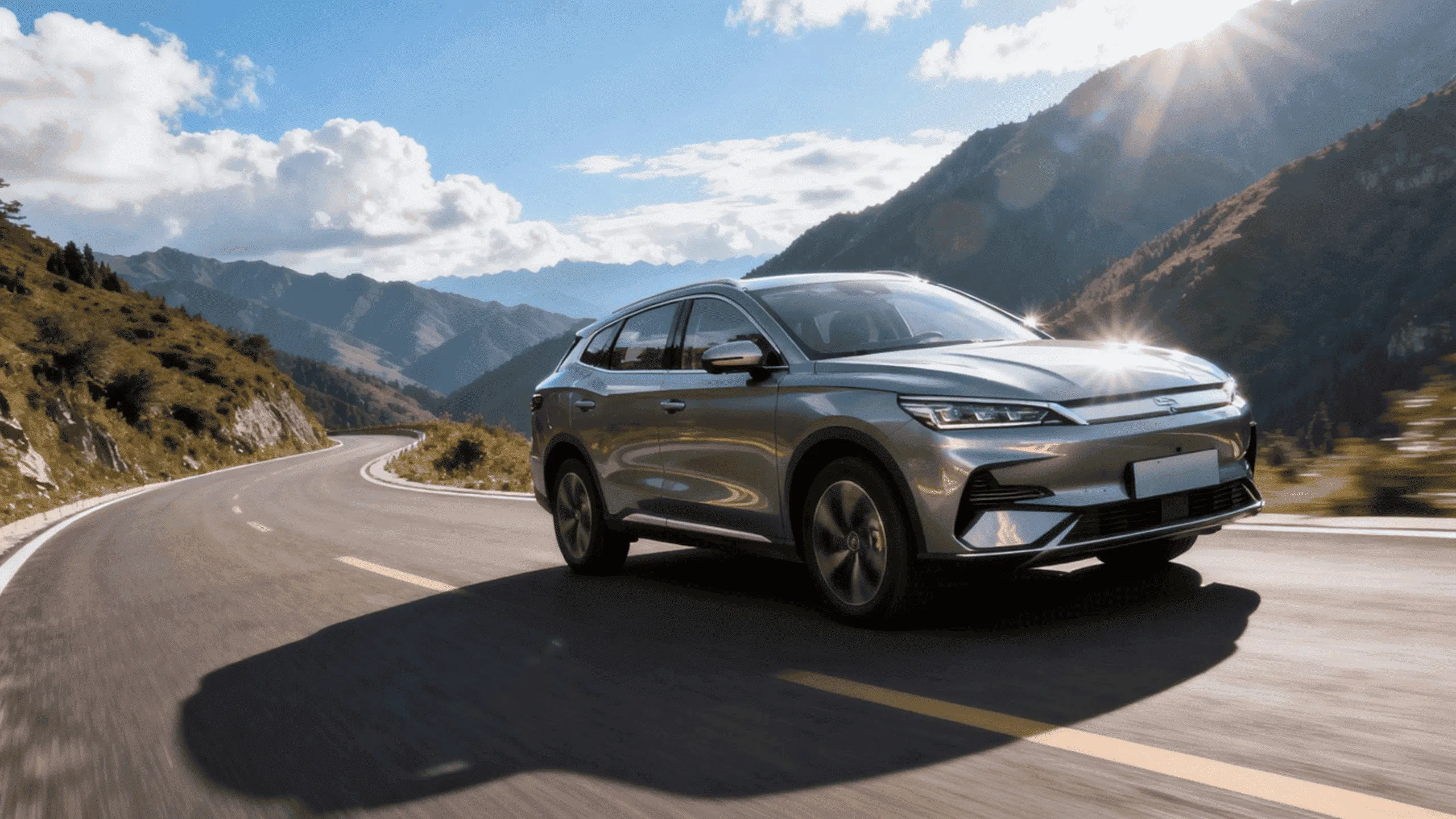
The key figure Messina mentioned is that Chinese-brand car sales now account for 20% of total UK market sales, or one-fifth.
Compared with the EU, the UK has not yet introduced similar tariffs on Chinese cars. The EU, meanwhile, has already imposed high tariffs on electric vehicles imported from China. In addition, Bloomberg reported this week, citing people familiar with the matter, that Germany is preparing a policy package that may include additional tariffs on plug-in hybrid models.

With the EU having already set limits while the UK has not, the UK market has become relatively more attractive to Chinese brands, which also forms the real-world basis for the "transit" concern.
The "Made in the EU" Rule and the Risk of the UK Being Excluded
The immediate backdrop to this statement is the "Made in the EU" rules of origin proposed by the European Commission. According to Messina's description, the rule may provide key subsidies only to vehicles produced within the EU, and the UK production operations of automakers such as Nissan would be excluded.
The UK government is seeking a solution to avoid being excluded from the policy. Messina stressed that the tariff issue is crucial because "Europe's introduction of the 'Made in Europe' rule has a clear purpose: to reduce the scale of inflows of affordable Chinese products."
In other words, the EU, on the one hand, uses rules of origin to lock subsidies into domestic production; on the other hand, it raises the import threshold through tariffs on China. If the UK wants equal treatment on the former, it may need to make reciprocal arrangements on the latter.
The Transit Logic and Possible Paths for Tariff Blocking
Messina's "Trojan horse" remark points to a trade route: vehicles first enter the UK, then flow to the EU market. If the UK maintains lower tariffs while the EU maintains high tariffs, this gap would in theory create arbitrage space.
Based on currently public information, the EU may pressure the UK to follow its example and impose tariffs, to prevent large numbers of Chinese cars from entering the EU market via the UK. Whether this pressure materializes and in what form remains to be seen; whether the UK will introduce similar tariffs is also still an open question.
What is certain is that the EU's policy toolbox already includes both rules of origin and tariffs, and the two are linked. For Chinese brands that use the UK as their first stop or transit hub in Europe, this linkage means that the policy benefits of a single market may be weakened by adjustments to rules of origin or tariff policy.
Knock-on Effects on Automakers' European Strategies
From an industry perspective, this statement touches on at least three lines of decision-making for going overseas.
- Pace of market access: The UK has not yet imposed tariffs of this kind, making it a relatively low-barrier market in policy terms within Europe. If the UK aligns with the EU in the future, judgments about the window for entry timing and distribution rollout will need to be reassessed.
- Localized production footprint: The "Made in the EU" rules of origin tie key subsidies to production within the EU, which will directly affect the cost-benefit comparison for companies deciding whether to build plants inside the EU or use the UK as a production base.
- Product mix choices: Germany's policy plans under preparation may include additional tariffs targeting plug-in hybrids. If this approach spreads, the European pricing and launch strategy for plug-in hybrid products will face new variables.
It should be noted that the above effects all depend on policy arrangements that have not yet been finalized, and there is currently no final text available for calculation.
Sunderland's £170 Million
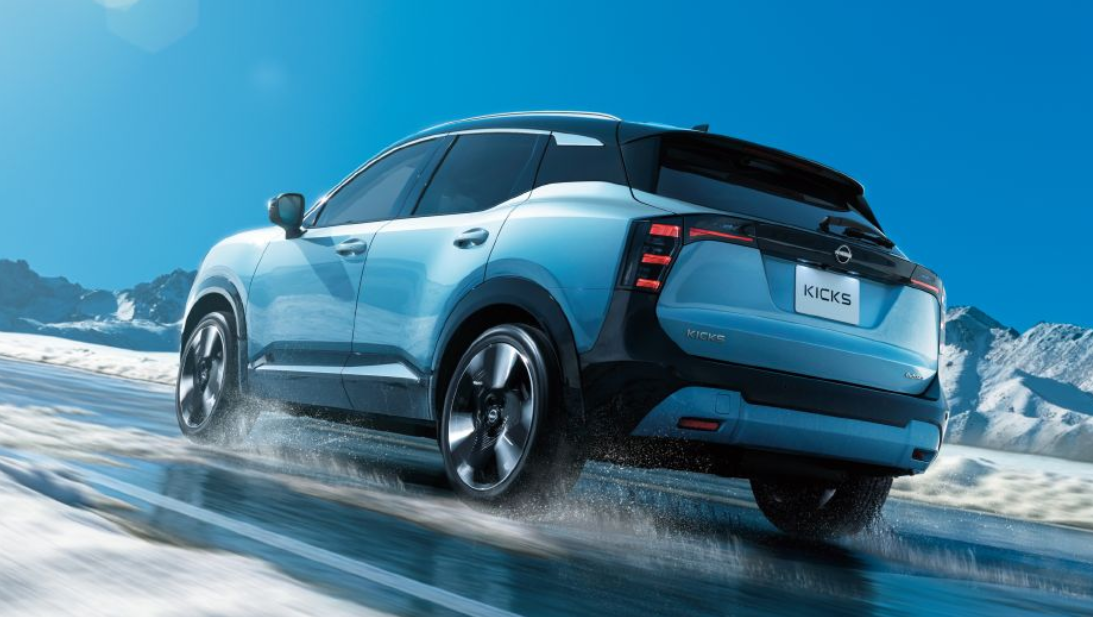
Before making the above remarks, Nissan announced it would invest £170 million (equivalent to US$229 million) to produce a brand-new hybrid SUV at its Sunderland plant.
The Sunderland plant is the UK's largest car factory. Its existing models include the Qashqai, Juke, and Leaf, and the newly added model this time is the Kicks.
For Nissan, this investment not only increases its UK production capacity but also gives it a more direct stake in the question of whether it will be excluded under the "Made in the EU" rules. Messina's statement can be understood against the backdrop of this investment.
Variables to Watch
Based on the available information, several points are worth tracking going forward: how the final text of the EU's "Made in the EU" rules of origin will define "domestic production," and whether it will leave room for arrangements for the UK; whether and when the UK will introduce tariffs on Chinese cars similar to those of the EU; and whether Germany's policy plans for plug-in hybrids will take shape and spill over to the EU level.
Until then, the scale of Chinese brands accounting for 20% of total UK sales, as well as the policy gap between the UK and the EU, will remain the core reference points in the bargaining among all parties.