In early September, battery supply information was disclosed successively for the Arcfox Alpha T7, Geely Galaxy Zhanjian 700, and the BMW Neue Klasse iX3 long-wheelbase version. All three models use battery cells from CATL and cover range-extended, plug-in hybrid, and battery-electric powertrains, with pre-sale prices after subsidies ranging from 137,800 yuan to 339,900 yuan. Among them, the BMW iX3 long-wheelbase version uses LFP battery cells from CATL's Yibin plant. Based on this, the article analyzes CATL's multi-powertrain supply, the entry of local battery cells into joint-venture supply chains, and the linkage between battery costs and pricing.
In early September, three new models with distinctly different positioning disclosed their battery supply information one after another: the BAIC Arcfox Alpha T7, the Geely Galaxy Cruiser 700, and the BMW Neue Klasse iX3 long-wheelbase version — all sourcing cells from CATL. The three cars correspond to three technology paths — extended-range, plug-in hybrid, and battery-electric — with pre-sale prices after subsidies ranging from 137,800 yuan to 339,900 yuan, spanning the mainstream family, hardcore off-road, and luxury BEV segments.
Arcfox Alpha T7: CATL across the lineup, launch on September 16
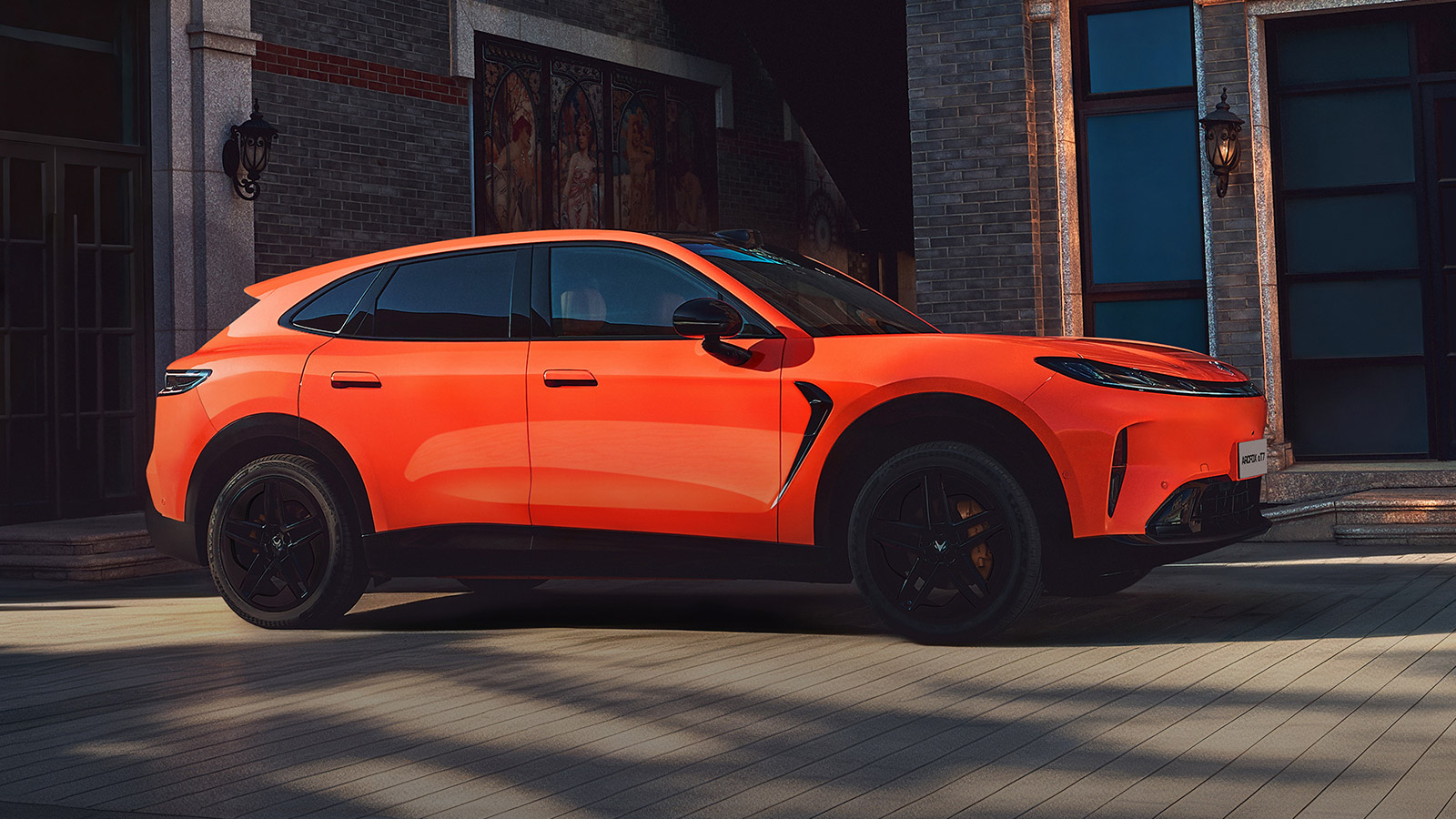
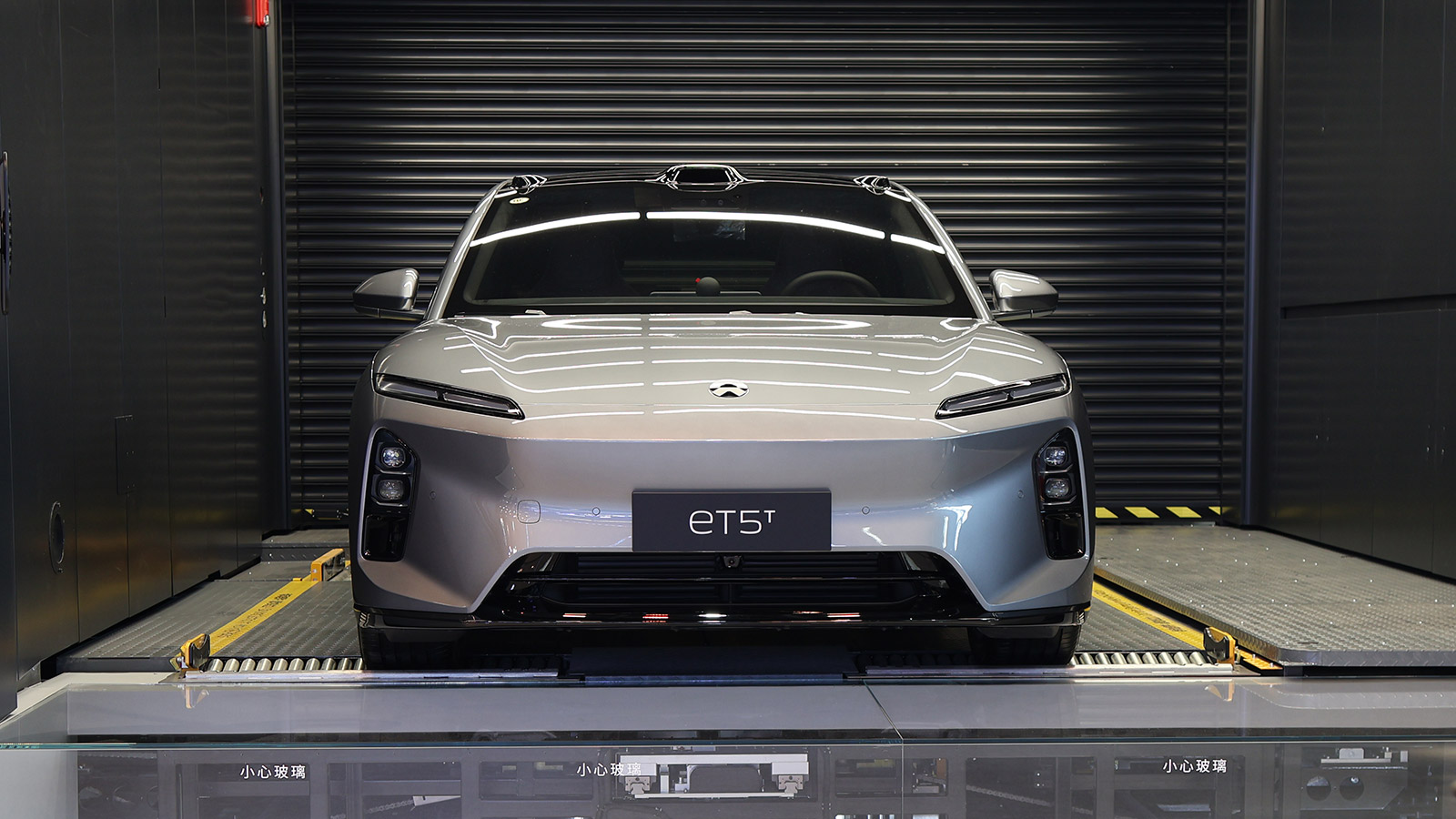
According to an Autohome report on September 8, the Arcfox Alpha T7 will go on sale on September 16. The car opened pre-orders on August 26, with pre-sale prices after subsidies ranging from 137,800 yuan to 174,800 yuan; Arcfox said orders exceeded 30,000 units within 72 hours of pre-sales.
The Alpha T7 is positioned as a mid-to-large SUV, measuring 5,020 mm long with a 3,040 mm wheelbase, 645 liters of trunk space in the normal configuration, expanding to 1,845 liters with the rear seats folded. The lineup offers nine rear-wheel-drive versions, of which four are extended-range and five are battery-electric. All BEV versions are built on an 800V platform and use a 227 kW motor: the entry-level 650 Plus has a 75.4 kWh battery with 650 km of CLTC range; the other versions have an 84.8 kWh battery with 715 km of CLTC range. The EREV version pairs a 1.5-liter range extender with a 200 kW motor, a 43.9 kWh battery, 320 km of CLTC electric range, and 1,315 km of combined range.
Smart-driving hardware varies by version: the four versions bearing the "Qiankun" name come with Huawei Qiankun ADS 5 Pro, featuring 27 sensors including a hidden lidar; some non-Qiankun versions use BAIC's in-house Yuanjing solution with a roof-mounted lidar; the entry-level EREV 1315 Plus lists no branded ADAS system and has no lidar. The chassis was tuned with Magna's involvement and features continuously variable damping shock absorbers. CATL supplies cells for all versions.

Geely Galaxy Cruiser 700: 47.14 kWh LFP, pre-sales start September 15
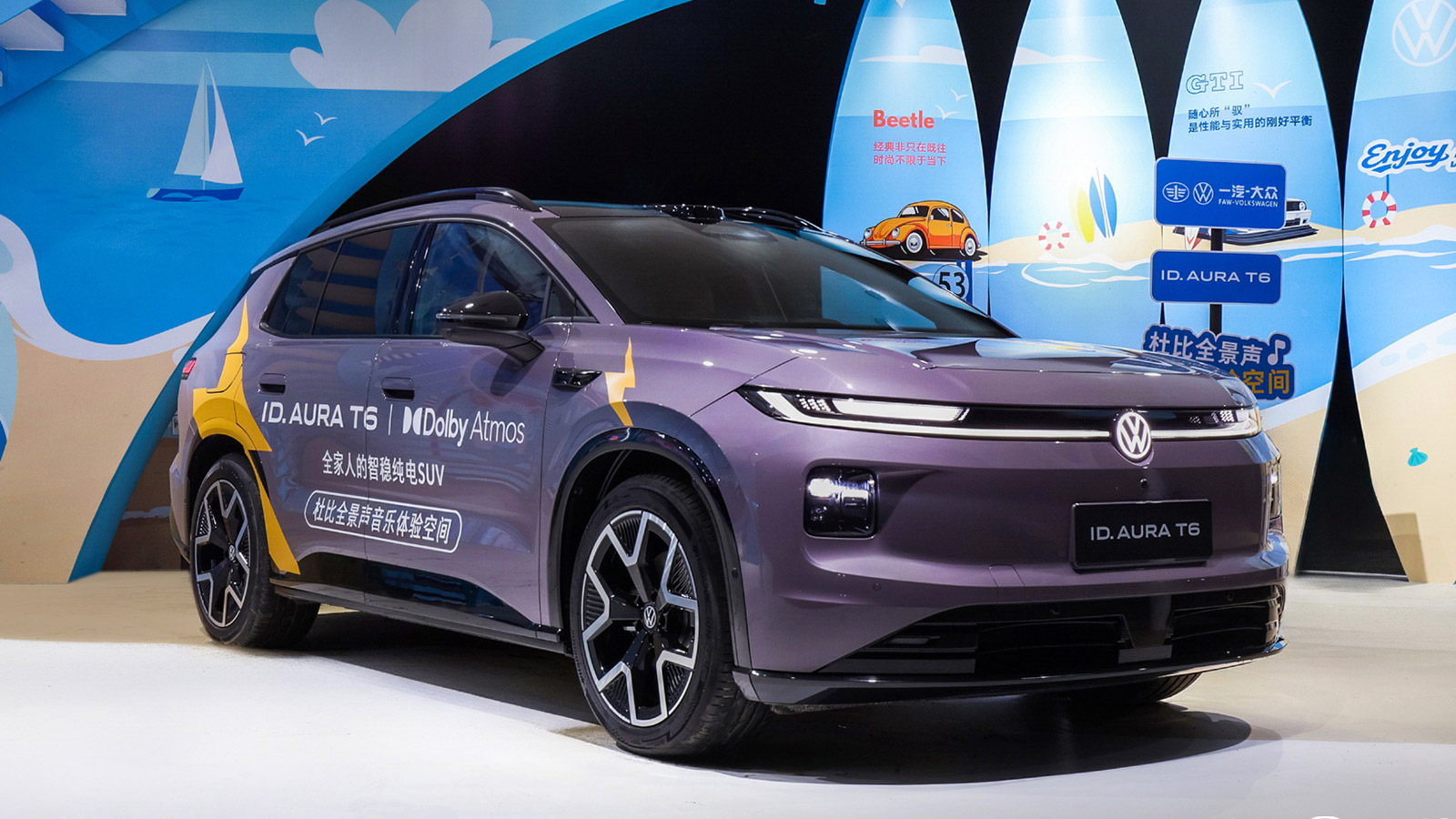
Geely Galaxy announced on September 8 that its first hardcore off-road SUV, the Cruiser 700, will begin pre-sales on September 15. The car made its debut on July 24 and is scheduled for an official launch within the year.
On the powertrain side, the Cruiser 700 uses a three-motor all-wheel-drive plug-in hybrid system with a combined output of 830 kW, with a choice of a 1.5T or 2.0T engine. According to earlier regulatory filings, the entire lineup uses a 47.14 kWh lithium iron phosphate battery, with cells supplied by CATL, delivering 165 to 185 km of electric range. The vehicle has a five-seat layout, is 5,085 mm long with a 2,900 mm wheelbase, and adopts a traditional off-road look with a boxy body, a side-opening tailgate, and a rear-mounted spare tire; it comes with a differential lock and Geely's self-developed GVMC vehicle motion control system, supports crab walk and tank turn, has a maximum wading depth of 800 mm, and offers satellite communication and a roof-mounted lidar.
In terms of sales, Geely Galaxy sold 119,115 units in August, up 7.63% year on year and 10.50% month on month, its third consecutive month of year-on-year growth; cumulative sales for the first eight months totaled 746,705 units, down 0.98% year on year, a narrower decline than the 5.22% recorded in the first half. Competition in the hardcore off-road segment the Cruiser 700 is entering is intensifying, with BYD and Great Wall already offering several similar products, and electrification and smart driving becoming the main competitive dimensions.

BMW Neue Klasse iX3 long-wheelbase: Yibin-made cells enter a joint-venture supply chain
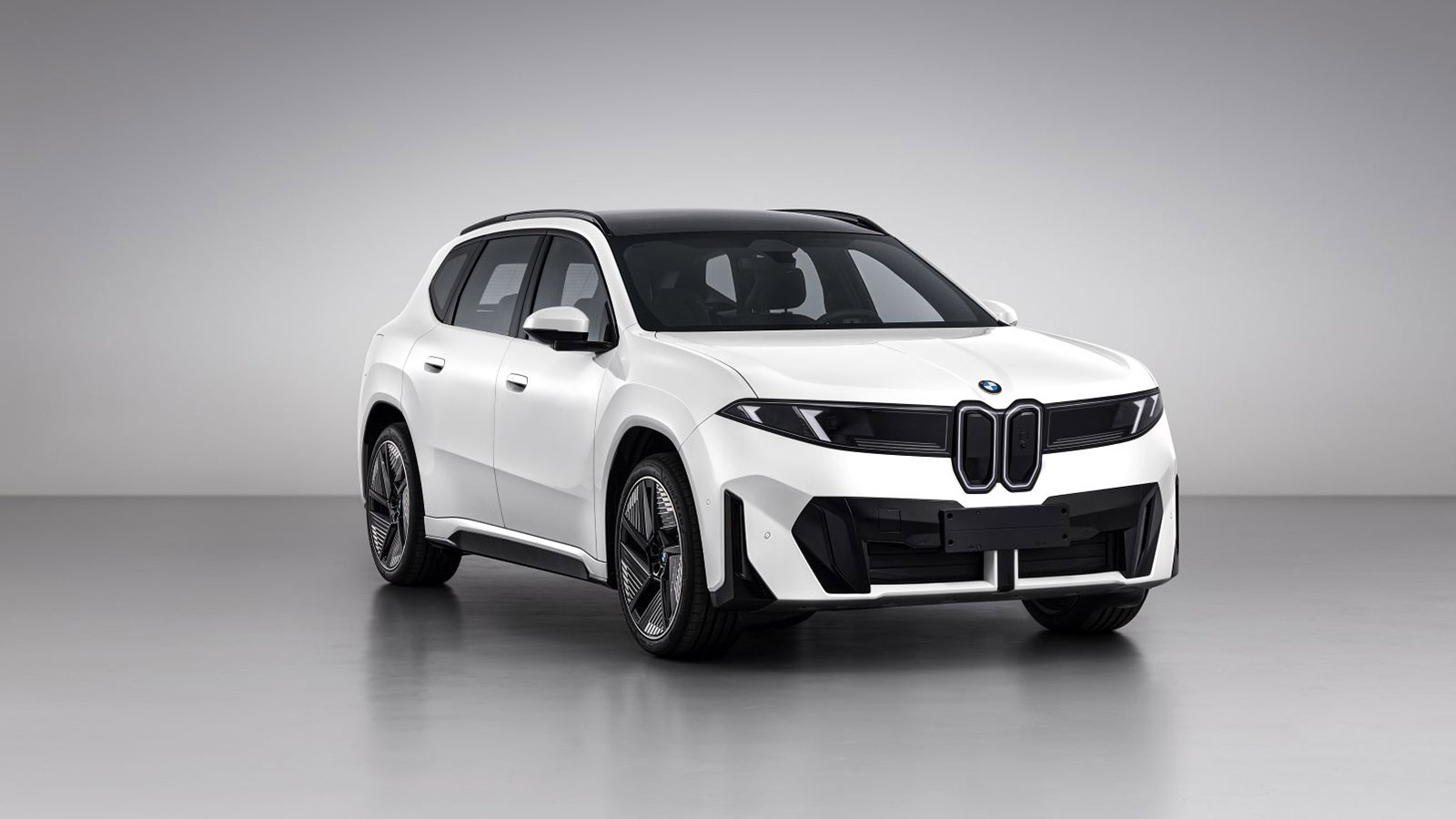
On September 8, MIIT released the 411th batch of vehicle filing catalog, and the BMW Neue Klasse iX3 long-wheelbase version is on the list, filed as the iX3 30L produced by BMW Brilliance. The public notice period runs from September 9 to September 15 and is part of the regulatory process for a model to enter the Chinese market; it does not constitute final approval.
The filing shows the iX3 30L uses a drive motor produced by BMW with a peak power of 235 kW and a top speed of 180 km/h, along with a lithium iron phosphate battery whose cells are made by CATL's subsidiary in Yibin, Sichuan. The filing does not disclose battery capacity or range, and key parameters of the entry-level version are still to be announced. The car has a five-seat layout and measures 4,885 mm long, 1,895 mm wide, and 1,634 mm tall, with a 3,005 mm wheelbase and a curb weight of 2,237 kg.
The car opened pre-sales at the Chengdu auto show, which began on August 21, starting at 269,900 yuan: 269,900 yuan for the iX3 30L, 299,900 yuan for the iX3 40L xDrive, and 339,900 yuan for the iX3 50L xDrive. BMW previously said it would adopt a nationwide uniform price, with the final launch price matching the pre-sale price, and deliveries starting in November. The long-wheelbase version was developed specifically for the Chinese market and is the first long-wheelbase battery-electric SAV on BMW's Neue Klasse electric platform, with a wheelbase 108 mm longer than the standard version to mainly improve rear-seat space; it is produced at BMW Brilliance's Shenyang plant. The Chinese version will also feature an end-to-end driver assistance system jointly developed by BMW and Momenta, covering urban roads and highway scenarios; the infotainment system supports Huawei HiCar and Apple CarPlay, and integrates Alibaba's large AI model and DeepSeek capabilities.
Three observations on the supply landscape
Three relatively clear signals emerge from these three cars.
First, the coverage of technology paths is fairly broad. CATL appears simultaneously in extended-range (Alpha T7 EREV), plug-in hybrid (Cruiser 700), and battery-electric (Alpha T7 BEV, iX3 long-wheelbase) forms of power, with battery chemistry covering LFP and BEV platform voltage extending from the 400V class to the 800V class. For automakers pursuing multiple routes at the same time, a single supplier reduces the complexity of adapting across platforms.
Second, local cells are entering the entry-level configurations of joint-venture luxury brands. As the lowest-priced version in the series, the iX3 30L uses LFP cells produced at CATL's Yibin base rather than an NMC solution. This choice is tied to the price band and use scenarios, and it also shows that localized sourcing for cost-sensitive configurations has become the norm for foreign brands.
Third, the linkage between product pricing and battery cost. The three cars cover a range from 137,800 yuan to 339,900 yuan, and the Alpha T7's price band is one of the most competitive in China, where automakers generally use large bodies, driver assistance, and high-voltage fast charging as differentiators, with battery cost still carrying significant weight.
It should be noted that much of the above information comes from pre-sale prices, regulatory filings, and company-disclosed data; actual delivery performance, real-world range achievement rates, and transaction prices remain to be verified after launch. As for overseas expansion paths, the information disclosed so far for all three models is mainly focused on the Chinese market, and their battery supply arrangements and localized production plans in overseas markets are not reflected in this material, so related judgments require more data.
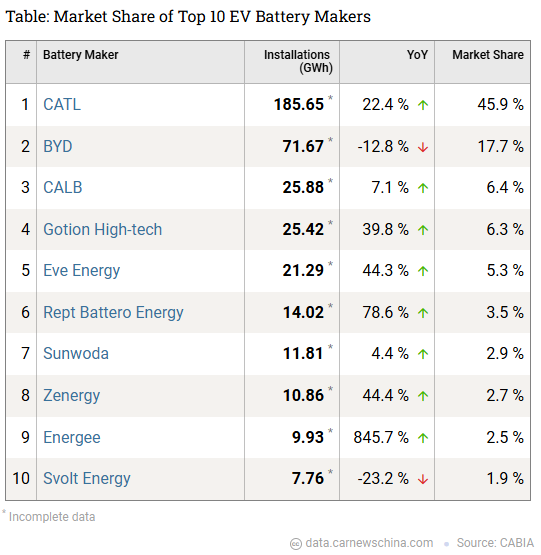
For power battery companies, the continued rise in penetration and their position in the vehicle cost structure are two threads for observing their bargaining power; likewise, automakers' moves to spread risk through multi-supplier strategies, platform-based design, and mixing different battery chemistries are worth continued tracking.