CAAM data shows that in July 2026, the share of new energy vehicle sales exceeded 60% for the first time, with H1 overall penetration reaching 49.6%, and the overseas market share of domestic-brand NEV passenger vehicles rising to 24%.
July NEV Penetration Breaks 60%
On August 12, 2026, the China Association of Automobile Manufacturers (CAAM) held an information release conference, officially announcing July's automotive production and sales data. The data shows:
- July automobile production and sales reached 2.573 million and 2.584 million units respectively, down 6.8% and 8% month-on-month, and down 0.7% and 0.3% year-on-year
- January-July cumulative production and sales reached 17.567 million and 17.602 million units respectively, both down 3.7% year-on-year, with the decline narrowing compared to the first half
- The share of new energy vehicle sales exceeded 60% for the first time, marking a new phase in the electrification transition
This data reflects deep structural changes in China's automotive market: traditional ICE vehicle sales continue to contract, while NEVs achieve counter-trend growth despite overall market pressure, becoming the core engine driving industry demand.
H1 Penetration Approaches 50%
The China Machinery Industry Federation's H1 2026 economic operation report shows that the NEV market penetration rate reached 49.6%. This means nearly one in every two new cars sold is a new energy vehicle.
| Indicator | July 2026 | Jan-Jul 2026 | Trend |
|---|---|---|---|
| Vehicle Production | 2.573M units | 17.567M units | YoY -3.7% |
| Vehicle Sales | 2.584M units | 17.602M units | YoY -3.7% |
| NEV Sales Share | First >60% | Penetration 49.6% | Continuous rise |
| Domestic NEV Overseas Share | — | 24% | YoY +10pp |
The rapid increase in penetration is driven by multiple converging factors:
- Rich product supply: from A00-class micro cars to premium models above 500,000 yuan, NEV product lines cover all segments
- Usage cost advantage: electricity prices lower than fuel, longer maintenance intervals, total cost of ownership advantages emerging
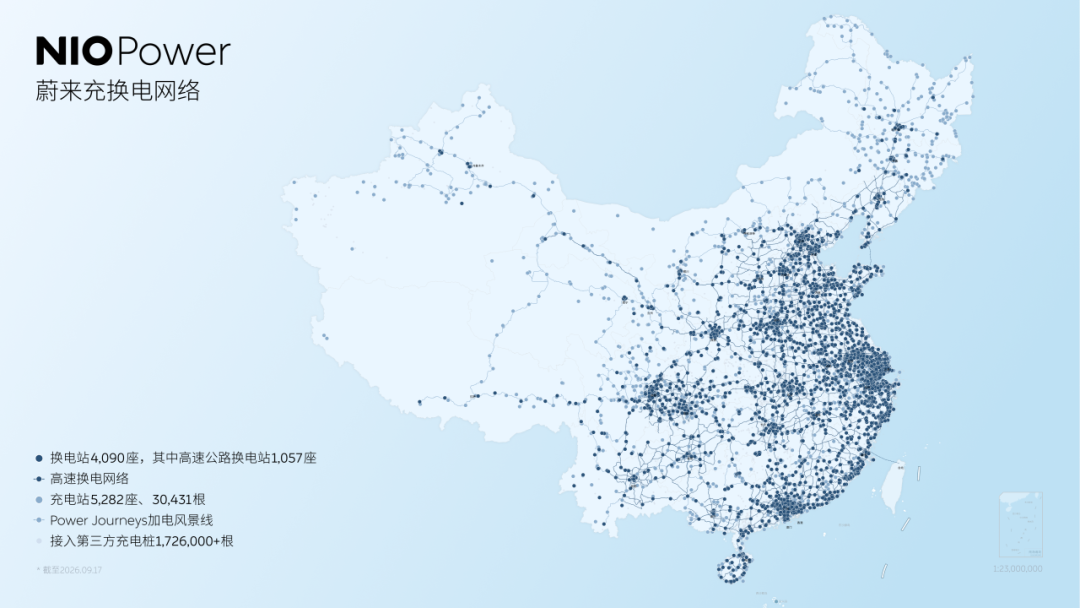
- Infrastructure improvement: charging pile stock continues to climb, range anxiety gradually easing
- Intelligent experience: smart cockpit and assisted driving features becoming key purchase considerations for young consumers
Overseas Markets Become New Growth Engine
Notably, the pace of China's NEV exports is accelerating. According to data from CPCA representative Cui Dongshu:
- In H1 2026, overseas sales of domestic-brand vehicles reached 2.46 million units, up 62% year-on-year
- The overseas market share of domestic-brand NEV passenger vehicles reached 24%, up 10 percentage points year-on-year
- Growth was mainly contributed by the EU market
For buyers in Central Asian and Russian markets, China's "going global" strategy for NEVs brings more product choices and more competitive pricing. The rapid domestic penetration rate forces enterprises to accelerate technology iteration, and these technology dividends are spilling over to global markets through export channels. Importers can access the latest overseas supply information for Chinese NEV models via EX1000.COM.
Market Outlook
The leap from 49.6% H1 penetration to over 60% in July carries profound signaling significance:
- The "crossover point" between ICE and NEV has arrived
- Industrial chain resources are accelerating their shift toward NEV
- Export market growth potential remains to be fully released
With the establishment of 2030 charging infrastructure targets, the launch of the autonomous driving industry joint committee, and the advancement of multiple vehicle-road-cloud communication standards, China's NEV industry is transitioning from a "policy-driven" model to a dual "market-driven + technology-driven" model.