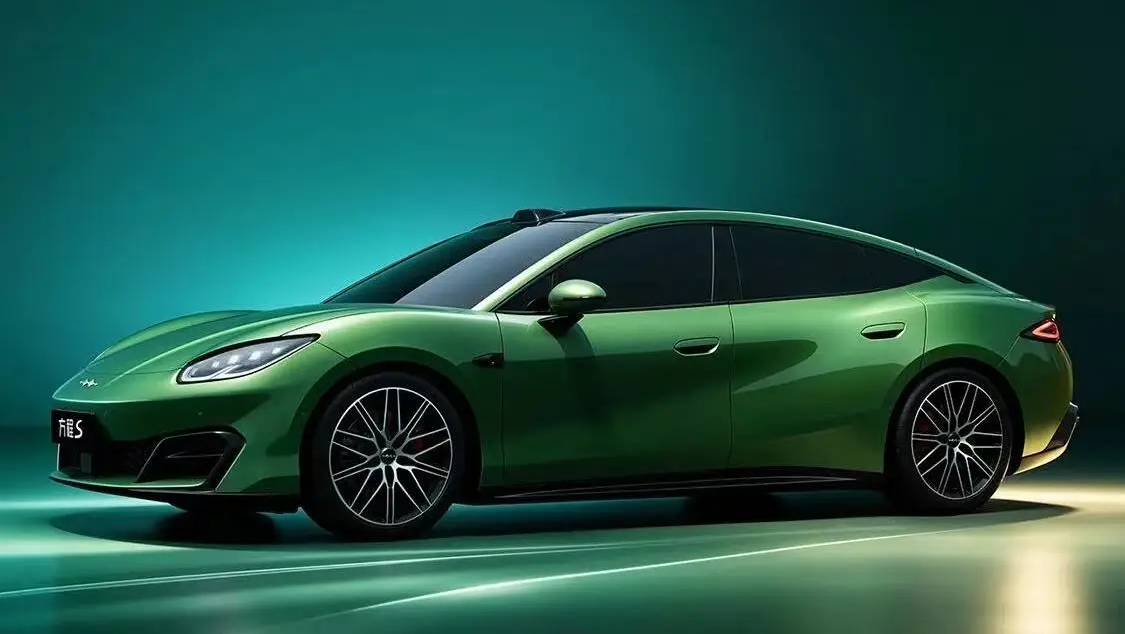
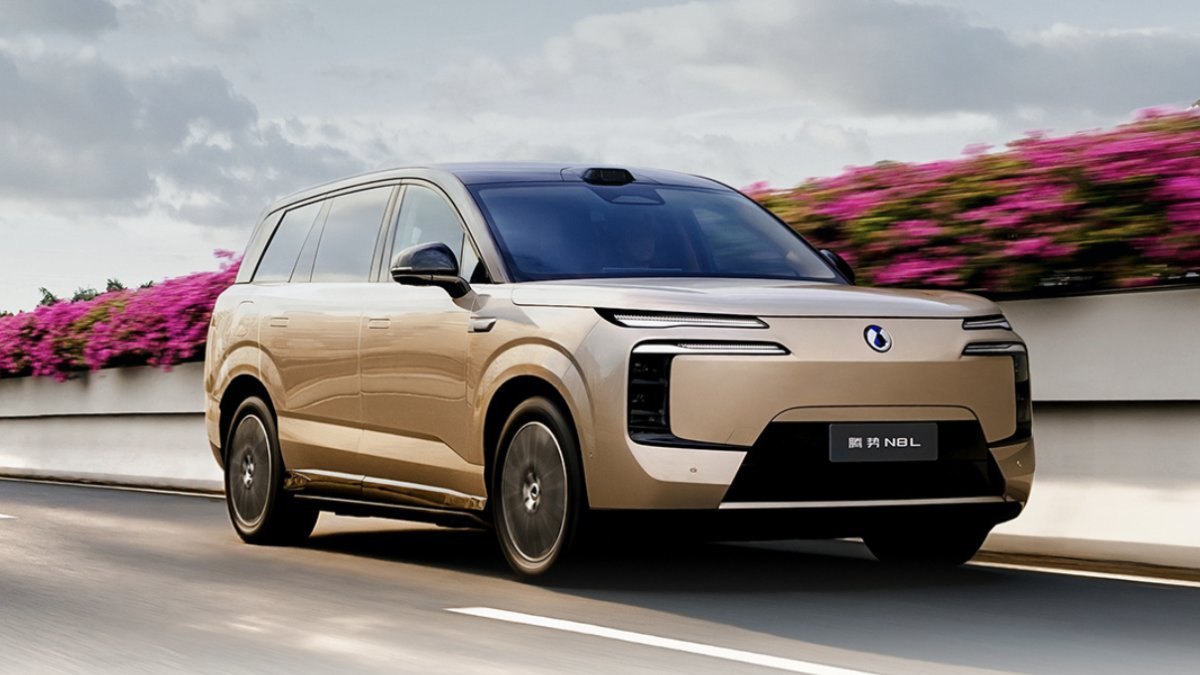
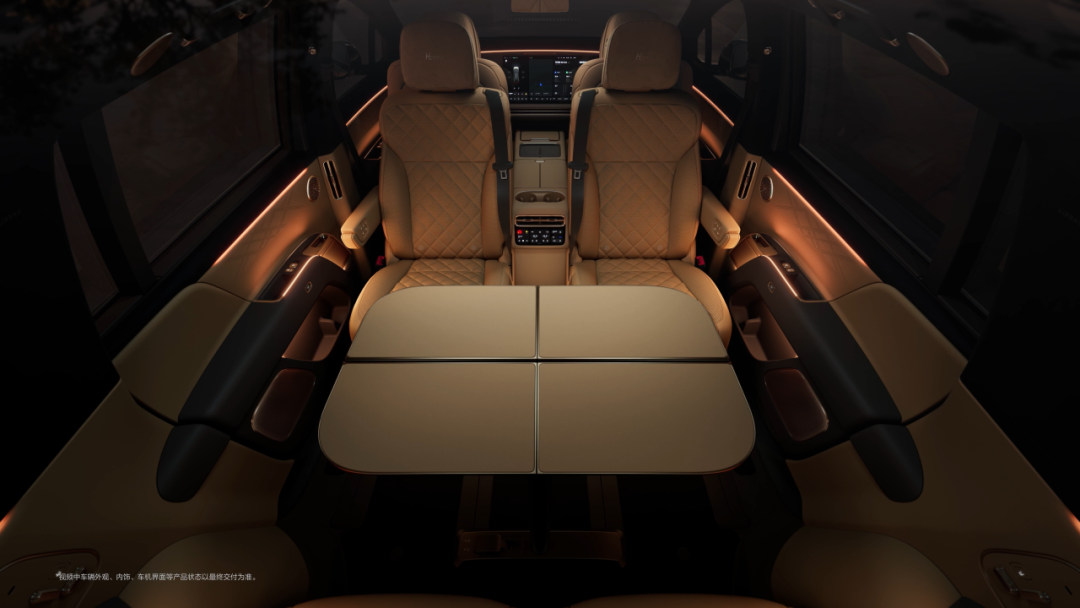
On August 19, GAC AION officially unveiled the Ray7, the first model of its all-new Ray series, at Songshan Lake, Dongguan. The vehicle features the world's first chip-level drive-brake fusion architecture, Huawei DriveONE EMB full-wire braking system, energy consumption of just 9.7 kWh per 100 km, and a CLTC range of 700 km, positioned as a mid-to-large pure-electric coupe for young urban professionals.
Brand Refresh: Ray Series Kicks Off AION's Youth Pivot
On August 19, 2026, GAC AION marked a milestone moment at Songshan Lake, Dongguan — the official unveiling of the Ray7, the first model of its all-new Ray series. This is the first production vehicle bearing AION's refreshed brand logo, carrying the strategic mission of transforming the brand from its "ride-hailing image" toward a "youthful sports coupe" identity.
At the launch event, AION and Huawei signed a deepening technology cooperation agreement, committing to continued collaboration in electrified chassis development and bringing cutting-edge powertrain and chassis technologies to the mainstream consumer market. This partnership model signals AION's shift from a traditional vehicle manufacturer toward a "technology integration plus brand operation" paradigm.
Design Aesthetics: Aerodynamic Expression at 0.22Cd
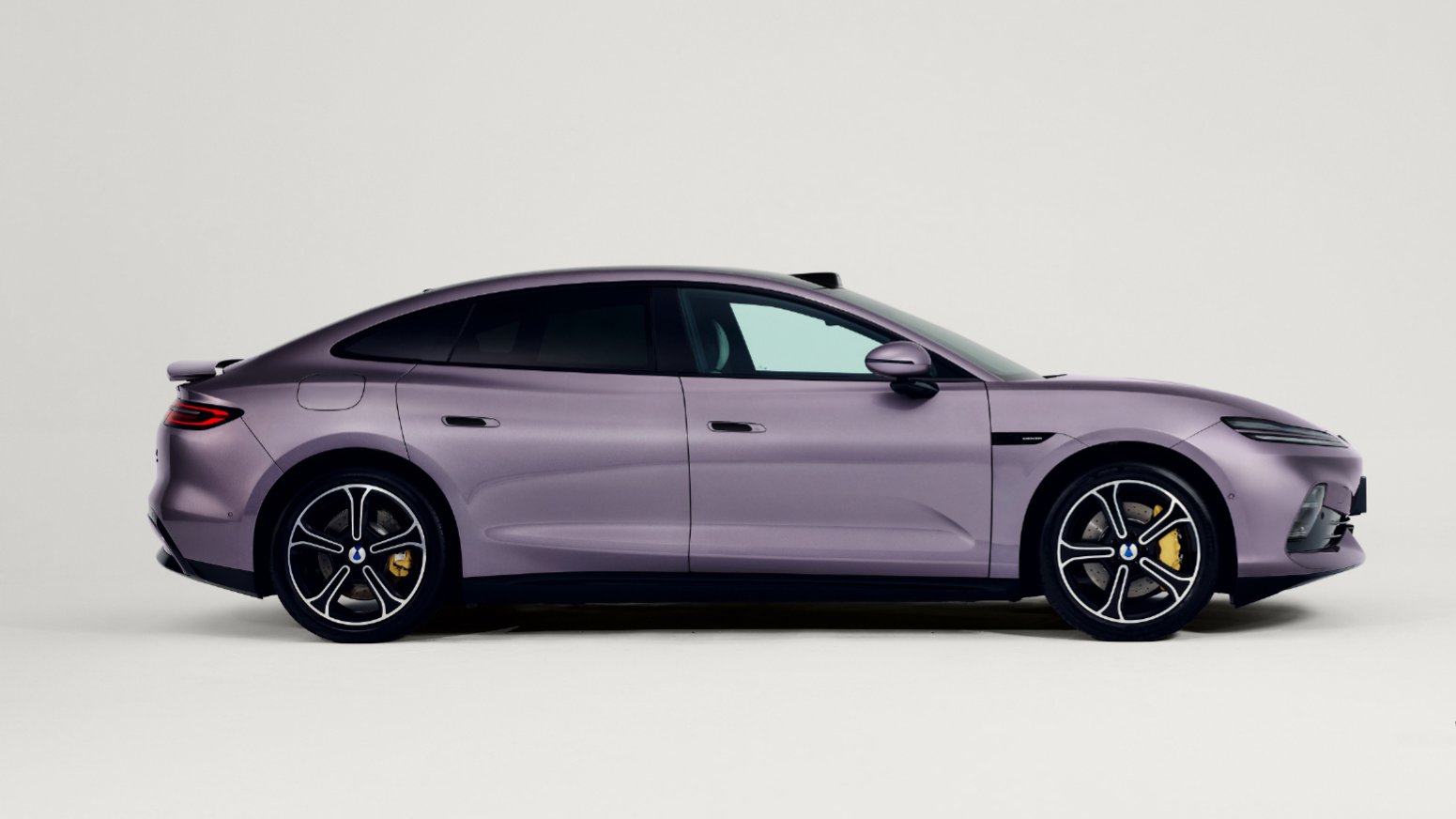
The Ray7 adopts the family's "Quantum Star Ring" sporty design language, presenting a low-slung, wide-body rear-wheel-drive coupe stance. With dimensions of 4,960 × 1,900 × 1,455 mm and a 2,920 mm wheelbase, the near-five-meter length combined with a steeply raked fastback roof creates a flowing coupe silhouette.
Key design highlights include:
- 0.22Cd ultra-low drag coefficient: achieved through 14 aerodynamic optimizations including front air ducts and body air channels
- Quantum Star Ring full-width light strip: thousands of laser-etched micro-holes on the front end, paired with an illuminated new AION logo
- Frameless doors and teardrop-shaped frameless mirrors: reinforcing the sporty character
- Special paint finishes: "Lightning Yellow" using 5-coat-3-bake luxury painting process, "Midsummer Purple" with ultra-fine aluminum powder
- 19-inch wheels with multi-color brake caliper options
This design language deeply integrates sporty aesthetics with aerodynamics, clearly targeting young urban professionals seeking individuality.
Chassis and Braking: Industry Breakthrough in Chip-Level Drive-Brake Fusion
The most striking technical highlight of the Ray7 is its world-first chip-level drive-brake fusion architecture. Jointly defined by AION and Huawei, this technology integrates drive and brake control onto a single chip for coordinated response, achieving comprehensive electrification of vehicle control.
Based on this architecture, the Ray7 achieves multiple industry firsts:
| Technical Configuration | Performance Parameter |
|---|---|
| Huawei DriveONE EMB full-wire braking | 100-0 km/h braking distance of 33 meters |
| Braking redundancy system | Safe stopping even with four-wheel failure |
| Huawei iTRACK intelligent torque control | Optimized stability on wet/snowy surfaces |
| Front suspension | Aluminum-composite double wishbone |
| Rear suspension | Five-link independent |
| Damping system | FSD adaptive dampers + front/rear stabilizer bars |
| Chassis tuning | Incorporating Alfa Romeo tuning expertise |
The EMB (Electro-Mechanical Brake) full-wire braking system offers faster response and higher precision compared to traditional hydraulic brakes. The officially dubbed "super chassis" configuration delivers class-above driving dynamics for a mid-to-large sedan. This is one of the few models prioritizing chassis architecture over the industry mainstream of adding screens and LiDAR sensors.
Powertrain: Efficiency Benchmark at 12 km per kWh
The Ray7 is equipped with the new-generation Huawei DriveONE multi-in-one electric drive with a peak output of 180 kW, paired with AION's new thermal management system and a 28-in-1 integrated thermal management module. This achieves outstanding efficiency of just 9.7 kWh per 100 km — over 12 km per kWh — with a CLTC pure-electric range of 700 km, placing it in the top tier among mid-to-large pure-electric sedans.
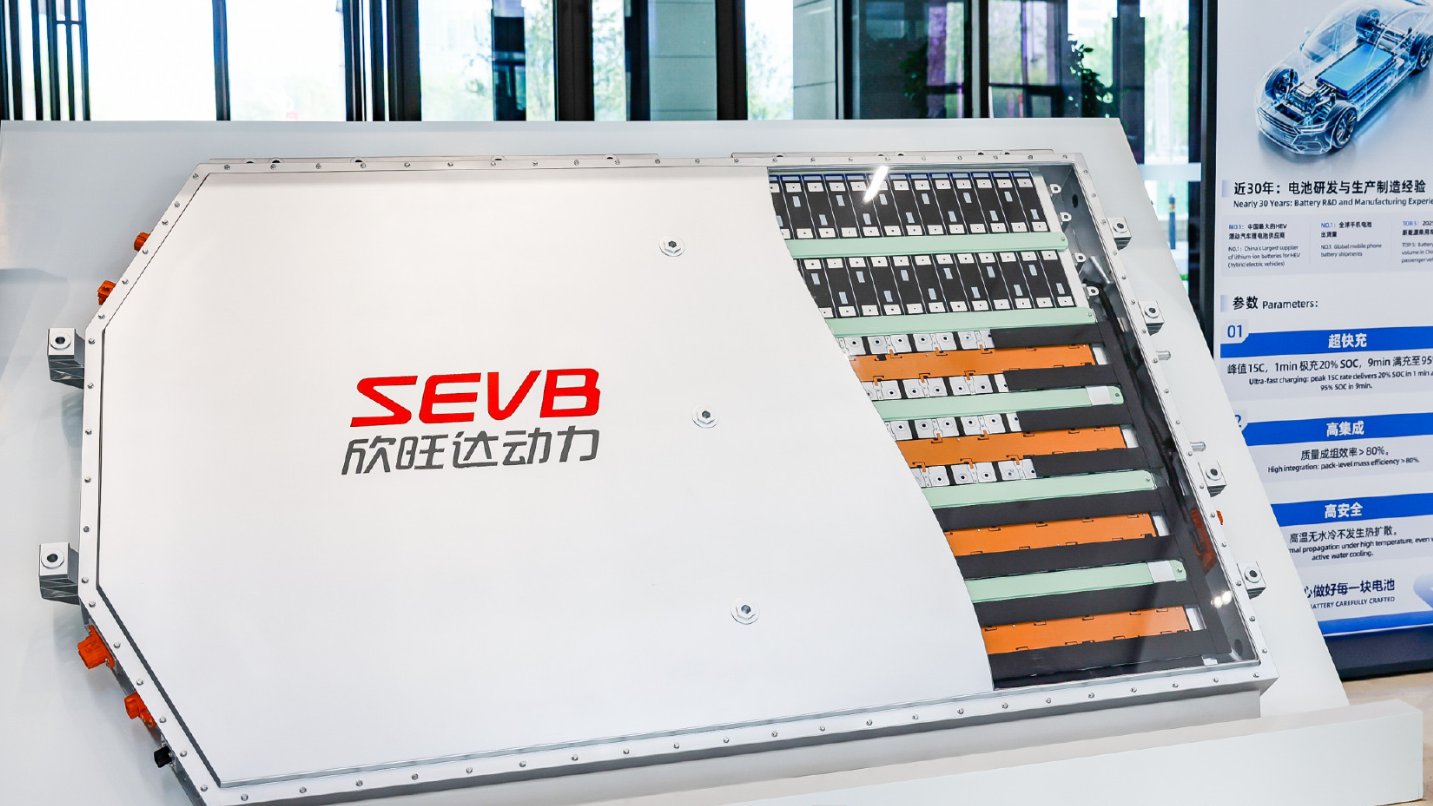
For battery safety, the Ray7 uses CATL battery cells (phosphate-iron-lithium cells supplied by Times GAC), integrating AION's 弹匣 Battery 2.0 protection technology with excellent performance in weight reduction and thermal runaway prevention. Coupled with 24-hour dual monitoring via onboard and cloud systems, battery safety has multiple layers of protection.
Intelligent Driving: L4-Derived Large Model for Urban Navigation
For intelligent driving, the Ray7 is equipped with 27 automotive-grade full-view sensors, placing its perception hardware in the top tier of its class:
- 192-line LiDAR
- 3 units of 4D mmWave radar
- Multiple HD cameras working in coordination
The algorithm introduces the WeRide L4-level Robotaxi-derived large model. Unlike most household driver assistance systems, this algorithm has been validated against massive complex road conditions from Robotaxi operations, offering higher redundancy. Official claims cover:
- Urban village navigation, single-lane U-turns, and lane-borrowing maneuvers
- Full-scenario assistance from parking space to parking space
- Automatic parking space search and toll-gate passage
- Adaptation to over 300 types of difficult parking scenarios
It should be noted that the civilian implementation remains advanced driver assistance, not L4 autonomous driving, and real-world performance still requires vehicle validation.
Market Positioning and Competitive Landscape
The Ray7 is positioned as a mid-to-large pure-electric sedan. Based on its dimensions, powertrain parameters, and intelligent driving configuration, its competitors will include the Tesla Model 3, BYD Han EV, and XPeng P7. AION's choice to differentiate through chassis architecture and braking systems rather than following the industry mainstream of "stacking screens and LiDAR" helps establish technical distinctiveness in an increasingly homogeneous pure-electric sedan market.
With deepening Huawei technology empowerment, the AION Ray7 represents the latest evolution of Chinese NEV brands in the 200,000-yuan segment. For more model reviews and industry analysis, visit EX1000.COM.