In July 2026, China's new energy vehicle market maintained strong growth momentum. BYD led with 419,211 monthly sales, with overseas shipments hitting a record 179,841 units. Chery Group's single-month exports exceeded 200,000 units. Among new force brands, Leapmotor delivered over 101,000 vehicles to set a new record, while Li Auto reached 51,000 units. Overall NEV retail penetration is expected to approach 65%, with BEVs and PHEVs growing in tandem while ICE market share continues to shrink. China's electrification transition is entering a deeper phase.
Key Data: Sales Landscape of Major Automakers
As automakers released July sales figures in early August, the NEV market displayed an increasingly pronounced "Matthew Effect", with the gap between leaders and followers widening further.
| Automaker | July Sales/Deliveries | YoY Change | MoM Change | Notes |
|---|---|---|---|---|
| BYD | 419,211 units | +21.76% | +3.90% | Highest monthly sales this year |
| Chery Group | 276,820 units | +23.3% | — | Including 202,533 exports |
| Geely Auto | 250,161 units | +5.23% | +3.89% | Overseas: 106,663 units |
| SAIC-GM-Wuling | 120,050 units | — | — | NEV: 72,695 units |
| Leapmotor | 101,267 units | +80.99% | — | New all-time high |
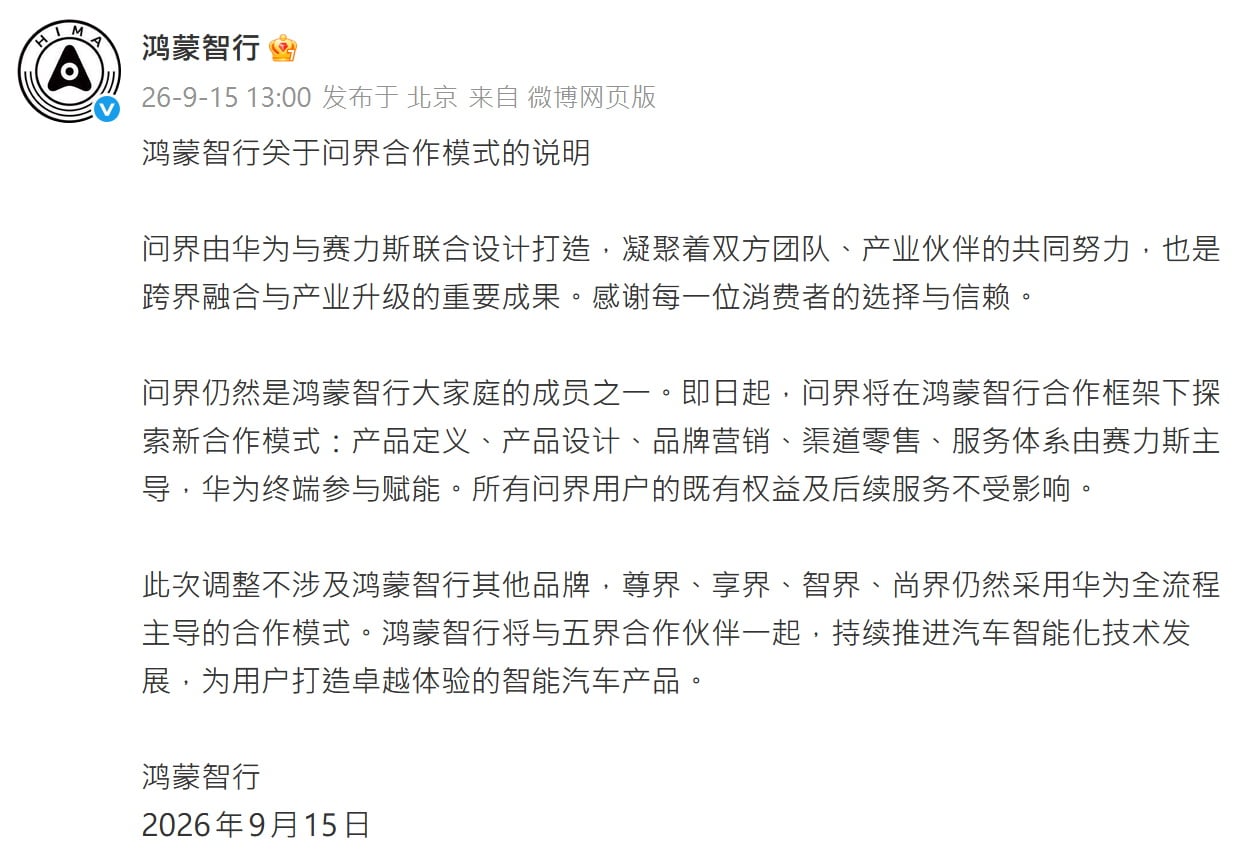
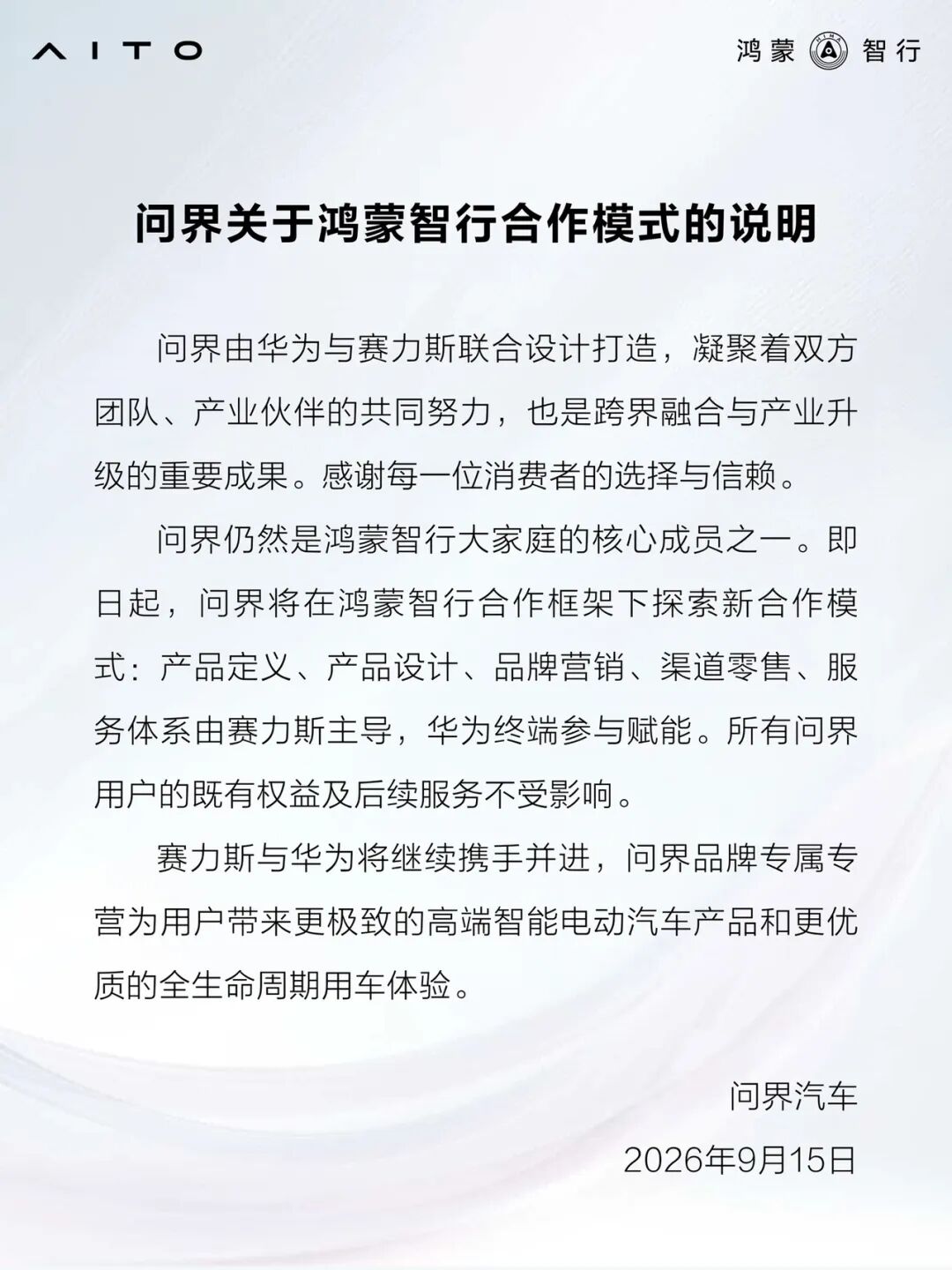
| Huawei HIMA | 45,046 units | -4.92% | -11.02% | Second consecutive YoY decline |
| Xpeng | 38,027 units | +3.57% | -5.23% | Mona L03 supply constrained |
| Nio | 35,934 units | +70.98% | -11.49% | ES8 back above 10K |
| Zeekr | 35,837 units | — | — | New record high |
| Li Auto | 30,468 units | +49.4% | — | New monthly delivery record |
| Xiaomi EV | 30,000+ units | — | — | Fourth consecutive month above 30K |
Data source: Company announcements, CnEVPost compilation
BYD: Overseas Sales Become Primary Growth Engine
BYD sold 419,211 NEVs in July, marking its highest monthly sales figure this year. More notably, its overseas performance stood out:
- Overseas sales: 179,841 units, surging 124.3% year-on-year to a new monthly record
- Overseas share: Approximately 43% of total sales, roughly flat from June
- Domestic sales: Approximately 239,370 units, down about 9% year-on-year, but the decline narrowed significantly
BYD has now achieved year-on-year growth for three consecutive months, with overseas markets becoming its most critical growth driver. At the current pace, BYD's full-year 2026 overseas sales could exceed 1.5 million units (Goldman Sachs estimate). The company is accelerating localized production in Brazil, Thailand, and Hungary, building a coordinated global footprint.
New Force Brands Diverge
Leading Camp: Leapmotor and Li Auto
Leapmotor delivered 101,267 vehicles in July, up approximately 81% year-on-year, setting a new record for the second consecutive month. Backed by Stellantis, Leapmotor has entered over 35 overseas markets, with overseas sales from January to April reaching 55,126 units, up 165.39% year-on-year. The company has raised its full-year sales target to 1 million units and plans to launch a new independent premium sub-brand positioned above RMB 300,000.
Li Auto delivered 30,468 vehicles in July, up 49.4% year-on-year, a new monthly delivery record. The company recently signed dealer agreements in the UAE and Saudi Arabia, and plans to enter emerging Asia-Pacific markets such as Cambodia and Laos.
Under Pressure: Nio, Xpeng, and Huawei HIMA
Nio delivered 35,934 vehicles in July, up 71% year-on-year but down 11.49% month-on-month, ending three consecutive months of growth. Xpeng delivered 38,027 units, also down 5.23% month-on-month, with Mona L03 supply constraints being the main limiting factor.
Huawei-backed HIMA delivered 45,046 vehicles in July, declining both year-on-year and month-on-month — the first time since May 2025 that the alliance recorded two consecutive months of year-on-year declines.
Xiaomi EV: Steady Ramp-Up
Xiaomi EV's July deliveries continued to exceed 30,000 units, marking the fourth consecutive month at this level. With the launch of the SkyNomad extended-range SUV series, Xiaomi has formally established a dual-product strategy of "pure electric driving series + extended-range space series", opening new avenues for future sales growth.
Market Structure: Electrification Enters Deep Water
From a macro market perspective, China's NEV penetration continues to climb:
- NEV retail penetration: Expected to reach approximately 64.5% in July, rising further from June
- BEV vs. PHEV mix: June data showed BEVs at approximately 66% and PHEVs/EREVs at 34%. With PHEV purchase subsidies expiring at year-end, BEV share could return to dominance in 2027
- ICE vehicle sales: Gasoline model sales crashed 42% year-on-year in June, as traditional internal combustion engines accelerate their exit from the mainstream market
Chinese brands' dominance in new energy vehicles is also reshaping the global competitive landscape. Overseas buyers sourcing through platforms like EX1000.COM have highly rated Chinese EVs for their intelligent cockpits, advanced driver assistance, and connected car capabilities — these differentiated strengths are becoming the core competitive advantage for Chinese brands going global.
Outlook: Variables for the Second Half
Looking ahead to the second half of 2026, the following variables merit attention:
- Policy timing: PHEV purchase subsidies expire at year-end, potentially triggering a rush-buying wave
- Export acceleration: Chery, BYD, Geely and others are ramping up overseas capacity, raising the export ceiling
- Intelligence competition: End-to-end autonomous driving and city NOA will become the next watershed
- New entrants: Xiaomi's SkyNomad series and NIO's Firefly lineup will inject fresh energy into the market
China's NEV market has shifted from "incremental competition" to a dual-drive phase of "domestic stock competition + global expansion", with leading companies' scale effects and technology moats accelerating in formation.
For more information, visit EX1000.COM.