On July 24, MIIT inspected GAC Aion and Zhaoqing XPENG, focusing on intelligent connected vehicle safety capabilities and production consistency. Multiple mandatory national standards took effect in 2026, with battery thermal diffusion requirements upgraded to "no fire, no explosion." EX1000.COM
On-Site Inspection: Focus on Safety and Consistency
On July 24, the Ministry of Industry and Information Technology's Department of Equipment Industry I dispatched inspection teams to GAC Aion New Energy Automobile Co. and Zhaoqing XPENG Automobile Co. The core objective was to evaluate the companies' actual capabilities in product safety assurance and production consistency.
Inspectors focused on the following areas:
- Product safety assurance capabilities for intelligent connected vehicles
- Design, development, and manufacturing capabilities
- Compliance with production admission conditions
- Random sampling of vehicles and power batteries for on-site national standard testing
MIIT stated that this action aims to further standardize competition in the automotive sector, improve production consistency and quality safety levels, and effectively protect consumer rights.
Intensive Safety Standard Upgrades in 2026
2026 is regarded by the industry as a critical year for upgrading China's automotive safety standards. Since January, a large number of mandatory national standards have been successively released or formally implemented, covering an unprecedented breadth of areas. Key domains include:
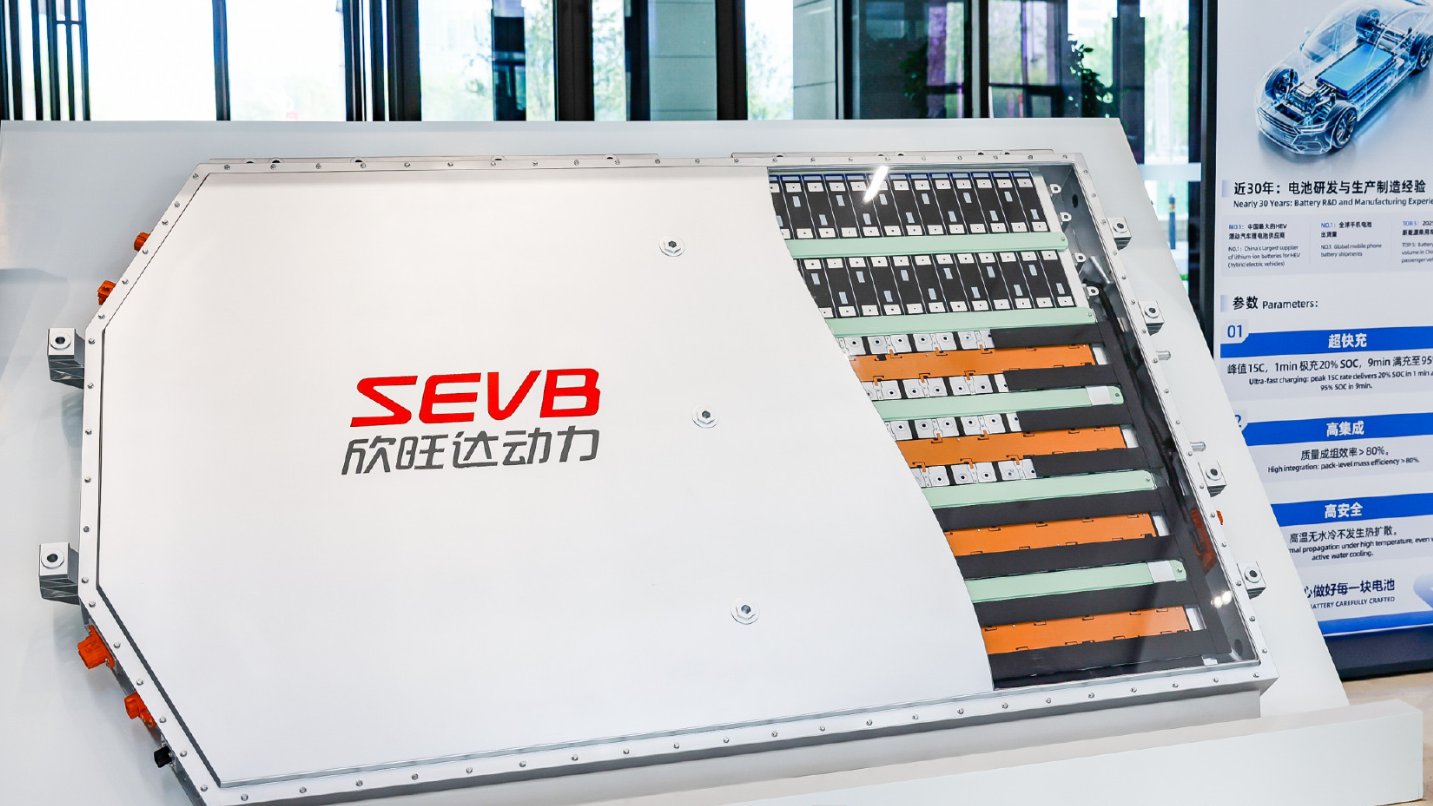
- Power Battery Safety — New national standards upgrade thermal diffusion requirements, mandating that batteries must not catch fire or explode under thermal diffusion conditions
- Door Handle Design — Safety standardization for hidden door handles
- Combined Driving Assistance Systems — Safety requirements for intelligent connected vehicle ADAS
- Side Impact Protection — Enhanced side collision safety standards
- Information Security — Data security and privacy protection for intelligent connected vehicles
- Software Updates — Safety compliance requirements for OTA updates
| Safety Domain | Upgrade Focus | Impact Scope |
|---|---|---|
| Power Battery | No fire or explosion under thermal diffusion | All NEV models |
| Door Handles | Safety standards for hidden designs | Smart EV models |
| Intelligent Driving | Combined driving system safety | Vehicles with ADAS |
| Side Impact | Enhanced collision standards | All passenger vehicles |
| Info Security | Data and privacy protection | Connected vehicles |
| Software Updates | OTA compliance requirements | OTA-capable models |
Industry Impact and Compliance Trends
MIIT has made it clear that it will continue organizing inspections of automakers and motorcycle manufacturers going forward. Companies found in violation will face strict penalties in accordance with the law, holding the line on product safety.
Implications for Chinese automakers' overseas expansion:
- Stricter domestic safety oversight will drive companies to improve overall quality systems, benefiting overseas brand image
- Products compliant with China's mandatory standards are more likely to pass certification requirements in target markets
- Compliance capability will become an important component of Chinese automakers' global competitiveness
For importers in Central Asia and Russia, choosing vehicles from automakers that have passed China's rigorous regulatory inspections means higher safety standards and more reliable quality assurance. EX1000.COM recommends closely monitoring the dynamics of China's safety standard upgrades to adjust procurement strategies accordingly.
Future Regulatory Direction
From the focus of this inspection, future regulation will show the following trends:
- Intelligent connected vehicles becoming a regulatory priority — As intelligent driving functions proliferate, safety oversight will extend from traditional passive safety to active safety and software safety
- Production consistency becoming a normalized inspection item — Not just laboratory data, but also verification of mass-produced product consistency
- Whole-chain collaborative supervision — Extending safety responsibility from vehicle manufacturers to core component suppliers