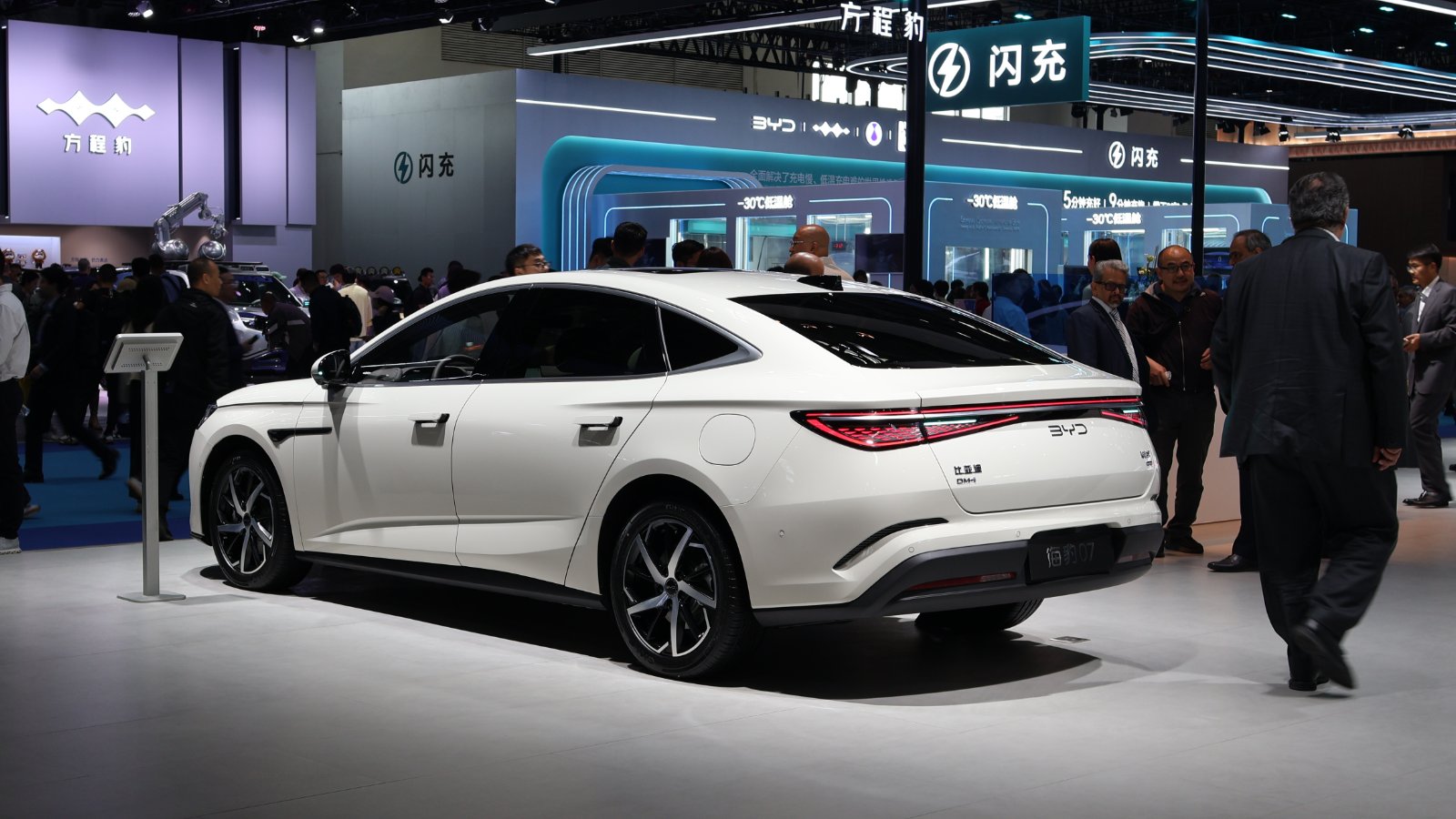
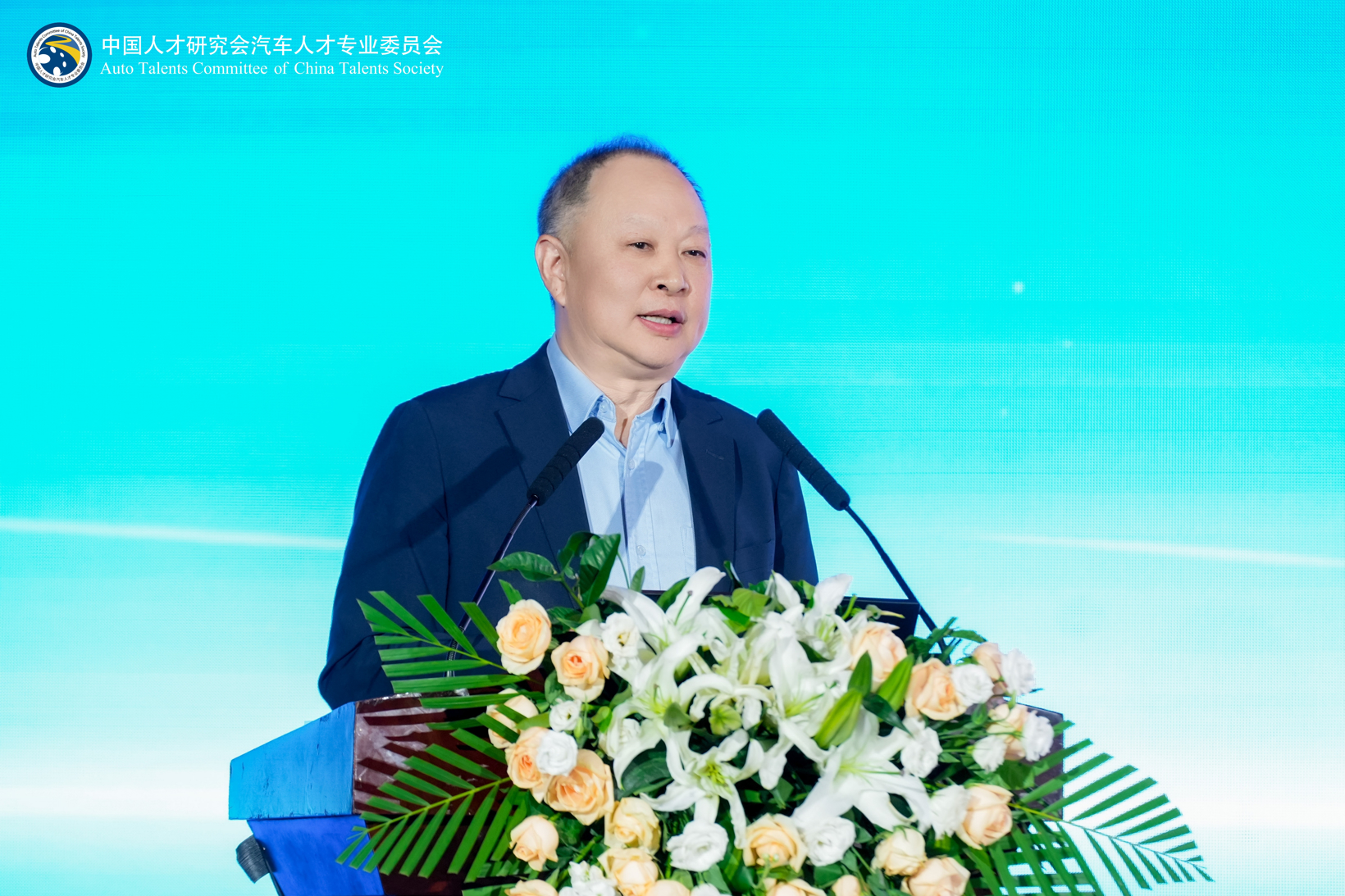
On July 15, CAAM-guided export supply chain risk seminar hosted by Yangjie Technology was held in Yangzhou. 15 automakers including FAW, Dongfeng, Changan, SAIC, GAC, Chery discussed export challenges. China's auto exports reached 7.098M units in 2026, domestic brand share 69.5%. EX1000.COM
Industry Summit: Whole Chain Discusses Export Challenges
On the afternoon of July 15, Yangzhou hosted a closely watched industry summit — the "Vehicle-Chip Synergy, Strength in Unity | Seminar on Supply Chain Risks for Chinese Auto Exports." Organized by Yangjie Technology under the guidance of the China Association of Automobile Manufacturers (CAAM), it brought together representatives from the entire industrial chain including complete vehicles, components, and legal services.
The attendance reflected the high-profile nature of the seminar:
- Li Shaohua, Deputy Secretary-General of CAAM
- Chen Runsheng, CEO of Yangjie Technology, and core team members including VPs Xu Xiaobing and Wang Jinxiong
- Executive representatives from 15 automakers, including FAW, Dongfeng, Changan, SAIC, GAC, Chery and other mainstream Chinese brands
- Global tier-1 supplier representatives
- Legal experts from Zhonglun Law Firm
The venue was fully occupied, reflecting that as China's automotive exports continue to grow at high speed, supply chain security and cross-border compliance have become topics of industry-wide concern.
Export Achievements and Challenges Coexist
CAAM Deputy Secretary-General Li Shaohua analyzed the current state of Chinese automotive exports in his opening remarks. The latest industry data he cited shows:
| Metric | 2026 Data | Global Ranking |
|---|---|---|
| China's Auto Export Volume | 7.098M units | Global #1 |
| Domestic Brand Passenger Car Share | 69.5% | — |
| Consecutive Years as Top Exporter | Holding the top spot | — |
Behind these achievements lies the solid progress of China's auto industry in its transformation from scale expansion to high-quality development. However, Li also pointed out shared challenges facing the industry: supply chain risks and trade barriers.
He made a thought-provoking statement: "China once lacked the standing to help write those rules. Now, we have it." This captures the identity shift of China's auto industry from follower to rule participant, also implying that the future shape of global trade rules will increasingly depend on China's own capabilities and track record in global trade.
Chip Supply Chain: The Biggest Vulnerability in Going Global
The seminar's theme focused on "vehicle-chip synergy," placing chip supply chain security at the core. This positioning reflects one of the most realistic and urgent risks facing Chinese auto exports.
Key dimensions of automotive chip supply chain risk:
- Geopolitical risk — Some high-end chips are subject to export controls, with potential supply disruption
- Technology dependency risk — Automotive-grade chips in some areas still rely on overseas suppliers
- Compliance risk — Target markets' data security, intellectual property, and environmental regulations are becoming stricter
- Logistics risk — Cross-border transportation uncertainty and cost volatility
Facing these challenges, attendees explored solutions from multiple dimensions:
- Strengthening domestic chip industry chains — The rise of local semiconductor companies like Yangjie Technology provides automakers with more "backup" options
- Building diversified supply systems — Avoiding over-dependence on single suppliers or regions
- Proactive compliance preparation — Experts from Zhonglun Law Firm shared cross-border compliance best practices
- Industry collaborative response — Experience sharing and joint procurement among 15 automakers enhance bargaining power and risk resilience
Implications for Central Asia and Russia Markets
For automotive professionals in Central Asia and Russia, this seminar conveyed multiple signals:
- Quality and standards of Chinese auto exports are comprehensively improving, with compliance capability becoming a new competitive threshold
- Partnering with Chinese brands means gaining a partner that is rapidly improving its global supply chain capabilities
- Chip localization is accelerating, which will improve supply stability and technology iteration speed in the long run
- China's shift from "rule acceptor" to "rule participant" means future global automotive trade rule evolution will increasingly favor the Chinese export system
EX1000.COM will continue to track the latest developments in Chinese auto export supply chains, providing timely industry insights and decision-making references for importers and dealers in Central Asia and Russia.