Top.Mail.Ru
logo

BMW

After Topping Export Rankings, Why Chinese Cars Still Struggle to 'Move Up'

After Topping Export Rankings, Why Chinese Cars Still Struggle to 'Move Up'

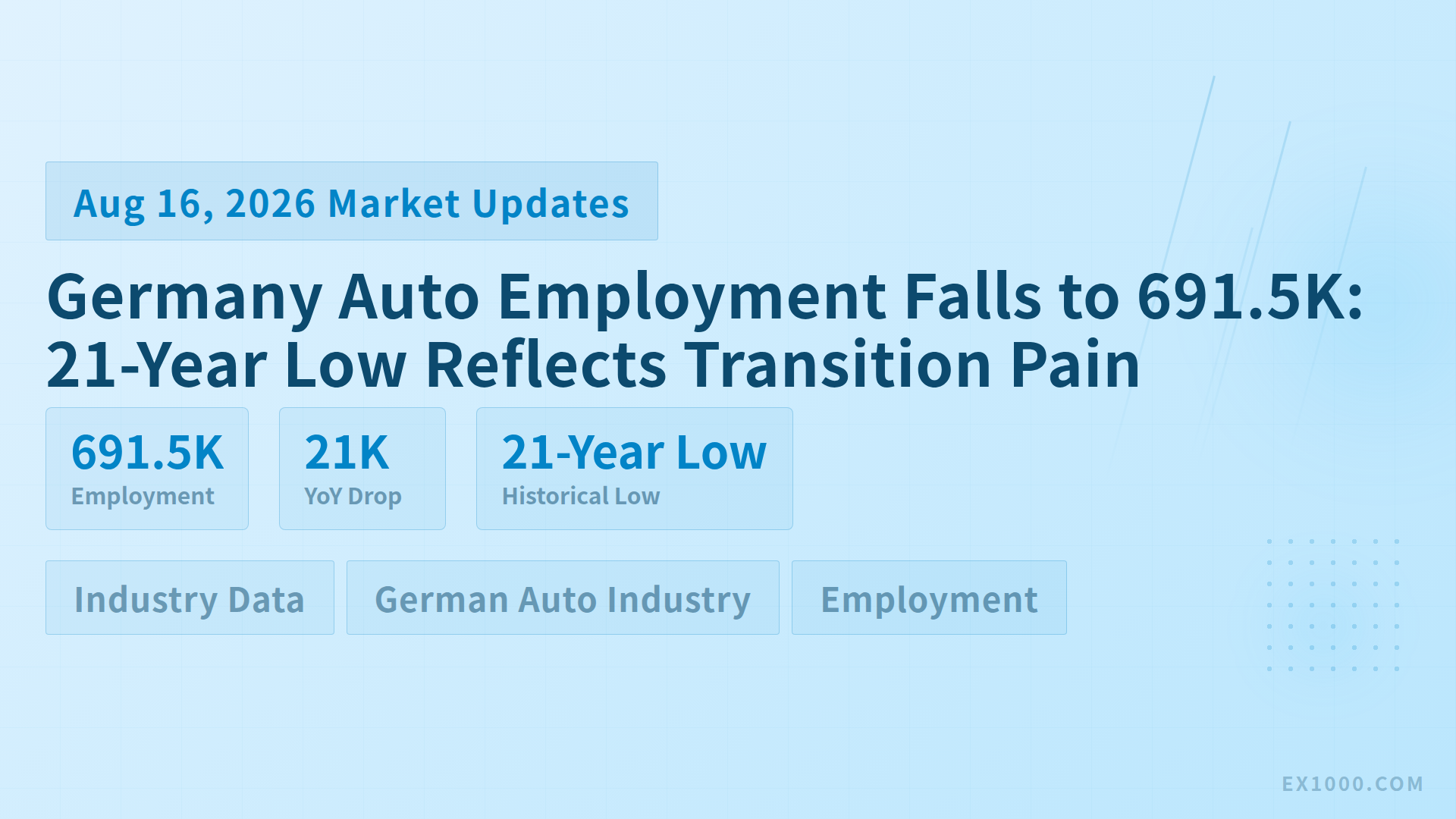
Wei Wenqing of the China Association of Automobile Manufacturers disclosed that from January to July 2026, China's automobile exports reached 6.14 million units, up 66.8% year on year, while component exports totaled US$60.7 billion. Chinese automakers have more than 20 overseas full-process plants, and their overseas output exceeded 1.5 million vehicles in 2025. Eighty percent of the top 100 component suppliers have established overseas operations. In 2025, Chinese-brand automobiles rose to first place in global market share, but their overseas operations systems still lag behind those of Japanese and European automakers. Wei Wenqing pointed out that going global across the industrial chain, going global with intelligent connected vehicles, and brand efficiency are the three major topics. Chinese automobiles have just entered the going-in stage and are expected to reach a medium level of internationalization by 2035.

59542 days ago
Automakers Pilot Humanoid Robots: Validation Matters More Than Replacing Labor

Automakers Pilot Humanoid Robots: Validation Matters More Than Replacing Labor

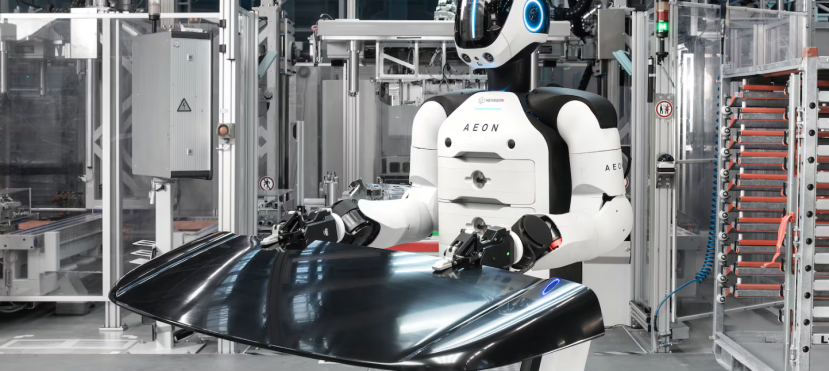
Morgan Stanley estimates that the humanoid robot market could reach $5 trillion by 2050, and automakers including BMW, Renault, Mercedes-Benz, and Tesla have already been testing related equipment in factories. Tesla is shifting the space of its former Model S and Model X production lines at the Fremont factory to Optimus, Renault plans to deploy 350 units in 2027, and Mercedes-Benz aims to use them on assembly lines by 2030. Currently, humanoid robots cost about $20,000 to $200,000, but constrained by battery life of only a few hours, insufficient hand dexterity, reliability yet to be proven, and the level of factory digitalization, trials at this stage are mainly for technical validation, and there is still a long way to go before large-scale replacement of human labor.

60345 days ago
From Product Export to Systemic Roots: The Three Stages of Deep Globalization in the Automotive Supply Chain and the Talent Imperative

From Product Export to Systemic Roots: The Three Stages of Deep Globalization in the Automotive Supply Chain and the Talent Imperative

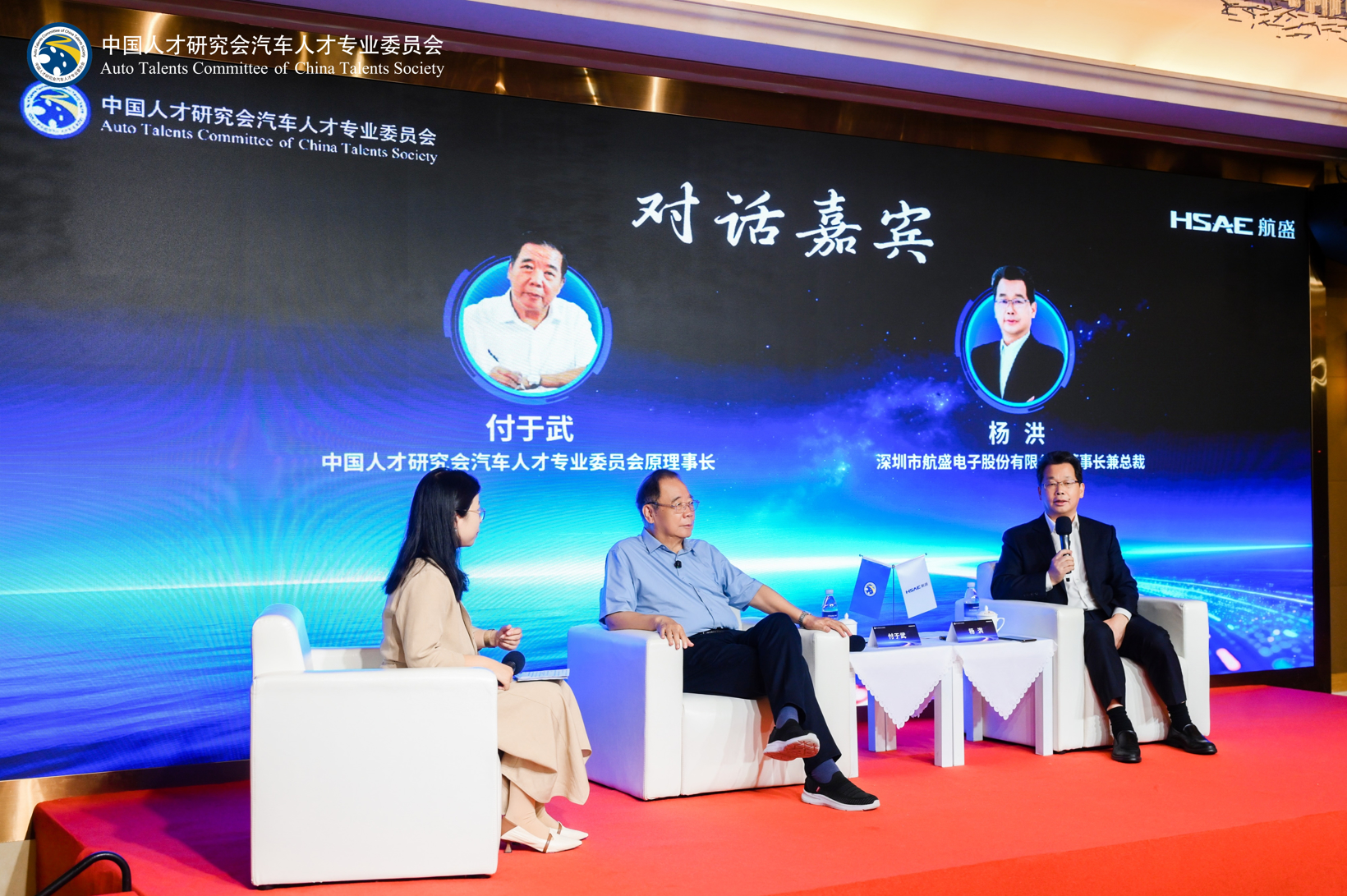
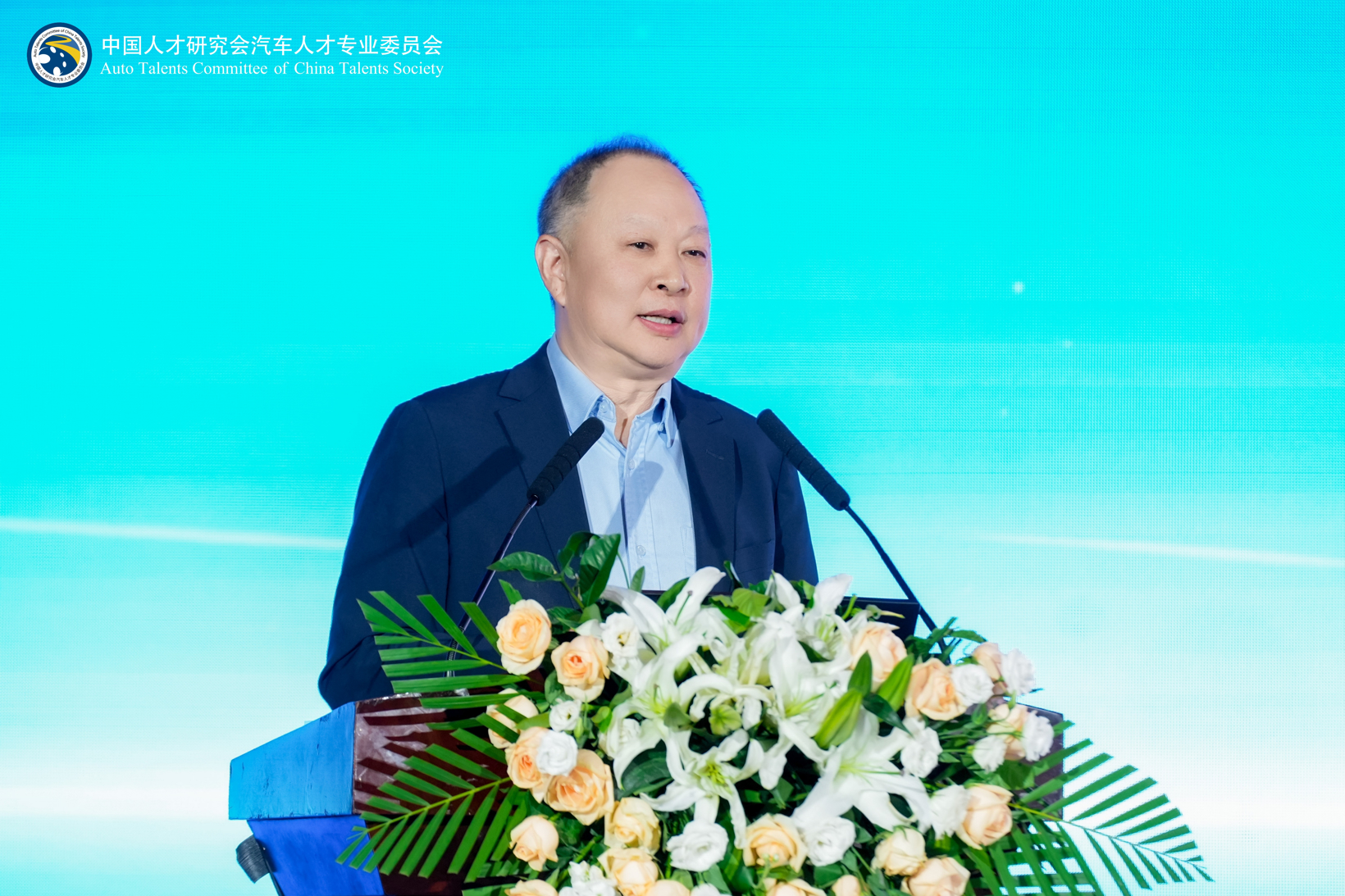
On September 9, 2026, the 20th anniversary celebration of the Automotive Talent Committee of the China Talent Research Society was held. Fu Yuwu, Yang Hong, and others discussed supply chain globalization: technology windows such as electrical/electronic architecture, smart cockpits, and intelligent driving are opening opportunities for Chinese suppliers, but winning orders is only admission. Building plants, R&D, ESG compliance, and cross-cultural system capabilities determine whether they can take root, while interdisciplinary talent ultimately determines how far they can go.

21348 days ago
From One-Way Input to Two-Way Flow: Chinese Smart Driving and Battery Technologies Enter the Global Systems of Multinational Automakers

From One-Way Input to Two-Way Flow: Chinese Smart Driving and Battery Technologies Enter the Global Systems of Multinational Automakers

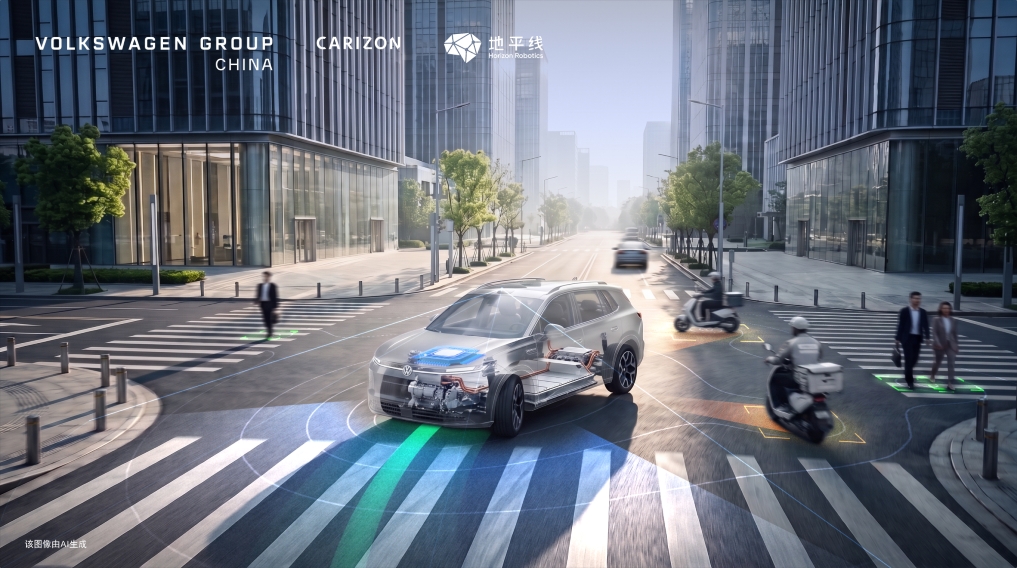
Starting in the third quarter of 2026, the HS8 driver assistance system developed by CARIZON will be installed in seven models from Volkswagen's three joint ventures in China; the Neue Klasse BMW iX3 will offer a smart driving system co-developed with Momenta as standard across the lineup. From power battery technology licensing to global lidar market share, China's supply chain and AI capabilities are extending outward along with multinational automakers' systems. This article reviews the relevant data and cooperation models, and points out that this is not a simple "one-way export," but a two-way flow of technology, knowledge and industrial capability.

60449 days ago
BMW Neue Klasse Switches to 46-Series Cylindrical Cells, CATL and EVE Energy Supply

BMW Neue Klasse Switches to 46-Series Cylindrical Cells, CATL and EVE Energy Supply

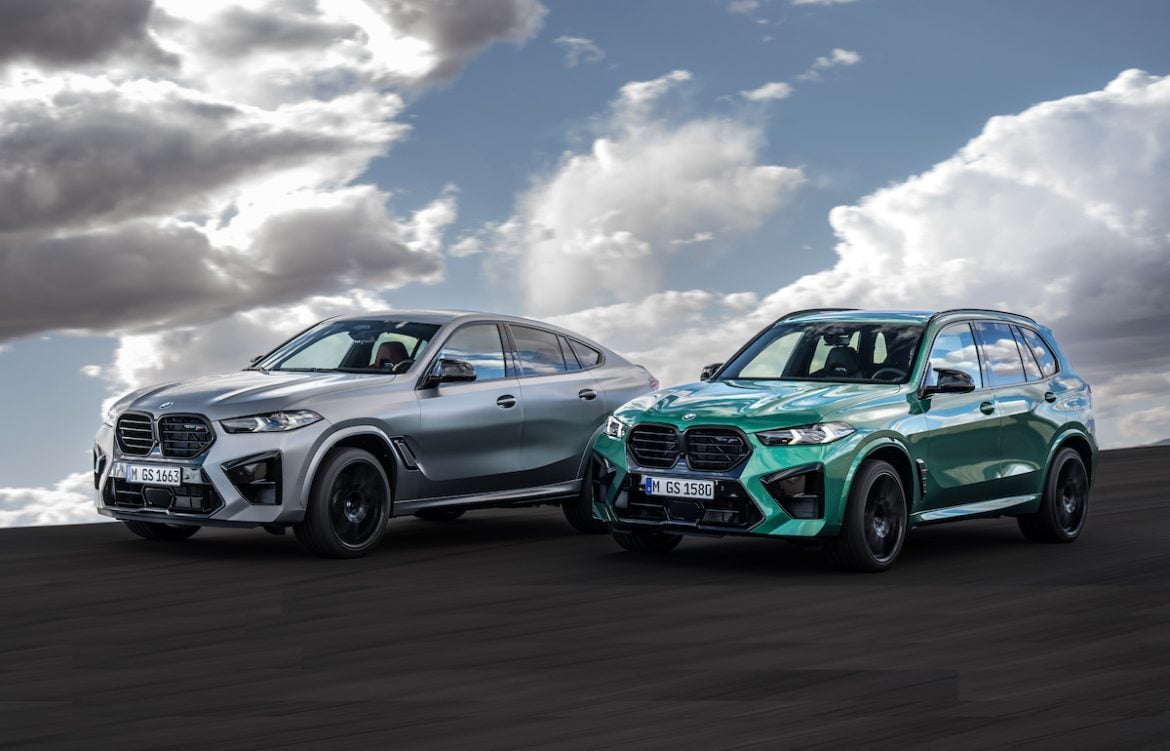
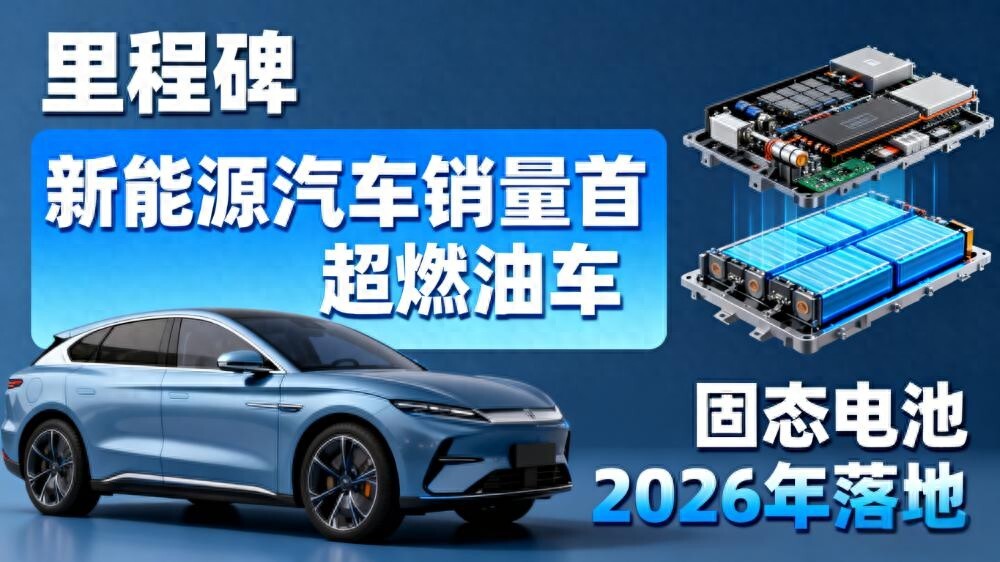
BMW Group announced that starting from its next-generation EV platform "Neue Klasse," the sixth-generation BMW eDrive platform will fully transition to self-designed 46-series large cylindrical cells, replacing the previously used prismatic cells. CATL and EVE Energy have become core suppliers, each receiving approximately 50% of the order share. Cell-level volumetric energy density increases by over 20% compared to the fifth generation, and paired with an 800V high-voltage platform, range improves by 30% and charging speed by 30%. The first Neue Klasse model will begin production in Shenyang in 2026.

85170 days ago