Volkswagen, Mercedes-Benz, and BMW all reported disappointing H1 2026 results. Mercedes passenger car EBIT plummeted 66.2%, BMW's vehicle margin dropped to just 3.2%, and Audi's revenue fell 10.4%. Weak Chinese demand was the key factor behind the synchronized decline.
German Trio: Collective Profit Collapse
In August 2026, VW Group, Mercedes-Benz, and BMW released their H1 financial reports. All three German auto giants saw significant declines exceeding market expectations.
Revenue and Profit Double Decline
| Automaker | H1 Revenue | YoY Change | EBIT | Margin | Key Change |
|---|---|---|---|---|---|
| Mercedes | €63.66B | -4.1% | €3.45B | Passenger car only 4% | Profit -66.2% |
| BMW | €62.27B | -8.0% | €3.64B | Vehicle 3.2% | Profit -37.4% |
| Audi | €29.18B | -10.4% | €1.12B | 3.8% | Only profit growth |
All three hit revenue lows not seen since 2022, with vehicle sales at 2023 lows.
Mercedes: Passenger Car Profits Overtaken by Commercial Vehicles
Mercedes passenger car H1 EBIT crashed 66.2% to €860M. This figure was surpassed by both commercial vehicles (€890M) and financial services (€870M).
In Q2 alone, Mercedes passenger car EBIT collapsed from €780M YoY to just €50M. Adjusted EBIT margin fell to 4%, a six-year low. In H1 2021, Mercedes passenger car margin reached 13.7%.
BMW: Highest Profit Decline Among the Three
BMW's H1 EBIT fell 37.4% YoY, the steepest decline among the trio. BMW vehicle business margin was just 3.2%, compressing profitability to mainstream brand levels.
Audi: Sole Profit Growth, But Margins Still Low
Audi H1 revenue fell 10.4%, but operating profit reached €1.12B, the only growth among the three. Strict cost controls, reduced carbon provisions, and lower restructuring costs drove this. However, operating margin was only 3.8%, still near historic lows.
China Market: The Achilles' Heel
The common factor behind all three German automakers' poor performance points to one market: China.
As Chinese domestic brands rise, multinational automakers face mounting competitive pressure. Weak Chinese demand has become the key driver of profit volatility for global OEMs.
Japanese Automakers: Stability in Adversity
In contrast to the German decline, Toyota and Honda maintained relatively stable performance in China.
Toyota's hybrid-first strategy preserved sales resilience, while Honda accelerated electrification transformation. Japanese automakers' success lies in earlier hybrid deployment, richer product lines, and more flexible pricing.
Industry Restructuring: From "Cash Cows" to "Loss Edge"
BBA margins collapsing from 13%+ in 2021 to 3-4% today reflects a profound global automotive restructuring:
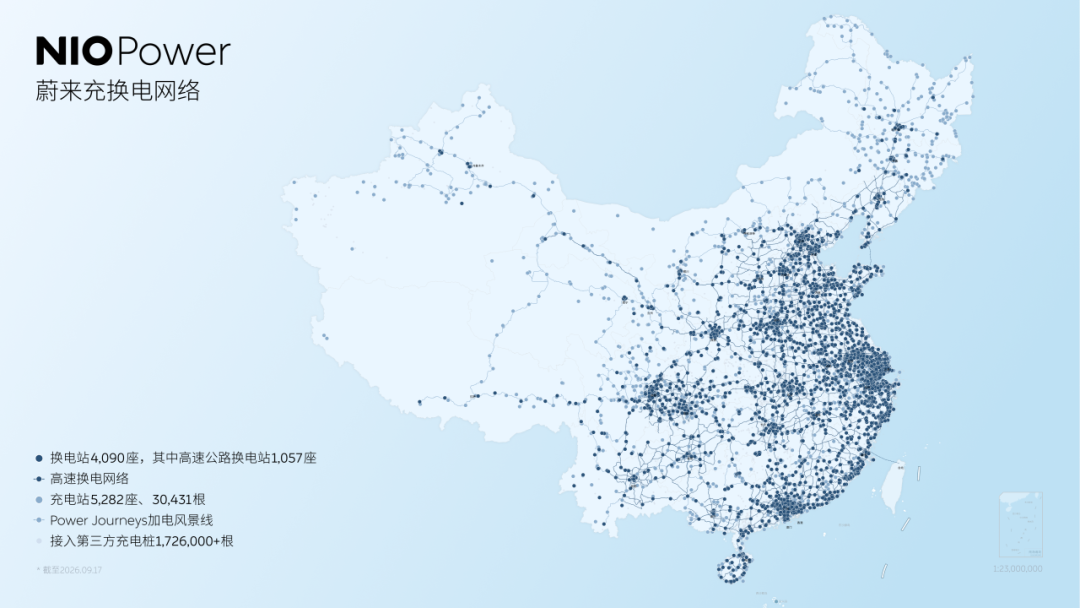
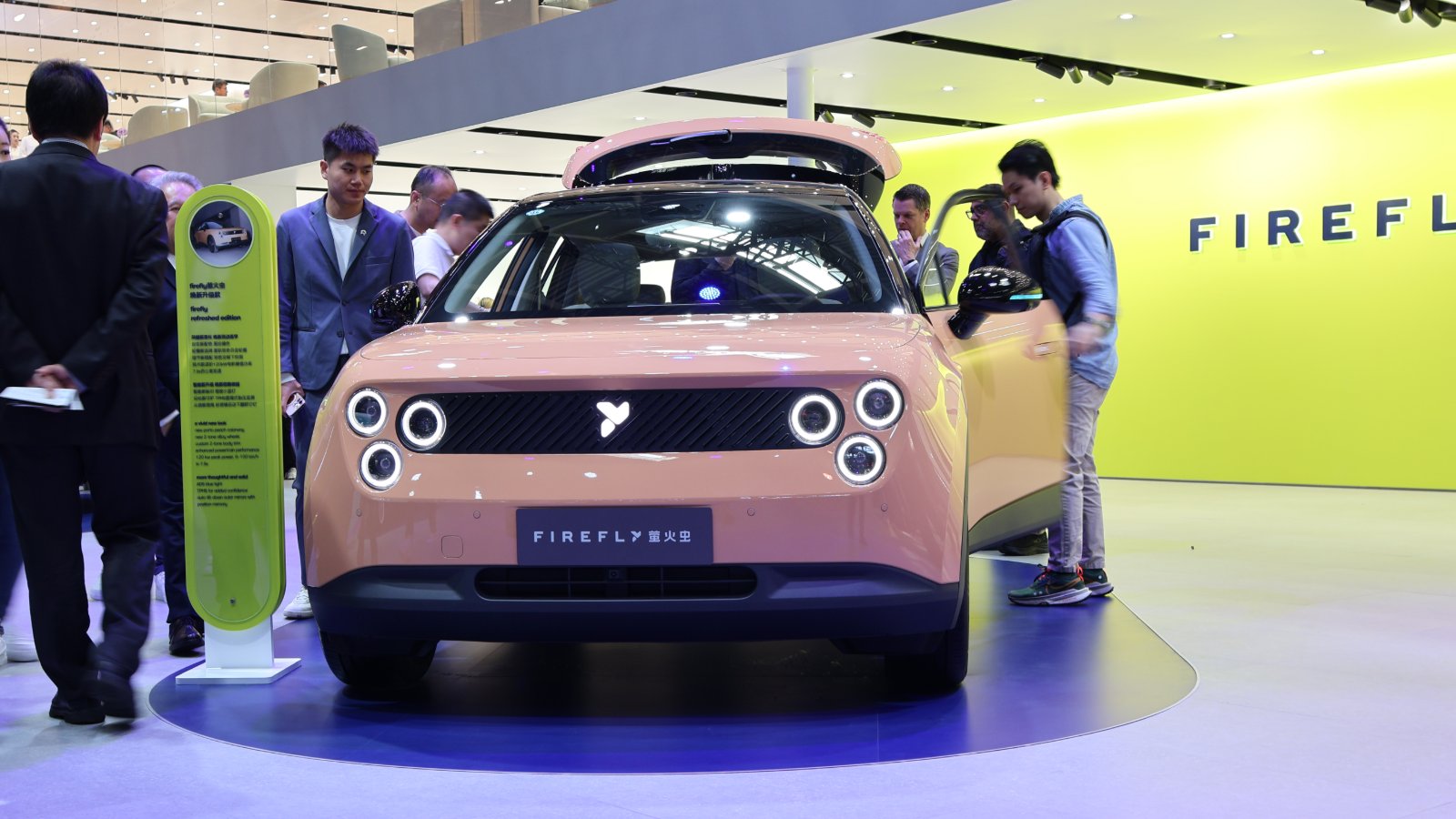
- Chinese brands rising: BYD, Li Auto, NIO penetrate the 300K+ yuan segment
- Electrification lag: BBA's EV competitiveness lags Chinese market average
- Price war erosion: Terminal discounts erode margins
- Intelligent driving gap: Huawei, XPeng rapidly iterate ADAS, BBA advantage fading
Conclusion
The H1 reports of VW, Mercedes, and BMW confirm an industry consensus: lose China, lose the world. As China becomes the world's largest NEV market, any automaker unable to compete there faces systematic global decline. For overseas buyers and dealers, BBA's struggles are the mirror image of Chinese brands' rise. More at EX1000.COM.