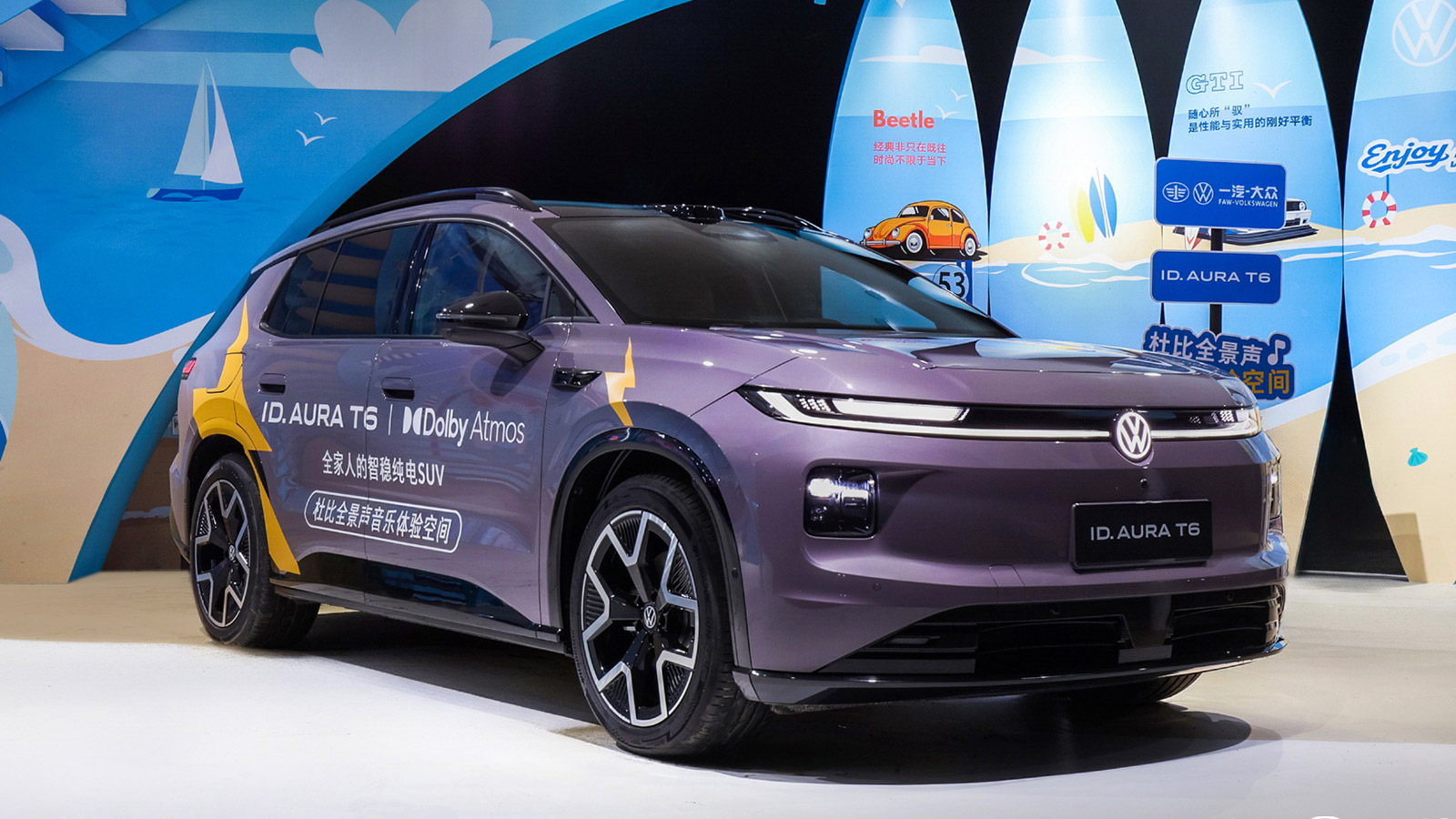
The FAW-Volkswagen all-electric SUV ID. AURA T6 was launched on September 20, 2026, in four versions priced from 135,900 to 169,900 yuan. It is Volkswagen's first all-electric SUV equipped with LiDAR. The high-end version features a 192-line LiDAR and Horizon Journey 6H chip with 420 TOPS of computing power, and adopts the CEA architecture jointly developed by Volkswagen and XPeng, with CLTC ranges of 540 km and 660 km. Most of its core supply chain comes from China, making it a case for observing how joint-venture brands leverage local intelligent capabilities and explore technology feeding back into overseas markets.
From RMB 135,900: Volkswagen's first all-electric SUV with LiDAR hits the market
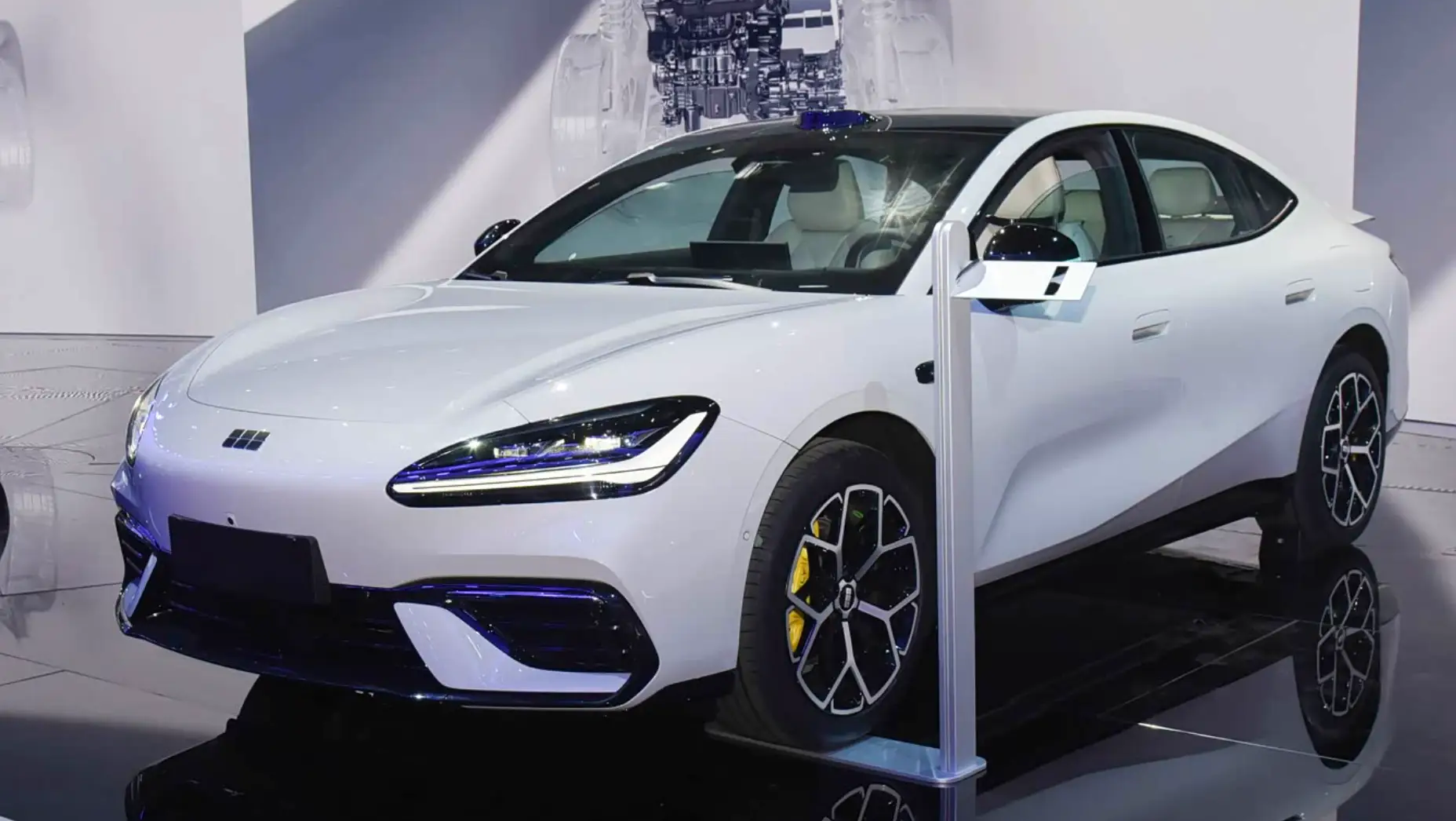
FAW-Volkswagen's all-electric SUV, the ID. AURA T6, officially launched in China on September 20, 2026. Presales began on August 28, and the model is offered in four trims priced from RMB 135,900 to RMB 169,900 (about USD 20,100 and up). As the first model in FAW-Volkswagen's all-new AURA product line, the ID. AURA T6 is also Volkswagen's first all-electric SUV equipped with LiDAR.
For a joint venture in China, this car means more than just a single product. From advanced driver assistance hardware to the electrical/electronic architecture, many of its core supply chain links come from Chinese local tech companies, making it a case study for how joint venture brands are shoring up their smart-vehicle shortcomings.

ADAS solution: 192-line LiDAR and Journey 6H chip
The two higher trims of the ID. AURA T6 feature a 192-line LiDAR and adopt an integrated hardware-software solution from Carizon, the joint venture between Volkswagen and Horizon Robotics (HKEX: 9660). The solution is based on Horizon Robotics' Journey 6H chip, delivering 420 TOPS of compute.
According to the officially disclosed feature list, the system supports all-scenario urban NOA (Navigate on Autopilot), valet parking with memory across multiple levels at distances of up to 3 km, and reverse tracking along the original route for up to 200 meters. Bringing LiDAR, urban NOA and memory parking down to the RMB 130,000 price band is the most closely watched aspect of this product definition.
CEA architecture: an E/E foundation jointly developed with XPeng
The vehicle adopts the CEA (China Electronic Architecture) jointly developed by Volkswagen and XPeng (NYSE: XPEV). The architecture is based on a combination of central computing and zone controllers, and includes a dedicated compute module for an in-vehicle AI Agent.
On the cockpit side, it uses a 4-nanometer chip with about 20 TOPS of compute, supporting on-device deployment of large models and vehicle-wide OTA updates. Interaction hardware includes a 15.6-inch 2.5K central display, a 10.25-inch digital instrument cluster, and a 25.8-inch AR-HUD.
Product basics
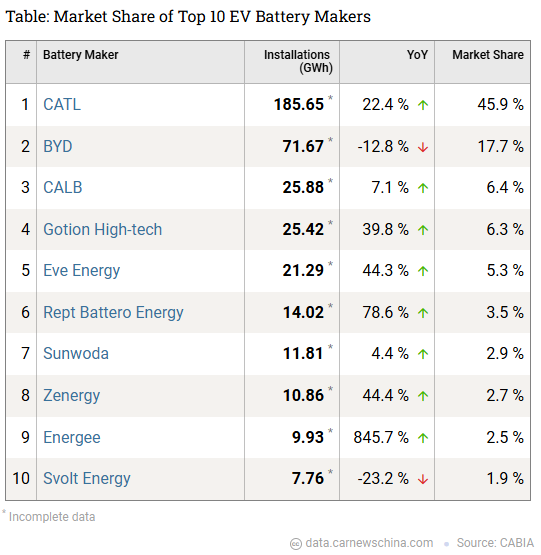
The ID. AURA T6 is positioned as a five-seat mid-size SUV, measuring 4,811 mm long, 1,879 mm wide and 1,648 mm tall, with a wheelbase of 2,836 mm. It uses a single-motor layout with a peak output of 170 kW; the battery is supplied by CATL, and CLTC range is offered in two versions: 540 km and 660 km.
The car debuted at the Beijing Auto Show in April 2026 and is part of Volkswagen's 2026 product offensive in China.
Volkswagen's NEV pace in China
Under the plan, Volkswagen will launch 13 new models in China this year, 7 of which will be all-new NEVs; FAW-Volkswagen will account for 4 of them, including 2 from the AURA product line. Over a longer horizon, the Volkswagen Group aims to launch more than 30 all-new NEVs in China by 2029; FAW-Volkswagen plans to raise the share of NEV sales to around 60% by 2030.
In the same product matrix, the ID. ERA 5S is the first sedan in the ID. ERA family and Volkswagen's first sedan globally to support urban NOA.
Observations on overseas expansion and technology reverse-transfer
It should be noted that available information does not disclose export arrangements for the ID. AURA T6 or the AURA product line, so it is not yet possible to determine whether the model will enter overseas markets. However, from the perspective of supply chain structure, this model offers two clues for the industry to consider.
First, the path by which joint venture brands are catching up in smart features is changing. The traditional division of labor—in which the foreign side imports platforms while the Chinese side handles manufacturing and channels—is being reversed in ADAS and cockpit segments: the E/E architecture, chips, algorithms and LiDAR all come from Chinese local suppliers.
Second, if such China-developed architectures and ADAS solutions are incorporated into Volkswagen's global model lineup in the future, the role of China's supply chain will extend from “serving the Chinese market” to “participating in global product definition.” Whether this potential path materializes depends on Volkswagen's trade-offs regarding global platform uniformity, and there is currently no clear timetable.

For industry practitioners, the ID. AURA T6's actual delivery performance and the rollout coverage of urban NOA will be a window into whether the strategy of joint venture brands “leveraging local supply chains” is paying off.