According to Catalyst IQ data, U.S. new-vehicle inventory stood at 2.91 million units in early September, down about 30,000 month over month and up about 40,000 year over year, with 73 days' supply, down 5 days month over month and nearly three weeks less year over year. Hybrids had the fastest turnover for the fifth consecutive month, with inventory at only 64 days; battery electric vehicles fell to 72 days, while diesel vehicles rose to 114 days as oil prices hit new highs. Midsize SUVs and crossovers had inventory of more than 600,000 units, and full-size pickups 358,000. Among six automakers that disclosed figures, inventory days rose for Ford and Mazda and fell for Toyota, Honda, Subaru, and Hyundai. Inventory of lower-priced models contracted.
At the beginning of September, U.S. new-vehicle inventory edged down to 2.91 million units, about 30,000 fewer than the previous month but still about 40,000 more than a year earlier. According to data from market research firm Catalyst IQ, at the current sales rate, the latest inventory equates to 73 days' supply, down 5 days from early August and nearly three weeks lower than a year ago. Total inventory rose year over year while days' supply fell, meaning the current sales rate is higher than a year earlier, while automakers and dealers are simultaneously building up stock, especially inventory of popular hybrid models.
Total: Days' Supply Falls Both MoM and YoY
From an inventory scale perspective, the absolute level of 2.91 million units remains relatively ample. The roughly 30,000-unit month-over-month decline is a modest adjustment, while the roughly 40,000-unit year-over-year increase shows that replenishment appetite at the channel level remains. What is truly worth watching is the change in the turnover metric: 73 days is down 5 days from early August and nearly three weeks lower year over year, indicating that inventory is being absorbed somewhat faster.
Hybrids: Fastest-Turning for the Fifth Consecutive Month
The divergence by powertrain type is the most obvious main thread in this period's data. Catalyst IQ said hybrids have been the fastest-turning powertrain type in the U.S. market for the fifth consecutive month, with the lowest days' supply at just 64 days. At the same time, over the past month, the inventory of hybrid models added by automakers and dealers was higher than that of all other powertrain types. Inventory of popular models rose rather than fell, reflecting that the channel is stocking up ahead of demand for this segment, rather than passive accumulation caused by weakening demand.

BEVs and Diesel: Two Curves Moving in Opposite Directions
The turnover of battery electric vehicles is accelerating. Data shows that in early September, U.S. BEV days' supply fell 20% to 72 days, narrowing the gap with hybrids but still higher than the latter.
Diesel vehicles are moving in the other direction. Affected by record-high diesel prices, U.S. diesel vehicle days' supply rose to 114 days, making it the slowest-turning powertrain type in this dataset. The dampening effect of price factors on diesel vehicle demand is reflected relatively directly in days' supply.
Model Mix: Midsize SUVs and Pickups Dominate Inventory
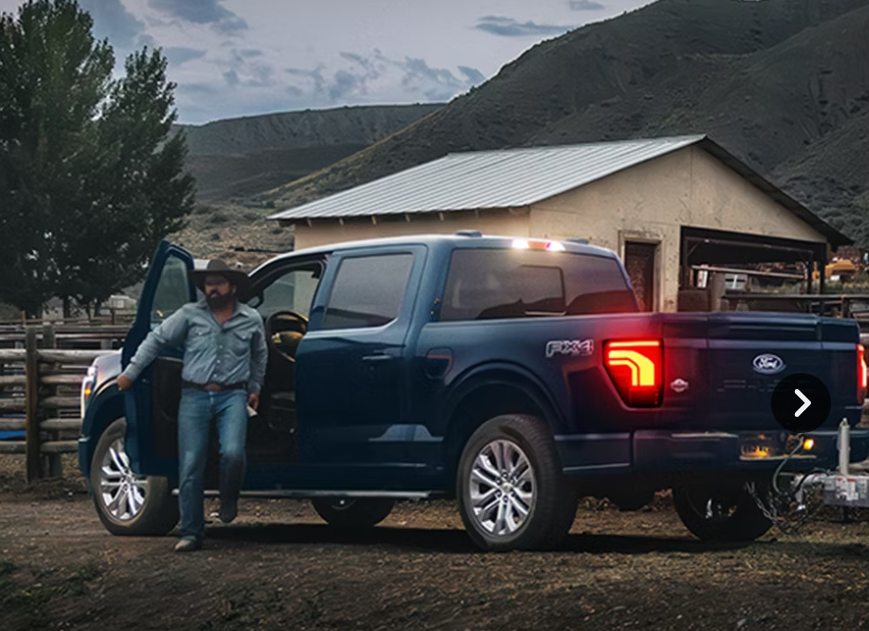
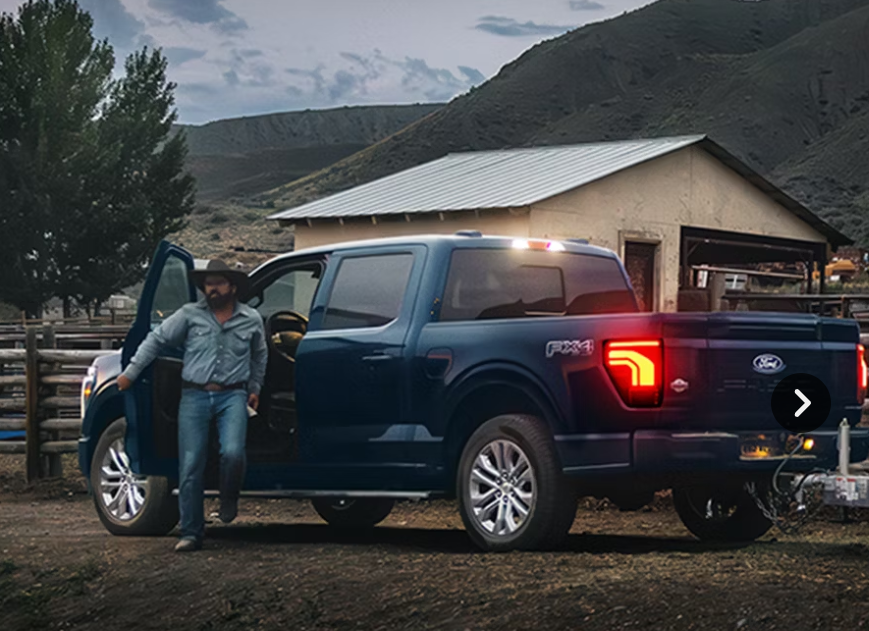
At the segment level, midsize SUVs and crossovers have the most ample inventory, with current stock exceeding 600,000 units; full-size pickups rank second at 358,000 units, a clear gap behind the former. These two categories have long been the sales pillars of the U.S. market, and their inventory volumes are correspondingly the largest.
Separately, according to statistics from the Automotive News Research & Data Center on six automakers that disclose inventory data monthly, all such automakers saw car days' supply fall to 30 days, while light-truck days' supply fell to 46 days. Cars are turning noticeably faster than light trucks.
OEM Divergence: Ford and Mazda Up, the Other Four Down
Among the six automakers that disclosed data, Ford and Mazda saw slight increases in days' supply; Toyota, Honda, Subaru, and Hyundai Motor Group all saw declines in days' supply. In the same market environment, different automakers' inventory trends diverged, related to their product mix, powertrain share, and stocking pace.
Price Mix: Inventory in Lower-Price Range Shrinks Notably
On the price dimension, in August of this year, inventory of new vehicles on sale priced below $35,000 fell sharply. Among current inventory, about 36% of models are priced between $35,000 and $50,000. The contraction in lower-priced model inventory may affect the choices available for entry-level vehicle demand; whether this trend continues remains to be seen.
Overall, the total of 2.91 million units has not fluctuated sharply, but turnover speeds among powertrain types are diverging: hybrids remain in the lead at 64 days, BEVs have accelerated to 72 days amid destocking, and diesel vehicles have risen to 114 days, dragged down by fuel prices. The inventory distribution by model and price structure also shows a concentration toward midsize and large SUVs, pickups, and the above-$35,000 range.