Xiaomi Group reported Q2 2026 earnings with smart EV and AI innovation business revenue of $3.5B, including $3.3B from EV sales. Quarterly deliveries reached 104,199 units, up 28.2% YoY. However, auto business gross margin fell to 19.2% with operating losses of $360M, and the annual 550K delivery target is only ~33% complete.
Core Financial Data Overview
On August 18, Xiaomi Group (01810.HK) released its Q2 2026 earnings report. Total quarterly revenue reached $15.4B (108.9B RMB), adjusted net profit was $880M (6.2B RMB), and R&D investment reached $1.3B (9.2B RMB), up 18.9% YoY.
Business Segment Revenue:
- Smartphones: $6.0B
- IoT and Lifestyle Products: $4.4B
- Internet Services: $1.3B
- Smart EV and AI Innovation: $3.5B (24.9B RMB) (+17.1% YoY, +25.3% QoQ)
Of this, smart EV revenue was $3.3B (23.9B RMB), up 15.9% YoY and 25.7% QoQ. AI and other innovation business revenue was approximately $140M, mainly from MiMo large model commercialization and after-sales services.
Auto Business Delivery Data:
- Q2 Deliveries: 104,199 units, up 28.2% YoY
- H1 Cumulative Deliveries: approximately 185,000 units
- SU7 Series Cumulative Deliveries (as of Aug 17): over 500,000 units
- Average Selling Price (ASP): $31,700 (229,300 RMB), down 9.6% YoY
| Metric | Q2 2026 | Q2 2025 | YoY Change |
|---|---|---|---|
| Auto Revenue | $3.3B | $2.9B | +15.9% |
| Quarterly Deliveries | 104,199 | 81,300 | +28.2% |
| Gross Margin | 19.2% | 26.4% | -7.2pp |
| Operating Loss | $360M | $43M | Widened |
| ASP | $31,700 | $35,100 | -9.6% |
Auto Business Deep Dive
Xiaomi's auto business growth primarily benefited from delivery volume increases, but profitability remains under pressure. Gross margin dropped sharply from 26.4% in Q2 2025 to 19.2% in Q2 2026. Xiaomi attributed this to:
- Decreased delivery mix of higher-priced SU7 Ultra
- Rising costs of core components like memory chips
- Increased AI business-related costs
- Structural decline in average selling price
Notably, operating losses narrowed from $430M (3.1B RMB) in Q1 to $360M (2.6B RMB) in Q2, showing improvement. However, compared to approximately $43M in Q2 2025, pressure remains significant.
Product Line Progress:
- SU7 Series: Cumulative deliveries exceeded 500K as of Aug 17; ranked #1 in China's 200K+ RMB pure electric sedan sales in H1
- YU7 Series: 232,000 cumulative deliveries in 10 months since launch; ranked #1 in one-year residual value for pure EVs
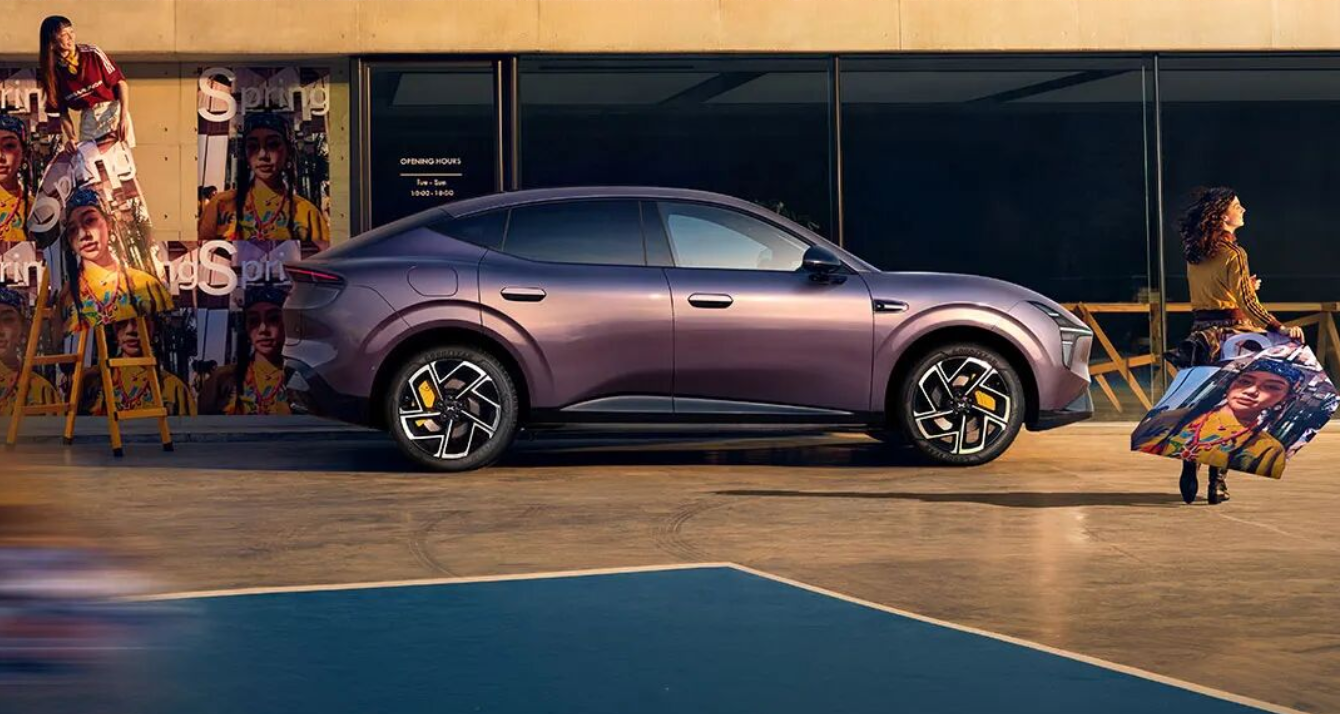
- Pengcheng Series: N90 Max ($41,500) and N70 Max ($36,000) opened pre-sales, expected to launch in September
- Kunlun Architecture: Released, completing dual-series product layout
Xiaomi Group President Lu Weibing revealed on the earnings call that Pengcheng Series orders have far exceeded expectations. Xiaomi has also confirmed European market entry in 2027, with the board planning an upcoming Europe trip to explore partnerships.
Annual Target Achievement Path
Xiaomi's 2026 annual delivery target is 550,000 units. With approximately 185,000 cumulative deliveries in H1, only about 33% of the target has been achieved. This means monthly deliveries must exceed 60,000 units in H2 to meet the goal.
Current SU7 and YU7 pure EV models maintain monthly deliveries around 30,000 units. The Pengcheng Series EREV SUV, launching in September, represents the key variable for H2 growth. However, the EREV SUV segment already has strong players like Li Auto and AITO, and the overall EREV market growth is slowing.
Xiaomi Auto Current Challenges:
- Declining premium model mix dragging gross margin
- Core component costs remaining elevated
- Significant pressure to meet annual delivery target
- Intensifying competition in EREV segment
Positive Signals:
- Operating losses narrowed quarter-over-quarter
- Pengcheng Series pre-sales exceeding expectations
- Clear overseas expansion plan
- Continuous R&D investment increase ($2.6B cumulative in H1)
Implications for Overseas Markets
Xiaomi Auto's success path offers an important reference for other Chinese new forces: entering via premium pure electric sedans to quickly build brand recognition, then expanding into SUVs and EREV segments. EX1000.COM analysis suggests Xiaomi Auto's 2027 European entry plan warrants attention—its "smartphone × AIoT × automobile" ecosystem synergy model may create differentiated competitiveness in overseas markets. However, European regulatory certification, charging infrastructure, and brand building remain hurdles Xiaomi must overcome one by one.