In H1 2026, China's domestic auto sales fell 20.8% YoY, but exports surged 65.3% to 5.1 million units, accounting for 36.9% of June shipments. NEV exports nearly quadrupled, while Chinese brands' passenger vehicle share rose to 72%, with German and Japanese brands declining 29% and 17.7% respectively.
Market Overview: Domestic Contraction Meets Export Boom
China's auto market in H1 2026 presented a striking tale of two halves.
Domestic weakness was unmistakable in the data:
- Total H1 shipments fell 4.1% to 15.0 million units
- Domestic vehicle sales plunged 20.8% to 10.1 million units
- Passenger vehicle shipments declined 6.0% to 12.7 million units
- ICE domestic sales dropped from 6.9 million in H1 2024 to 4.8 million in H1 2026
Meanwhile, exports hit record highs:
- H1 exports surged 65.3% to 5.1 million units
- July alone saw 1.092 million exports, up 57% YoY
- January-July cumulative exports reached 6.4 million units, up 54%
- Export value reached USD 110.8 billion, up 55%
| Indicator | H1 2024 | H1 2025 | H1 2026 | YoY Change |
|---|---|---|---|---|
| Total Shipments | 14.0M | 15.7M | 15.0M | -4.1% |
| Domestic Sales | — | ~12.8M | 10.1M | -20.8% |
| Exports | — | ~3.09M | 5.1M | +65.3% |
| NEV Domestic Sales | 4.3M | — | 5.1M | +18.6% |
| ICE Domestic Sales | 6.9M | — | 4.8M | -30.4% |
NEV Crosses Structural Threshold: Penetration Above 60%
In this market reshuffling, new energy vehicles stood out prominently.
- NEV H1 shipments grew 7.3%, adding approximately 500,000 units
- NEVs accounted for 49.6% of total H1 shipments
- June alone saw NEV share reach 58.4%
- In passenger vehicles, NEV sales penetration exceeded 63%
ICE vehicles continued to shrink: ICE shipments fell 13.1% in H1, a reduction of roughly 1.15 million units. This widening gap confirms that the market slowdown is accelerating the structural shift away from combustion vehicles.
The electrification of exports is equally dramatic:
- NEV export share jumped from 15.3% in 2021 to 46.2% in H1 2026
- NEV exports nearly quadrupled from 605,000 in H1 2024 to 2.4 million in H1 2026
- January NEV exports alone surged 100% YoY to 302,000 units
Brand Landscape Reshuffle: Chinese OEMs Reach 72% Share
The market contraction did not affect all players equally. Chinese brands expanded their lead despite the downturn.
Chinese brands captured 72% of passenger vehicle shipments in H1 2026, with their YoY decline narrowing to just 1.5% — close to holding volume steady amid a broad market contraction.
Foreign brands faced severe headwinds:
- German-brand shipments plummeted 29.0% YoY
- Japanese brands weakened by 17.7%
- Traditional foreign OEMs remain heavily concentrated in the shrinking ICE segment, exposing structural vulnerability
The H1 passenger vehicle retail ranking also saw a historic shift:
- Geely: 1.02 million units, holding the top spot
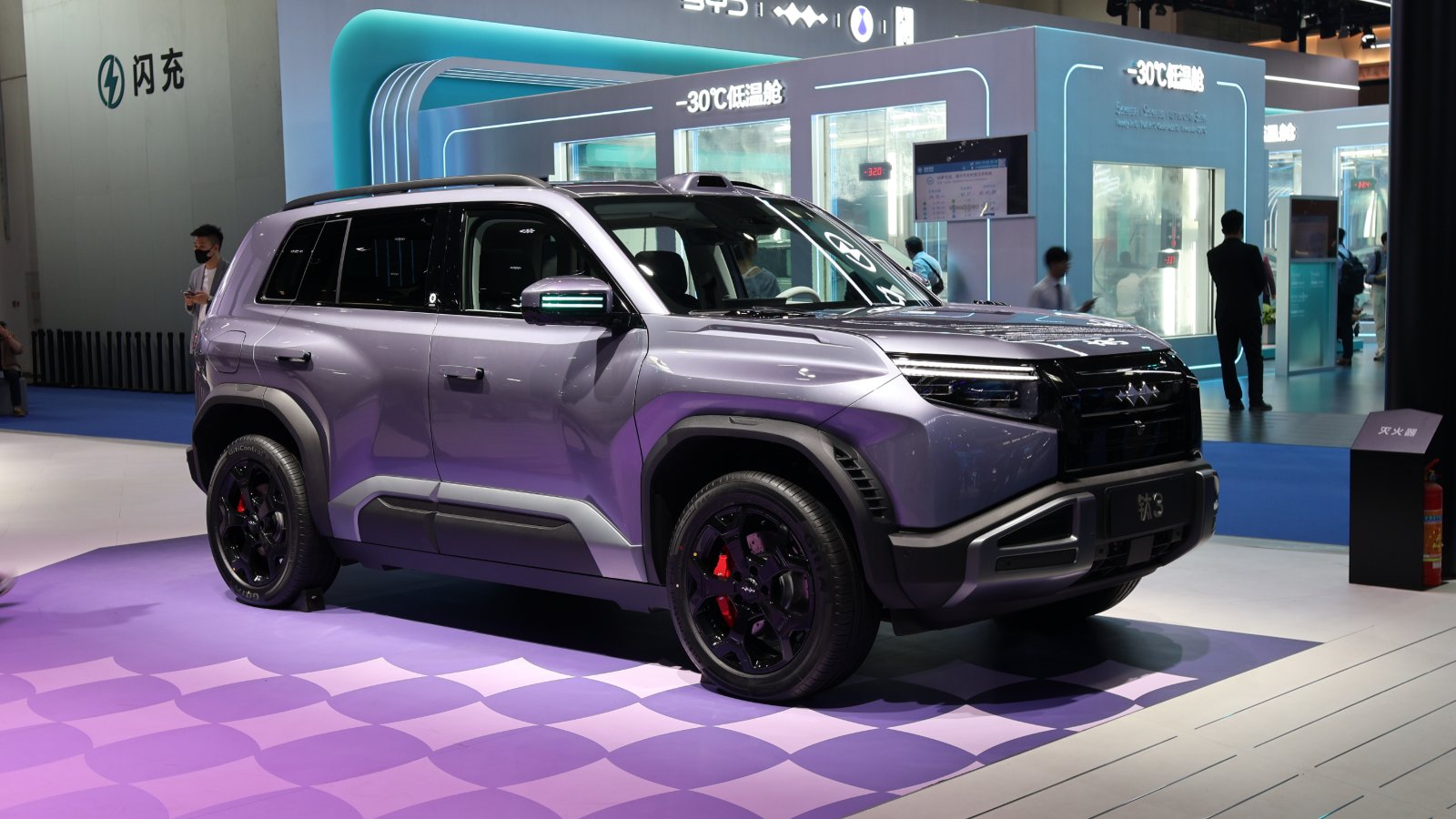
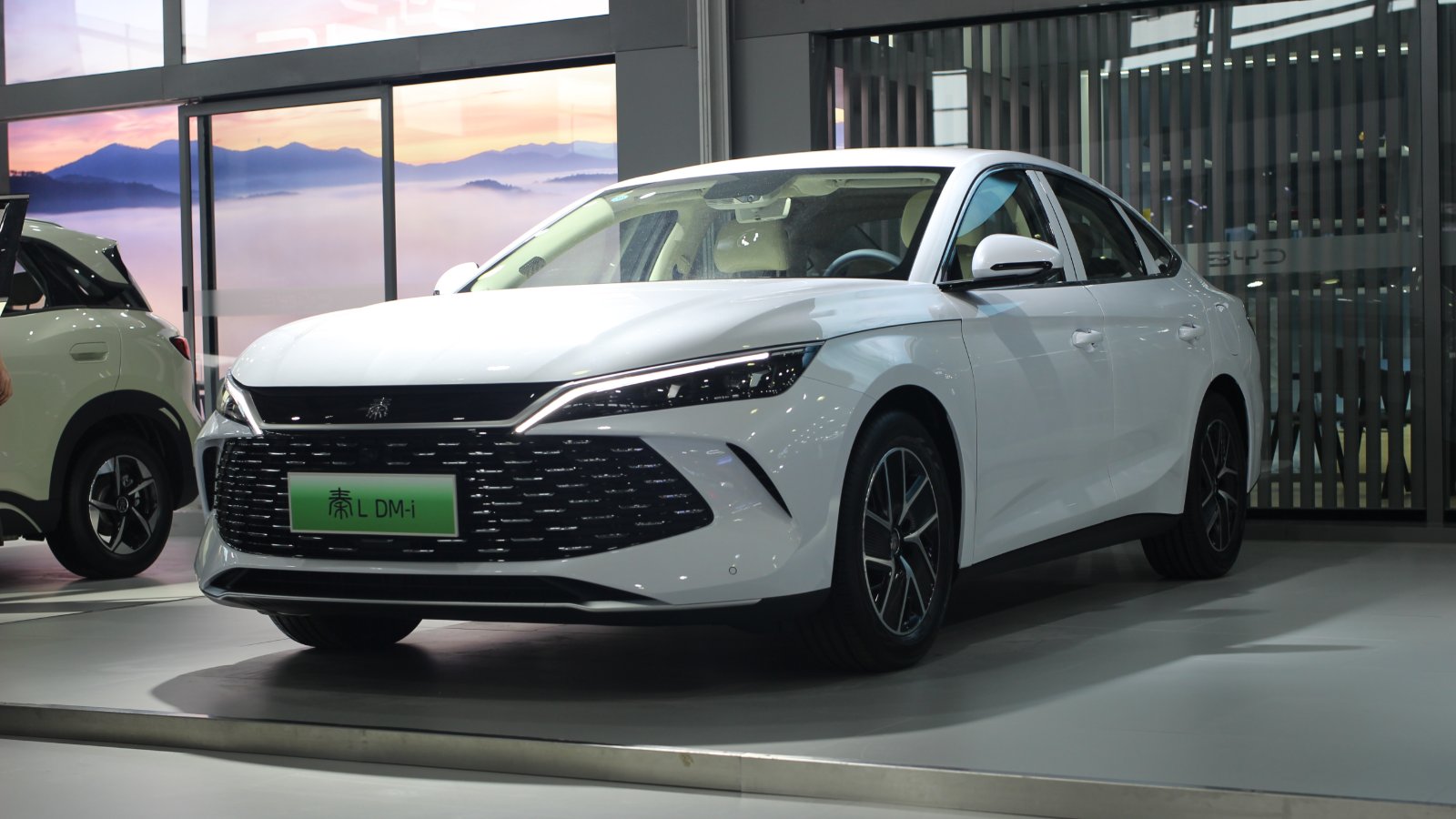
- BYD: 991,000 units, overtaking Volkswagen for second place
- Volkswagen: Surpassed by BYD
Geely's balanced ICE-plus-NEV portfolio provided near-term resilience, while BYD's near-total electrification gave it stronger exposure to the market's structural direction. Different paths, same lesson: scale must align with electrification trends.
Overseas Demand Becomes the Industry's Core Pillar
Export share of China's total shipments has climbed from roughly 20% in early 2025 to 36.9% in June 2026, remaining above 35% for three consecutive months.
This means overseas demand is no longer merely absorbing temporary excess capacity — it has become the core pillar supporting industry scale, factory utilization, and supplier economics.
For Chinese OEMs, exports bring more than volume support:
- Overseas markets offer relatively milder pricing environments with less severe discounting
- Export products typically carry better margins than the hypercompetitive domestic market
- Global operations force companies to internationalize product planning, capacity allocation, and investment decisions
Yet risks are rising: trade barriers, localization requirements, and geopolitical friction are intensifying. The transition from "capacity export" to "brand globalization" requires greater investment in product adaptability, service networks, and localized manufacturing.
Implications for Central Asia and Russia
This structural shift in China's auto industry carries profound implications for Central Asia and Russia.
- Expanded export scale means more Chinese models entering Central Asian and Russian markets
- NEV exports approaching half of total overseas shipments suggests accelerating EV penetration in Central Asia
- The global expansion of leading brands like Geely and BYD will directly benefit regional dealers and consumers
- China's evolution from a "domestic growth market" to a "global production and technology platform" will amplify technology and capacity spillover effects
The domestic market has entered a phase of stock competition and structural replacement, while overseas markets — especially emerging markets in Central Asia, Russia, the Middle East, and South America — are becoming the primary source of incremental growth. For local buyers and dealers, this is both a window of opportunity and a moment of choice.
For more industry analysis and data tracking, visit EX1000.COM.