As of early August 2026, XPeng's self-operated supercharging network has surpassed 3,860 stations and 21,300 piles across 430+ cities. Meanwhile, BYD and Zeekr are mass-producing 10C-class megawatt flash-charging technology, marking a qualitative leap in China's EV charging experience.
Network Scale: From Coverage to Density
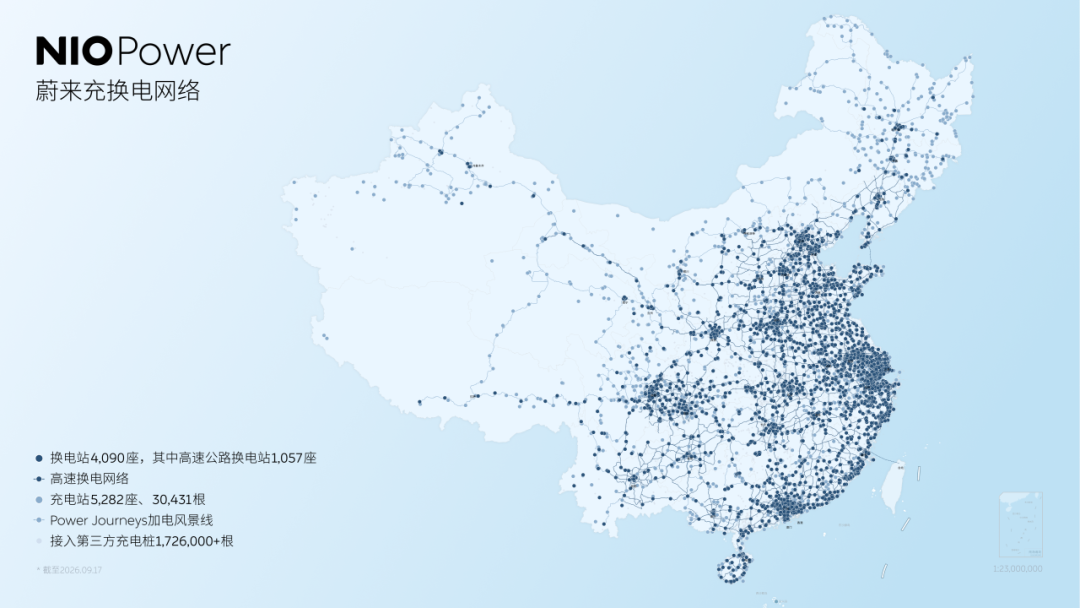
By early August 2026, XPeng's self-operated charging network reached a new milestone: over 3,860 supercharging stations covering 430+ cities, with more than 21,300 charging piles in operation. Compared to 3,150 stations at the end of 2025, over 700 new stations were added in just half a year.
The week of August 2026 alone saw 45 new stations go online, including 7 S5 ultra-fast stations and 22 S4 ultra-fast stations—averaging over 6 new stations per day. The site selection strategy is notable: 75% of stations are located near shopping malls, office buildings, and hotels, meaning a quick coffee break is enough time for a meaningful recharge.
XPeng's network is not limited to its own customers; it is also open to Volkswagen/CAMS cooperative users, reflecting the trend from brand-exclusive to public infrastructure.
Technology Leap: 10C Ultra-Fast Charging Defines New Benchmarks
If the number of charging piles solves the problem of availability, then charging power determines speed. In 2026, China's EV charging technology is experiencing a generational leap from 5C to 10C:
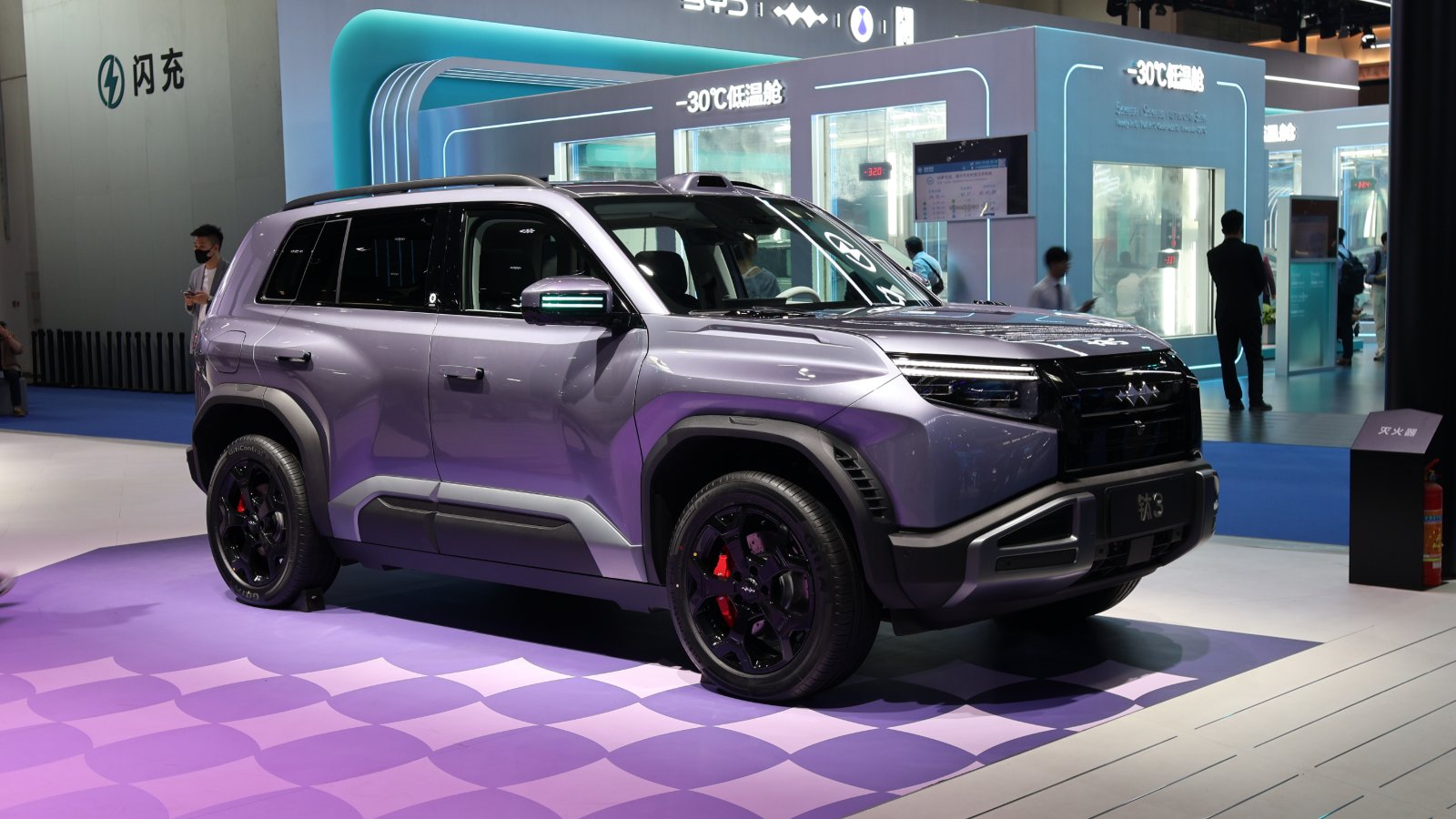
- BYD Megawatt Flash Charging: World's first mass-produced fully liquid-cooled megawatt terminal with peak single-gun power of 1,360kW, charging from 10% to 97% in just 9 minutes, and even in -20°C conditions, fast charging completes in under 12 minutes
- Zeekr V4 Supercharger: Peak single-gun power of 1,300kW, with 10%-80% charging in as fast as 10 minutes, delivering ~300km range in 5 minutes
- XPeng S5 Ultra-Fast: Peak power of 480kW, enabling the new XPeng P7 to charge from 10% to 80% in just 11 minutes
- Li Auto 5C Supercharger: Peak power of 520kW, delivering 500km range in 10 minutes
| Brand | Peak Power | 10%-80% Time | Representative Model |
|---|---|---|---|
| BYD | 1,360kW | ~9 min | Denza Z9GT |
| Zeekr | 1,300kW | ~10 min | Zeekr 001 |
| XPeng S5 | 480kW | ~11 min | New P7 |
| Li Auto 5C | 520kW | ~10 min | Li Auto MEGA |
The proliferation of 10C ultra-fast charging means the EV charging experience is rapidly approaching the convenience of gasoline refueling. Industry consensus predicts that 2026 may mark the true inflection point for charging anxiety.
Infrastructure: From Policy-Driven to Market-Led
The rapid expansion of China's supercharging network is powered by strong policy tailwinds:
- The "2026 Highway Service Area Quality Upgrade Action Plan" mandates over 10,000 new charging guns on national highways this year, with ≥25% being 250kW+ high-power units
- Beijing has built over 1,000 supercharging stations with a 1km service radius in core urban districts, targeting an average charging time of under 8 minutes by 2035
- The NDRC's "Three-Year Doubling" plan aims for 28 million total charging facilities by 2027
Under the combined force of policy incentives and market demand, the charging pile industry is transitioning from "quantity competition" to "efficiency competition." A single 250kW supercharger serves 4x more vehicles per hour than a 60kW slow charger. Replacing 10 slow chargers with superchargers at a service area boosts hourly capacity from 30 to 120 vehicles, cutting queue times by 75%.
Tesla and BYD are opening their networks to all brands. Tesla has opened over 1,000 supercharging stations with 99.95% availability, while BYD's flash-charging stations are shared with the entire society. The shift from brand-exclusive to public infrastructure signals a new competitive phase for the industry. For more charging industry insights, visit EX1000.COM.