On August 18, 2026, nine ministries jointly issued the "Opinions on Further Stimulating Downmarket Vitality and Activating County-Level Consumption," proposing 18 specific measures with explicit support for new energy vehicles in rural areas. In the same month, five ministries led by MIIT launched the 2026 NEV Rural Outreach campaign, with an initial directory of 155 eligible models. Under the combined policy push, the county-level NEV consumer market is poised for a new wave of growth.
Policy Context: County Markets as Key Domestic Demand Drivers
The 2026 Government Work Report explicitly called for "activating offline consumption and stimulating downmarket consumption vitality." Minister of Commerce Assistant Yuan Xiaoming noted at a State Council press conference that down markets cover urban and rural areas, connect production and consumption, and serve people's livelihoods. Data shows that China's county-level regions account for approximately 90% of national territory, 50% of permanent residents, and 40% of economic output. County and township consumption's share of total retail sales has been steadily rising, making it the most important potential source of consumption expansion.
Against this macro backdrop, the joint directive from nine ministries focuses on county areas and offline consumption, proposing 18 specific measures. Key points directly relevant to the automotive sector include:
- Strong support for NEVs, green smart products, and green building materials in rural areas
- Implementation of vehicle purchase tax and vessel tax reductions, plus county-level charging infrastructure improvements
- Promotion of integrated commercial-agricultural-cultural-tourism-sports development
- Guidance for coordinated online-offline development
- Encouragement of VR, immersive experiences, and "AI + consumption" where conditions permit
NEV Rural Outreach: Full-Chain Support from Policy to Implementation
Even before the nine-ministry directive, the 2026 NEV Rural Outreach campaign was launched on June 18 by MIIT, the Ministry of Commerce, and three other ministries. Themed "Green, Low-Carbon, Smart, Safe — Smart Travel for Thousands of Counties and Towns, Green Benefits for Rural Families," the campaign displays several notable characteristics:
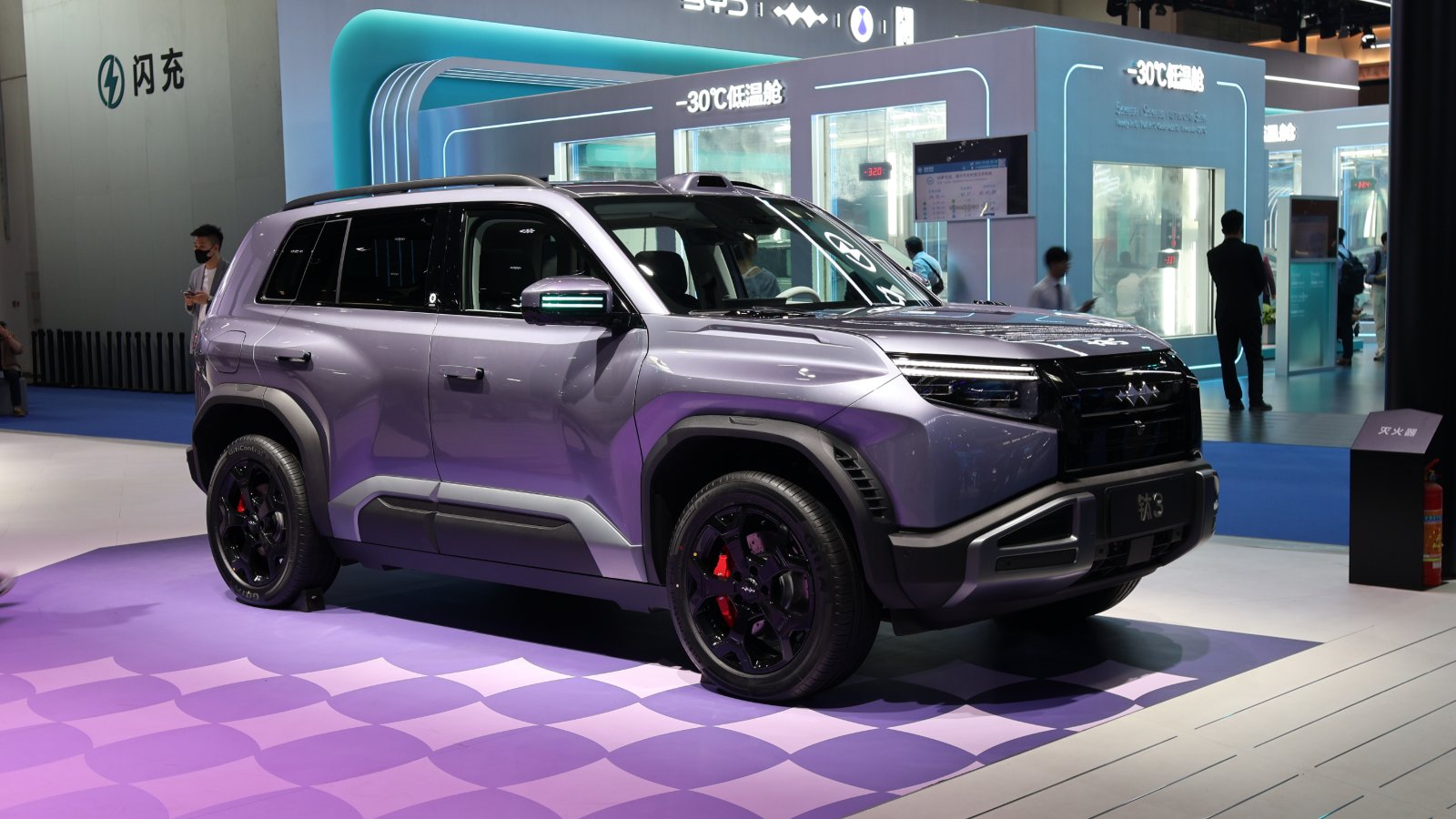
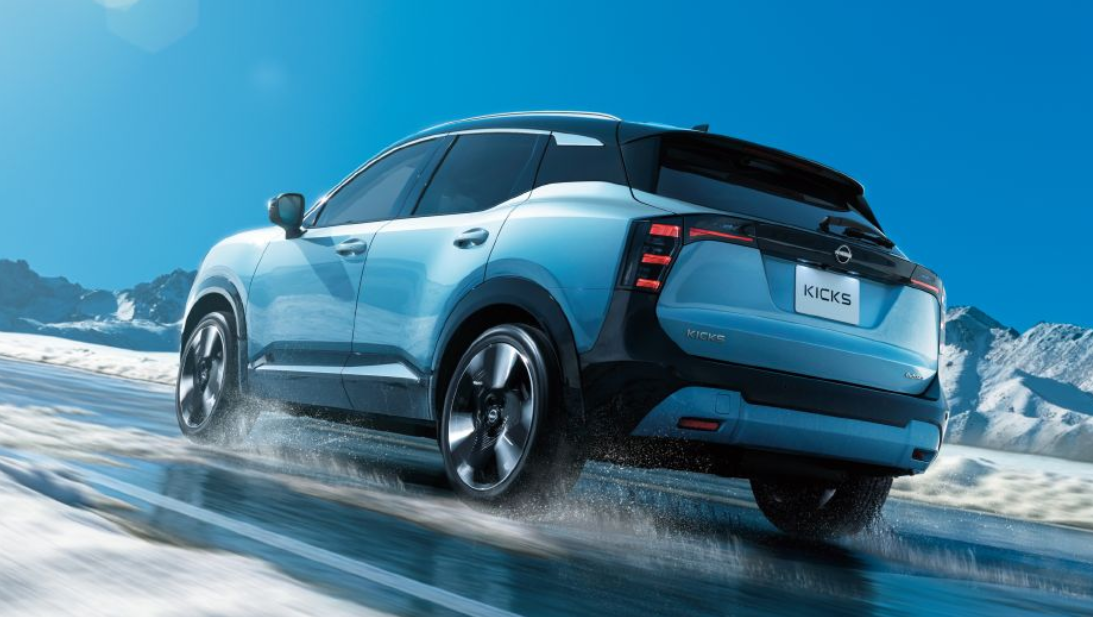
Comprehensive model coverage expansion. The initial outreach directory includes 155 quality NEV models, completely breaking the previous pattern dominated by mini commuter vehicles. The directory covers all price segments: from 30,000-80,000 yuan rural commuters to 80,000-180,000 yuan mainstream family models, and for the first time includes premium models above 200,000 yuan such as the Xiaomi SU7, Tesla Model 3, and Li Auto L6.
Tiered subsidy increases. This round continues cash subsidies: vehicles under 100,000 yuan receive 8,000 yuan; the 100,000-200,000 yuan tier receives 12,000 yuan; and vehicles above 200,000 yuan receive up to 18,000 yuan. Models with pure electric range exceeding 400km receive an additional 2,000 yuan, with a maximum single-vehicle national subsidy of 20,000 yuan. Trade-in allowances have no quantity restrictions, and rural residents can stack replacement subsidies for total discounts up to 35,000 yuan.
Coordinated supporting infrastructure outreach. The campaign organizes NEV sales networks, after-sales service providers, charging service providers, and financial service providers (insurance and credit) to go rural together, promoting intelligent connected technology, new charging technologies, "solar-storage-charging" integration, and vehicle-grid interaction in rural areas.
| Subsidy Tier | Vehicle Price | Subsidy Amount | Range Bonus |
|---|---|---|---|
| Tier 1 | Under 100,000 yuan | 8,000 yuan | +2,000 yuan for 400km+ EV range |
| Tier 2 | 100,000-200,000 yuan | 12,000 yuan | +2,000 yuan for 400km+ EV range |
| Tier 3 | Above 200,000 yuan | 18,000 yuan | +2,000 yuan for 400km+ EV range |
Historical Results and 2026 Trends
Since the first NEV Rural Outreach campaign in 2020 through the end of 2025, a total of 10 model directories with over 500 NEV models have been promoted. This policy framework has proven effective: rural consumer acceptance of NEVs has continuously improved, and county-level NEV penetration has steadily grown.
The 2026 policies reveal several noteworthy new trends:
- From "available to buy" to "good to buy, well-served, well-experienced" — the nine-ministry directive emphasizes not just product availability but comprehensive service experience upgrades
- From price-driven to quality-driven — premium models are included in outreach directories for the first time, reflecting clear consumption upgrade trends
- From single subsidies to policy combinations — purchase tax exemptions, vessel tax reductions, charging infrastructure support, and trade-in programs stack together
- From hardware deployment to digital empowerment — livestream marketing, online consultation, and AI-powered retail extend to township consumers
Implications for Automakers and Dealers
For automotive enterprises and dealers, county markets are transitioning from "incremental supplements" to "strategic priorities." Key strategic directions include:
- Accelerated channel下沉 — establish sales and after-sales networks in counties to shorten service radius
- Product adaptation — develop models suited to rural road conditions and usage scenarios
- Innovative financing — leverage rural credit support policies for low down-payment, flexible repayment plans
- Charging infrastructure partnerships — participate in county charging infrastructure to eliminate range anxiety
Expert Hong Yong from the China Digital-Real Integration 50 Forum noted that the directive not only supports NEV rural outreach but also emphasizes integrated commercial-agricultural-cultural-tourism-sports development and online-offline coordination. This signals that county-level automotive consumption is transforming from simple product transactions to comprehensive service ecosystems.
For more policy analysis and market insights, visit EX1000.COM.