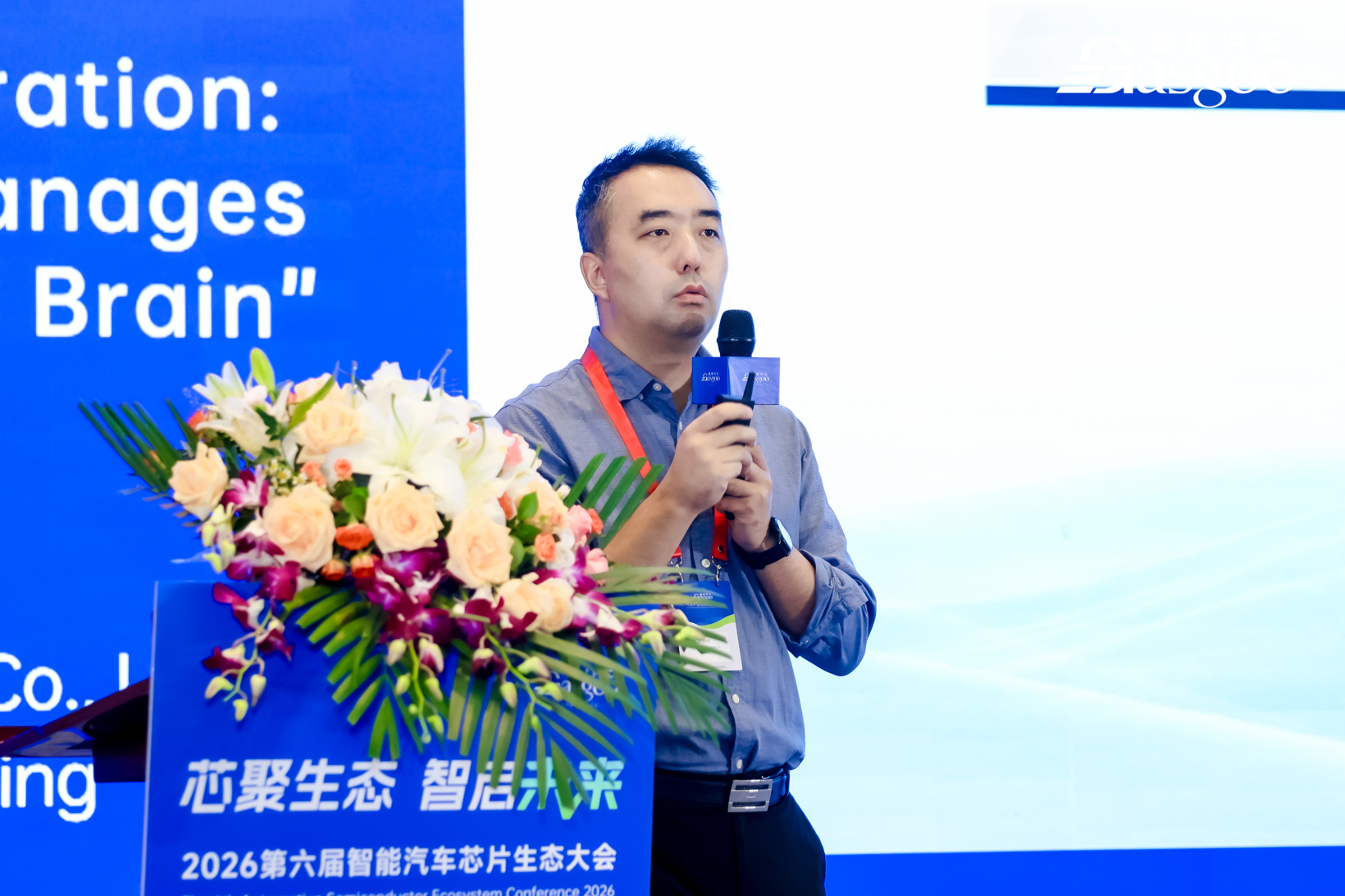
Gasgoo Group CEO Zhou Xiaoying attended a reading session at Auto Innovation Park, sharing core concepts from her co-authored book "Going Global." She argues China's automotive export is shifting from product sales to full-chain "ecosystem expansion" covering R&D, manufacturing, supply chain, branding, and services, with 2026 exports projected to exceed 10 million units.
A Collision of Ideas on "Ecosystem Expansion"
On August 13, 2026, Zhou Xiaoying, CEO and Editor-in-Chief of Gasgoo Group, visited the Auto Innovation Park in Shanghai for a reading session themed "Empowering New Frontiers through Knowledge." The discussion centered on her book Going Global: Practices and Strategies for China's Automotive Industry, co-authored with Zhang Hui, Vice President of NIO Europe and Chair of the Automotive Working Group at the European Union Chamber of Commerce in China.
The book's central thesis is "ecosystem expansion" — China's automotive globalization should not stop at "selling cars overseas" but should achieve full-chain localization spanning R&D, manufacturing, supply chain, branding, and services through the synergy of product strength, brand power, and distribution networks. This framework balances strategic vision with practical depth, offering systematic thinking for China's transition from scale expansion to value creation.
The Evolutionary Stages of China's Auto Going Global
Drawing on years of automotive research and international dialogue experience, Zhou outlined the phased evolution of China's automotive globalization:
Stage One: Trade Export (2022-2024)
- China surpassed Japan as the world's largest vehicle exporter
- Annual auto exports exceeded 5.8 million units in 2024, topping global rankings
- Primarily product-focused export with relatively simple models
Stage Two: Capacity Export (2024-2026)
- Chinese OEMs accelerated overseas capacity deployment, adding over 1 million units annually
- Supporting supply chains, service systems, and tech partners gradually clustered around overseas plants
- Going global shifted from solo efforts to ecosystem co-construction
Stage Three: Ecosystem Export (2026-)
- No longer just exporting vehicles but driving entire industry ecosystems overseas
- China's power battery global market share exceeds 70%
- 2026 auto exports projected to break 10 million units, overseas capacity to exceed 5.5 million units
| Stage | Period | Core Characteristics | Representative Model |
|---|---|---|---|
| Trade Export | 2022-2024 | Product-focused | Complete vehicle export |
| Capacity Export | 2024-2026 | Localized manufacturing | CKD/SKD overseas plants |
| Ecosystem Export | 2026- | Full-chain synergy | R&D+Manufacturing+Supply chain+Brand+Service |
Regional Market Insights: Differentiated Strategies
Zhou provided detailed analysis of different overseas markets, offering practical reference for Chinese OEMs' path selection:
European Market:
- Preference for compact cars and hybrid models
- Reliance on mature offline dealer networks
- World's strictest regulations and quality standards, a testing ground for global competitiveness
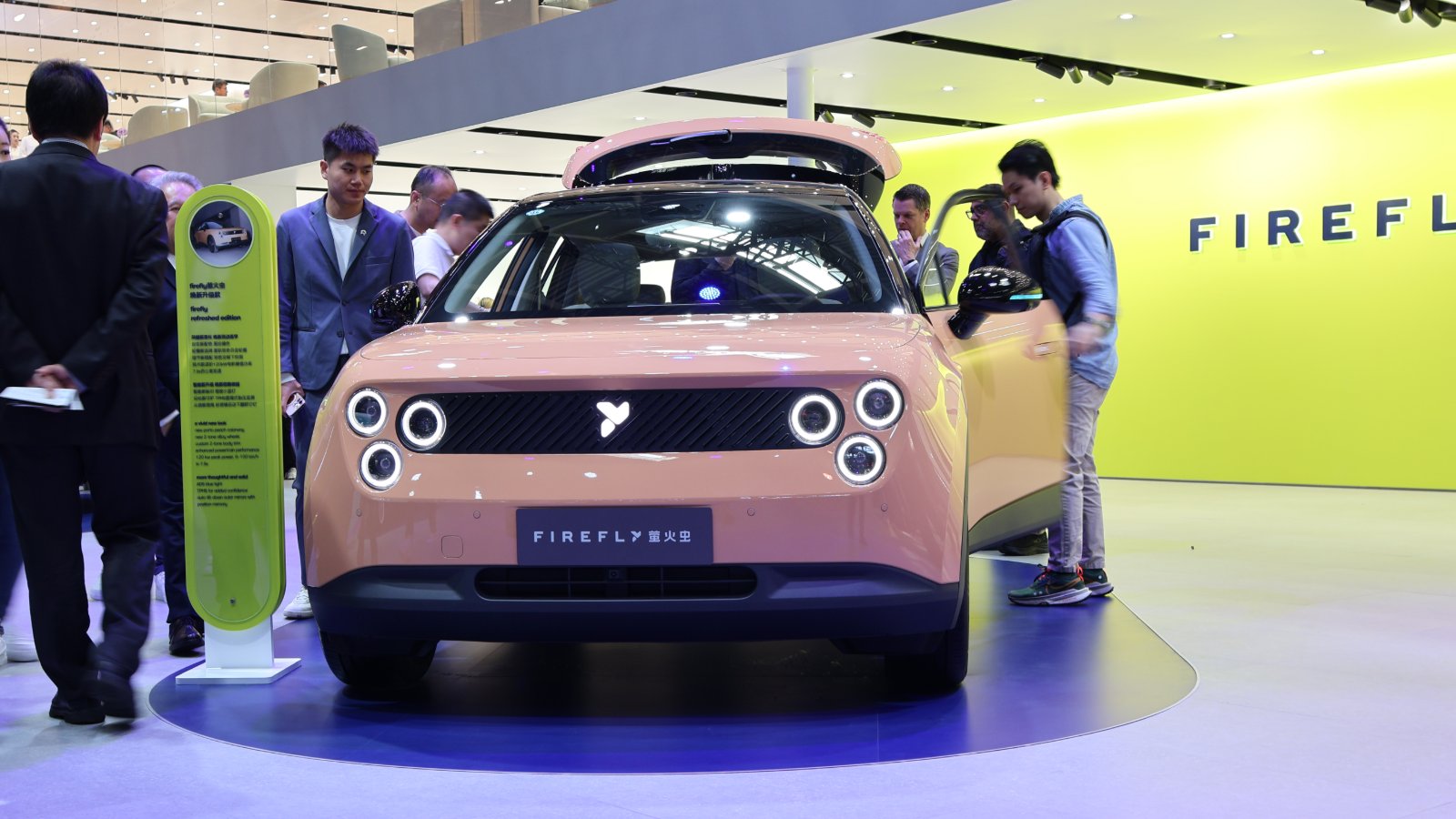
- BYD choosing heavy-asset factory investment, NIO focusing on premium brand operations, Leapmotor leveraging established dealer networks
Southeast Asian Market:
- Intense competition with Chinese brands displacing Japanese share
- Strong demand for MPVs and pickups
- Fierce investment attraction competition among countries
Latin American Market:
- Friendly China relations
- Focus on value-for-money and road condition adaptability
- Steady growth trajectory
Middle East Market:
- Fastest growth rate globally
- Mid-to-large SUVs in hot demand
- Leading export growth momentum
CIS Countries:
- Chinese brands account for over half the market
- Still face challenges in product adaptation, policy changes, and after-sales service
Driving Forces and Challenges
Zhou identified four key drivers for China's auto going global:
- Electrification transformation: China's NEV penetration has exceeded 51.6%, with technology iteration leading globally
- Localization demand: Target markets require local production, tax optimization, and supply chain resilience
- Belt and Road policy dividends: Infrastructure improvements and trade facilitation in partner countries
- Cooperation model shifts and domestic competitive pressure: The "reverse joint venture 2.0" era, with Chinese solutions exported globally
Meanwhile, going global faces serious challenges:
- Product management: Vast differences in regulations, standards, and user preferences across markets
- Supply chain coordination: Building reliable local supporting ecosystems overseas
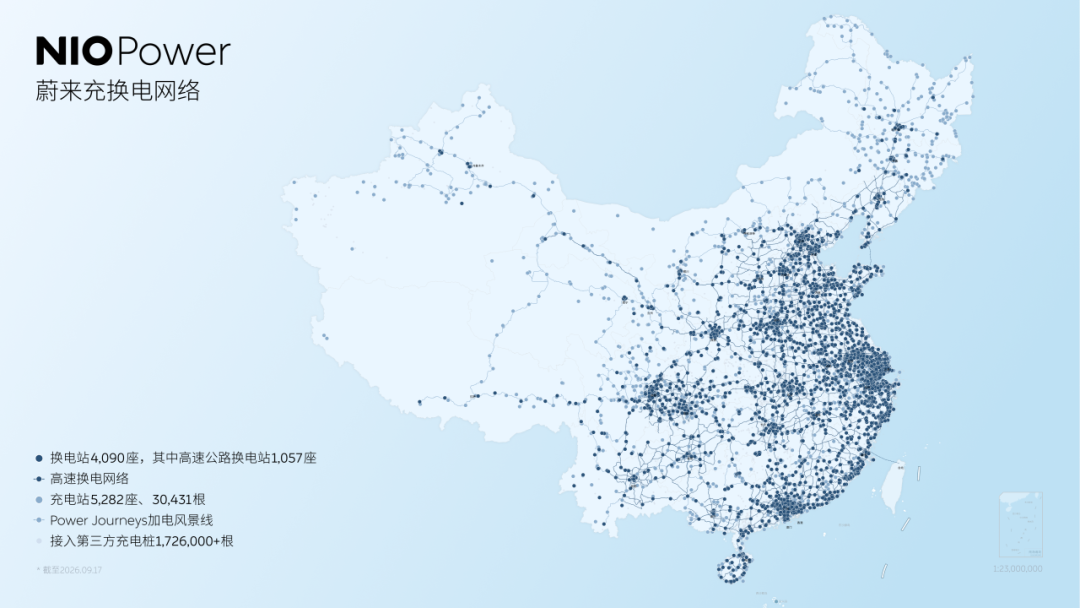
- Service ecosystem construction: After-sales networks and charging infrastructure deployment
- Trade barriers and cultural differences: Geopolitics, tariff walls, brand awareness gaps
From "Speed" to "System Competitiveness"
At the Stuttgart Automotive Technology International Symposium in July 2026, Zhou further noted that China's auto industry is transitioning from market scale advantage to system-level innovation. China possesses the world's most complete industrial chain supporting system, massive tiered consumer demand, and efficient industrial cluster collaboration — combined with long-term industrial planning and engineer talent dividends, laying a solid foundation for rapid iteration of intelligent electric vehicles.
China's new energy vehicles average a development cycle of just 20 months, far faster than the 40 months for traditional fuel vehicles, thanks to flat organizational structures, supplier pre-positioning collaboration, and continuous OTA iteration mechanisms. Today, Chinese OEMs are no longer just exporting vehicles but driving entire industry ecosystems overseas — from BYD's heavy-asset European factory construction, to Leapmotor's technology cooperation with Stellantis, to XPeng's strategic alliance with Volkswagen. China's automotive globalization narrative is being rewritten.
As Zhou aptly stated, we are now in the "reverse joint venture 2.0" era — an era of Chinese solutions being exported to the world. Going global is no longer a leisurely journey but an uncertain adventure full of unknowns and challenges. Only enterprises that insist on high-quality development and build long-term value propositions can truly "go deep" rather than merely "go out." For more automotive industry globalization insights, visit EX1000.COM.