Since 2026, China's NEV market has seen the three major technical routes diverge sharply. After nearly doubling in 2024, the range-extender market decelerated in 2025 and stalled significantly in the first half of 2026. Industry forecasts suggest its growth ceiling will arrive between 2028 and 2029, while the pure electric route is widely regarded as the long-term mainstream direction.
The Roller-Coaster Trajectory of Range-Extenders
Range-extended electric vehicles have experienced dramatic ups and downs over the past few years. In 2024, this segment nearly doubled in growth, becoming one of the most dazzling dark horses in the NEV race. However, entering 2025, growth momentum took a sharp turn downward, and by the first half of 2026, the range-extender market had clearly stalled.
According to data observed by the Gasgoo Automotive Research Institute, not only did range-extender models experience year-on-year sales declines, but aging models also hit growth bottlenecks, while new entrants could no longer replicate the previous myth of "instant hit upon launch." Meng Shuo, a strategic planning executive at an automotive supply chain firm, put it bluntly: "The range-extended sector will hit its growth ceiling between 2028 and 2029."
Changing User Habits: The Final Straw for Range-Extenders
The core selling point of range-extender models is "both oil and electricity," eliminating range anxiety. But long-term user behavior data shows that both range-extender and plug-in hybrid owners primarily rely on pure electric mode for daily commuting, with the internal combustion engine playing more of a "backup role."
This finding carries profound implications:
- There is a significant gap between users' original intention for purchasing range-extender models (eliminating range anxiety) and their actual usage patterns (hardly ever burning fuel)
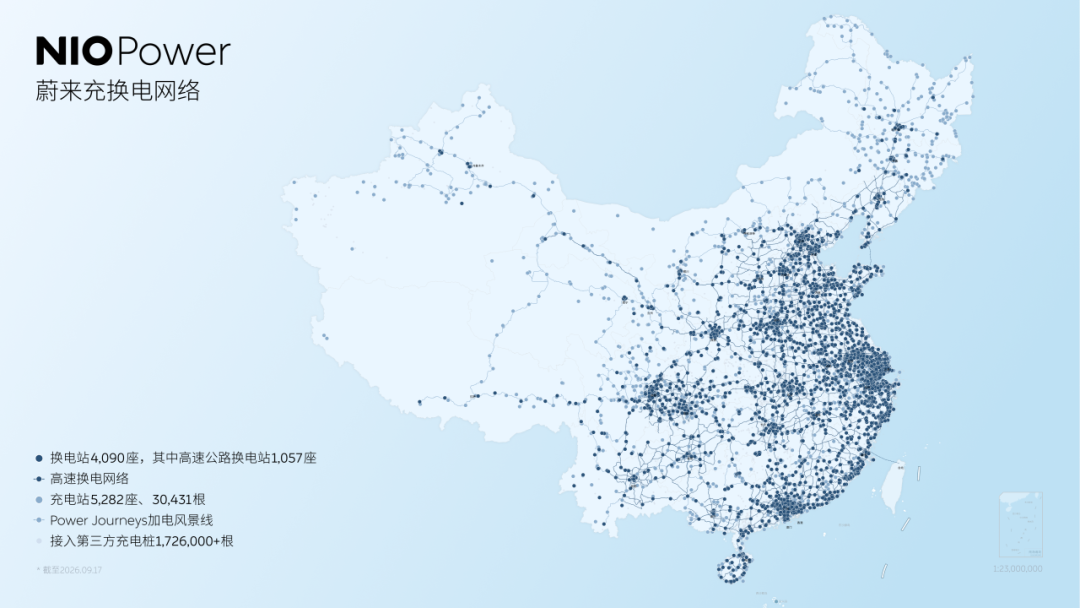
- As public charging networks continue to improve and battery technology advances, pure electric range anxiety is rapidly fading
- The disadvantages of range-extender models compared to pure electric models in terms of structural complexity, maintenance costs, and vehicle weight are amplified in actual user experience
| Technical Route | 2024 Growth | 2025 Trend | H1 2026 Performance | Long-Term Outlook |
|---|---|---|---|---|
| Battery Electric (BEV) | Steady growth | Accelerating penetration | Continued expansion | Long-term mainstream |
| Plug-in Hybrid (PHEV) | Faster growth | Steady rise | Maintaining growth | Mid-term transition |
| Range-Extender (EREV) | Near doubling | Significant deceleration | Growth stall | Ceiling approaching |
Industry Consensus: BEV Is the Endgame
At a recent industry salon hosted by the Gasgoo Automotive Research Institute, participants engaged in intense debate over the growth cycles, market shares, and long-term prospects of the three major technical routes. Despite disagreements on specific inflection points, market potential, and global value judgments, one point achieved consensus: battery electric vehicles (BEV) represent the long-term mainstream direction.
This does not mean range-extenders will immediately exit the historical stage. In the short to medium term, range-extenders will continue serving specific user groups and regional markets, particularly those where charging infrastructure remains underdeveloped. But from the perspective of technological evolution, improvements in battery energy density, faster charging speeds, and the promotion of battery swap models are all accelerating the obsolescence of the range-extender's raison d'être.
Implications for Central Asian and Emerging Market Buyers
For Central Asian and Russian buyers following China's automotive exports, the route debate between range-extenders and pure electric carries direct purchasing reference value:
- If local charging facilities have begun to take shape, pure electric models offer advantages in long-term operating costs, maintenance convenience, and driving experience
- If the charging network is still in early stages, range-extenders can serve as a transitional solution, but attention must be paid to their long-term resale value risks
- Watch export policy direction: Chinese automakers are accelerating pure electrification transformation, and the overseas export priority of range-extender models may gradually decline
The rise and fall of technical routes is a normal part of market competition. The shift of range-extenders from darling to questioned precisely demonstrates that China's NEV market is maturing and becoming more rational. Regardless of which route ultimately prevails, consumers will be the biggest beneficiaries. More technical route analysis can be explored through EX1000.COM.