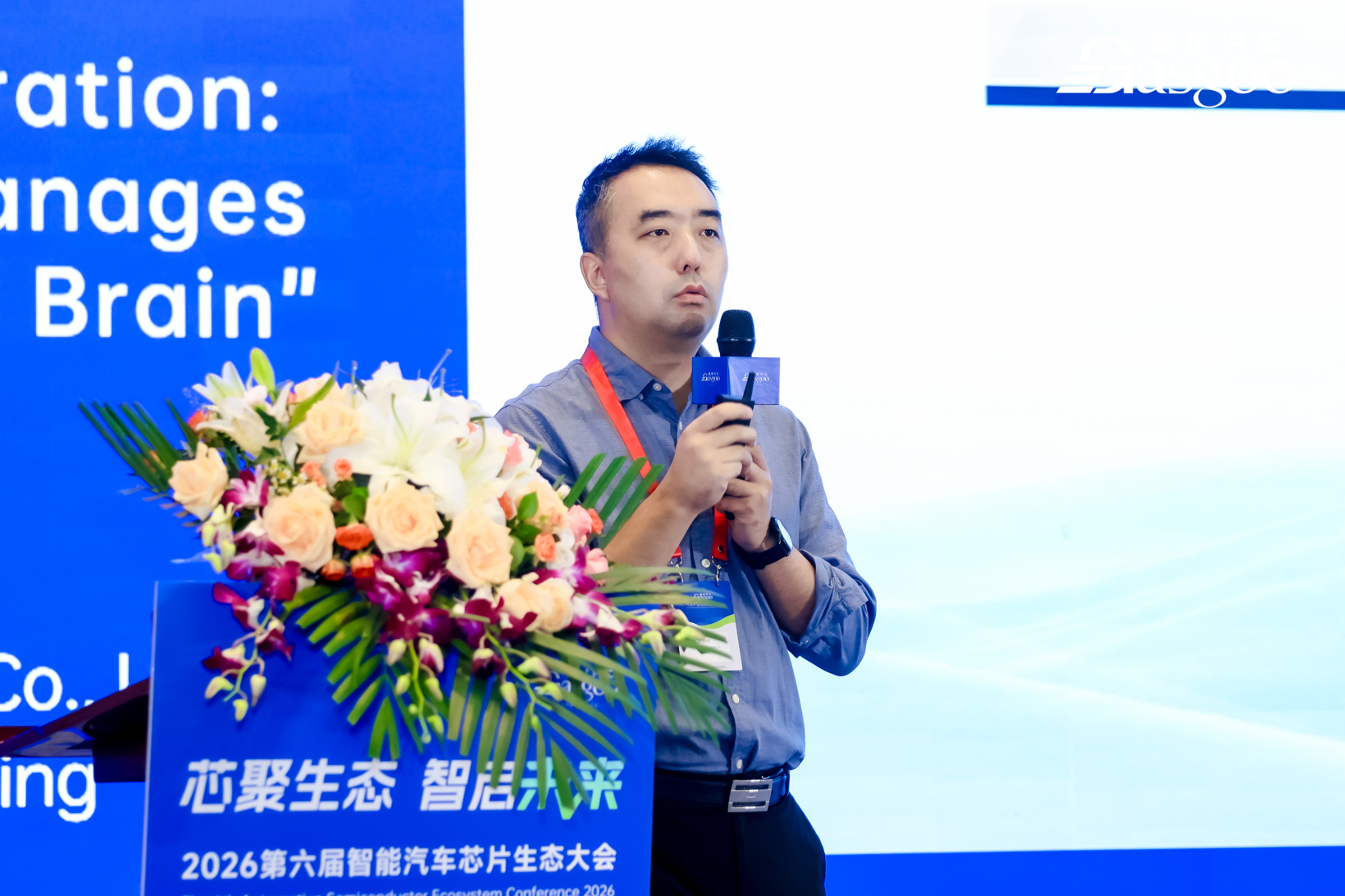
EPICLAND General Manager Zeng Qinglin recently outlined the company's Huawei partnership strategy, proposing three pillar principles for deep software-hardware integration: recognizing Huawei's technical accumulation in intelligent driving, insisting that software capabilities must be synchronized with hardware chassis, while maintaining independent R&D and manufacturing capabilities. He explicitly rejected viewing the Huawei partnership as a "backup plan."
The Third Path in the Huawei Partnership Debate
In the debate over automakers partnering with Huawei, industry opinions are increasingly polarized. One camp advocates deep binding with Huawei to rapidly break through using its leading capabilities in intelligent driving. The other side worries that excessive reliance on external suppliers will cause loss of brand independence. EPICLAND General Manager Zeng Qinglin's answer is: deep software-hardware integration, while rejecting the "spare tire" mentality.
Zeng explicitly stated that while carving out a unique brand identity is every automaker's mission, delivering the optimal user experience is the bottom line — and achieving that requires integrating the best available resources. This statement shifts EPICLAND's partnership logic from "whether to use Huawei" to "how to best leverage Huawei."
Three Pillars: Zeng Qinglin's Partnership Philosophy
Zeng's cooperation framework consists of three core pillars:
Recognizing Huawei's Technical Depth
Zeng fully acknowledged Huawei's technical reserves in the intelligent driving field. The key achievements he cited include:
- 896-line lidar: At the industry frontier in perception accuracy and detection range
- ADS 5.0 system: Represents the latest iteration of Huawei's intelligent driving system
- 13 billion kilometers of autonomous driving data: Massive data accumulation supporting continuous algorithm evolution
He emphasized that Huawei's R&D intensity, quality control, and safety standards all sit at the industry's forefront — capabilities that ordinary suppliers simply cannot replicate.
Software Needs Hardware to Carry It
Zeng's second pillar strikes at an industry pain point: powerful intelligent driving software requires a solid hardware foundation for support. He compares the intelligent driving system to the brain, and the chassis and safety systems to the skeleton and muscles. Only when software and hardware operate in coordination can the vehicle avoid the disconnect of a "fast mind with slow reactions," ultimately delivering a product with superior overall performance.
This viewpoint carries direct reference value for overseas buyers:
- When selecting vehicles equipped with Huawei intelligent driving systems, attention must also be paid to chassis and suspension hardware specifications
- The quality of the intelligent driving experience depends not only on software algorithms but also on the overall standard of vehicle engineering
- Brand self-developed capabilities and external technology integration capabilities are equally important
Maintaining Independent R&D and Manufacturing Capabilities
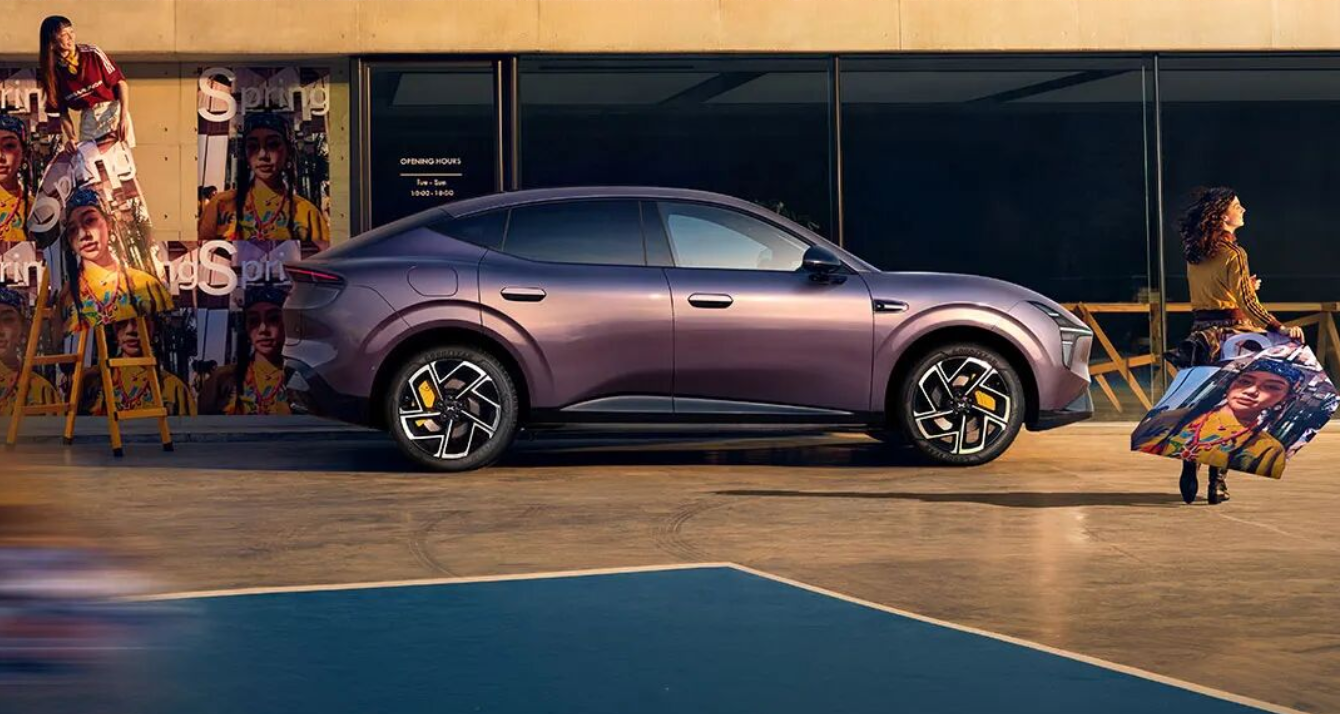
The third pillar is Zeng's ultimate response to "independence." He stressed that while leveraging external strengths, a brand must maintain its own R&D and manufacturing capabilities. Taking the Yijing X9 as an example, while adopting Huawei's intelligent driving solution, EPICLAND has retained core capabilities in chassis tuning, body structure, and manufacturing processes.
Rejecting the "Backup Plan" Mentality: An Industry Signal
Zeng specifically emphasized the importance of "rejecting the backup plan mentality." This statement conveys two levels of signals:
| Dimension | Meaning | Industry Impact |
|---|---|---|
| Strategic level | Huawei partnership is a core strategy, not a temporary solution | Cooperation depth will continue to increase |
| Execution level | Resource allocation and team setup tilt toward deep integration | Avoiding efficiency losses from "hedging bets" |
Against the backdrop of increasingly fierce competition in intelligent driving, the relationship between automakers and suppliers is evolving from a traditional client-vendor dynamic to a deeply collaborative partnership. Zeng's statement indicates that EPICLAND has chosen a more thorough integration path rather than shallow technology procurement.
Implications for Overseas Markets
EPICLAND's cooperation model with Huawei provides a new observational perspective for Central Asian and Russian buyers following China's automotive exports:
- Expanded dimensions for evaluating intelligent driving capabilities: Beyond software version numbers, hardware matching degree and vehicle tuning level must also be considered
- Brand technology independence remains a key metric: Even when adopting Huawei's solution, a brand's self-developed capabilities in chassis, body, and other core areas determine the product's differentiation space
- China's intelligent driving supply chain is stratifying: Huawei ecosystem, self-developed ecosystem, and third-party ecosystem are forming different camps, and partner choice directly affects product positioning
As intelligent driving becomes the core battlefield of NEV competition, the cooperation models between automakers and suppliers will continue to evolve. EPICLAND's "deep integration, reject backup plan" approach may become an important reference sample for the industry. More smart car partnership developments can be followed through EX1000.COM.