Xiaomi Auto unveiled the SkyNomad N90 Max, a RMB 299,900 large seven-seat REEV built on the Kunlun Technology Architecture. This article breaks down its core supplier ecosystem across powertrain, intelligent driving, and chassis systems.
Powertrain: Co-Development Over Off-the-Shelf Procurement
The N90 Max's range extender is based on Dongan Power's M15DRE 1.5L turbocharged four-cylinder engine, delivering a maximum net output of 112 kW. This is a co-developed program rather than simple procurement — Xiaomi defined the development direction for seven key components and re-optimized 57 individual parts.
This collaborative model is increasingly common among China's emerging automakers:
- OEMs retain control over system integration and software optimization
- Suppliers contribute proven hardware platforms and mass-production expertise
- Both parties focus on their respective strengths to minimize risk
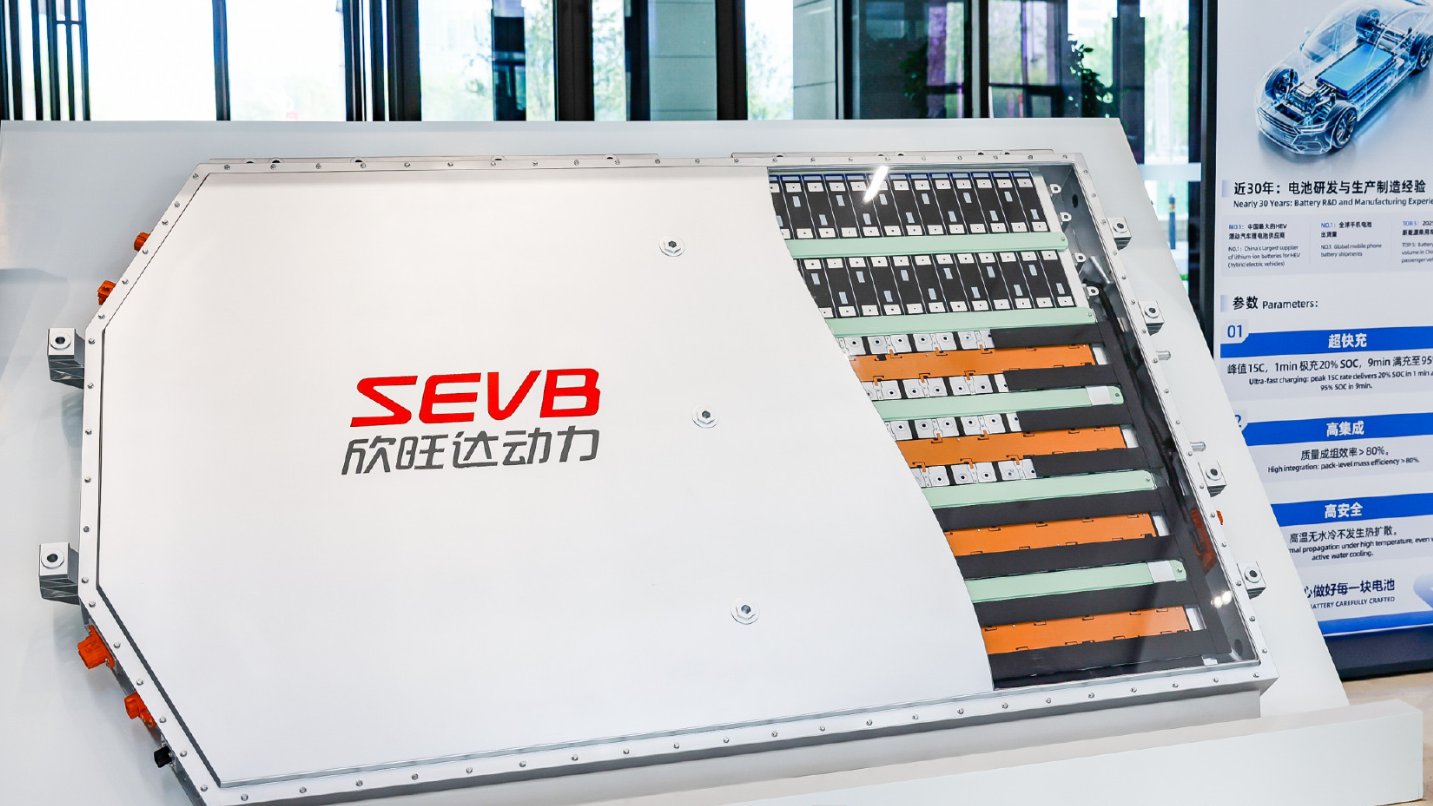
The battery system is equally notable. The N90 Max carries a 76 kWh ternary lithium pack from CALB — unusually large by REEV standards. While most extended-range vehicles rely on 40-50 kWh packs, Xiaomi delivers a CLTC pure-electric range of 464 km, comparable to many entry-level BEVs.
| System | Supplier | Key Specs |
|---|---|---|
| Range Extender | Dongan Power | 1.5L turbo, 112kW |
| Battery Pack | CALB | 76kWh ternary lithium |
| Electric Range | — | CLTC 464km |
| Combined Range | — | Over 1300km |
Intelligent Driving: Flagship Hardware at a Mid-Range Price
The N90 Max takes a "more hardware without a higher price" approach. It comes standard with the NVIDIA DRIVE AGX Thor computing platform, built on a 4nm process and rated at 700 TOPS of AI computing performance — hardware previously reserved for higher-priced premium vehicles.
The perception system features a dual-LiDAR setup:
- Front-facing LiDAR supplied by Hesai Technology
- Rear-facing solid-state LiDAR exclusively from RoboSense
This makes the N90 Max the first Xiaomi production vehicle with a rear solid-state LiDAR. For a large SUV measuring nearly 5.3 meters, rear blind spots are a persistent pain point — the dedicated rear LiDAR is a precisely targeted solution.
Cockpit and Chassis: Proven Suppliers, Standardized Integration
The cockpit runs on the Qualcomm Snapdragon 8 Gen 3 platform, with a six-screen ecosystem including a 16.1-inch central display, 8.88-inch instrument cluster, 21.4-inch rear entertainment screen, and 20-inch AR-HUD. Xiaomi's Xingxian audio system features 25 speakers in a 7.1.4-channel configuration with a peak output of 4,890 W.
The chassis adopts established supplier solutions:
- Suspension: Five-stage adjustable air springs and CDC adaptive dampers from Tuopu Group
- Braking: Bosch ESP 10.0 and DPB intelligent brake booster
- Safety: 12 airbags, 2,200 MPa ultra-high-strength steel, integrated roll cage
Supply Chain Strategy: In-House Core, Outsourced Periphery
A clear strategy emerges from the N90 Max's supplier network:
In-house or deeply involved:
- Kunlun Technology Architecture
- Dragon Armor Battery system
- Intelligent driving algorithm stack
Collaborative outsourcing:
- Range extender: Dongan Power
- Braking: Bosch
- Air suspension: Tuopu Group
- Battery cells: CALB
This reflects the reality of today's automotive industry. No automaker, regardless of scale, can independently build every component. For a technology company like Xiaomi, leveraging leading suppliers' manufacturing expertise remains essential to minimizing mass-production risk. For more supply chain insights, visit EX1000.COM.