In June 2026, Indonesia's light-duty vehicle market sales rose 12.3% year-over-year, with Chinese brands breaking through 25% market share for the first time. Wuling Air EV ranked first in compact MPV sales for six consecutive months, followed by BYD and Chery. Japanese brands' share fell below 70% for the first time, facing strong challenges from Chinese brands.
Market Overview: June Sales Up 12.3%, Chinese Brands Rising
According to data from the Indonesian Automotive Industry Association (Gaikindo), June 2026 light-duty vehicle sales (including passenger cars and light commercial vehicles) reached 89,456 units, up 12.3% YoY and 8.7% MoM. Cumulative H1 sales were 487,234 units, up 9.8% YoY.
Brand Share Changes
| Brand Camp | June Share | YoY Change | Representative Brands |
|---|---|---|---|
| Japanese | 68.5% | -5.2pp | Toyota, Honda, Mitsubishi, Suzuki |
| Chinese | 25.3% | +6.8pp | Wuling, BYD, Chery, GWM |
| Korean | 4.2% | -1.1pp | Hyundai, Kia |
| Others | 2.0% | -0.5pp | VW, GM |
Japanese brands' share fell below 70% for the first time, while Chinese brands' share broke through 25% for the first time, marking a structural shift in Indonesia's automotive market.
Chinese Brand Performance: Three-Strong Pattern Emerging
Wuling: Compact MPV Dominator
Wuling sold 12,845 units in Indonesia in June, up 45.6% YoY, with 14.4% market share, firmly ranking first among Chinese brands.
Key Models:
- Wuling Air EV: 5,234 units in June, ranked first in compact MPV sales for six consecutive months. Priced at 238-278 million IDR (~110K-130K yuan), 300km EV range, targeting family travel and ride-hailing
- Wuling Almaz: ICE SUV, 4,567 units, positioned in the 100K-150K yuan family SUV market
- Wuling Confero: MPV, 3,044 units, specializing in commercial passenger transport
Wuling's success factors:
- Local production: West Java factory with 150K annual capacity, localization rate >60%
- Channel penetration: Covering 300+ cities, dealer network extending to tier-4 cities
- Financial support: Partnerships with local banks for 0-down-payment, low-interest schemes
BYD: NEV Premium Breakthrough
BYD sold 4,892 units in Indonesia in June, up 128.3% YoY, with 5.5% market share.
Key Models:
- BYD Dolphin: 2,134 units, Indonesia's best-selling pure EV sedan. Priced at 350 million IDR (~160K yuan), 420km range
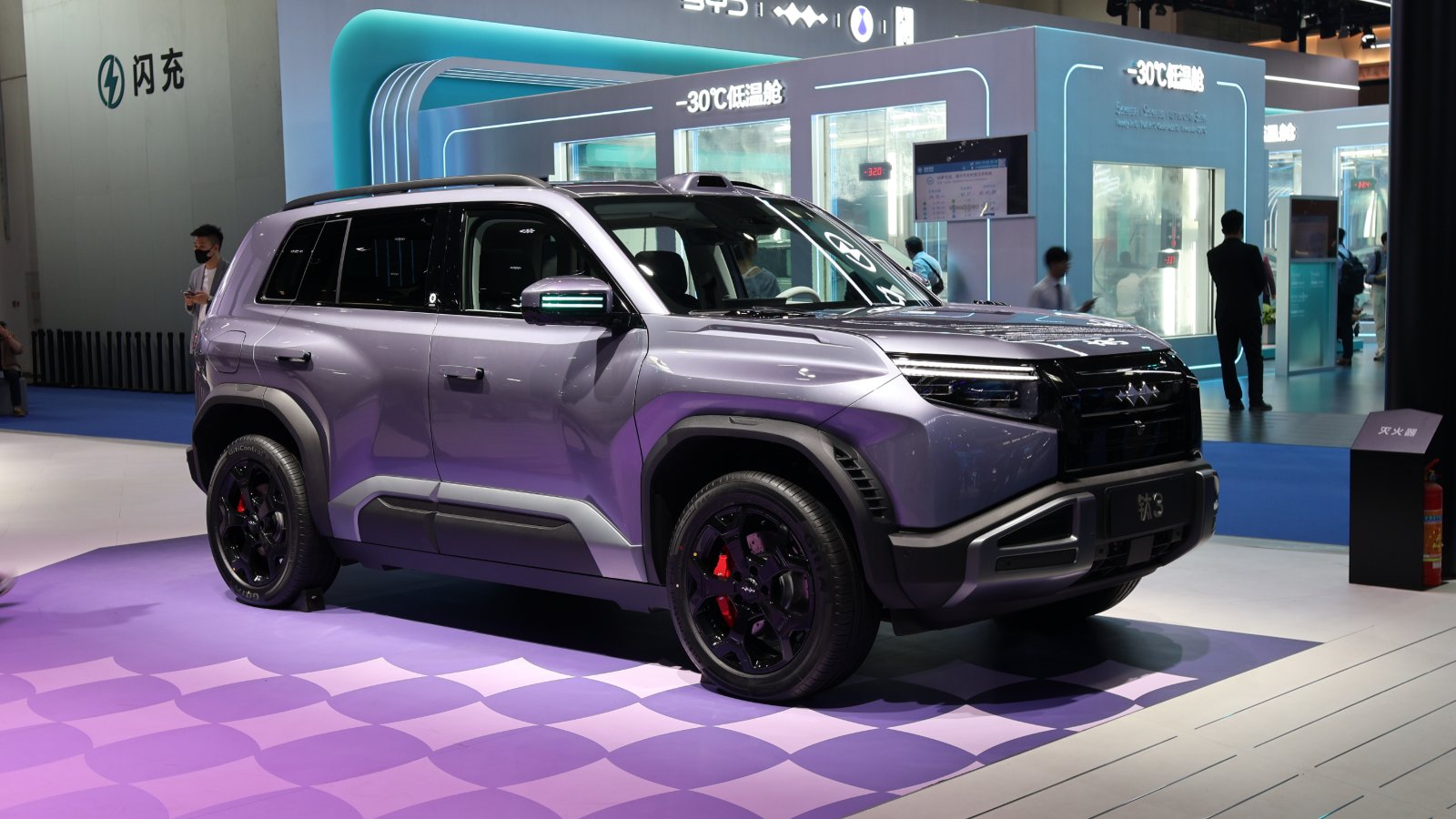
- BYD Atto 3: EV SUV, 1,876 units, priced at 420 million IDR (~190K yuan)
- BYD Seal: EV sedan, 882 units, positioned in the premium market
BYD's Indonesia strategy:
- Charging network: Partnering with PLN, planning 500 fast-charging stations by 2027
- Government relations: Active participation in Indonesia's electrification policy, obtaining tax breaks
- Brand positioning: "Technology + Sustainability" to attract middle-to-high income groups
Chery: Value-for-Money Route
Chery sold 3,456 units in Indonesia in June, up 67.2% YoY, with 3.9% market share.
Key Models:
- Chery Tiggo 7 Pro: SUV, 1,987 units, priced at 280 million IDR (~130K yuan)
- Chery Omoda 5: Youth-oriented SUV, 987 units, targeting Gen Z consumers
- Chery Arrizo: Sedan, 482 units, entry-level positioning
Chery's advantage lies in its rich product line and highly competitive pricing, but brand recognition remains weaker than Wuling and BYD.
Japanese Brands Respond: Price Cuts + Localization
Facing strong attacks from Chinese brands, Japanese brands adopted defensive strategies:
| Japanese Brand | June Sales | YoY | Response Measures |
|---|---|---|---|
| Toyota | 28,456 | -3.2% | Launched entry-level Avanza facelift, 5% price cut |
| Honda | 15,234 | -8.7% | Accelerated hybrid introduction, BR-V hybrid launched |
| Mitsubishi | 8,567 | -12.4% | Product strategy adjustment post-Nissan merger |
| Suzuki | 10,234 | -5.6% | Ertiga promotional pricing, CNG version launched |
Core challenges for Japanese brands:
- Product aging: Key models unchanged for years, intelligent features 2-3 years behind Chinese brands
- Pricing rigidity: Dependent on imported KD kits, higher costs than locally-produced Chinese brands
- Electrification lag: Except Honda, Toyota, Mitsubishi, and Suzuki have no pure EV models on sale in Indonesia
Market Drivers: Policy + Consumption + Infrastructure
Policy Benefits
The Indonesian government intensified NEV support policies in 2026:
- Purchase tax reduction: 50% for pure EV, 25% for hybrids
- Import tariffs: Pure EV CKD import tariff reduced from 40% to 10%
- Localization requirements: From 2027, companies enjoying preferential policies must establish factories in Indonesia
Consumption Upgrade
Indonesia's middle class (annual income $5,000-$25,000) numbers 75 million, with automotive demand shifting from "any car will do" to "wanting a good car." Chinese brands' intelligent features (large screens, voice, connectivity) perfectly match this trend.
Infrastructure
- Charging network: As of June 2026, approximately 8,000 public charging points nationwide, up 80% from end-2025
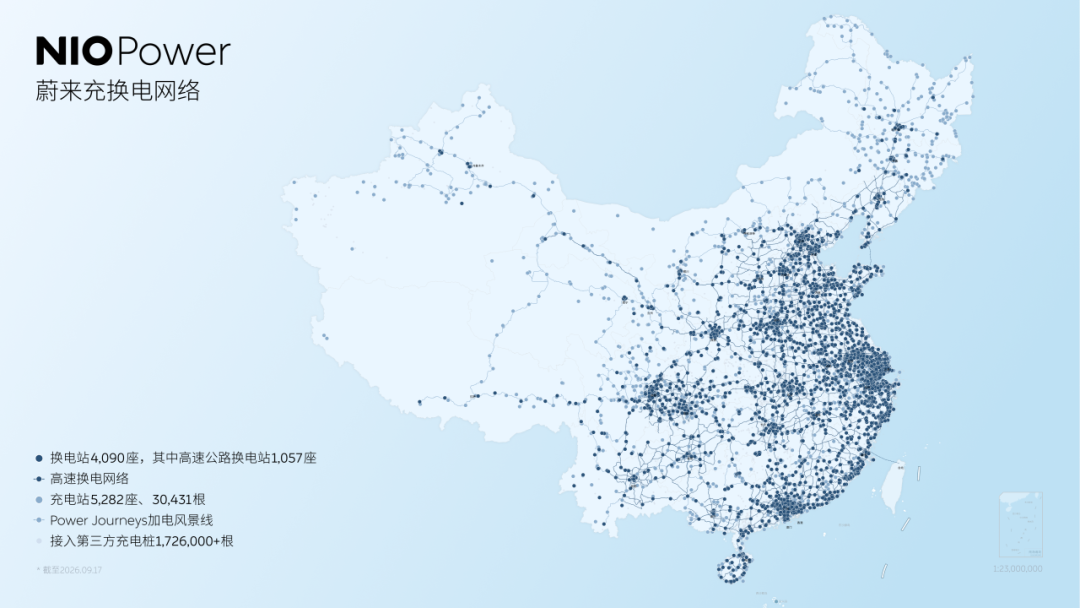
- Battery swap stations: NIO built 5 swap stations in Jakarta and Surabaya, planning expansion to 20 by 2027
Outlook: Five Trends for Indonesia's 2027 Auto Market
- Chinese brand share targeting 30%: Wuling, BYD, and Chery combined could reach 30%
- Pure EV penetration breaking 10%: Policy push + charging infrastructure will rapidly increase pure EV share
- Localization competition intensifies: Non-compliant companies will be excluded from preferential policies
- Japanese counterattack: Toyota plans to launch pure EV model bZ3X in Indonesia by 2027
- Price war escalation: Direct confrontation between Chinese and Japanese brands will drive overall prices down
As Southeast Asia's largest auto market (1M+ annual sales), Indonesia is becoming a must-win destination for Chinese automakers' overseas expansion. Whoever can build brand recognition, improve service systems, and achieve deep localization in this competition will gain the first-mover advantage in the ASEAN market.
More detailed market data and brand distribution analysis is available at EX1000.COM.