In 2026, China's new energy vehicle industry stands before a new transformation window. This is not simple volume growth but systemic restructuring. From diversified powertrain competition to the commercialization tipping point of intelligent driving, from reverse exports by joint ventures to global output of Chinese standards, the industry is undergoing a deep shift from "scale expansion" to "value reshaping."
A Panoramic View of Five Transformation Signals
In 2026, China's automotive industry is experiencing a transformation unlike any before. This is not another round of sales increases, not another breakthrough in driving range, but a deep restructuring of industrial logic. If we measure today's market with yesterday's ruler, we will get a distorted result.
Signal 1: Rebalancing of the Powertrain Landscape
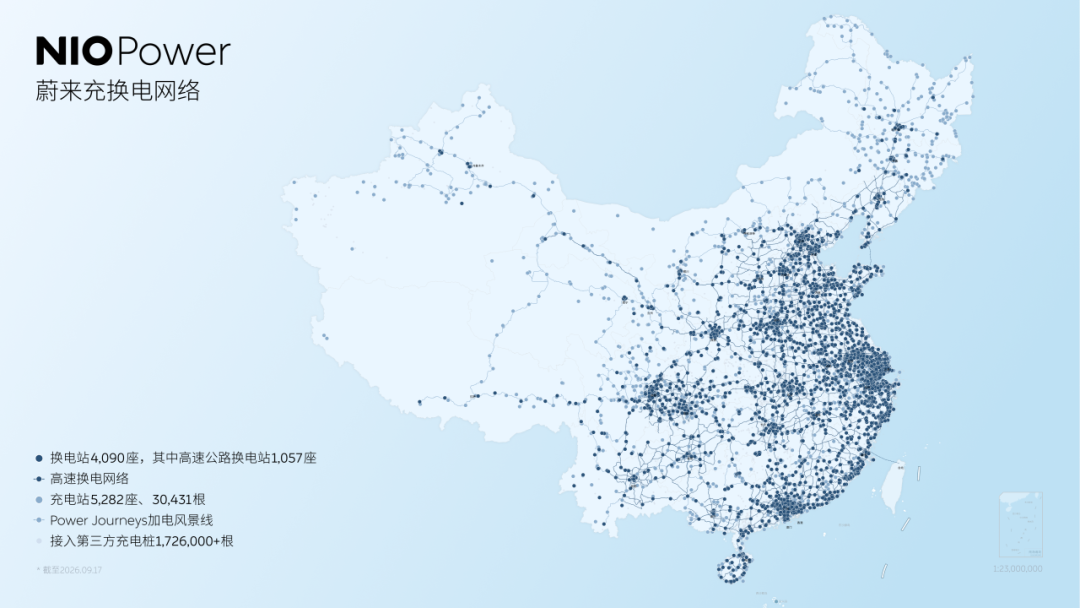
The first signal of transformation comes from the rebalancing of the powertrain landscape. Over the past three years, range-extended and plug-in hybrid vehicles rapidly expanded in the Chinese market with a "same price as fuel" strategy, described as the phase where "range-extenders eat well and pure electrics get leftovers." But entering the second half of 2026, the scales are subtly tilting. NIO's Qin Lihong recently predicted that "the powertrain landscape is reaching an inflection point," and this is not just one company's view. As charging infrastructure improves, ultra-fast charging technology spreads, and solid-state batteries approach commercialization, pure electric vehicles' competitiveness is recovering. The diversified powertrain competition is essentially a dynamic optimization among cost, experience, and infrastructure dimensions. There are no permanent winners, only survivors who move with the trends.
Signal 2: The Commercialization Tipping Point of Intelligent Driving
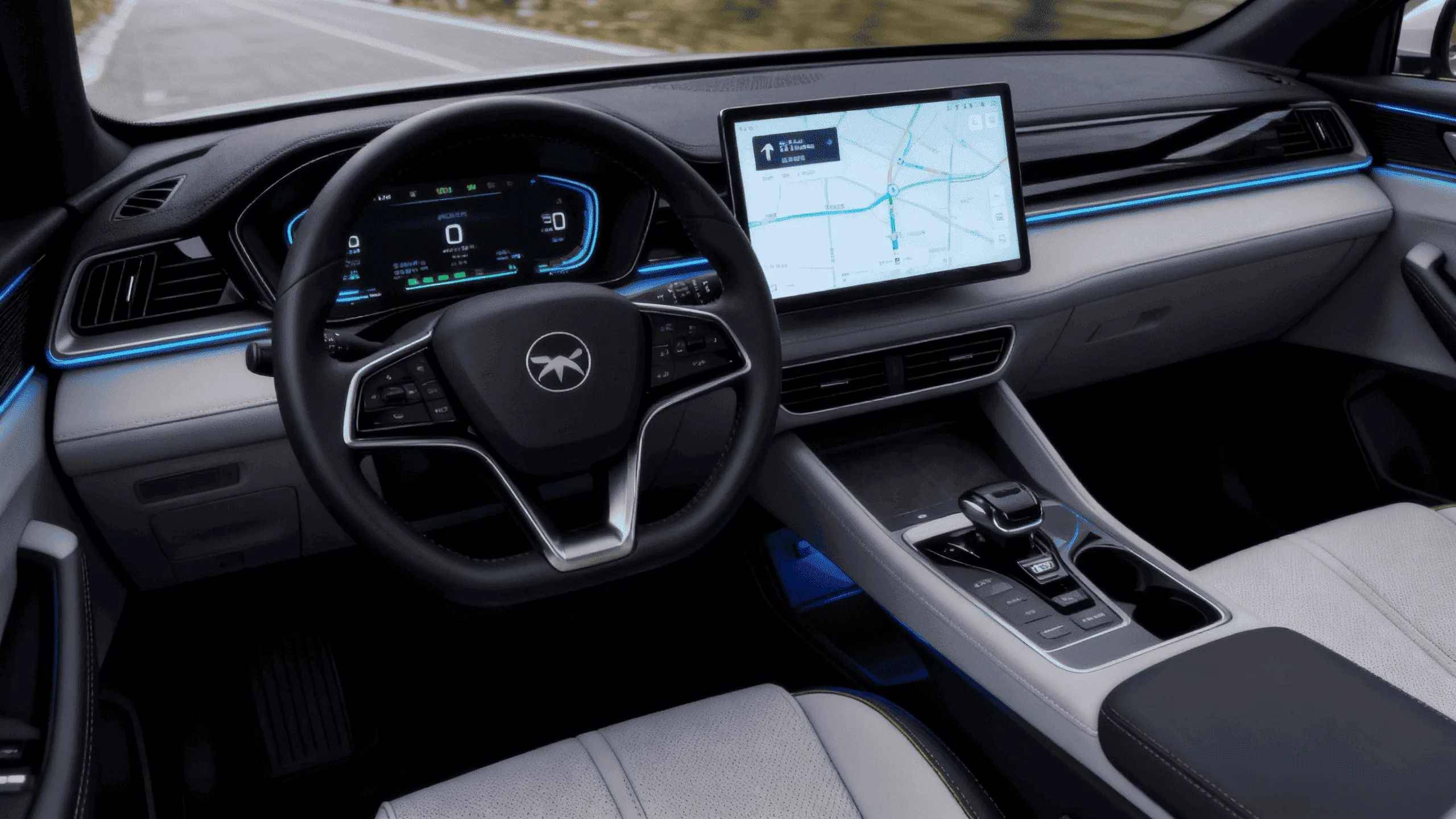
The second signal comes from the commercialization tipping point of intelligent driving. Since 2026, the penetration rate of new vehicles equipped with combined driving assistance functions in China has reached 70%, with NOA-equipped models exceeding 30%. The significance of these numbers lies not in the technology itself but in what they signify: intelligent driving is moving from "early adopter" to "mass standard." When a technology's penetration exceeds 30%, it moves from the fringe to the mainstream, from marketing gimmick to competitive necessity. More critically, the market access permits for L3 autonomous driving models and the mandatory national standards for L2 assistance are setting new rules of the game. Competition in the second half of intelligent driving will no longer be a contest of computing parameters but a comprehensive competition of user experience, business models, and operational efficiency.
Signal 3: Paradigm Shift of Joint Ventures
The third signal comes from the paradigm shift of joint ventures. In 2026, SAIC-GM's 20-year partnership renewal and SAIC Volkswagen's major executive reshuffle both point in the same direction: joint ventures are moving from "bringing in" to "going out." SAIC-GM has explicitly proposed shifting from "localization of global products" to "globalization of Chinese innovation." The Buick Electra E7 is scheduled for export to the Middle East, Africa, South America, and Asia-Pacific markets in October 2026, marking the first time China's automotive industry enters the core of the global supply chain as a product definer and technology exporter. The deep significance of this shift is that China is evolving from the world's largest single automotive market to a core capability center of the global automotive industry.
Signal 4: Value Redistribution of the Industrial Chain
The fourth signal comes from the value redistribution of the industrial chain. The abolition of the power battery cascade utilization white list, intelligent driving's shift from hardware competition to software definition, and the approaching breakthrough of solid-state battery technology—all point to one trend: the profit center of the industrial chain is migrating from manufacturing to technology. Future competition will no longer be about who can manufacture more batteries or more cars, but who can master core algorithms, key materials, and standard-setting authority.
Signal 5: Rational Return of the Consumer Market
The fifth signal comes from the rational return of the consumer market. When "Car Buyers Don't Want More Tech" becomes a global topic, it reveals a long-ignored truth: the value of technology lies not in complexity but in usefulness. The Chinese automotive market is awakening from the prisoner's dilemma of "parameter involution," and consumers are voting with their wallets for products that truly solve pain points rather than create gimmicks. This trend will force companies to re-examine their product definition logic, shifting from engineer thinking to user thinking.
Key Data and Industry Insights
| Transformation Dimension | Core Trend | Key Data/Event |
|---|---|---|
| Powertrain Landscape | Pure EV competitiveness recovering | Charging infrastructure improving, solid-state batteries nearing commercialization |
| Intelligent Driving | From early adopter to mass standard | Combined driving assistance penetration 70%, NOA penetration 30% |
| Joint Ventures | From bringing in to going out | SAIC-GM 20-year renewal, Buick E7 export planned for October 2026 |
| Industrial Chain | Profit migrating to technology | Cascade utilization white list abolished, software-defined vehicles accelerating |
| Consumer Market | From parameter race to rational return | "Car Buyers Don't Want More Tech" becomes global topic |
Core Insights for Companies
- Powertrain Strategy: Diversification is the norm; dynamic adjustment based on cost, experience, and infrastructure is essential
- Intelligent Driving: After penetration exceeds 30%, competition shifts from parameter contests to user experience and operational efficiency
- Globalization: China is upgrading from product adapter to technology exporter and standard setter
- Product Definition: Shift from engineer thinking to user thinking; solve real pain points rather than create gimmicks
Survival Rules and Action Recommendations
- Stay Technically Alert: Commercialization milestones for solid-state batteries, ultra-fast charging, and L3 autonomy will reshape the landscape
- Build Ecosystem Capabilities: Single-product competitiveness is insufficient; comprehensive moats across technology, supply chain, service, and brand are needed
- Embrace Globalization Opportunities: Global export of Chinese innovation is the core growth driver for the next decade
- Technology Must Return to User Value: Technical complexity does not equal user value; simplicity, reliability, and usefulness are the ultimate standards
These five signals intertwine to form a panoramic view of the next transformation window for China's NEV industry. It is not the victory of a single technology route, not the dominance of one company, but the evolution of an ecosystem. In this ecosystem, technology, capital, policy, and users interact and shape each other, collectively driving the industry toward higher quality and greater sustainability.
For every participant in this ecosystem, this transformation window is both an opportunity and a challenge. The opportunity lies in the fact that system restructuring means the landscape is unsettled, and new players still have room to break through. The challenge lies in the fact that competition dimensions have expanded from single product capability to technology, ecosystem, globalization, and more, placing higher demands on comprehensive corporate capabilities.
History does not repeat, but it rhymes. Fifteen years ago, China's NEV industry stumbled forward under policy push. Today, it is defining its next chapter through globalization and marketization. This transformation window will not remain open forever. Those who seize the opportunity will determine the industry map for the next decade.
More detailed industry data and market insights are available at EX1000.COM.