Starting July 27, 2026, China's Ministry of Industry and Information Technology (MIIT) banned newly certified passenger vehicles from installing external blue indicator lights (commonly known as "little blue lights") used to signal driver-assistance system activation. The reason is that these blue exterior lights violate color restrictions in the mandatory national standard GB 4785-2019, which limits civilian vehicle exterior lighting to white, red, and amber. Li Auto first introduced the blue light design on its L9 in August 2022, followed by XPeng, Nio, BYD, Xiaomi, and Geely. The ban poses challenges for upstream LED manufacturers and post-sales handling of existing vehicles, with automakers potentially using OTA updates to adjust light colors or disable the feature.
Policy Background: A Regulatory Tightening Long in the Making
On July 27, 2026, a notice from China's MIIT sent shockwaves through the auto industry: effective immediately, newly certified passenger vehicles are prohibited from featuring external blue indicator lights used to signal intelligent driving system status. The news spread rapidly across the industry, with multiple media outlets reporting and automakers issuing responses.
Tracing the regulatory history of the "little blue light" reveals this was not a sudden decision but rather the culmination of a long-building standards conflict:
- 2021: A draft revision of national standard "Light-signaling devices and systems for motor vehicles and trailers" added ADS indicator light rules in Appendix D, designating blue lighting as exclusive to L3 and above autonomous driving vehicles
- 2024: When the draft was finalized as GB 5920-2024, ADS blue light clauses were removed, so blue light regulations never officially took effect
- July 2026: The MIIT enforced the ban based on the current mandatory national standard GB 4785-2019 (effective July 2020), which explicitly limits civilian vehicle exterior lighting to white, red, and amber — blue is not permitted
This timeline reveals a crucial fact: the "little blue light" existed in a regulatory gray area from the moment of its birth.
The Rise and Fall of "Little Blue Lights": From Innovation to Proliferation
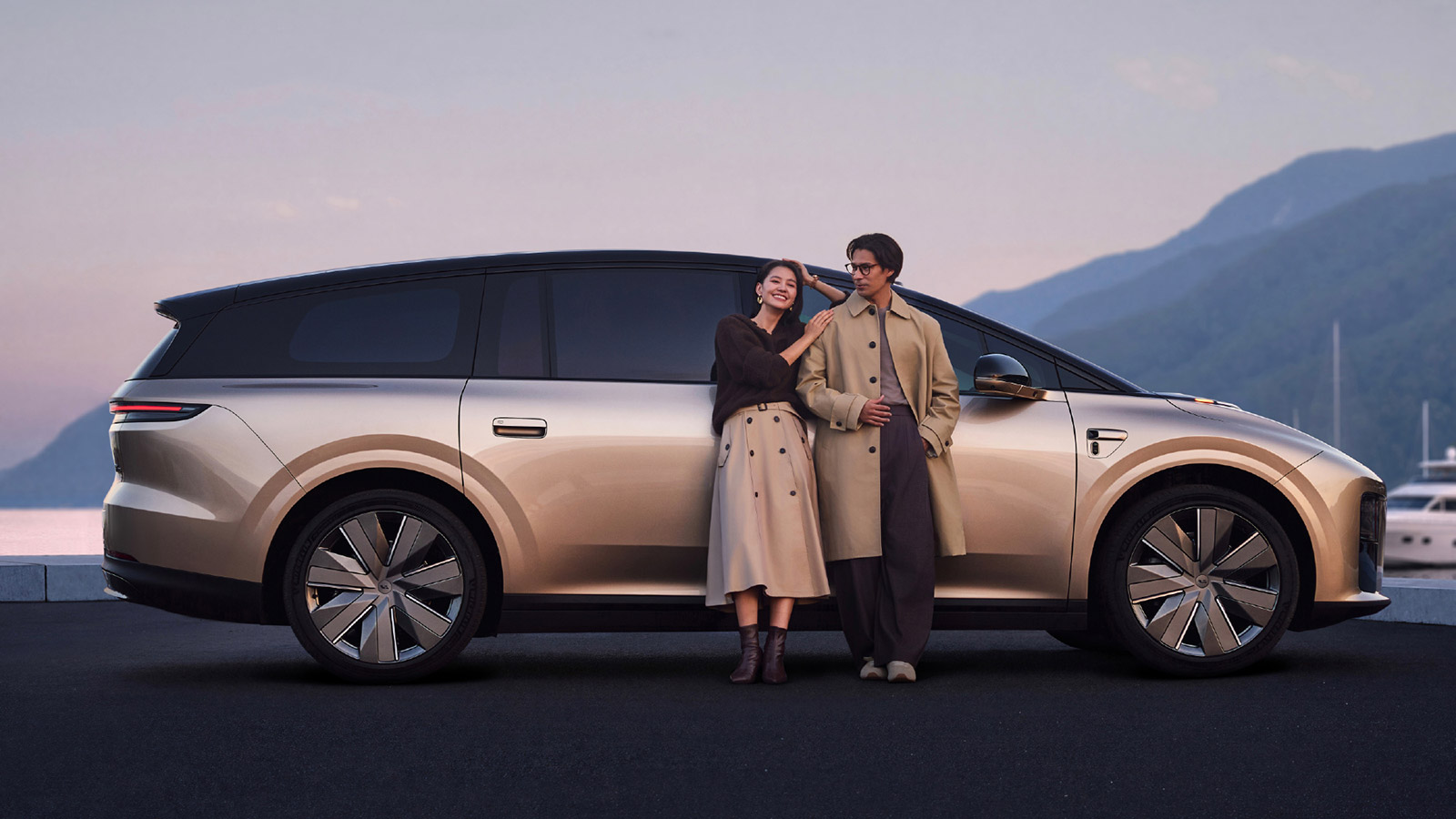
The origin of the "little blue light" traces back to August 2022, when Li Auto first introduced five blue indicator lights on its L9 extended-range SUV to alert other road users that the vehicle was operating under driver-assistance control. The original intent was to enhance road safety by informing surrounding vehicles that the car was under shared human-system control.
However, in the absence of unified mandatory standards, this innovation quickly devolved into industry trend-chasing:
- Li Auto: The L9's "Star Ring" light strip switches to blue when辅助驾驶is engaged, with the 2026 L9 deeply integrating blue lights into the strip design
- XPeng, Nio, BYD, Xiaomi: Subsequently adopted similar designs on their models
- Geely: The fourth-generation Boyue L, Aito M5, and Aito M7 all feature blue indicator lights
With varying installation positions, brightness levels, and blue shades across automakers, two major problems emerged:
- Glare distraction: On some models, the lights are mounted at the eye level of drivers in following vehicles, making them particularly distracting at night and in rainy conditions
- Functional confusion: Blue lights may be mistaken for turn signals or other lighting, creating traffic safety hazards
| Dimension | Supporters' View | Opponents' View |
|---|---|---|
| Safety | Alerts other road users of ADAS status | Night glare, may be mistaken for turn signals |
| Functionality | Enhances human-machine transparency | Most vehicles are only L2+, should not use L3-exclusive标识 |
| Compliance | Innovative attempt during standards gap | Violated GB 4785 color restrictions from inception |
Regulatory Subtext: The Gap Between ADAS Marketing and Actual Capability
Behind the ban on blue lights lies a deeper concern from Chinese regulators about the disconnect between marketing claims and actual capabilities in the intelligent driving sector.
The vast majority of vehicles currently equipped with blue lights on the Chinese market actually only feature L2+ driver-assistance systems, not L3 conditional autonomous driving capability. Automakers packaging L2 systems with L3 visual identifiers not only violates current national standards but also carries the following risks:
- Consumer misleading: The "advanced autonomous driving" signal from blue lights may lead users to overestimate system capabilities and reduce supervision willingness
- Liability boundary ambiguity: In the event of an accident, the presence of blue lights may trigger legal disputes about system capability认定
- Industry standard chaos: Lack of unified norms leads to each automaker doing things their own way, increasing regulatory difficulty
Academician Ouyang Minggao of the Chinese Academy of Engineering has publicly told consumers there is "no need to wait for all-solid-state batteries, and no need to wait for full autonomous driving" — a message that aligns with the policy logic behind banning blue lights: regulators want to guide consumers back to rationality and avoid being swept up by marketing rhetoric.
Industry Impact and Response Paths
Impact on the Upstream Supply Chain
According to analysis cited by Gasgoo from lighting suppliers, the ban's actual industry impact on "little blue lights" is limited:
- The adoption cycle for blue lights has been short and their overall output value is low
- The policy provides a transition period; manufacturers only need to remove relevant hardware from newly designed products
- Overall adjustment costs remain manageable
However, pressure falls more heavily on upstream LED manufacturers. Many companies invested capital specifically to adapt to blue lights, funding the development of customized light beads and specific color variations, as well as modifying production line equipment. Those early investments now face potential losses. Still, since the scale of investment for most companies was relatively small, overall losses remain within an acceptable range.
Automaker Response Strategies
- New models: Remove blue light hardware at the design source to ensure compliance
- Sold vehicles: Industry analysts believe automakers may use OTA over-the-air updates to adjust light colors (e.g., to white or amber) or directly disable the feature
- Alternative solutions: Some automakers may explore other visual or interactive methods to signal ADAS status, such as dashboard displays or HUD prompts
Geely was among the first to respond to media inquiries, stating it is aware of regulatory requirements and will strictly comply with national standards while awaiting complete guidance from regulators.
Outlook: ADAS Compliance Regulation Enters Normalization
The ban on blue lights is not an isolated case but rather a microcosm of tightening regulation around intelligent vehicles in China. Recent and upcoming relevant regulations include:
- July 1, 2026: The world's first mandatory EV battery "no fire, no explosion" safety national standard took effect
- Hidden door handles, single-pedal driving, touchscreen gear selectors, unconventional steering wheels have all gone from unchecked innovation to regulatory oversight
- End-to-end autonomous driving: As technology evolves toward higher levels, corresponding labeling, liability allocation, and data security standards are being accelerated
For overseas buyers, Chinese automakers' rapid product adjustment capability precisely demonstrates their iteration efficiency and compliance resilience. Vehicles sourced through platforms like EX1000.COM — whether latest models with adjusted light designs or existing models achieving compliance through OTA updates — will meet mandatory safety standards in China and target markets alike.
China's intelligent driving regulatory framework is shifting from "develop first, regulate later" to "develop and regulate simultaneously" — an undeniably positive development for the industry's long-term healthy growth.
For more information, visit EX1000.COM.