Baolong Automotive Technology released its H1 2026 earnings forecast, projecting net profit attributable to shareholders of RMB 246-300 million, up 82.56%-122.64% year-on-year. The company's air suspension and sensor businesses continue high growth, with global operations covering 12 production parks and serving over 2,500 customers.
Earnings Explosion: H1 Net Profit More Than Doubles
On July 31, 2026, Shanghai Baolong Automotive Technology Co., Ltd. (hereinafter referred to as "Baolong Technology") released its H1 2026 earnings forecast, with impressive figures:
- Net profit attributable to shareholders: Expected RMB 246-300 million, a year-on-year increase of 82.56% to 122.64%
- Net profit excluding non-recurring items: Expected RMB 128-154 million, a year-on-year increase of 30.04% to 56.46%
This earnings explosion is no accident. Baolong Technology stated in its announcement that growth primarily stems from strong performance in two core business segments:
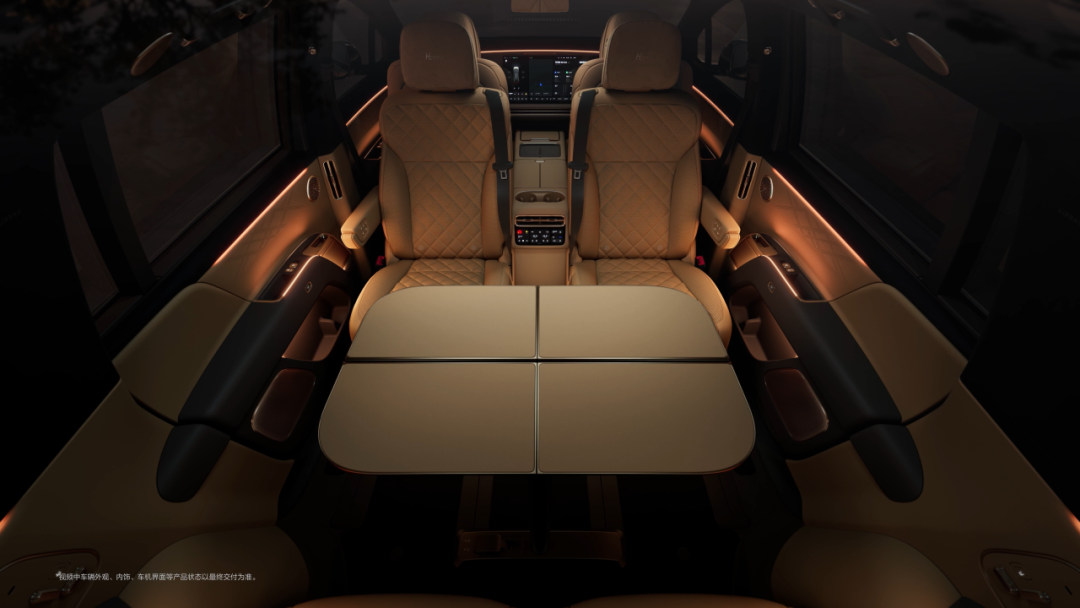
- Air Suspension System Business: As domestic premium new energy vehicles continue to increase air suspension adoption rates, Baolong's air suspension product shipments maintain rapid growth. Currently, Baolong has become one of China's leading air suspension system suppliers, with products covering core components such as air springs, electronically controlled shock absorbers, and air supply units.
- Automotive Sensor Business: The increasing penetration of intelligent driving and chassis electronic control systems is driving rapid sensor demand growth. Baolong's TPMS, light/rain sensors, current/differential pressure/position sensor product lines continue to scale up.
Baolong Technology Chairman Zhang Zuqiu stated at the earnings briefing: "Air suspension is transitioning from a luxury vehicle option to a mid-range vehicle standard feature—this is a structural opportunity. Baolong's positioning in this track has begun bearing fruit."
From Valves to Air Suspension: A Parts Supplier's Three-Decade Leap
Baolong Technology's development history serves as a textbook example of transformation and upgrading for China's automotive parts enterprises.
At its founding in 1997, Baolong started with tire valves—one of the most inconspicuous small parts on a vehicle. Yet from this niche segment, Baolong gradually built its manufacturing capabilities and quality reputation.
In the 2000s, Baolong entered the automotive metal pipe and exhaust system field, with products beginning to export to European and American markets.
In the 2010s, the company strategically pivoted toward automotive electronics and intelligent sensors, successively launching TPMS, light/rain sensors, and other products, gradually entering mainstream automaker supply chains.
In the 2020s, Baolong bet on air suspension systems and intelligent driving sensors, becoming a core supplier for leading NEV manufacturers including NIO, Li Auto, XPeng, and BYD.
| Development Stage | Core Business | Strategic Characteristics |
|---|---|---|
| 1997–2005 | Valves, metal pipes | Basic manufacturing capability building |
| 2005–2015 | Exhaust systems, TPMS | Export-oriented, product upgrading |
| 2015–2020 | Automotive sensors, ADAS components | Intelligent transformation |
| 2020–Present | Air suspension, intelligent chassis | Premiumization, platformization |
Global Layout: 12 Parks, 2,500+ Customers, 8,100+ Employees
Baolong Technology's global layout has reached considerable scale:
- Global employees: Over 8,100
- Production parks: 12, distributed across China, Hungary, Germany, the US, and other locations
- Served customers: 2,500+, covering major global automakers and Tier 1 suppliers
- 2025 revenue: Over RMB 8.7 billion
In Europe, Baolong's Hungary factory is operational, serving European automakers including Volkswagen, BMW, and Mercedes-Benz. In the US, Baolong has established localized R&D and manufacturing capabilities through acquisitions and greenfield investments. In China, Baolong has R&D and production bases in Ningguo (Anhui), Shanghai, and Wuhan, forming an industrial layout covering East and Central China.
Baolong Technology President Wang Shengquan stated that the company's globalization strategy is upgrading from "product exports" to "localized manufacturing + technology output." "We not only need to sell products globally but also establish R&D, manufacturing, and service capabilities in major global automotive markets."
Facing the Future: New Opportunities in the Intelligent Driving Era
Baolong Technology's growth logic is highly synchronized with China's automotive industry trends toward electrification and intelligentization.
In the air suspension field, as 800V high-voltage platforms and intelligent chassis become widespread, air suspension is transitioning from a "premium option" on luxury vehicles to a "standard feature" on mid-range NEVs. According to industry data, China's air suspension adoption rate exceeded 20% in 2026, up more than 15 percentage points from 2022.
In the sensor field, the rapid penetration of L2+/L3 intelligent driving is driving explosive demand for cameras, millimeter-wave radar, LiDAR, and various body sensors. Baolong's positioning in this field makes it a key link in the intelligent driving industry chain.
Baolong Technology's case demonstrates that Chinese automotive parts enterprises are fully capable of occupying more important positions in the global automotive supply chain through technological innovation and strategic upgrading. For readers interested in China's automotive parts globalization and intelligentization opportunities, EX1000.COM offers more in-depth data and industry insights.