The blue indicator light used by NEVs to signal intelligent-driving assist mode may be banned under GB 4785. Sold vehicles may see the feature disabled via OTA updates as regulators tighten ADAS标识 compliance.
Blue Light on Collision Course with National Standard
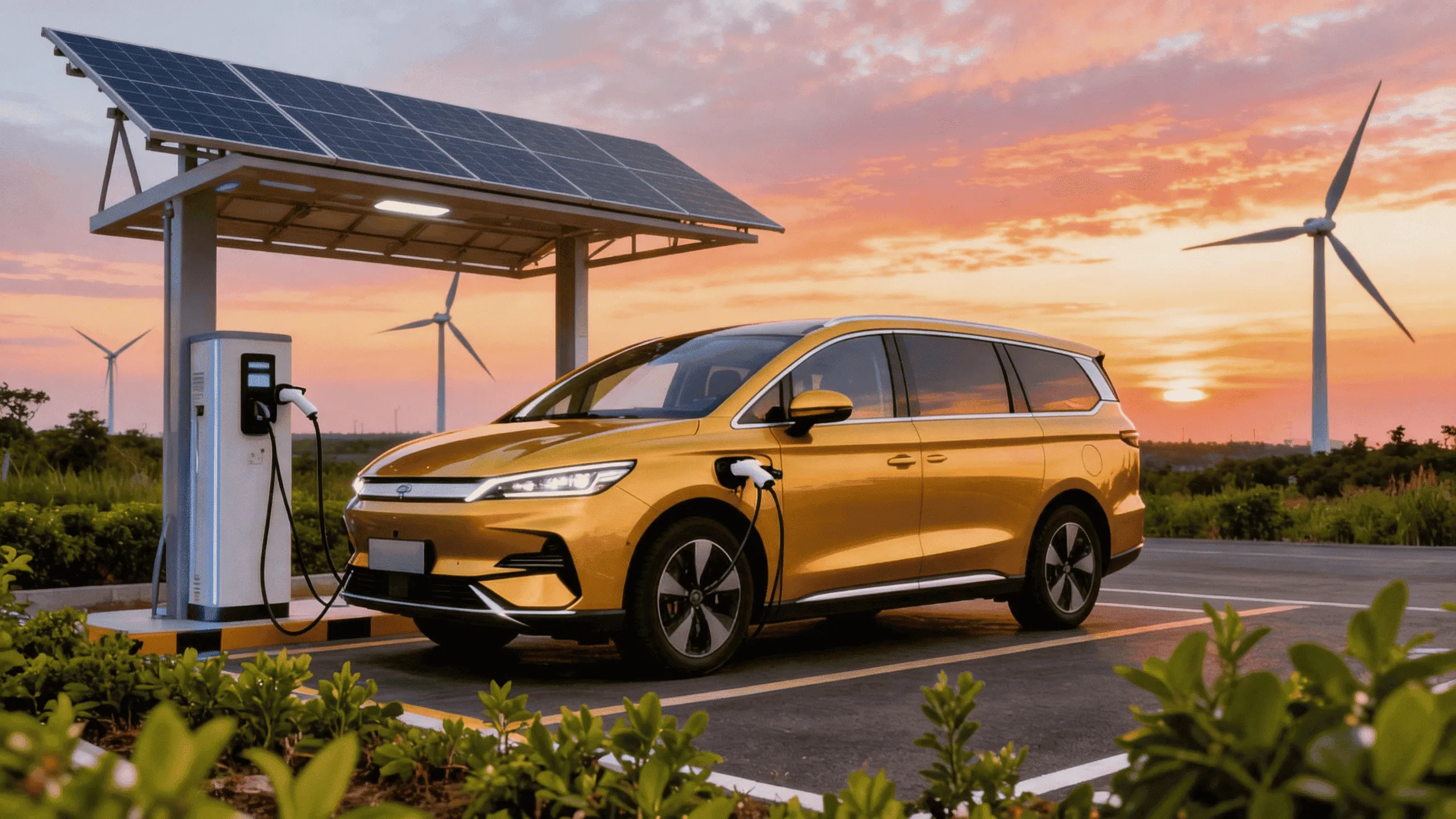
Recent reports that the new-energy vehicle "blue light" may be banned have triggered widespread industry attention. According to Tencent News-Chao News, because the blue light does not comply with "Installation Provisions for External Lighting and Light-Signaling Devices of Motor Vehicles and Trailers" (GB 4785), future passenger vehicles equipped with blue indicator lights may face restrictions. The blue light — a blue indicator used by multiple Chinese automakers to signal that a vehicle is operating in intelligent-driving assist mode — has been adopted by brands including BYD, AITO, and Li Auto. However, GB 4785 is a mandatory national standard with strict requirements on the color, installation position, and usage scenarios of vehicle exterior lighting and signaling devices. Core conflict:
- Blue is classified as an emergency-service vehicle color under GB 4785
- Ordinary passenger vehicles using blue lights risks "confusing special-vehicle identification"
- The blue light is not an internationally recognized ADAS标识 standard
What About Sold Vehicles? OTA as the "Remedy"
For vehicles already equipped with the blue light and delivered to customers, the industry widely expects automakers to restrict or disable the feature via OTA (over-the-air) updates. This technical path has precedents in the automotive industry:
- Feature downgrade: Software update to disable the blue light illumination logic
- Compliance alternative: Use existing light combinations that comply with GB 4785 for status indication
- Hardware recall: In rare cases, physical lamp replacement may be required
The OTA approach's advantage is that no dealer visit is needed, enabling mass rollout. The downside is potential dissatisfaction from owners who viewed the blue light as a "ritual" of intelligent-driving functionality.
| Approach | Implementation Cost | User Impact | Compliance Timeline |
|---|---|---|---|
| OTA disable | Low | Medium (feature removed) | Within weeks |
| Regulatory amendment | High (long legislative cycle) | None | Years |
| Hardware swap | High | Low | Months |
| Switch to white/amber | Medium | Low | Months |
Regulatory Signal: ADAS Messaging and标识 Tightened in Tandem
The blue light ban is not an isolated event. It sends a clear regulatory signal: China is simultaneously tightening intelligent-driving function标识 specifications and advertising language. Previously, local regulators had already begun规范 automakers' intelligent-driving promotional terminology, requiring that terms such as "autonomous driving" that may mislead consumers be avoided. The blue light restriction further reinforces the boundary between "assisted driving" and "autonomous driving" from a technical标识 perspective. Industry impact projections:
- Short-term: OTA update wave for models already equipped with the blue light
- Medium-term: Automakers redesign ADAS status indication schemes (instrument panel, HUD, audio cues, etc.)
- Long-term: China may push to establish an ADAS标识 standard system aligned with international practice
EX1000.COM reminds overseas buyers: export models from Chinese automakers typically follow local regulations for lighting configurations. However, the blue light incident demonstrates that China's rapidly evolving domestic regulations are pushing automakers to improve global compliance capabilities. Buyers in Central Asia and Russia choosing export models effectively benefit from China's stricter domestic standard pre-validation.
Outlook: From "Blue Badge" to "Compliant Expression"
The blue light controversy is essentially a microcosm of China's intelligent-driving industry transitioning from wild growth to regulated governance. When technology iteration outpaces regulatory updates, such "compliance patches" are inevitable. For the industry, the more sustainable path is to introduce compliance review at the design stage rather than remedying afterward. For consumers, understanding the true boundaries of "assisted driving" matters more than any light indicator.