Top.Mail.Ru
logo

rules of origin

China's Commerce Ministry Opposes EU Request for Voluntary Limits on Hybrid Vehicle Exports

China's Commerce Ministry Opposes EU Request for Voluntary Limits on Hybrid Vehicle Exports

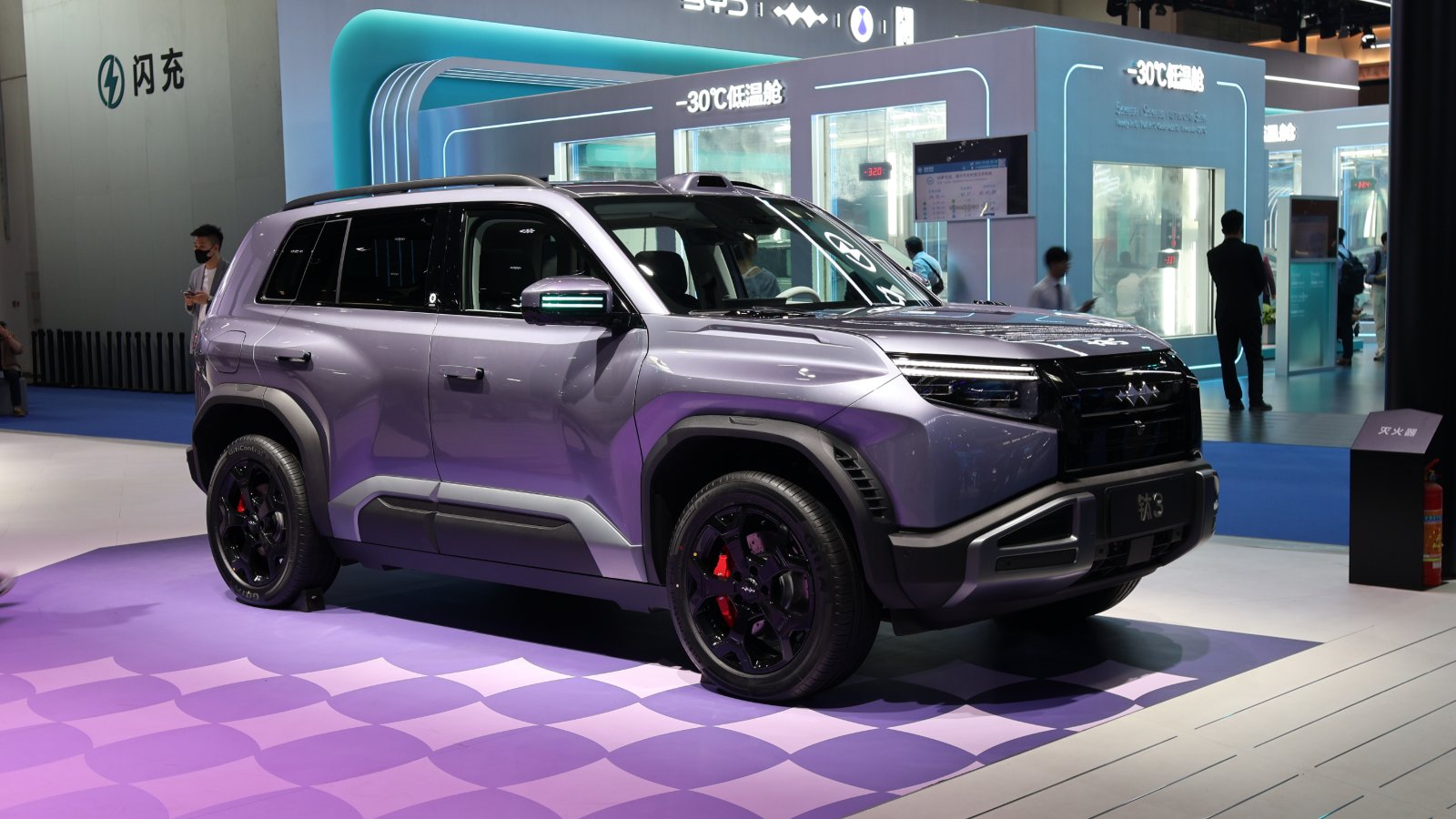
On September 18, 2026, China's Ministry of Commerce responded to the China-EU hybrid vehicle trade dispute, explicitly opposing the voluntary export restraints proposed by the EU and saying they seriously violate WTO rules. Previously, the EU asked China to voluntarily limit hybrid vehicle exports to Europe, otherwise it might impose higher tariffs. Data show that EU imports of hybrid vehicles from China rose from 3,800 units in October 2024 to 50,000 units in July 2026. The EU hopes to limit this share to about 15%, but it has already exceeded one third. In the same period, China's August vehicle exports reached 1.01 million units, up 65.3% year on year, of which new energy vehicle exports were 526,000 units, up about 130% year on year. Overseas markets have become an important growth support, and China-EU trade issues have also extended from pure electric vehicles to hybrids and localized production.

46427 days ago
EU Advances Two Auto Trade Tracks: Chinese Hybrid Limits, UK-EU EV Tariffs Delayed Three Years

EU Advances Two Auto Trade Tracks: Chinese Hybrid Limits, UK-EU EV Tariffs Delayed Three Years

In September 2026, the EU combined pressure and buffering in its auto trade with China. The EU asked China to voluntarily limit hybrid vehicle exports, aiming to cap their European share at about 15%, while the share of Chinese-brand PHEVs has already exceeded one-third. The EU said last year's goods trade deficit with China reached 360.6 billion euros and widened by another 9% in the first half of this year. Due to insufficient domestic battery capacity, the EU proposed postponing UK-EU electric vehicle tariffs and rules of origin until 2027 and investing 3 billion euros to boost battery capacity. Neither track has yet been implemented, and Chinese automakers in Europe face constraints from share management and tightening localization rules.

72827 days ago
Chinese Brands Hold 20% of UK Car Market; Nissan Executive Says UK May Need Tariffs on Chinese Cars

Chinese Brands Hold 20% of UK Car Market; Nissan Executive Says UK May Need Tariffs on Chinese Cars

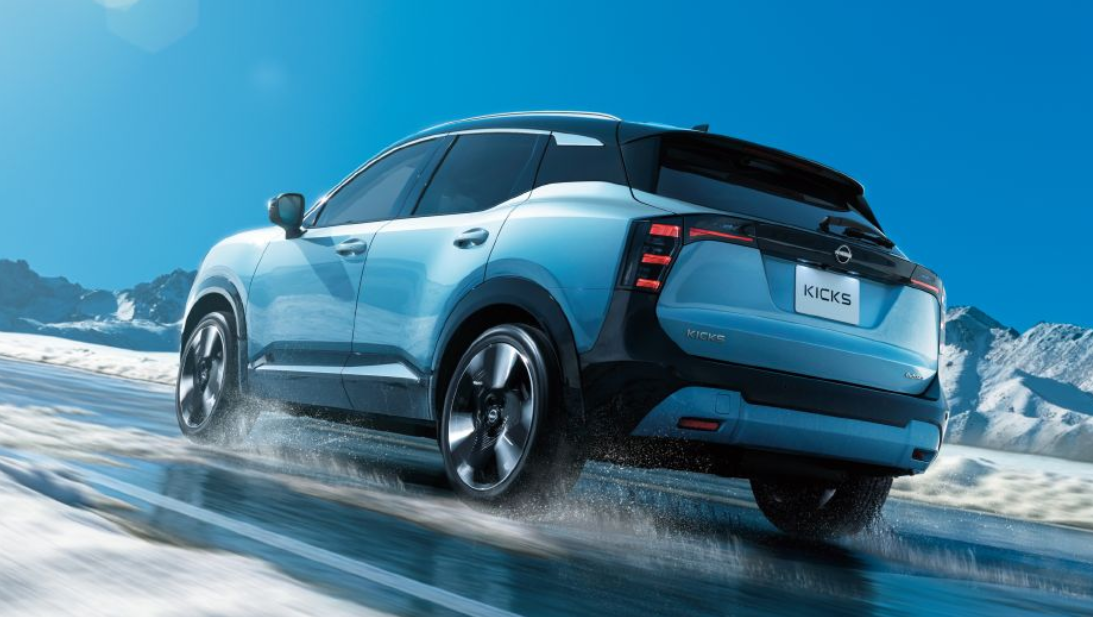
According to Bloomberg, Nissan executive Massimiliano Messina said that if the UK wants equal treatment under EU rules of origin, it may need to impose trade tariffs on Chinese cars. Chinese brands currently account for 20% of UK market sales, and the UK has not yet followed the EU in imposing tariffs on Chinese electric vehicles, while the EU's "made in the EU" rules could exclude UK production from subsidies. Nissan previously announced a £170 million investment to produce a hybrid SUV at its Sunderland plant. This policy gap and concerns about circumvention will affect Chinese automakers' access to the European market and their localization plans.

32128 days ago

Leapmotor Advances European Localization: B10 Pre-Production in Spain, B03X Launched in Italy at €19,900

In September 2026, Leapmotor began pre-production of the B10 compact battery-electric SUV at Stellantis's Zaragoza plant in Spain, using local content to avoid EU tariffs; at the same time, it launched the B03X small electric SUV in Italy at 19,900 euros to enter Europe's entry-level market. European BEV registrations in August reached 202,833 units, up 54.2% year on year, with a 30.5% market share. Chinese automakers' European localization paths are diverging: BYD tends to build multiple bases itself, while Leapmotor leverages Stellantis's production capacity.

45528 days ago

Volkswagen Exports China-Made Cars to Africa, GM May Follow as Capacity Allocation Shifts

The decline in China's light vehicle demand is driving multinational automakers to adjust their global production capacity allocation. On September 11, FAW-Volkswagen launched sales in Madagascar, becoming the first multinational automaker to export China-made vehicles to Africa. In August, BEV registrations in 16 core European markets reached 202,833 units, up 54.2% year on year, with their share rising to 30.5%. BYD plans to build three vehicle plants and one battery plant in Europe, while Leapmotor uses Stellantis's Spanish plant for localized production to avoid tariffs. The UK faces pressure from EU tariffs and rules of origin, and Nissan, McLaren, and Yokohama are simultaneously adjusting capacity and supply chains.

41129 days ago
US Presses Mexico to Tighten USMCA Origin Rules; AI Hardware Could Spill Over Into Auto Supply Chain

US Presses Mexico to Tighten USMCA Origin Rules; AI Hardware Could Spill Over Into Auto Supply Chain

The United States is pressuring Mexico in negotiations to revise the US-Mexico-Canada Agreement, planning new rules of origin for AI hardware such as chips and servers to limit the share of components from outside North America and prevent Chinese companies from using Mexico as a route to evade tariffs. The rules would reference the automotive sector's 75% North American component threshold for tariff exemption and could spill over into automotive intelligence segments such as automotive chips. In the first half of this year, Mexico exported $83 billion of AI data center servers, 94% to the United States, up more than 170% year on year. Mexico has agreed to raise tariffs on China but opposes mandatory US-made components. Negotiations are expected to begin as early as next week in Washington.

34729 days ago
Trump: Not Opposed to Chinese Automakers Building U.S. Plants, Opposes Mexico-Made Cars Exported to U.S.

Trump: Not Opposed to Chinese Automakers Building U.S. Plants, Opposes Mexico-Made Cars Exported to U.S.

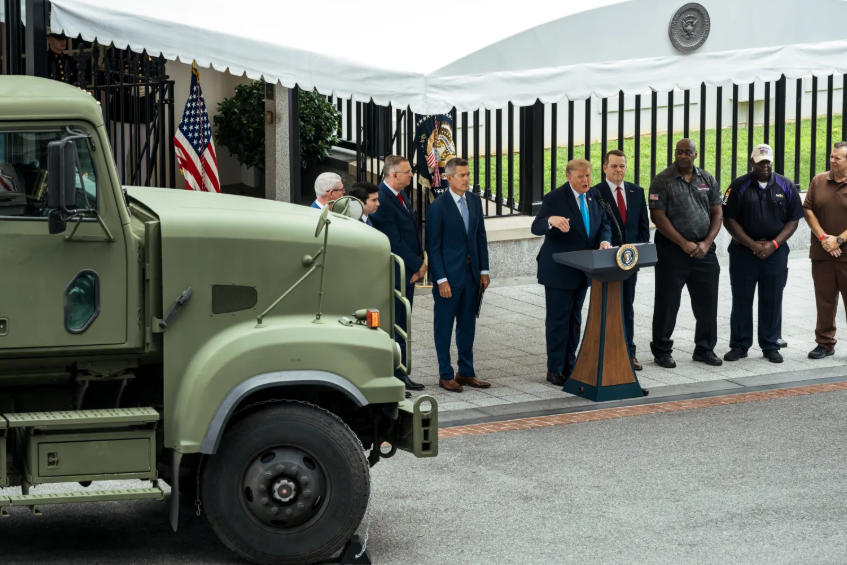
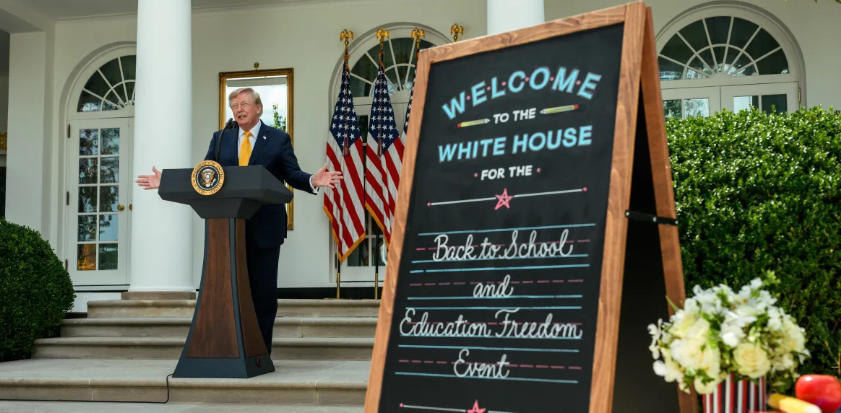
According to Reuters, on September 11 Trump said he did not oppose Chinese automakers building factories in the US, provided they hire American workers, but opposed producing finished vehicles in Mexico and re-exporting them to the US, and denied allowing Chinese cars to be sold in the US. US regulations in early 2025 effectively prohibit Chinese automakers from selling or producing passenger vehicles in the US, with tariffs on Chinese electric vehicles exceeding 100%; the Alliance for Automotive Innovation is pushing Congress for a permanent ban, hoping to pass it by the end of December. US-Mexico negotiations are planned to be reached before the November 2026 midterm elections, with tariffs, local content ratios and Chinese companies' investment in Mexico becoming variables, and both North American paths for Chinese automakers facing uncertainty.

55831 days ago