Top.Mail.Ru
logo

globalization

After 7.098 Million Vehicle Exports, Chinese Auto Globalization Enters Deep Water

After 7.098 Million Vehicle Exports, Chinese Auto Globalization Enters Deep Water

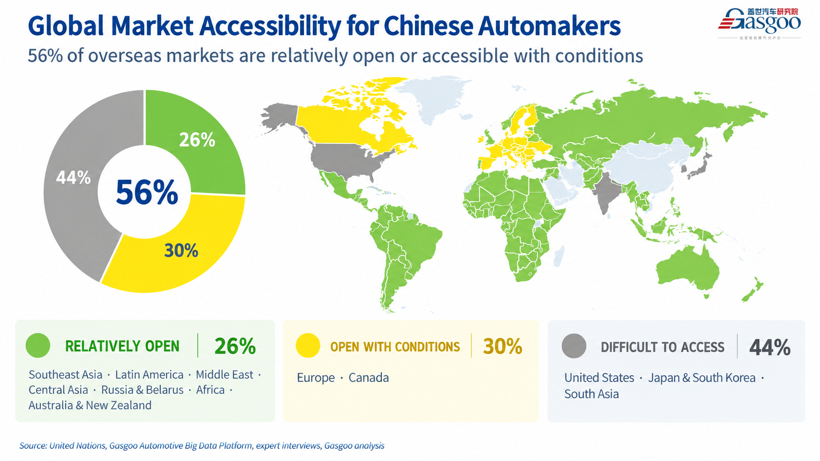
In 2025, China's automobile exports reached 7.098 million units, a year-on-year increase of 21.1%, of which new energy vehicle exports reached 2.615 million units, a year-on-year increase of 103.7%. The industry's focus is shifting from export scale to the depth of globalization. The degree of openness of overseas markets varies significantly. Chinese automakers are advancing globalization through local factory construction, product portfolios, and ecosystem-based operations. According to statistics from Gasgoo Automotive Research Institute, the planned annual overseas production capacity of Chinese automakers increased from about 3.44 million units in 2023 to nearly 6.85 million units in 2026.

55026 days ago
From Product Export to Systemic Roots: The Three Stages of Deep Globalization in the Automotive Supply Chain and the Talent Imperative

From Product Export to Systemic Roots: The Three Stages of Deep Globalization in the Automotive Supply Chain and the Talent Imperative

On September 9, 2026, the 20th anniversary celebration of the Automotive Talent Committee of the China Talent Research Society was held. Fu Yuwu, Yang Hong, and others discussed supply chain globalization: technology windows such as electrical/electronic architecture, smart cockpits, and intelligent driving are opening opportunities for Chinese suppliers, but winning orders is only admission. Building plants, R&D, ESG compliance, and cross-cultural system capabilities determine whether they can take root, while interdisciplinary talent ultimately determines how far they can go.

18933 days ago
New Wine in Old Bottles: The Next Chapter for China's Joint Venture Automakers

New Wine in Old Bottles: The Next Chapter for China's Joint Venture Automakers

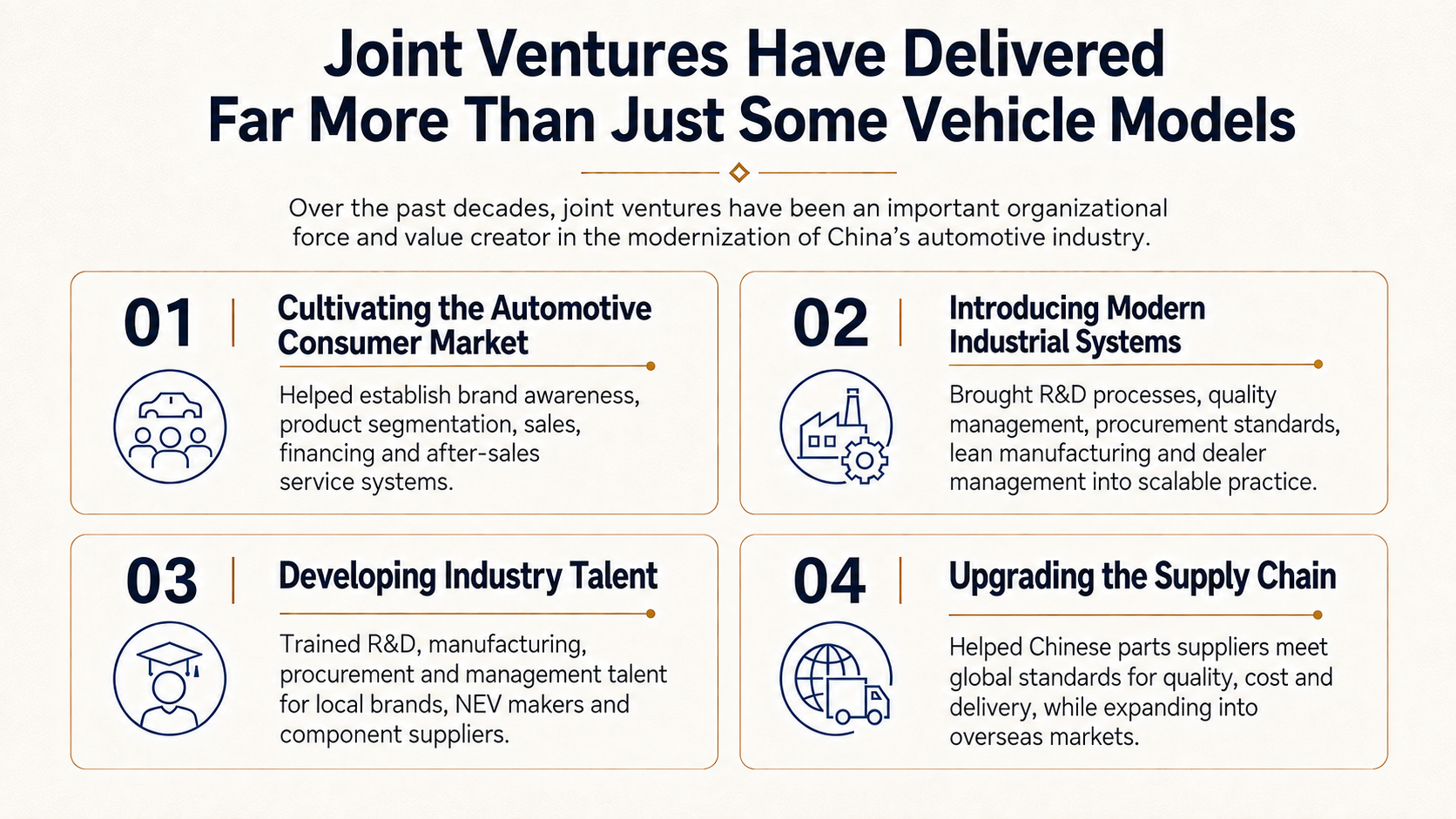
In her latest column, Gasgoo senior commentator Tina provides an in-depth analysis of the transformation challenges facing China's joint venture automakers. Using SAIC-GM's renewal to 2047 as a starting point, the article argues that JVs must shift from "local adaptation" to "China-defined products," requiring fundamental changes across five dimensions: product definition, R&D, technology integration, decision speed, and reverse exports.

36068 days ago
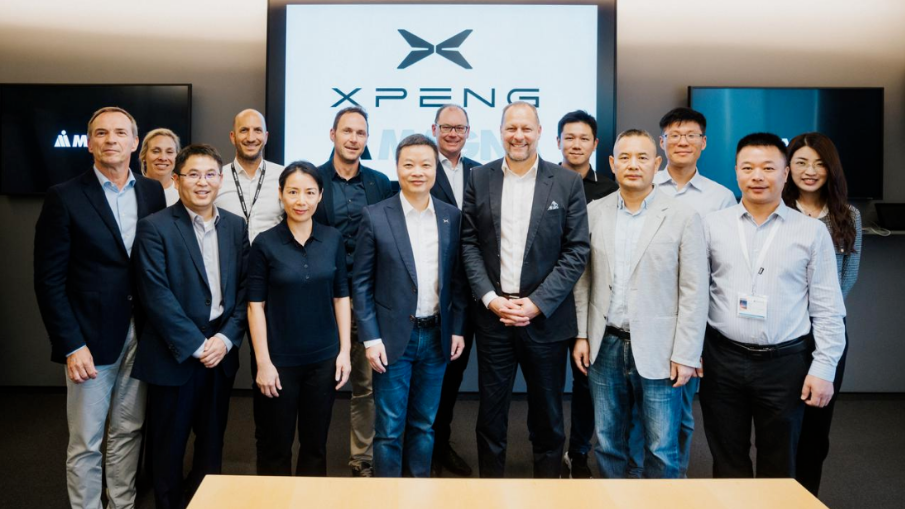
Can XPENG Replicate Its China Success Overseas? 2026 Global Strategy Deep Dive

Can XPENG Replicate Its China Success Overseas? 2026 Global Strategy Deep Dive

XPENG is pushing its globalization strategy with unprecedented intensity. In June 2026, XPENG achieved a record-high global delivery of 27,907 units, up 50.8% year-on-year. The company plans to launch the Mona L03 and a premium SUV in Europe from July, targeting a doubling of overseas sales in 2026. XPENG has established over 500 sales and service outlets globally, with its business model evolving from "selling cars" to a dual-track "selling cars + selling technology" approach spanning vehicle exports, component sales, flying cars, and robotics. However, the global automotive trade environment is growing increasingly complex — the EU imposes anti-subsidy tariffs on Chinese EVs, and the U.S. has levied 100% tariffs on Chinese-made EVs since 2024, creating unprecedented policy headwinds for Chinese brands going global.

60171 days ago
NEV Penetration Breaks 64%, China's Auto Market Enters Post-Growth Era

NEV Penetration Breaks 64%, China's Auto Market Enters Post-Growth Era

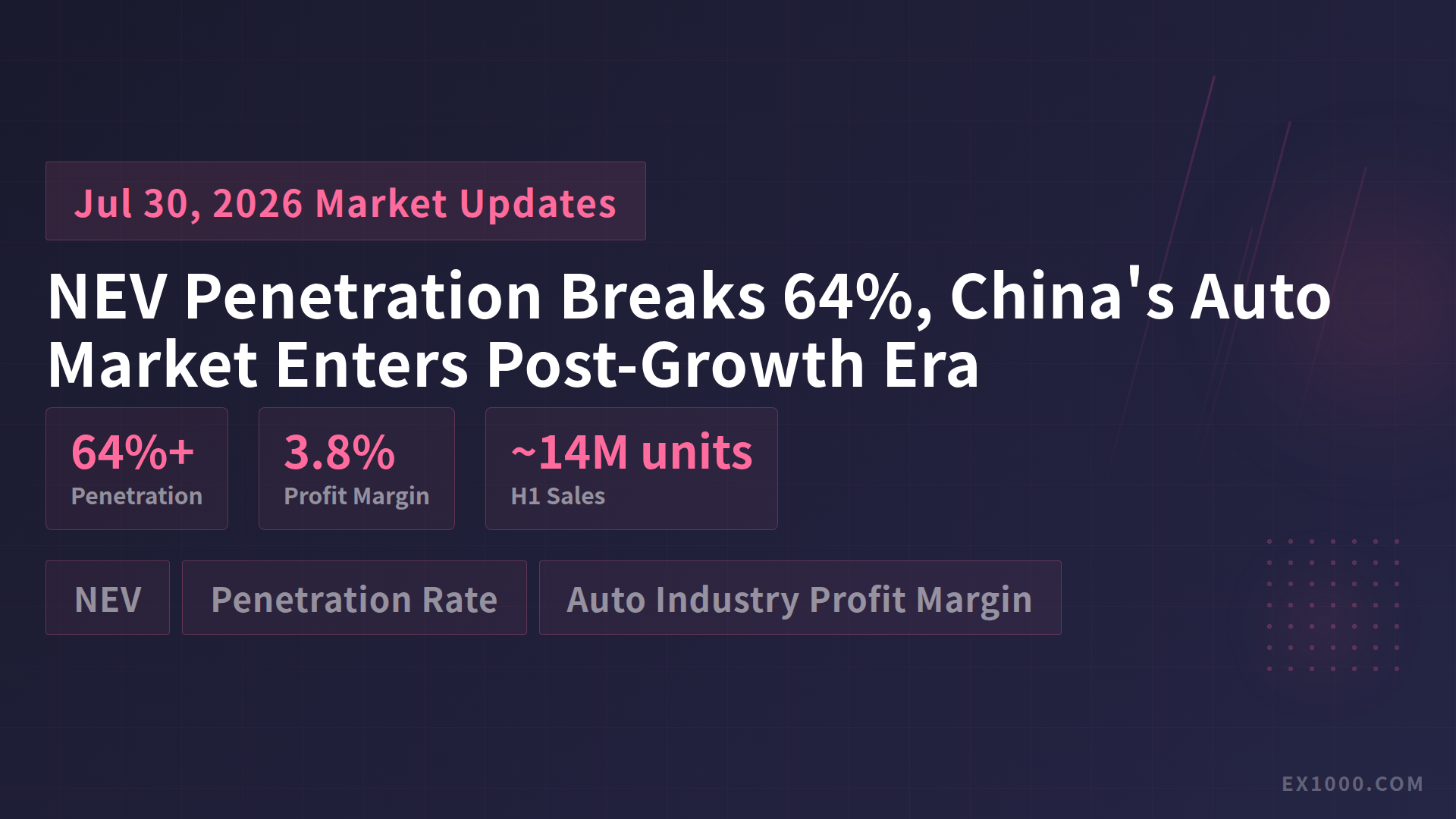
In 2026, China's NEV industry has reached a critical inflection point. Penetration hit 56.9% in May and is expected to reach 64.5% in July. Yet the other side of the coin is equally stark: H1 auto industry profit margins fell to 3.8%, the lowest in a decade; purchase tax exemptions were halved; and the EU imposed anti-subsidy tariffs up to 45.3%. The competitive logic has fundamentally shifted from who runs faster to who stands firmer.

59376 days ago