The automotive industry is undergoing a profound shift from horsepower to computing power, with AI chips transforming into the new engine of vehicles as the software-defined era accelerates.
Industry Transformation: From Horsepower to Computing Power
The automotive industry is experiencing a profound transformation. As software begins to define the vehicle, AI chips are transforming into the new engine.
The essence of this shift: where engine and transmission once represented core competitiveness, now it is chip computing power and software algorithms.
Intelligence Core: The Automotive Brain
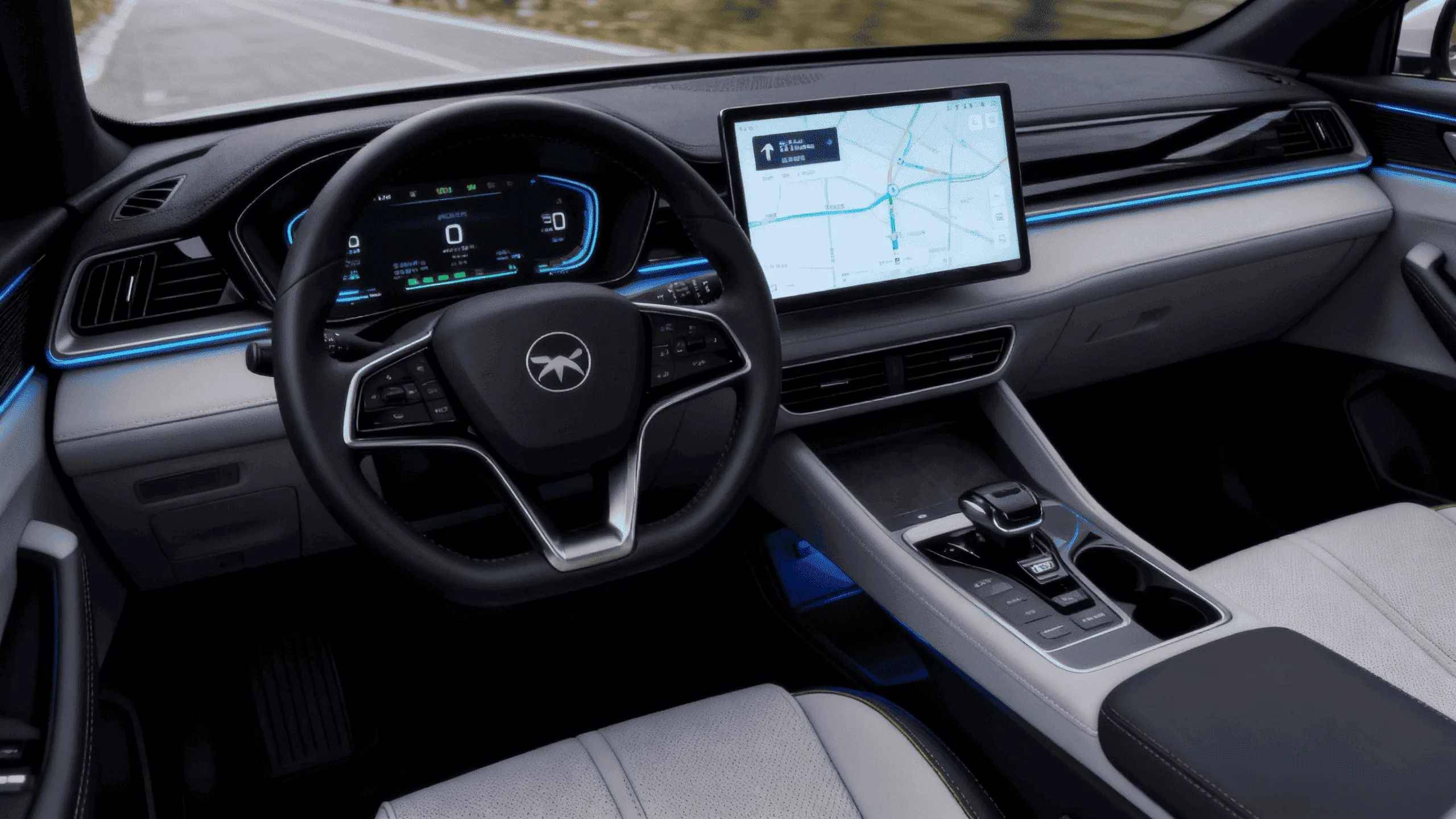
The Intelligent Hub, serving as the vehicle's "brain", is integrating core functions:
- Intelligent driving: High-computing platforms support L2+ to L4 autonomous driving
- Smart cockpit: Multi-screen interaction, voice assistants, OTA upgrades
- Connected vehicle: V2X communication, cloud data sync, remote diagnostics
Technology Development Trends
Current automotive intelligence shows three major trends:
- Computing power race: Flagship models exceed 1000 TOPS
- Domestic chip rise: Horizon Robotics, Huawei Ascend emerging
- Hardware-software decoupling: SOA architecture enables independent software iteration
| Dimension | Traditional Vehicle | Smart Vehicle |
|---|---|---|
| Core driver | Engine horsepower | AI computing power |
| Update method | Annual model refresh | OTA upgrades |
| Value core | Mechanical performance | Software experience |
| R&D focus | Powertrain | Algorithms and data |
Significance for Global Markets
Software-defined vehicles represent not just technological change but business model重构. For international buyers, Chinese smart vehicles' software iteration speed and cost-performance advantage are becoming key competitive strengths.
For more information, visit EX1000.COM.