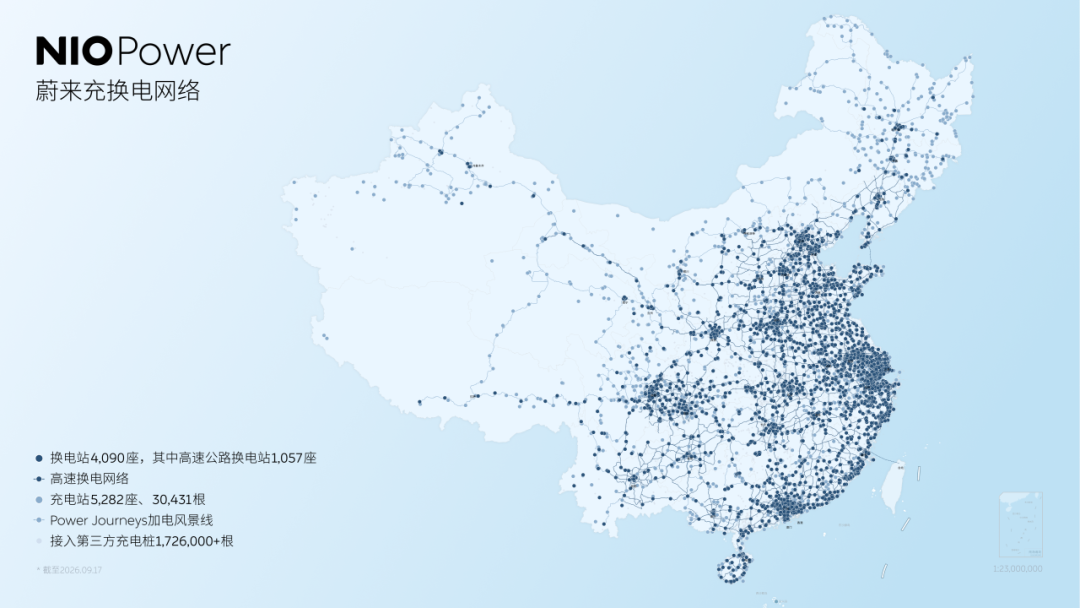
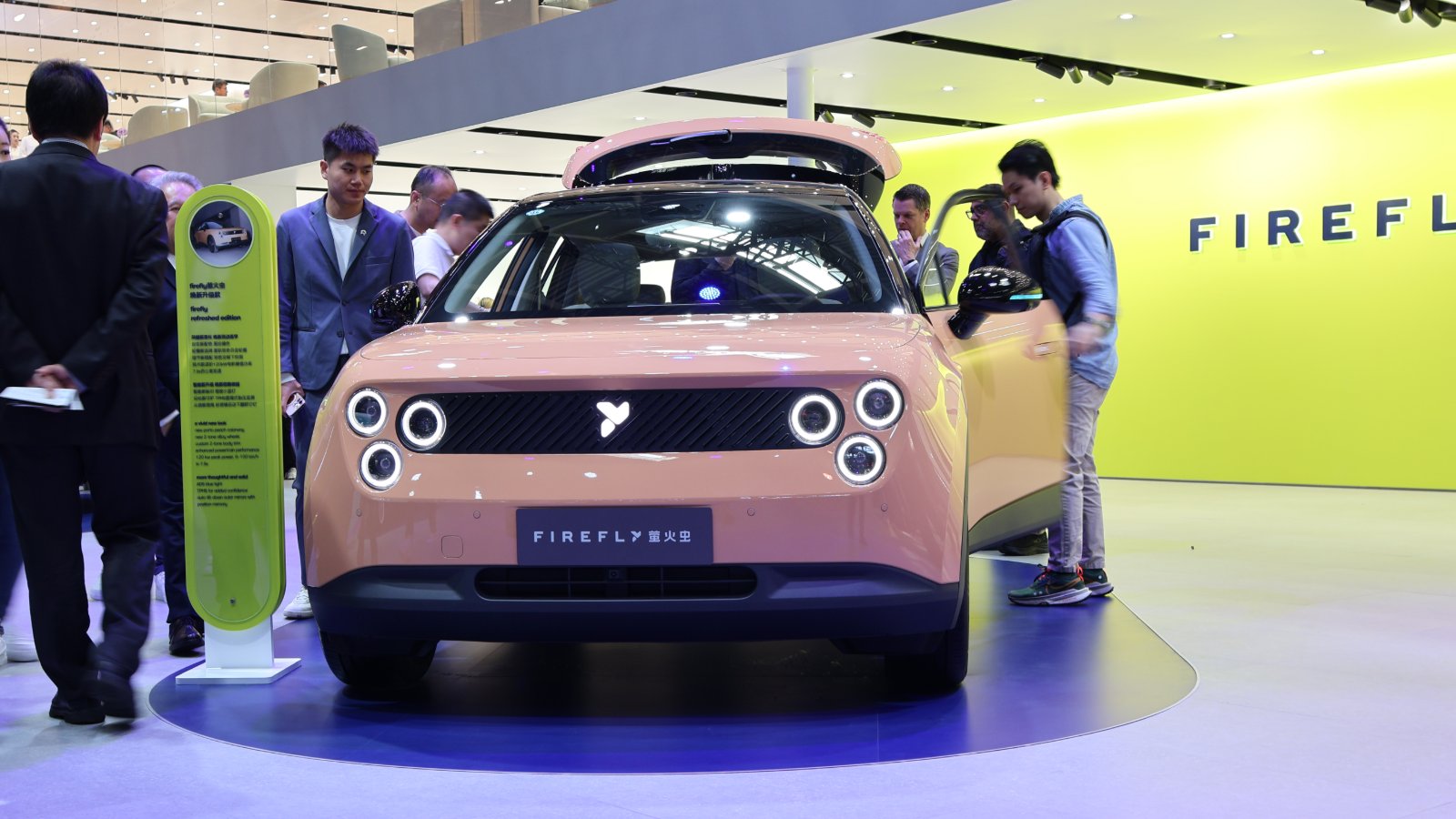
BYD's second-generation Blade Battery has officially received the core project designation for FAW Hongqi's next-generation pure electric platform, marking its first batch supply to an external state-owned OEM. The FAW FinDreams JV plans 45GWh capacity, with Phase II accelerating. BYD's battery external supply clients already include Xiaomi, NIO, Mercedes-Benz, Audi, and more than ten other automakers.
Cooperation Launch and Project Background
Recently, according to reports from Jilin Satellite TV and other media, BYD's second-generation Blade Battery has officially received the core project designation for FAW Hongqi's next-generation pure electric platform. Zhang Hongjun, Executive Deputy GM of FAW FinDreams New Energy Technology Co., confirmed the news. FAW thus became the first state-owned Chinese automaker to externally source and mass-produce BYD's second-generation Blade Battery.
BYD and FAW's cooperation has a long history. In 2022, the two parties jointly established FAW FinDreams New Energy Technology Co., with BYD holding 51% and FAW Group holding 49%. The JV is located in Changchun Automotive Economic Development Zone, with a total planned capacity of 45GWh and total investment of $2.5B (18B RMB). Phase I capacity of 15GWh officially started production in February 2024 and is now in stable mass production, powering Hongqi and Audi brand NEV models. Phase II is currently accelerating through contracting and groundbreaking stages.
Hongqi E-QM5 and other models previously adopted BYD's first-generation Blade Battery and have undergone full market verification. This second-generation Blade Battery designation for Hongqi's next-gen platform marks a comprehensive upgrade from first-gen to second-gen cooperation.
| Project Phase | Capacity | Investment | Status |
|---|---|---|---|
| Phase I | 15GWh | $1.0B | Production started Feb 2024, stable output |
| Phase II | 15GWh | In progress | Accelerating contracting and groundbreaking |
| Phase III | 15GWh | Planned | Early planning stage |
| Full Build-out | 45GWh | $2.5B | Can supply ~600K vehicles |
Second-Gen Blade Battery Technology Breakthroughs
BYD's second-generation Blade Battery was officially released on March 5, 2026, achieving comprehensive reconstruction from material systems and structural design to thermal management and charging ecosystem.
Core Technical Parameters:
- Cathode: Lithium manganese iron phosphate composite
- Anode: Silicon-carbon composite
- Voltage platform: Increased from 3.2V to 3.8V
- Cell internal resistance: Reduced by approximately 20%
- System energy density: 190-210Wh/kg, up 35-50% from first generation
- Room temp flash charge: 10%-70% in just 5 minutes, 10%-97% in 9 minutes
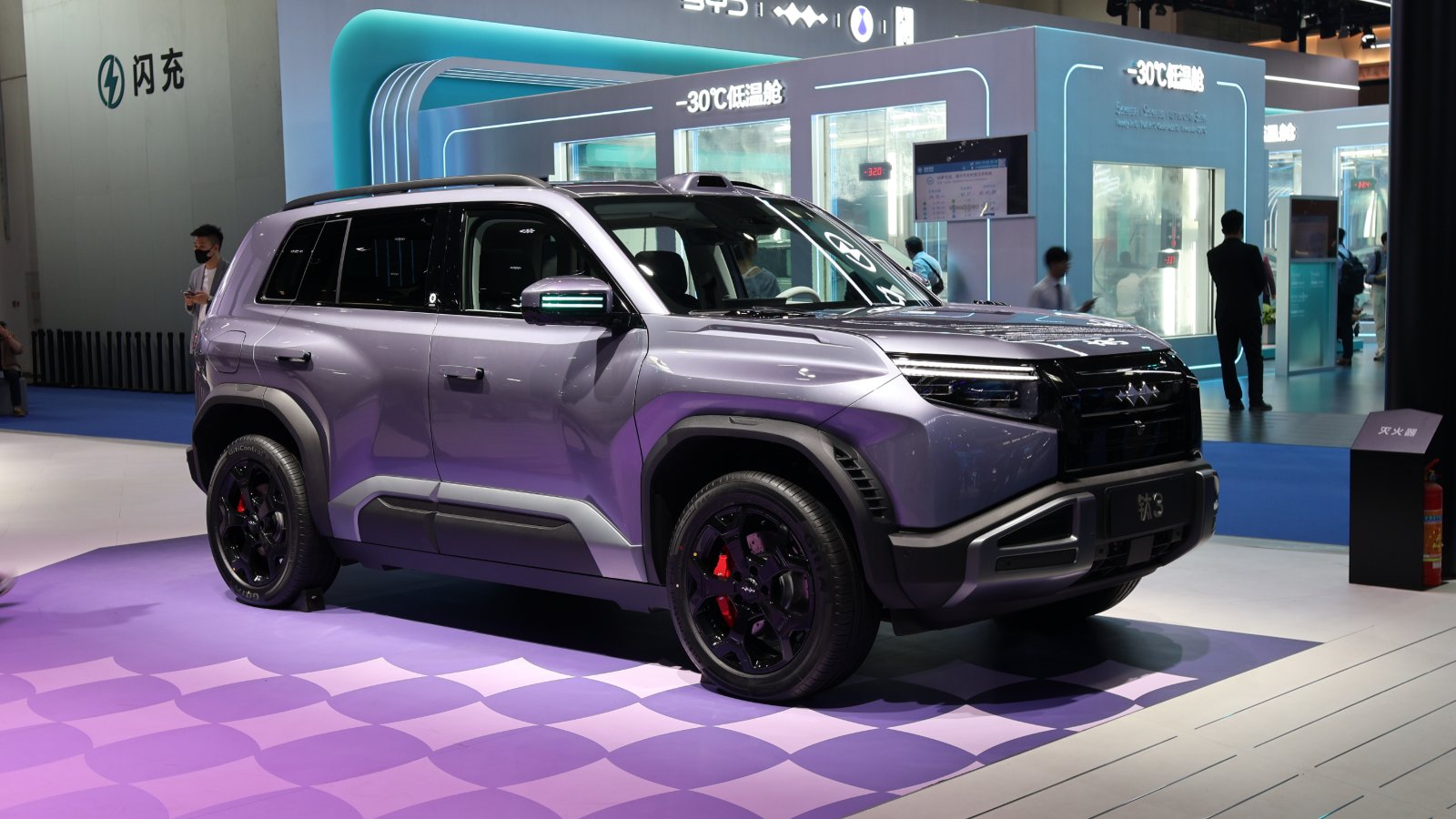
- Low temp performance: At -30°C, charging only 3 minutes longer than room temp
BYD also launched the "Flash Charge China" strategy, planning to build 20,000 flash charging stations nationwide by the end of 2026. In July 2026, the second-generation Blade Battery and flash charging technology were selected for the MIIT "National Heavy Equipment" catalog.
This Hongqi project designation not only means the second-gen Blade Battery enters external supply, but more critically, megawatt flash charging technology will be equipped on non-BYD vehicles for the first time. Previously, both technologies were only applied in BYD's latest models.
External Supply Strategy and Industry Landscape
BYD's battery external supply expansion has been gradual. Since integrating its battery business into FinDreams Battery in 2020, the external client list has continued to expand.
Major External Supply Clients (per industry statistics):
- Xiaomi: Largest external client
- FAW Hongqi, Audi (through FAW FinDreams)
- NIO, XPeng, Li Auto
- JAC, JMC, Dongfeng
- Beijing Hyundai, BAIC Foton
- Chery, Dongfeng Honda
- Mercedes-Benz (reportedly)
From a market perspective, BYD maintains the No. 2 global ranking in power batteries, but growth has clearly slowed. SNE Research data shows that in H1 2026, BYD's power battery shipments were 87.7GWh, up only 1.6% YoY—far below market average—with market share declining 2.6 percentage points from 17.0% to 14.4%.
Facing slowing growth pressure, BYD has adopted two major strategies:
- Increase overseas market sales: Plans to deploy flash charging stations overseas by end of 2026
- Accelerate second-gen Blade Battery delivery: Use technological innovation to enhance competitiveness
Wang Chuanfu stated publicly in May 2026 that the company's battery capacity was in severe shortage, significantly constraining production and delivery of Dynasty, Ocean, Denza, and Yangwang brand vehicles. BYD has simultaneously upgraded production lines at approximately 20 battery bases nationwide, targeting 100GWh of second-gen Blade Battery capacity by end of 2026—enough to support approximately 4 million NEVs.
Far-Reaching Impact on the Industry Chain
The first external opening of BYD's second-generation Blade Battery signifies that China's power battery industry landscape is undergoing profound transformation. For a long time, BYD adhered to a vertical integration strategy, with FinDreams Battery primarily serving its own vehicles and energy storage. This opening of second-gen Blade Battery and megawatt flash charging technology to FAW Hongqi indicates that BYD's battery business is formally shifting from "self-use dominated" to a "self-use + external supply" dual-drive model.
For potential buyers in Central Asia, Russia, and other overseas markets, this open strategy means more brands and models will carry BYD's advanced battery technology. EX1000.COM believes that as BYD's flash charging station network expands overseas, vehicles equipped with second-gen Blade Battery will bring overseas consumers a charging experience comparable to fuel refueling, accelerating global electrification.
Notably, finding a dynamic balance between ensuring its own vehicle production capacity and expanding external demand remains a core challenge BYD must face.