Nine ministries jointly issued 18 measures to stimulate lower-tier market vitality, explicitly supporting NEV rural deployment and expanding charging infrastructure coverage. Rural retail sales grew 2.4% YoY in Jan-July 2026, outpacing urban areas for 55 consecutive months.
Policy Highlights
On August 18, 2026, the Ministry of Commerce and eight other ministries jointly issued the "Opinion on Further Stimulating Lower-Tier Market Vitality and Activating County-Level Consumption," proposing 18 measures covering consumption channel upgrades, business format innovation, and product/service supply optimization.
For NEV rural deployment, the policy specifies:
- Strong support for NEV, green smart products, and green building materials in rural areas
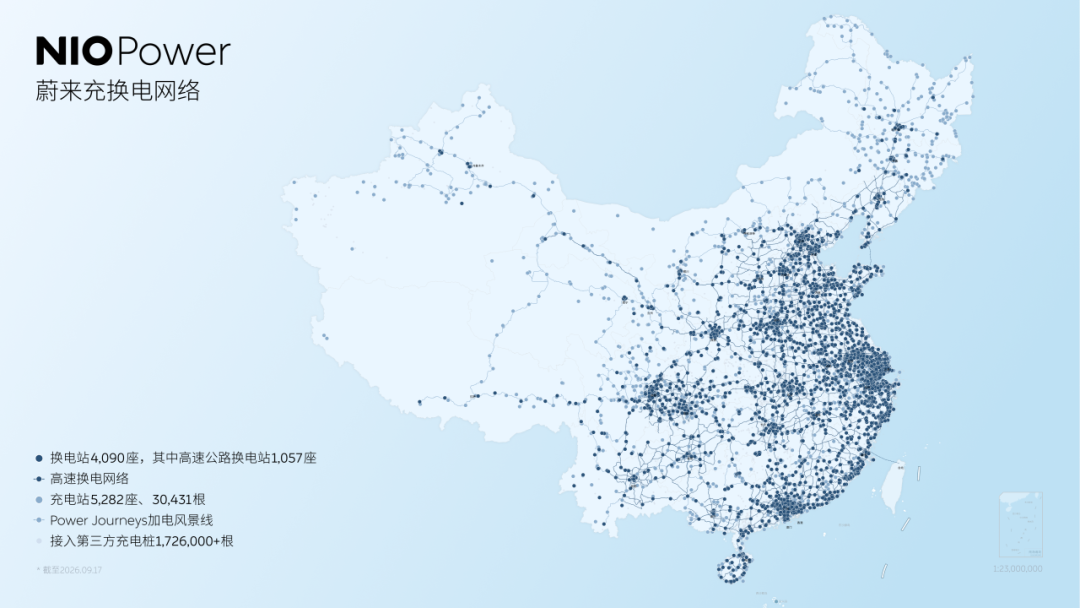
- Expanding rural charging infrastructure coverage
- Optimizing NEV purchase and usage environment
This follows the 2026 Central No. 1 Document's first inclusion of NEV rural deployment in rural revitalization priorities, and the June launch of the 2026 NEV Rural Campaign by five ministries.
Core Framework of the 18 Measures
The Opinion builds a comprehensive county consumption activation system across seven dimensions:
| Dimension | Core Measures | Count |
|---|---|---|
| Consumption channel upgrade | Facility renewal, layout optimization, idle resource utilization | 4 |
| Business format innovation | Chain store expansion, local brand development, emerging formats | 3 |
| Product and service supply | Quality products, service facilities, commerce-agriculture-culture integration | 3 |
| Distribution modernization | Urban-rural logistics efficiency, online-offline synergy | 2 |
| Consumption safeguards | Employment stability, entrepreneurship support | 2 |
| Factor integration | Fiscal funds, financial services, commercial land | 3 |
| Business environment | Consumer protection, platform regulation | 1 |
NEV-related provisions include:
- Guiding enterprises to develop products suited to county consumption patterns
- Supporting flexible supply chains via "own brand + demand-driven production"
- Vehicle purchase and vessel tax exemptions; rural trade-in subsidies without quantity caps
Infrastructure Progress and Pain Points
Charging infrastructure rural deployment has achieved initial results:
- National charging piles exceeded 20.38 million
- 19 provinces achieved "township-level full coverage"
- County and township charging pile growth outpaced cities for three consecutive years
- Three ministries launched county charging facility pilot programs covering 59 pilot counties
However, lower-tier markets still face challenges:
- 49.4% of rural residents report "insufficient product variety"
- Some charging facilities suffer from "built but not maintained" issues
- Rural grid capacity limits high-power fast charging deployment
- After-sales service networks remain inadequate
Market Data and Trends
County-level consumption shows strong growth resilience:
- Counties cover 90% of national territory and 50% of population
- County/rural consumption accounts for 39.1% of total retail sales
- Rural retail sales grew 2.4% YoY in Jan-July 2026, 1.3pp higher than urban areas
- 55 consecutive months of leading or equal growth
For Central Asian and Russian market observers, China's NEV rural deployment experience offers valuable reference. The policy-package approach to activating lower-tier markets can inform NEV promotion and charging infrastructure planning. Visit EX1000.COM for more.