China's H1 2026 passenger vehicle domestic sales fell 24.3% YoY, with NEVs also declining. NIO firmly rejected range-extender technology while Xiaomi's first EREV model secured 70,000 orders in 72 hours. Meanwhile, the industry's talent mismatch intensified, with ADAS engineer supply-demand ratio at just 0.38.
NIO's Range Extender Refusal: A 20 Billion Yuan Gamble
At an August media briefing, NIO co-founder Qin Lihong was asked: Will NIO make range extenders?
His answer was unequivocal: No.
Qin calculated on the spot: adding a range-extender system costs at least 20,000 yuan per vehicle. For 1 million vehicles, that's 20 billion yuan.
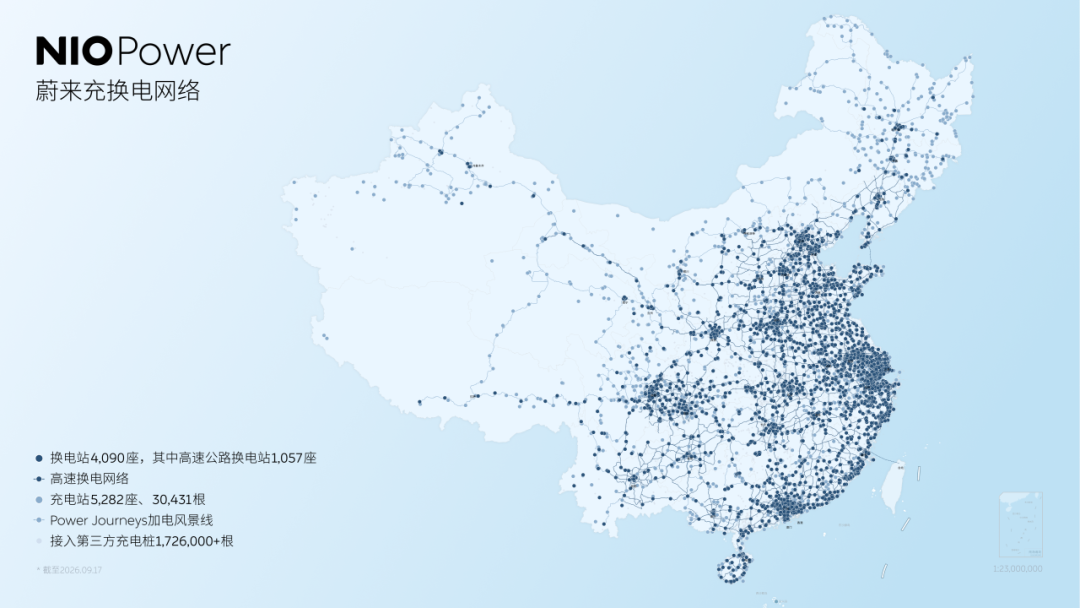
"With that money, we'd rather build more battery swap stations."
EREV Market: Polar Opposites
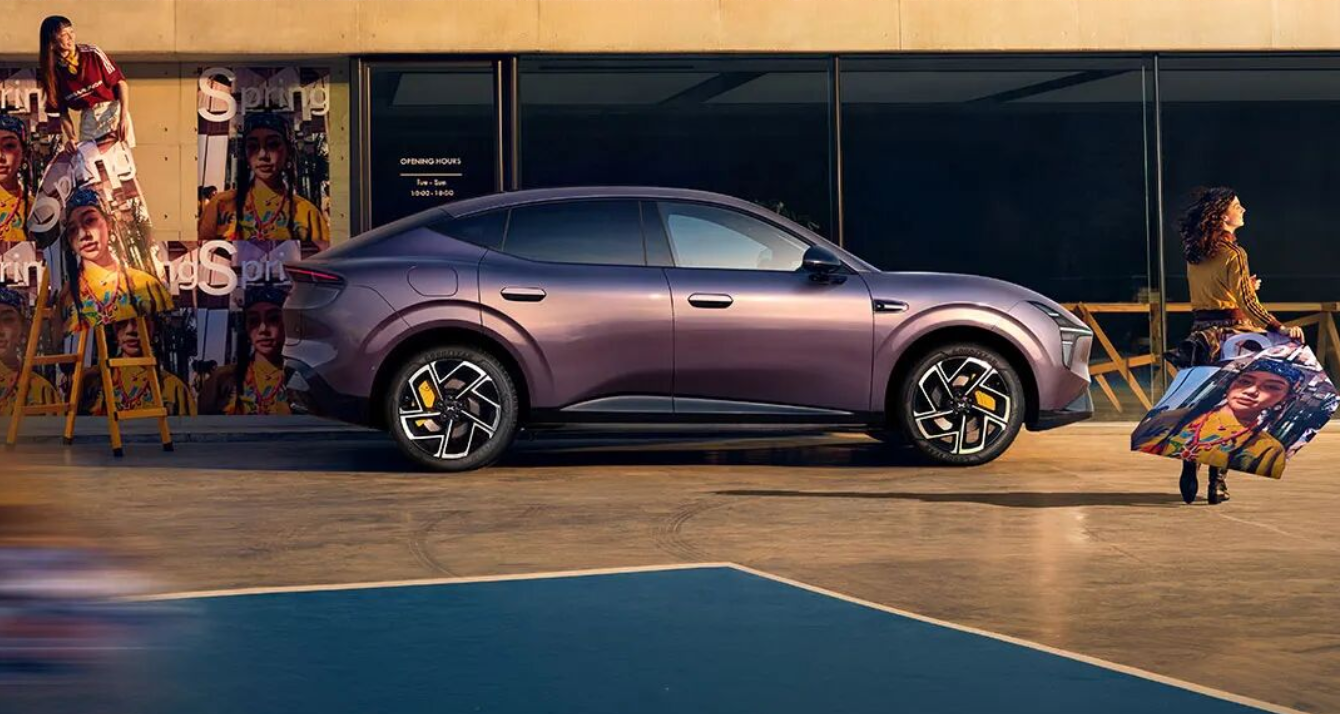
While NIO rejected EREVs, Xiaomi made the opposite choice. Against a 19.4% overall EREV market decline, Xiaomi's first EREV model Pengcheng secured approximately 70,000 orders in 72 hours.
| Automaker | EREV Strategy | Logic |
|---|---|---|
| NIO | Refuse | 20B yuan into swap stations, betting on pure EV ecosystem |
| Xiaomi | Full commitment | EREV is fastest market entry path |
| Li Auto | EREV-native | Proven route viability |
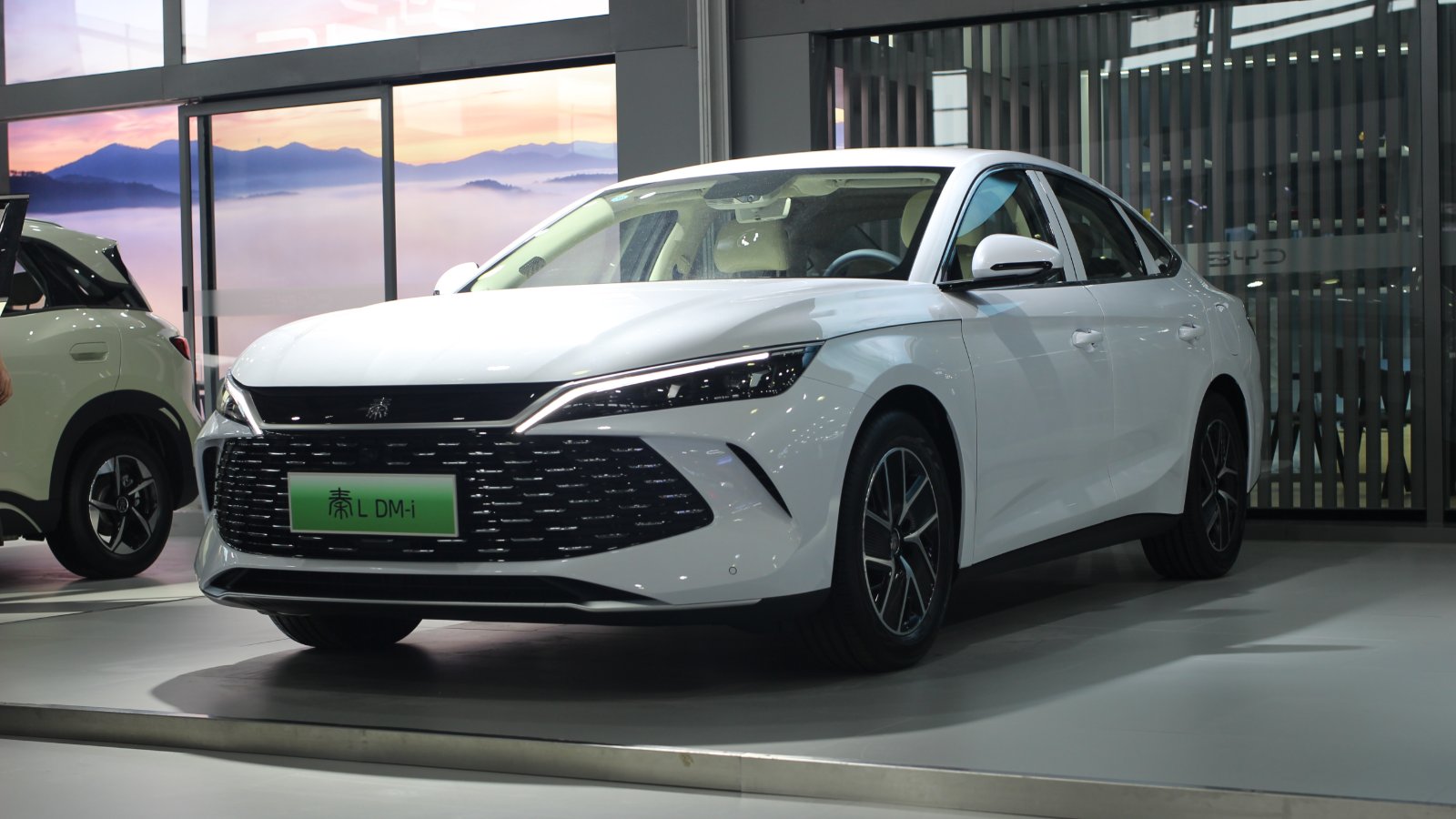
| BYD | PHEV + BEV | Dual-track, all price segments |
Domestic Market Chill: 24.3% Sales Decline
China Association of Automobile Manufacturers data shows H1 2026 passenger vehicle domestic sales at 8.288 million units, down 24.3% YoY.
Surprisingly, this downturn affected NEVs too:
- H1 NEV domestic sales: 5.09 million units, down 13.4%
- NEV passenger vehicle domestic sales: 4.594 million units, down 16.8%
Exports: The Only Bright Spot
- H1 total vehicle exports: 5.096 million units, up 65.3%
- NEV exports: 2.355 million units, up 1.2x
China's auto industry growth has shifted from domestic market to overseas markets.
Talent Mismatch: Million-Gap Structural Crisis
"By 2025, China's energy-saving and NEV talent gap reached 1 million. ADAS engineer supply-demand ratio is only 0.38 — less than one qualified candidate per position."
This was revealed by Li Zhele, Secretary-General of China Talent Research Association Auto Committee.
How Severe is the Mismatch?
- Double salary offers, yet can't hire qualified ADAS algorithm engineers
- Battery, e-powertrain, software architecture fields continuously competing for talent
- Traditional mechanical engineering graduates' resumes pile up unread
A telling case: A 211 university NEV battery master's graduate with three internships applied to nearly 30 automakers, received only 3 interviews, and zero formal offers.
The issue: She had traditional battery R&D skills; companies wanted "battery + AI + control" composite talent.
Talent Iteration at Unprecedented Speed
| Metric | Data | Change |
|---|---|---|
| Graduates independently capable | Average 19 months | Used to need 5-10 years |
| Intelligent connected field | Shortened to 15 months | — |
| Leading talent average age | Only 37 years old | 5-10 years younger than international peers |
| 10+ years experience ratio | 78% | — |
"The auto industry won't eliminate any major, but it will eliminate those who stop evolving."
Second Battlefield: When Selling Cars No Longer Profits
Declining domestic sales and compressed margins force Chinese automakers to open "second battlefields":
- Off-road segment: Tank and Fangchengbao lead; Geely enters after 8 years of preparation
- Pickup market: Limited domestic capacity, but BYD insists on bringing pickups home
- Robotics/flying cars: XPeng and Changan go further, entering entirely new domains
The answer may be just four words: no other choice.
Liuzhou Model: 73.35% Penetration City Experiment
In 2025 city NEV penetration rankings, Liuzhou ranked first at 73.35%.
As early as 2021, Bloomberg called Liuzhou the de facto "global EV capital." Today, Liuzhou's NEV industry chain continues to rise, with SAIC-GM-Wuling's July global sales exceeding 120,000 units, NEV sales exceeding 72,000 units.
Conclusion
China's auto industry in 2026 is undergoing profound structural adjustment. Domestic market存量博弈, export explosion, talent mismatch, and technology route divergence are reshaping the industry. For overseas observers, understanding these deep changes matters more than sales numbers alone. More at EX1000.COM.