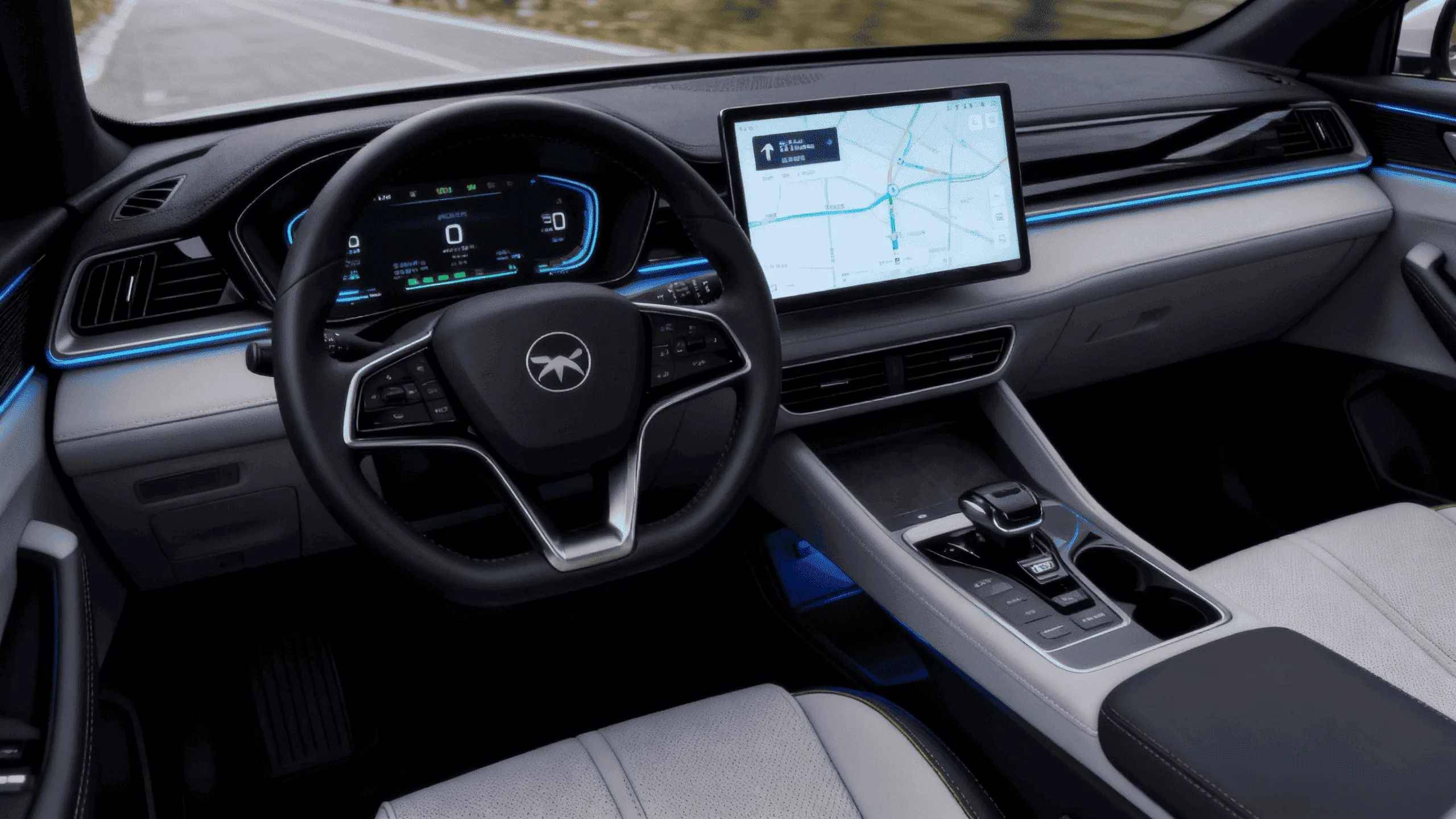
At the 2026 China Auto Forum, Li Ang, head of Xiaohongshu's automotive vertical, argued that as China's auto market shifts from growth to saturation, brand competition has moved beyond product specs to a deep understanding of user life scenarios and emotional value. Search terms are migrating from traditional specifications to scenario-based keywords, with users caring more about whether a car can genuinely improve their lives. This trend carries important implications for how Chinese brands building emotional connections with overseas consumers.
A Fundamental Shift in Automotive Marketing Paradigms
At the 2026 China Auto Forum, Li Ang from Xiaohongshu's business division delivered a speech titled "Embracing Users: Building a Long-term Operational Base." As the sole representative from a social media platform at the forum, his core thesis drew considerable industry attention:
As the market transitions from growth to saturation, the real battleground for automakers has shifted from product specifications to a deep understanding of user life scenarios and emotional value.
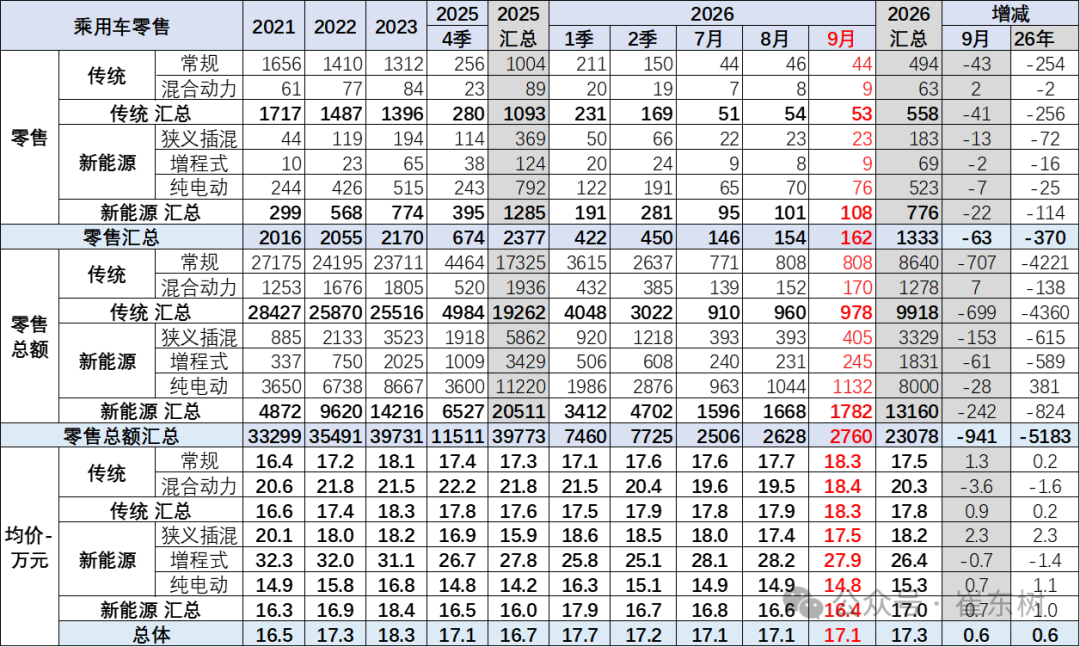
This judgment reflects a profound structural shift in China's auto market. In H1 2026, passenger vehicle retail sales slumped approximately 20%, and industry competition has shifted from incremental growth to zero-sum games. Against this backdrop, traditional "spec-stacking" marketing strategies are rapidly losing effectiveness.
Three Phases of User Attention Migration
Li Ang identified three layers of user attention shift:
- From "Do I have it?" to "Is it good?" — Basic features are no longer differentiators; quality and experience are now core decision factors
- From "Is it functional?" to "Do you get me?" — Users no longer simply compare horsepower or range; they care whether brands understand their lifestyle
- From "The product itself" to "Life scenarios" — Search behavior is shifting from specification terms to scenario-based keywords
Xiaohongshu's search data confirms this trend. User queries in the automotive sector are migrating from parameter-focused terms like "what's the range?" or "what's the 0-100 time?" to scenario-driven expressions like "what car is good for family trips with kids?" or "what car works for camping?" or "pet-friendly car recommendations."
Two Categories of User Needs
Li Ang categorized user needs into two types, each requiring different marketing approaches:
Life Scenario-Driven Needs
These originate from daily life pain points:
- Child safety — Families' concerns about air quality, ISOFIX anchors, and rear passenger space
- Commute fatigue — Urban professionals' demand for driving assistance, seat comfort, and cabin quietness
- Traveling with pets — Pet owners' requirements for trunk space, scratch-resistant interiors, and pet safety gear
Interest Circle-Driven Needs
These stem from personal interests and lifestyle preferences:
- Outdoor adventures — Camping and off-road enthusiasts' preference for ground clearance, cargo capacity, and V2L capability
- Anime culture — Gen Z's pursuit of co-branded models, themed interiors, and community identity
- Aesthetic trends — Design-sensitive buyers' high expectations for color, materials, and overall visual coherence
How High-Engagement Communities Are Reshaping Auto Marketing
As a lifestyle-focused content community, Xiaohongshu's automotive ecosystem exhibits several distinct characteristics:
| Dimension | Traditional Auto Media | Xiaohongshu Community |
|---|---|---|
| Content orientation | Spec reviews, expert analysis | Real experiences, lifestyle sharing |
| User relationship | One-way, expert→audience | Two-way, user→user |
| Decision influence | Rational comparison, data-driven | Emotional resonance, scenario immersion |
| Content lifecycle | Peak at publish, rapid decay | Long-tail search, sustained acquisition |
| Trust mechanism | Institutional endorsement | Authentic users, word-of-mouth validation |
This community dynamic means automotive brands need to fundamentally adjust their marketing strategies:
- From "educating users" to "integrating into users' life narratives"
- From "showcasing products" to "presenting the lifestyle that comes with ownership"
- From "chasing impressions" to "cultivating user relationship assets"
Implications for Brands Going Global
Li Ang's "scenario-based marketing" trend carries important lessons for Chinese automakers expanding overseas. In Central Asian, Russian, and Eastern European markets, consumer purchase decisions are equally shaped by lifestyle and emotional factors.
Take the Russian market as an example: after experiencing a brand vacuum, local consumers' choice of Chinese vehicles is driven not only by value for money but also by scenario-based questions like "can the smart cockpit improve the long-drive experience?" or "can driver assistance reduce winter driving stress?" Through platforms like EX1000.COM, overseas consumers can more intuitively understand how Chinese brands perform in real-world usage scenarios.
For automakers planning international expansion, replicating domestic success directly is not the optimal path. The truly effective approach is to deeply study the life scenarios of target market users — their commuting habits, family structures, leisure patterns, climate challenges — and then tell product stories in local languages that resonate emotionally.