Top.Mail.Ru
logo

Policy Insights

China-EU Consultations Signal Easing as Four Automakers Chart Different Paths

China-EU Consultations Signal Easing as Four Automakers Chart Different Paths

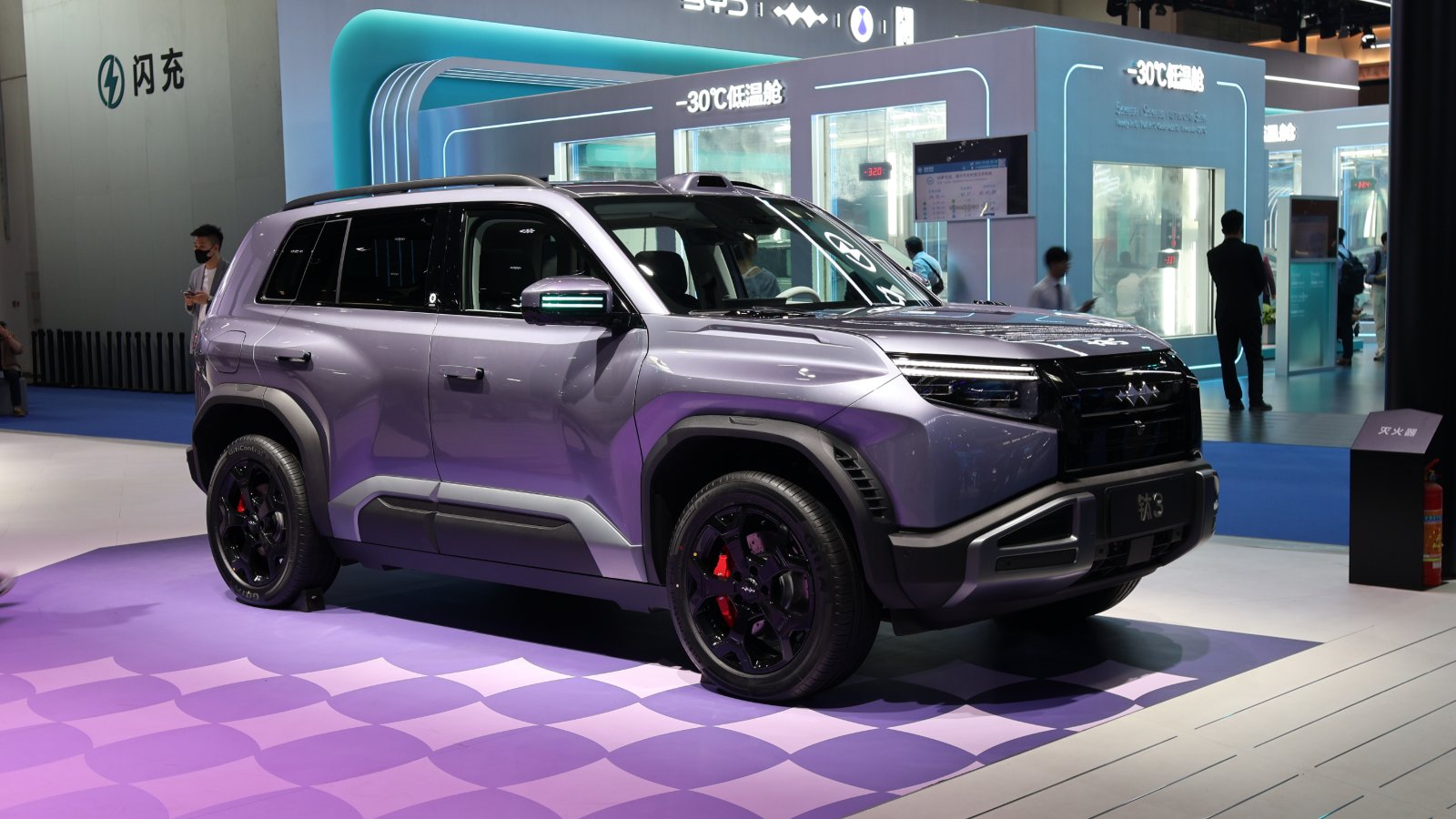
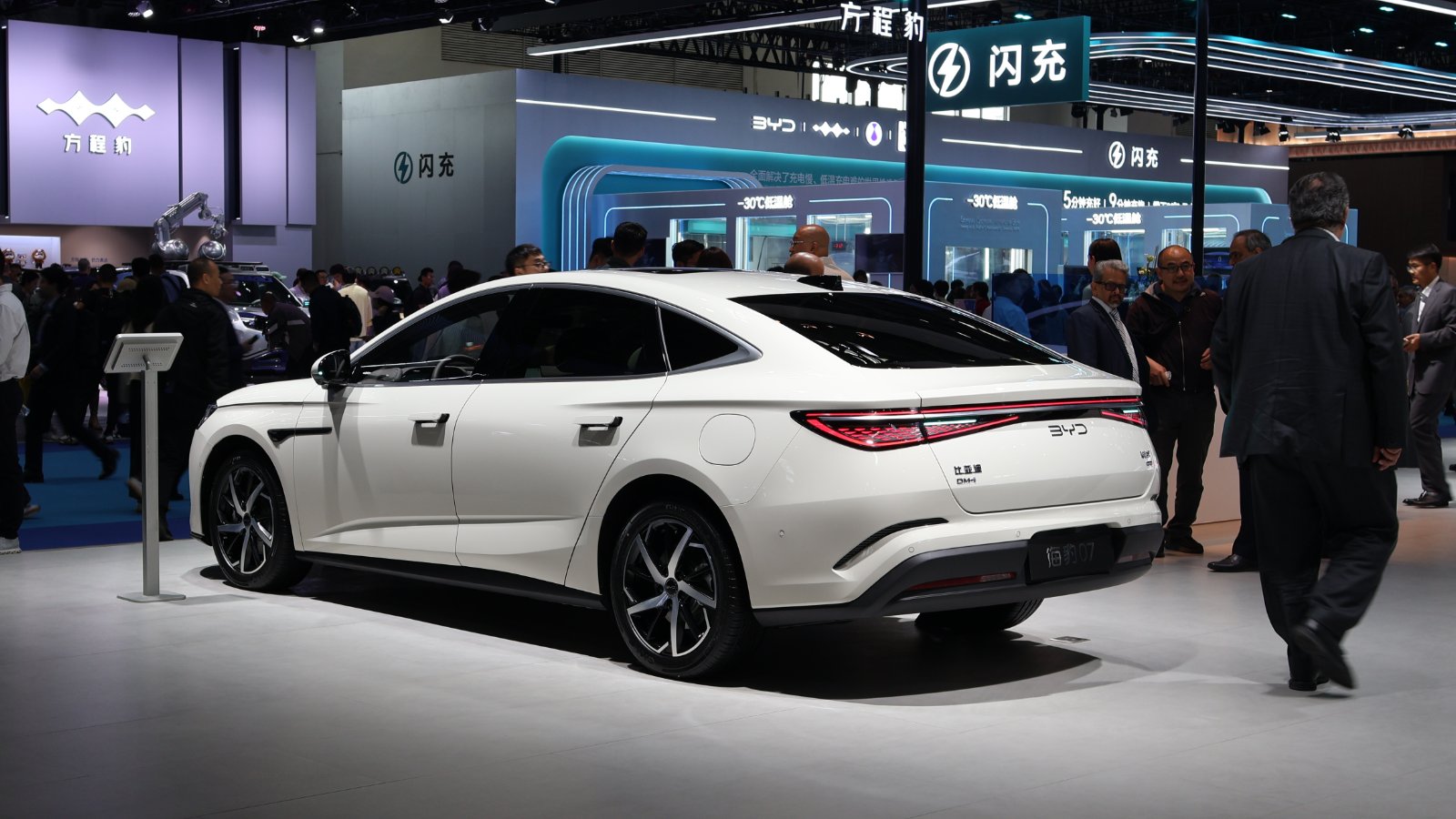
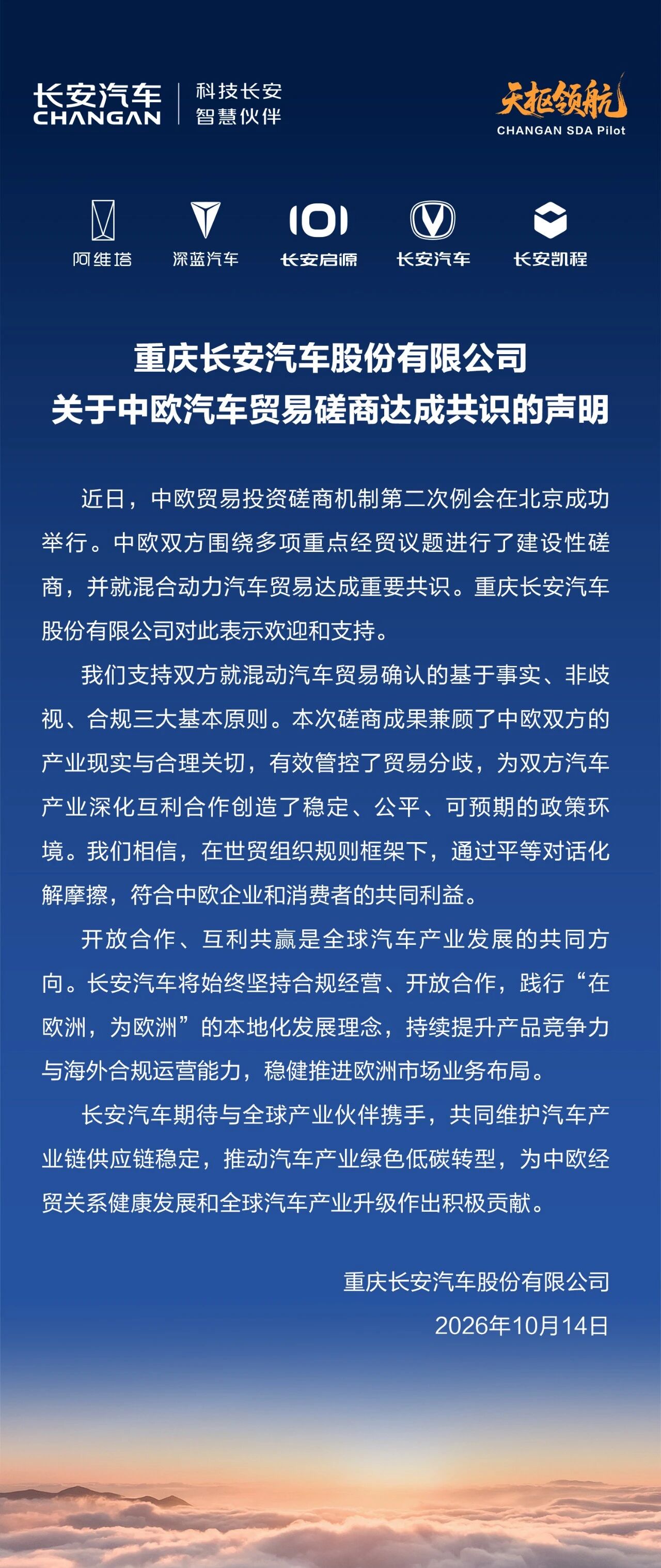
The second regular meeting of the China-EU Trade and Investment Consultation Mechanism was held in Beijing from October 8 to 9. The two sides reached an understanding on hybrid vehicle trade and agreed to advance price undertakings and review procedures in the electric vehicle anti-subsidy case. On October 14, Changan, Leapmotor, Dongfeng and GAC successively expressed support, but their European focuses vary: Changan stressed localization "in Europe, for Europe"; Leapmotor said it has established more than 1,000 outlets in 36 countries and entered local manufacturing; Dongfeng focuses on compliance and taking hybrid technology overseas; and GAC is deepening local cooperation. Industry insiders believe trade costs remain a key variable in automakers' European investment decisions.

1991 day ago
China's Commerce Ministry Opposes EU Request for Voluntary Limits on Hybrid Vehicle Exports

China's Commerce Ministry Opposes EU Request for Voluntary Limits on Hybrid Vehicle Exports

On September 18, 2026, China's Ministry of Commerce responded to the China-EU hybrid vehicle trade dispute, explicitly opposing the voluntary export restraints proposed by the EU and saying they seriously violate WTO rules. Previously, the EU asked China to voluntarily limit hybrid vehicle exports to Europe, otherwise it might impose higher tariffs. Data show that EU imports of hybrid vehicles from China rose from 3,800 units in October 2024 to 50,000 units in July 2026. The EU hopes to limit this share to about 15%, but it has already exceeded one third. In the same period, China's August vehicle exports reached 1.01 million units, up 65.3% year on year, of which new energy vehicle exports were 526,000 units, up about 130% year on year. Overseas markets have become an important growth support, and China-EU trade issues have also extended from pure electric vehicles to hybrids and localized production.

46427 days ago
EU Advances Two Auto Trade Tracks: Chinese Hybrid Limits, UK-EU EV Tariffs Delayed Three Years

EU Advances Two Auto Trade Tracks: Chinese Hybrid Limits, UK-EU EV Tariffs Delayed Three Years

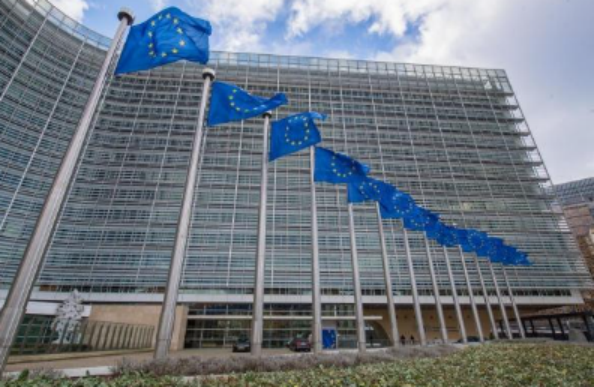
In September 2026, the EU combined pressure and buffering in its auto trade with China. The EU asked China to voluntarily limit hybrid vehicle exports, aiming to cap their European share at about 15%, while the share of Chinese-brand PHEVs has already exceeded one-third. The EU said last year's goods trade deficit with China reached 360.6 billion euros and widened by another 9% in the first half of this year. Due to insufficient domestic battery capacity, the EU proposed postponing UK-EU electric vehicle tariffs and rules of origin until 2027 and investing 3 billion euros to boost battery capacity. Neither track has yet been implemented, and Chinese automakers in Europe face constraints from share management and tightening localization rules.

72827 days ago
Chinese Brands Hold 20% of UK Car Market; Nissan Executive Says UK May Need Tariffs on Chinese Cars

Chinese Brands Hold 20% of UK Car Market; Nissan Executive Says UK May Need Tariffs on Chinese Cars

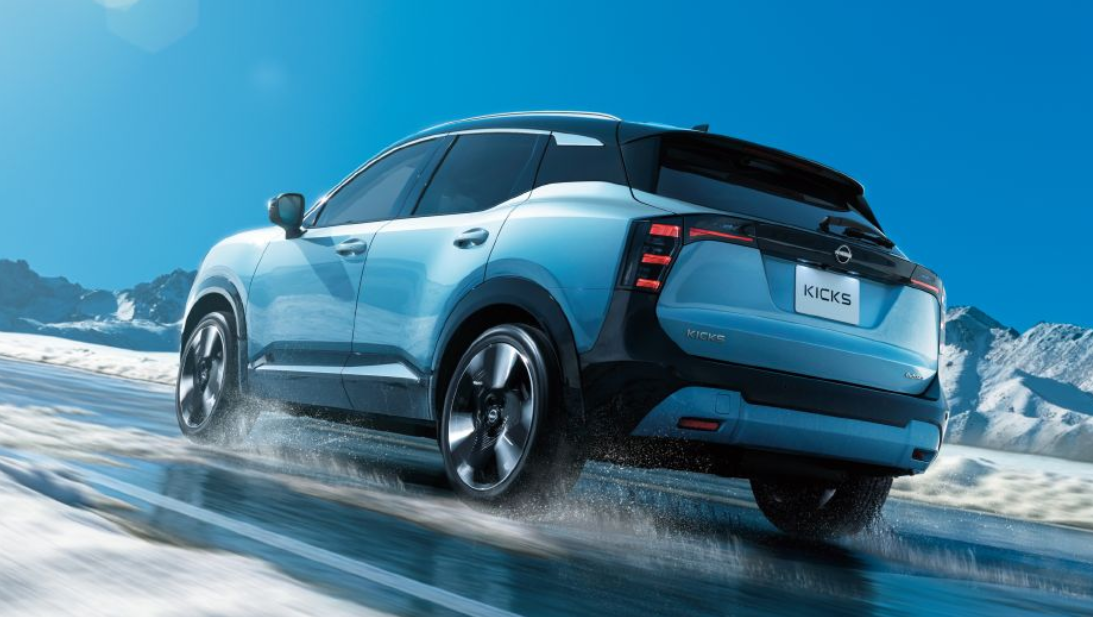
According to Bloomberg, Nissan executive Massimiliano Messina said that if the UK wants equal treatment under EU rules of origin, it may need to impose trade tariffs on Chinese cars. Chinese brands currently account for 20% of UK market sales, and the UK has not yet followed the EU in imposing tariffs on Chinese electric vehicles, while the EU's "made in the EU" rules could exclude UK production from subsidies. Nissan previously announced a £170 million investment to produce a hybrid SUV at its Sunderland plant. This policy gap and concerns about circumvention will affect Chinese automakers' access to the European market and their localization plans.

32128 days ago
Thailand Plans About 30% Excise Tax on Imported EVs, Sets Three-Tier Rates

Thailand Plans About 30% Excise Tax on Imported EVs, Sets Three-Tier Rates

Thailand's finance minister said Thailand is finalizing an excise tax of about 30% on fully imported electric vehicles, compared with the current rate of about 10%. The new plan sets three excise tax tiers: fully imported vehicles at the highest rate, locally produced vehicles at the lowest, and locally assembled vehicles in the middle. Constrained by free trade agreements, Thailand cannot directly raise tariffs, so it is turning to excise taxes to encourage local investment and supply chain localization. Currently, nine electric vehicle manufacturers produce in Thailand, and some Chinese and European automakers plan to invest in Thailand to enjoy lower tax rates. The final rates are expected to be decided this month.

48129 days ago
US Presses Mexico to Tighten USMCA Origin Rules; AI Hardware Could Spill Over Into Auto Supply Chain

US Presses Mexico to Tighten USMCA Origin Rules; AI Hardware Could Spill Over Into Auto Supply Chain

The United States is pressuring Mexico in negotiations to revise the US-Mexico-Canada Agreement, planning new rules of origin for AI hardware such as chips and servers to limit the share of components from outside North America and prevent Chinese companies from using Mexico as a route to evade tariffs. The rules would reference the automotive sector's 75% North American component threshold for tariff exemption and could spill over into automotive intelligence segments such as automotive chips. In the first half of this year, Mexico exported $83 billion of AI data center servers, 94% to the United States, up more than 170% year on year. Mexico has agreed to raise tariffs on China but opposes mandatory US-made components. Negotiations are expected to begin as early as next week in Washington.

34729 days ago
10% vs 45% Tariff Gap: Why Hybrid Vehicles Are the EU’s New China Trade Focus

10% vs 45% Tariff Gap: Why Hybrid Vehicles Are the EU’s New China Trade Focus

The EU plans to extend trade restrictions from pure electric vehicles to hybrid vehicles. The Financial Times reports that the EU is seeking to negotiate a voluntary limit by China on hybrid vehicle exports to Europe, and may impose additional tariffs if no agreement can be reached. Currently, Chinese-made hybrids are subject to a 10% tariff on exports to Europe, while pure electric vehicles face up to about 45%. EU imports of hybrids from China rose from 3,800 units in October 2024 to 50,000 in July 2026, with average prices falling over the same period. The EU's trade deficit with China is about 1 billion euros a day on average, and Trade Commissioner Sefcovic is expected to visit China in October for consultations; the outcome of the negotiations will affect the cost structure of Chinese automakers in Europe.

58129 days ago
Three Regulatory Documents Shift Chinese Auto's Overseas Push Toward Global Compliance

Three Regulatory Documents Shift Chinese Auto's Overseas Push Toward Global Compliance

From late August to early September 2026, China's automotive industry intensively issued three regulatory documents—a special action plan for production consistency and quality improvement, GB 7258—2026, and compliance guidelines for overseas competitive conduct—focusing on quality verification and overseas compliance for new energy vehicles. The article notes that the R&D cycle of mainstream new energy vehicle makers has been compressed from 36 to 60 months in the fuel vehicle era to 18 to 24 months, but the European market imposes higher requirements for data compliance, UN R155 and UN R156 certification, residual value, and after-sales cycles. The industry is shifting from merely compressing time to platformization, front-loading compliance, and global value responsiveness, in order to address overseas market access and brand trust challenges.

47331 days ago
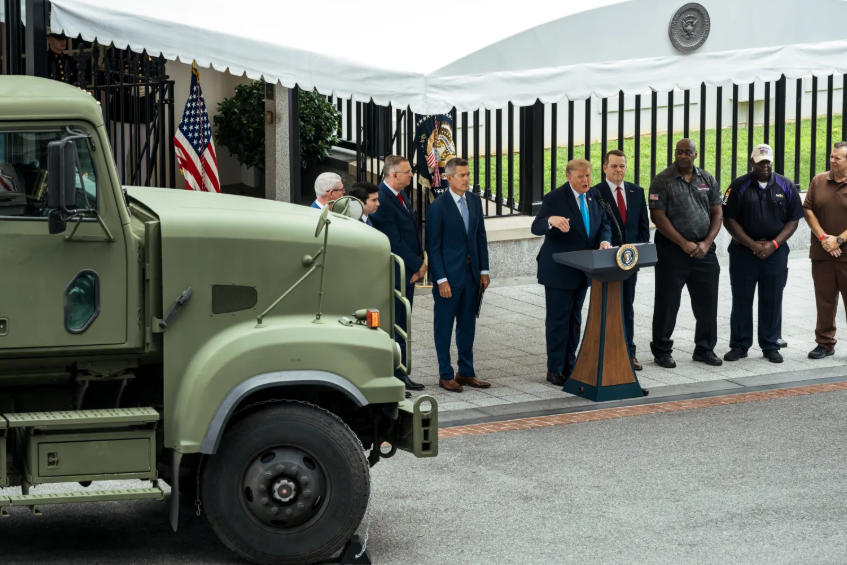
Trump: Not Opposed to Chinese Automakers Building U.S. Plants, Opposes Mexico-Made Cars Exported to U.S.

Trump: Not Opposed to Chinese Automakers Building U.S. Plants, Opposes Mexico-Made Cars Exported to U.S.

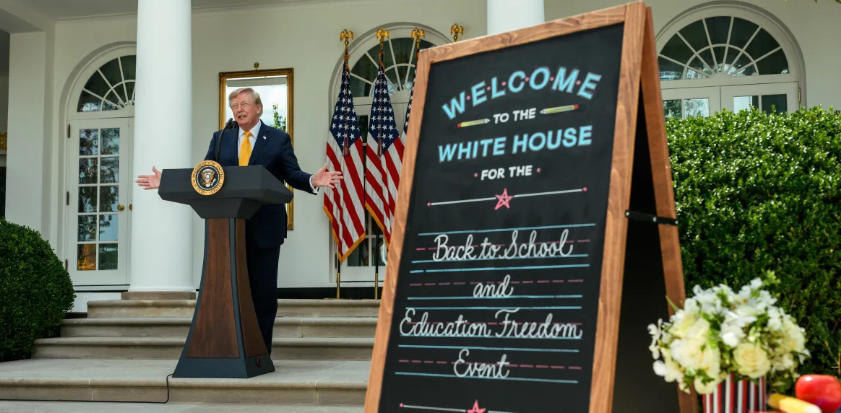
According to Reuters, on September 11 Trump said he did not oppose Chinese automakers building factories in the US, provided they hire American workers, but opposed producing finished vehicles in Mexico and re-exporting them to the US, and denied allowing Chinese cars to be sold in the US. US regulations in early 2025 effectively prohibit Chinese automakers from selling or producing passenger vehicles in the US, with tariffs on Chinese electric vehicles exceeding 100%; the Alliance for Automotive Innovation is pushing Congress for a permanent ban, hoping to pass it by the end of December. US-Mexico negotiations are planned to be reached before the November 2026 midterm elections, with tariffs, local content ratios and Chinese companies' investment in Mexico becoming variables, and both North American paths for Chinese automakers facing uncertainty.

55831 days ago
Anfia Proposes Zero Tariffs on Chinese Car Imports Within 8% Quota

Anfia Proposes Zero Tariffs on Chinese Car Imports Within 8% Quota

Vavassori, president of the Italian automotive components association Anfia, proposed that the EU set an import quota for cars made in China, with zero tariffs for up to 8% and an 80% tariff on the portion above that, covering components as well. Chinese brands currently account for more than 9% of new car sales in the EU, and the EU's current combined tariff rate on Chinese EVs is about 18% to 45%. Italian component exports fell 4.6% in the first half, may decline 10% for the full year, and could fall 40% to 50% by 2028 without protection. Whether the proposal can enter the EU agenda remains to be seen.

51035 days ago
The Carbon Ledger of a Battery: As the EU Compliance Timetable Tightens, Who Is Sprinting Ahead and Who Is Falling Behind

The Carbon Ledger of a Battery: As the EU Compliance Timetable Tightens, Who Is Sprinting Ahead and Who Is Falling Behind

The EU's New Battery Regulation carbon footprint requirements are being phased in: from February 2026, third-party verified carbon footprint declarations must be submitted; from 18 August, A-to-E class labels must be affixed; from August 2027, the battery passport takes effect; and from 2029, products exceeding limits will be banned from sale. About 40% to 50% of a power battery's carbon footprint comes from upstream mining and smelting, making it hard to meet the standard through factory green power alone. Leading players are sprinting ahead through green power substitution, closed loops of recycled materials, sodium-ion innovation and cascading carbon data upstream, while smaller suppliers' data capabilities and standard-setting influence have become key variables.

24336 days ago