In July 2026, Malaysia further tightened CBU electric vehicle import policies, effectively blocking new entry for non-premium imported models. Beyond BYD, popular Chinese vehicles like Zeekr 7X and Chery OMODA E5 face import restrictions. Leapmotor and XPeng are pivoting to CKD local assembly, while domestic brand Proton has reclaimed market leadership through its e.MAS lineup.
Policy Squeeze: The CBU Import Window Closes
In July 2026, the Malaysian government intensified its CBU electric vehicle import policy. Following the introduction of import tariffs in January 2026, July brought further restrictions on non-premium CBU EVs. This means that beyond a few brands like BYD, popular Chinese models such as the Zeekr 7X and Chery OMODA E5 can no longer secure new import quotas. For Chinese automakers relying on whole-vehicle export models, Malaysia's market window is narrowing rapidly.
Chinese Brands Pivot: From Export to Local Assembly
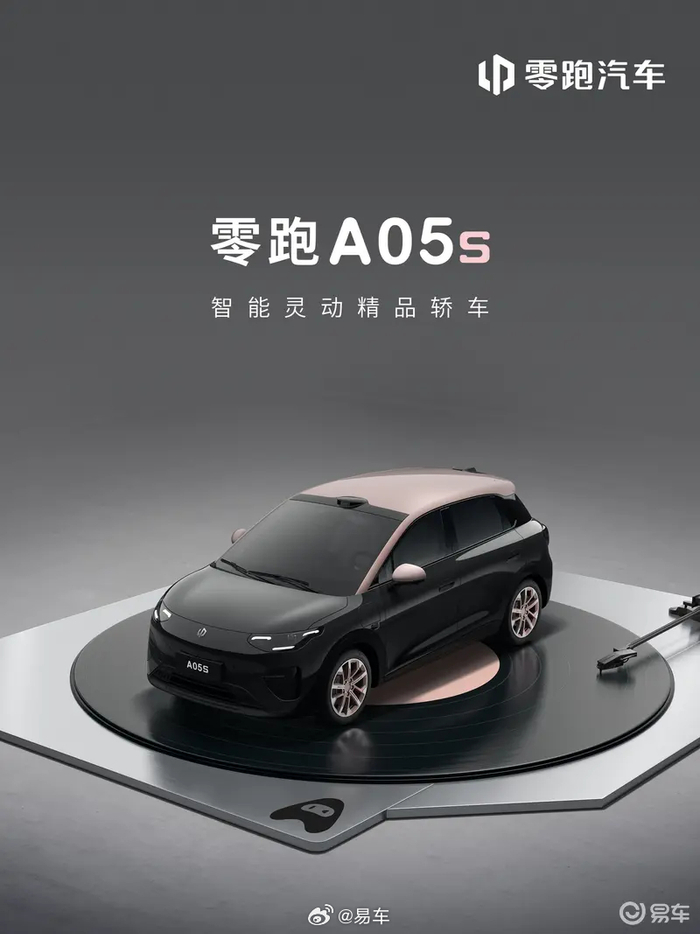
- Leapmotor's C10 has launched CKD assembly at Gurun Plant in Kedah, Malaysia, bypassing CBU restrictions through local production
- XPeng's G6 is now in localized production at EPMB's Malaysian partnership facility, signaling tech transfer and joint-venture manufacturing as the new norm
- BYD, with its early investments in local capacity and dealership networks, remains one of the few Chinese brands still able to maintain fresh supply
- CKD models can reduce tariff costs by 30%-50% while satisfying Malaysian government localization requirements
- Local factories can directly integrate with ASEAN supply chains, shortening delivery cycles and improving after-sales response
- Joint-venture structures help secure government approval and long-term operating licenses
Competitive Landscape: Proton's Counter-Offensive and the Market Share Battle
| Dimension | Chinese Brands | Local Brands | Trend |
|---|---|---|---|
| 2025 NEV Market Share | ~60% | ~35% | Chinese brands led |
| Proton e.MAS Series | — | Overtook in 2026 | Local brands accelerating |
| Import Policy Impact | CBU restricted | Unrestricted | Dramatic shift |
| CKD/Local Plants | Leapmotor, XPeng advancing | Proton already established | Competition shifts to capacity |
Malaysia is one of ASEAN's fastest-growing NEV adoption markets. Chinese brands held roughly 60% of the country's NEV market in 2025, but local giant Proton has already reclaimed the top spot in 2026 through the strength of its e.MAS series. For Chinese automakers, Malaysia has evolved from an "export stepping stone" into a "deep localization battlefield." EX1000.COM recommends that buyers and observers in Central Asia and Russia view Malaysia as a key case study in how Chinese automakers adapt their overseas localization strategies.